Aeroflot Unveils In-House VR Simulators for Pilot Training
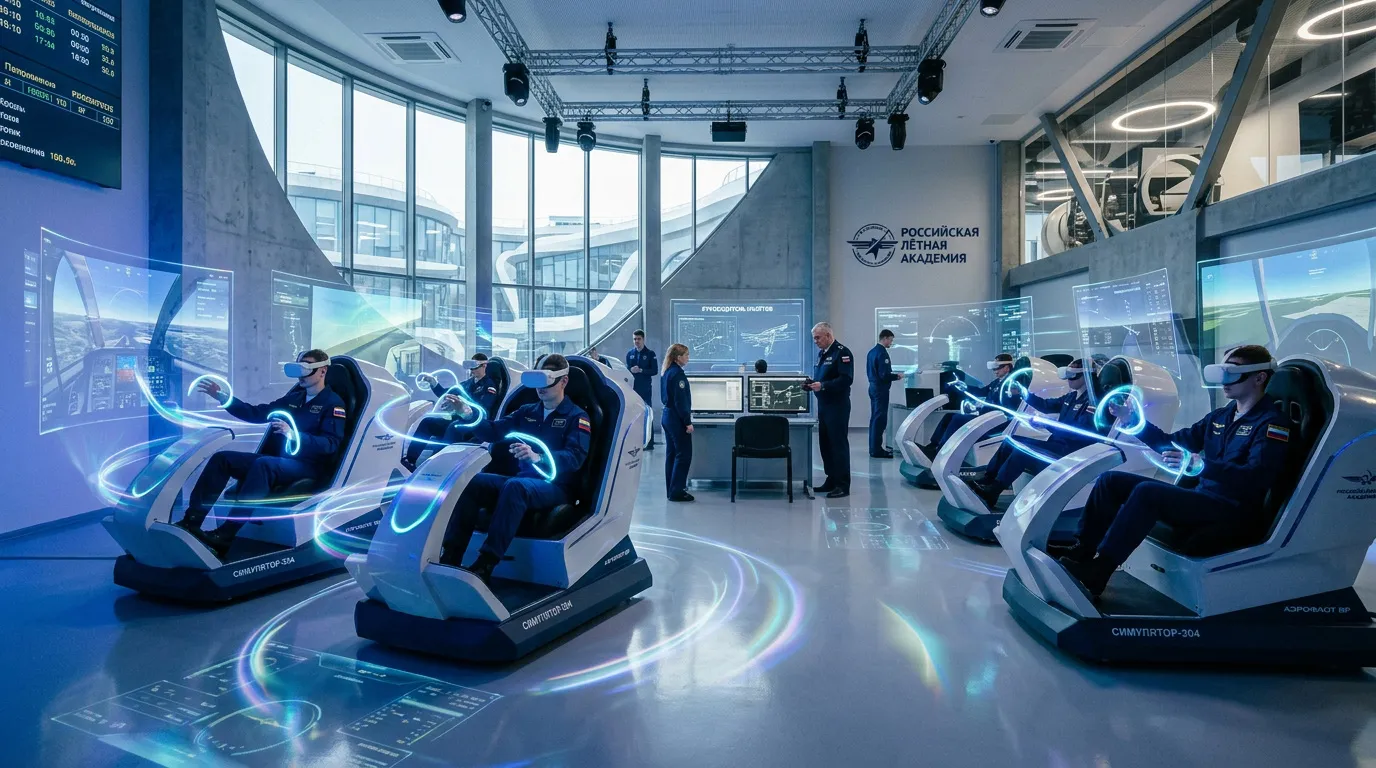
Russia’s largest airline, Aeroflot, has presented a virtual reality simulator complex developed in-house at the Digital Industry of Industrial Russia (CIPR) conference. The equipment is designed to support the initial flight training of aircrews.
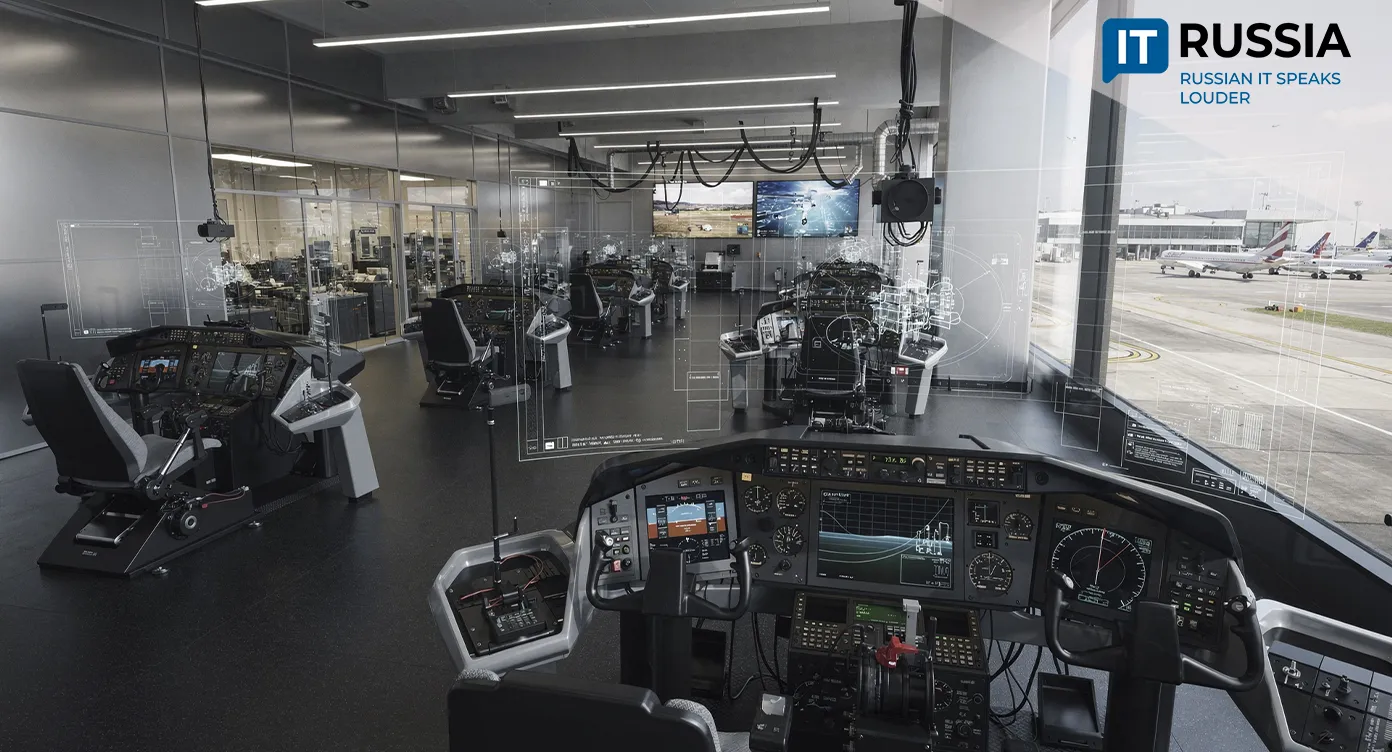
The VR pilot-training simulators combine three technologies and fully replicate a real cockpit workspace, allowing airline personnel to adapt more quickly to operational procedures. Demand for such systems is expected to remain high. In 2025 alone, Aeroflot carried 29.5 million passengers, while the broader Aeroflot Group transported 55.3 million. As the carrier’s route network continues to expand, training and professional development for flight personnel are becoming increasingly critical.
Integrating Three Core Technologies
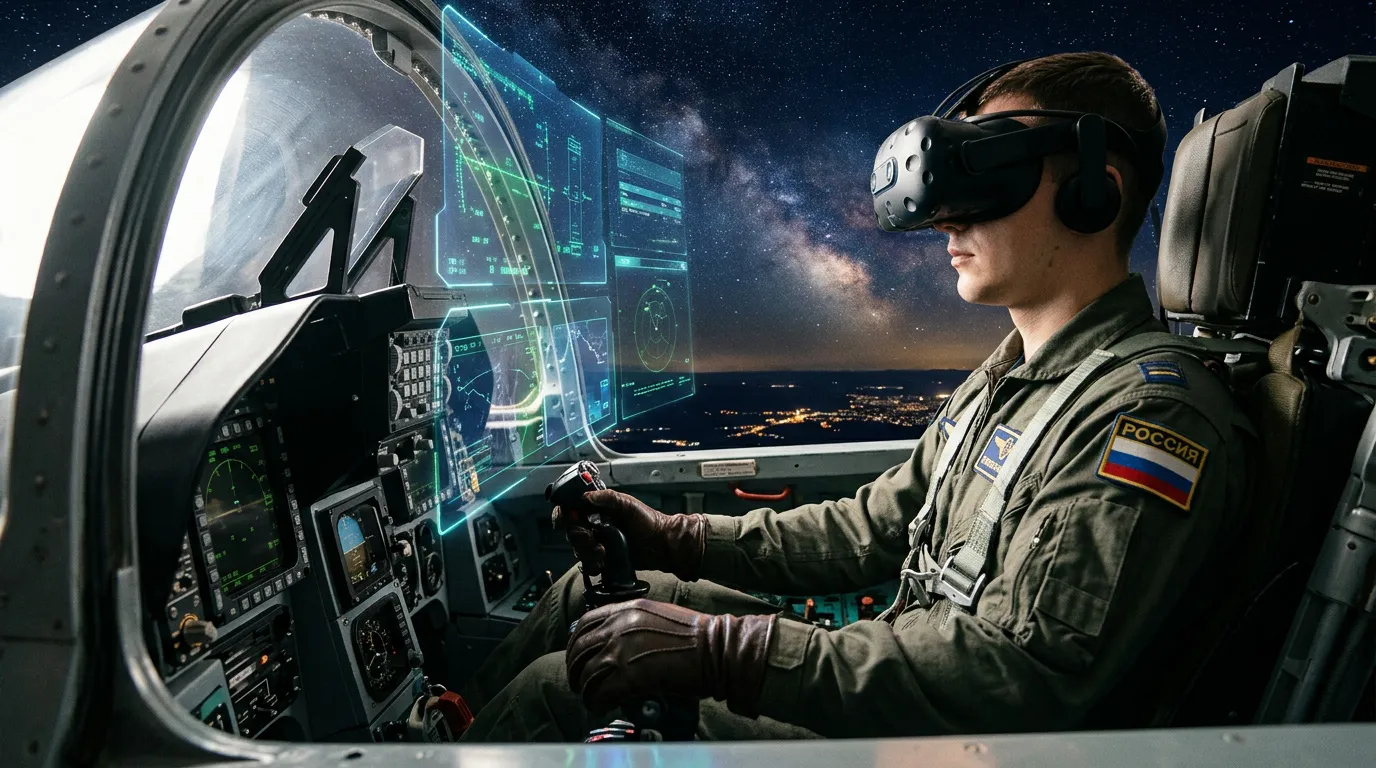
The developers built the system around a combination of three technologies: ultra-high-definition visualization, motion tracking and tactile feedback. Together, they create a full-immersion effect that places the trainee inside a cockpit designed to mirror the real operating environment. Using the platform, pilots can study aircraft control layouts, familiarize themselves with cockpit procedures and practice operational algorithms both under standard flight conditions and in simulated abnormal scenarios.
The new VR simulators are already being used at the Aeroflot Aviation School for initial pilot preparation at the CBT (Computer Based Training) stage. That gives future pilots an opportunity to develop practical skills before advancing to FFS (Full Flight Simulator) training and live-flight operations.
An Investment in Operational Safety
Flight-crew training remains one of the most critical tasks for any airline. The quality of that preparation directly affects passenger safety, the stability of air traffic operations and compliance with international aviation standards. As passenger volumes rise and air-navigation systems become more complex, qualification requirements for pilots continue to increase. Traditional classroom instruction and conventional simulators alone are no longer sufficient.
Modern VR-based simulators are no longer demonstration concepts, but operational tools already integrated into pilot training. For Russia’s IT sector, Aeroflot’s project represents a practical example of domestically developed immersive technologies being deployed in a safety-critical industry. The adoption of such digital systems makes it possible to simulate a wide range of operational conditions, helping personnel adapt to dynamic environments while maintaining situational awareness and procedural discipline. In that sense, computer-based technologies are becoming an increasingly important component in the modernization of aviation training systems.
Developing Domestic Aviation IT Systems
These technologies are expected to improve the quality of pilot training while strengthening the safety and operational stability of air transport. At the national level, the development and large-scale deployment of advanced VR simulators also marks a step toward greater technological independence in aviation workforce training. No less important, Aeroflot continues to expand its portfolio of aviation IT systems, including an electronic flight bag built on the Russian Aurora operating system. The carrier also plans to deploy Modul intellektualnogo shedulirovaniya aviareysov (Intelligent Flight Scheduling Module) across all airlines within the Aeroflot Group.
Looking ahead, Aeroflot’s VR simulator could find broader use among aviation training centers, universities and airline corporate academies across Russia. The system may also become an important tool for preparing engineering and technical personnel.
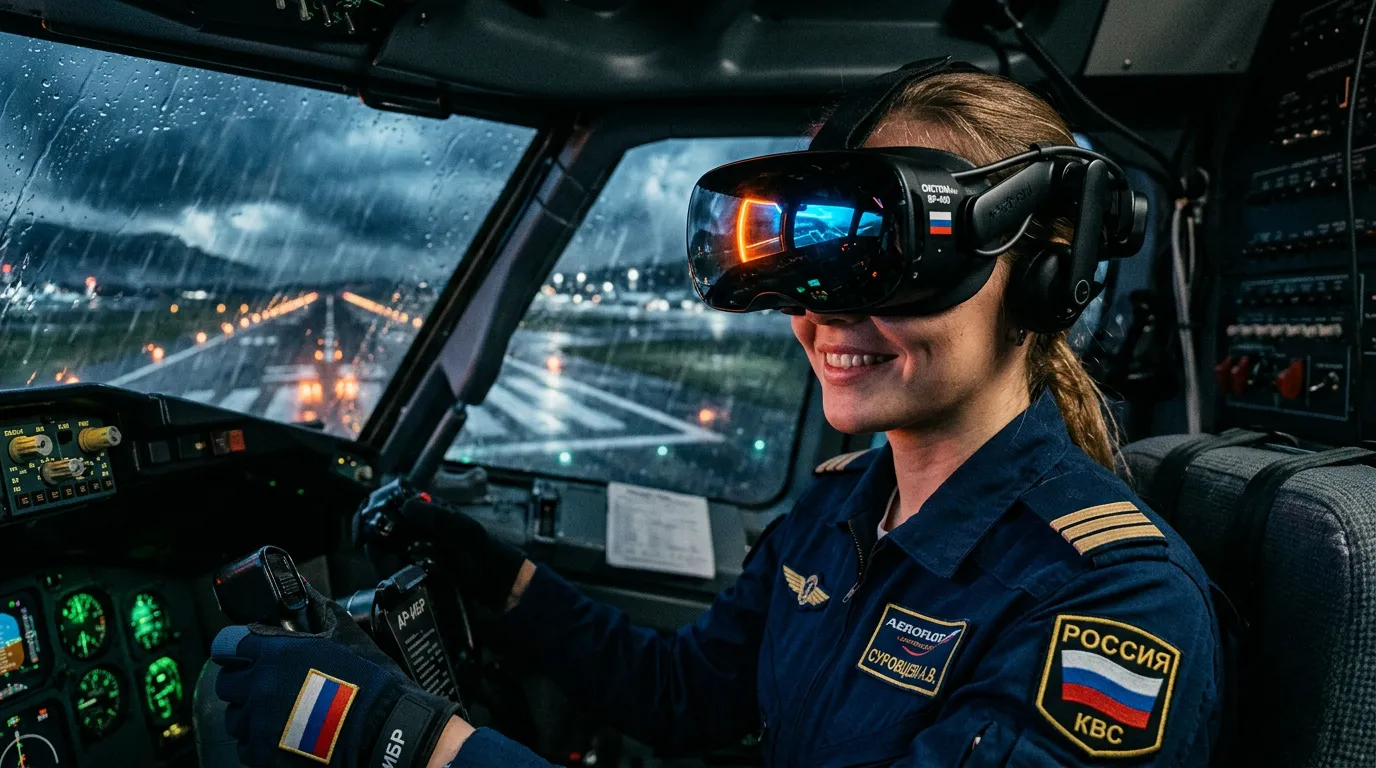
The development of immersive technologies in Russia aligns with a broader global trend in which aviation schools and simulator manufacturers are increasingly using VR systems as a supplement to traditional simulators. Whether Aeroflot’s platform ultimately succeeds as an export product will depend on its compatibility with different aircraft types, the quality of its training scenarios and regulatory recognition of its training methodology.