Balcha Teshome Hailu: “Digitalization Is Not Just a Technological Revolution but Also a Narrative Revolution”
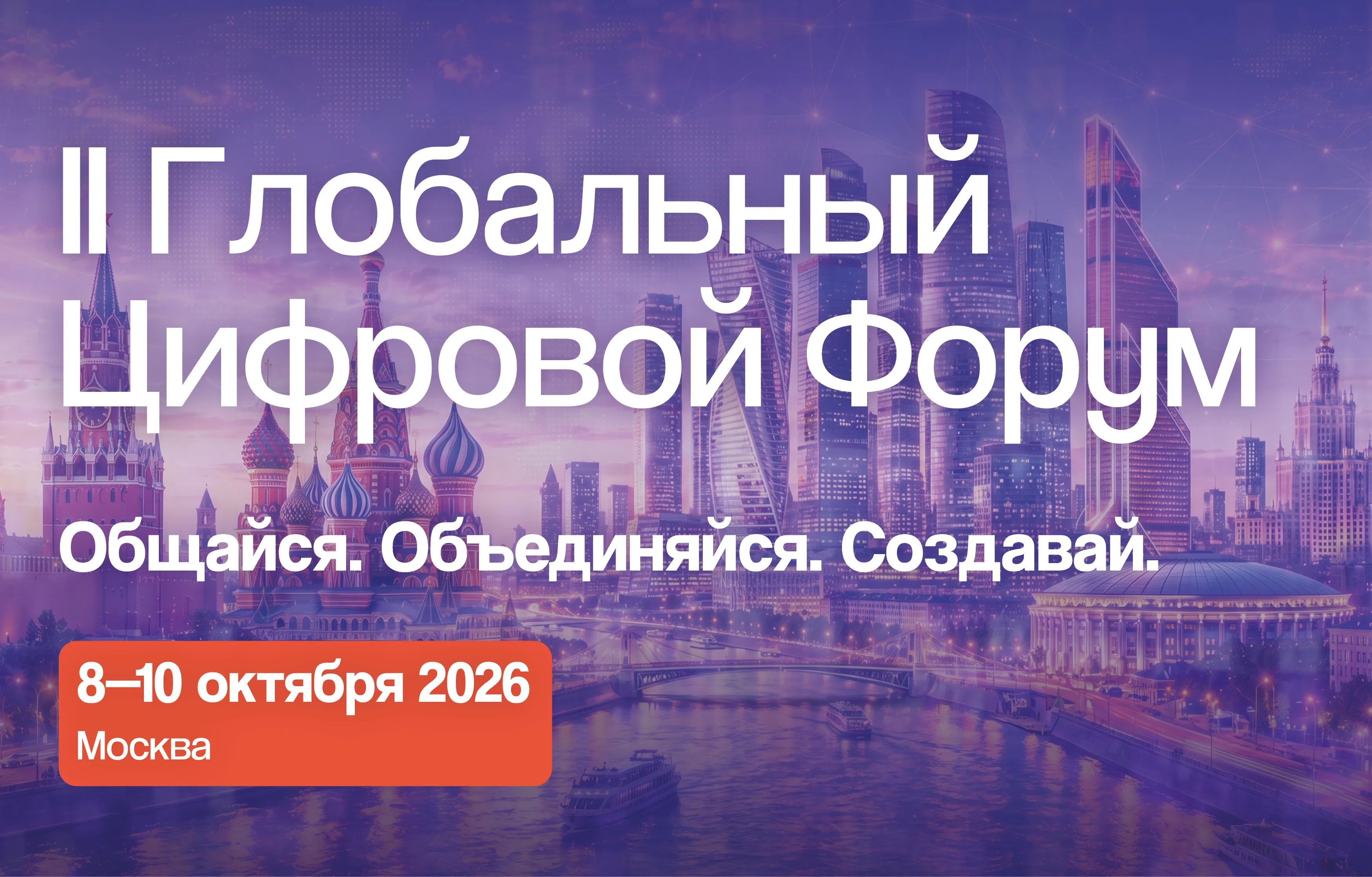
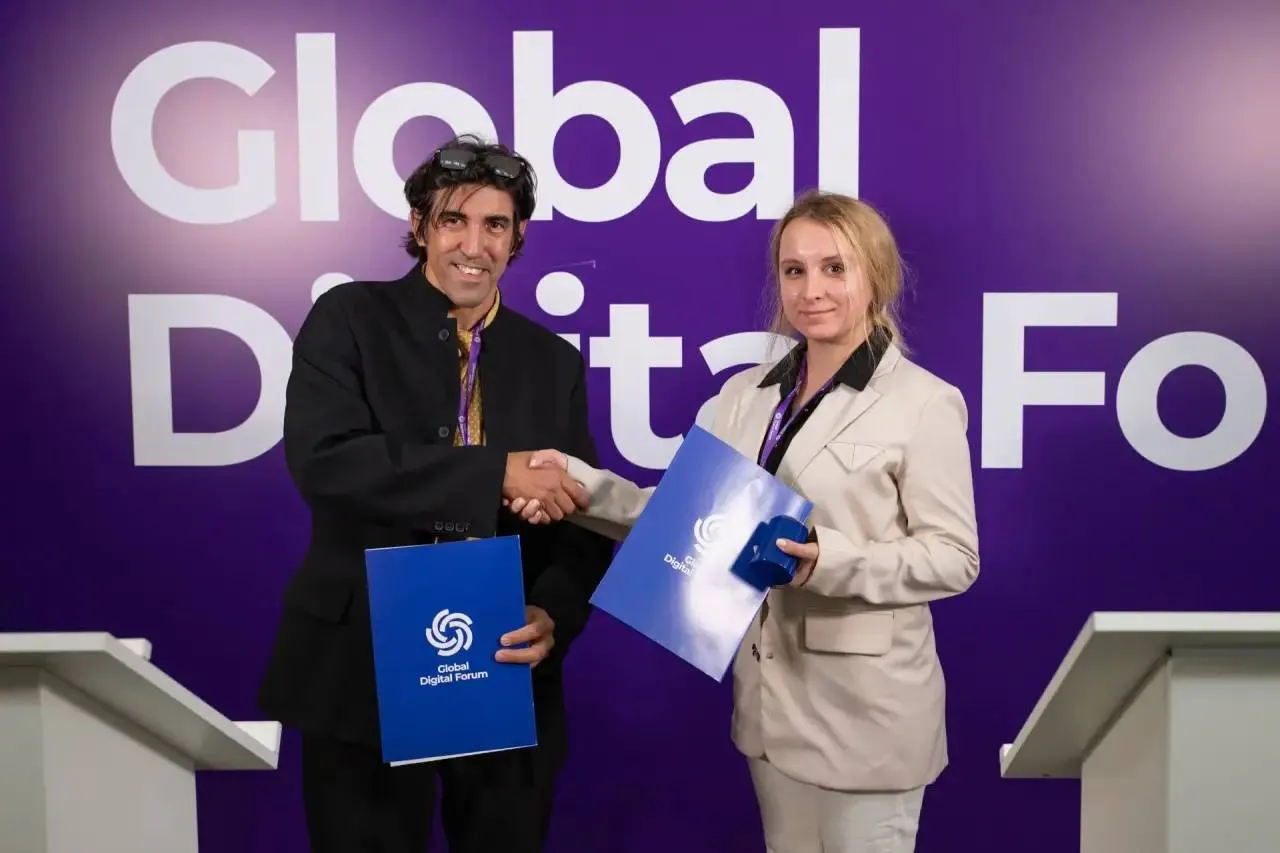
The forum will bring together politicians, business leaders and members of the scientific community from different regions of the world to exchange experience in digital transformation, discuss the development of technological infrastructure, and explore new forms of partnership between Russia and countries of the Global South.
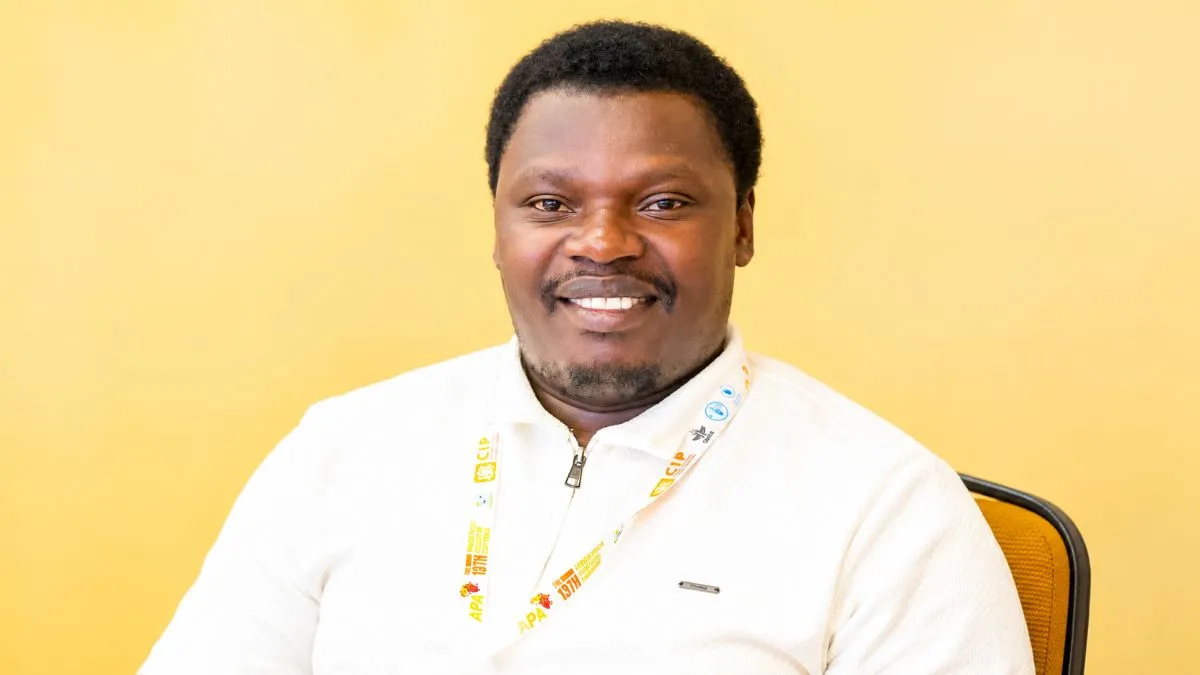
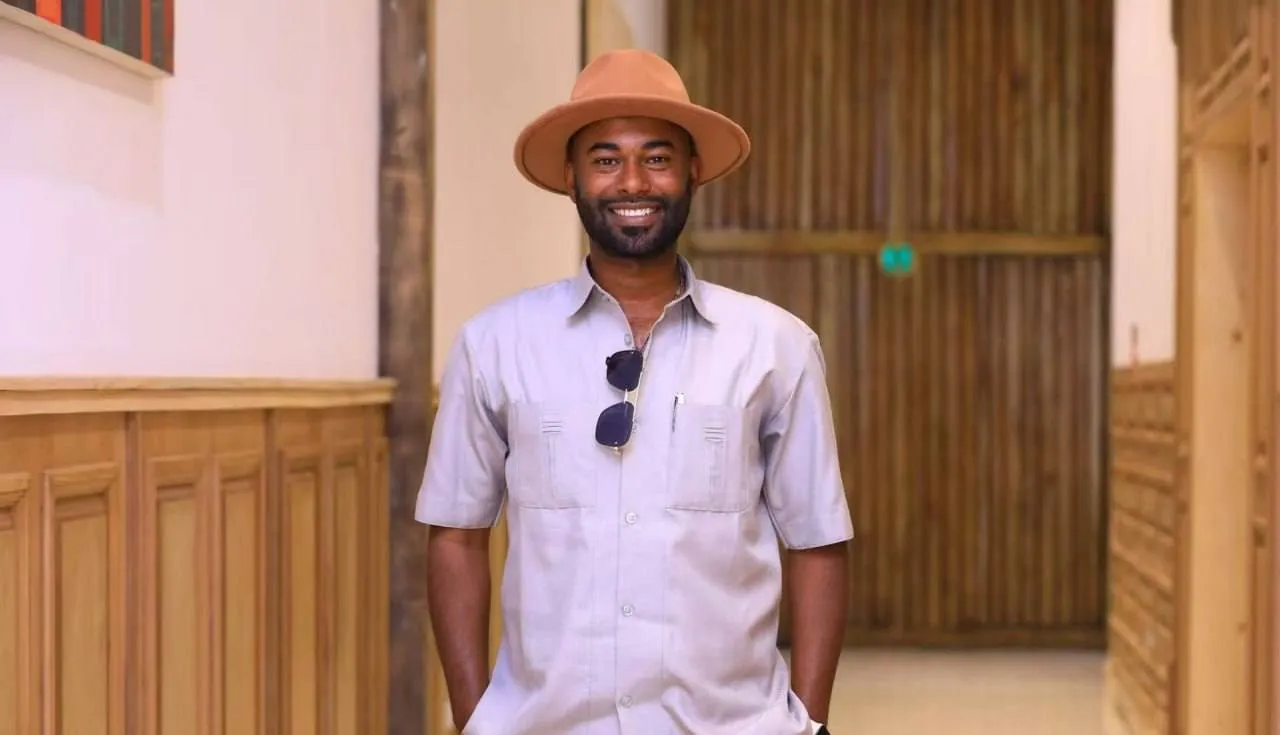
Ahead of the forum, Balcha Teshome Hailu, a journalist, editor-in-chief of the Oromia Broadcasting Network, a representative of Ethiopian youth within BRICS, and Communications and Advocacy Director at the Ethiopian Youth Council, spoke to IT Russia about the growing digital cooperation between Ethiopia and Russia, the role of BRICS in shaping a fair global information agenda, and his expectations for his visit to Moscow.
– My upcoming participation in the Second Global Digital Forum in Moscow marks my fourth visit to the Russian Federation, a journey that extends far beyond individual attendance and embodies the deepening institutional, technological, and diplomatic bond between Ethiopia and Russia. Having previously engaged with Russia’s premier youth and digital platforms including the 2024 World Youth Festival, the BRICS Youth Summit in Ulyanovsk, and the inaugural Global Digital Forum in Nizhny Novgorod I have witnessed firsthand Russia’s robust progress in digital transformation, advanced ICT infrastructure development, and responsible artificial intelligence innovation. Each prior visit has equipped me with practical insights into Russia’s people-centered digital governance model, sovereign digital ecosystem construction, and inclusive technological development philosophy, laying a solid foundation for my new round of dialogue and cooperation at the Second Global Digital Forum. Beyond conference-centered exchanges, this Moscow visit also presents a rare holistic learning opportunity, allowing me to study world-class urban digital integration, smart city governance, and sustainable infrastructure development that aligns closely with Ethiopia’s long-term modernization roadmap.
As Ethiopia officially joins the BRICS family, this landmark geopolitical and economic integration opens an unprecedented strategic window for bilateral digital and technological synergy. My core expectation for this Moscow Forum visit is to translate the friendly cooperative foundation accumulated from multiple exchanges into tangible, project-based digital partnerships that directly empower the implementation of Ethiopia’s 2025 Digital Transformation Strategy. For developing nations across the Global South, digitalization is no longer a developmental option but an essential pathway to break free from traditional development bottlenecks, bridge the global digital divide, and achieve independent, sustainable modernization. Russia’s mature experience in building national digital infrastructure, popularizing digital public services, and formulating sovereign AI governance frameworks is extremely valuable for Ethiopia’s ongoing digital construction, providing replicable and adaptable references for our national digital upgrade.
A pivotal component of Ethiopia’s national digital transformation agenda lies in advancing a secure, inclusive, and scalable digital payment system, a critical pillar for financial inclusion, economic formalization, and e-service nationwide accessibility. Ethiopia has accelerated efforts to digitize domestic financial transactions, expand mobile money coverage for rural and marginalized communities, and standardize secure digital payment protocols to reduce cash dependency and boost economic transparency. However, the nation still faces gaps in cross-border digital payment integration, smart financial regulatory frameworks, and unified digital transaction infrastructure that supports both public services and private sector commerce. Russia’s highly regulated, sovereign digital payment ecosystem, alongside its robust fintech governance and secure online transaction systems, offers actionable benchmarks for Ethiopia to refine its domestic digital payment architecture, strengthen financial technology security, and build an interconnected national payment network compatible with BRICS digital financial cooperation mechanisms.
Ethiopia is currently standing at a critical stage of technological leapfrogging with ambitious and forward-looking AI development layouts. We have officially established a national Artificial Intelligence Institute dedicated to cultivating local technological talents, researching localized AI application scenarios, and promoting the landing of intelligent technology in social governance, economic construction, and media communication. More importantly, Ethiopia is poised to launch Africa’s first specialized Artificial Intelligence University, a milestone initiative that will fill the continent’s gap in high-end AI talent training and original technological research. In this critical exploration stage, Russia’s mature technological accumulation, complete industrial chain layout, and systematic talent cultivation experience in the AI field are irreplaceable strategic resources for Ethiopia. I sincerely hope to conduct in-depth exchanges with Russian technological experts, university scholars, and industry practitioners during the forum, learning advanced experience in AI discipline construction, industrial technology iteration, and ethical governance system building, so as to support the high-standard operation of Ethiopia’s AI Institute and the upcoming AI University.
Beyond technological and industrial cooperation, my participation in the Second Global Digital Forum carries a more profound mission rooted in South-South solidarity and global narrative reshaping. The current global digital public opinion landscape has long been dominated by biased Global North narratives, which frequently weaponize misinformation, fake news, and one-sided discourse frameworks to stereotype, misinterpret, and marginalize Global South countries. Developing nations have long faced the dilemma of “being defined by others” in global digital communication: our development achievements, independent exploration, and genuine national voices are often obscured by Western hegemonic discourse, while false information and distorted narratives hinder our international cooperation and global image building.
Guided by the official conference motto Together We Shape the Global Digital Agenda, the Second Global Digital Forum embodies a collective, inclusive vision that rejects unilateral tech dominance and advocates multilateral participation in designing the future of global digital governance. This powerful slogan encapsulates the core spirit of the summit: digital progress is not determined by a handful of powerful nations alone, but co-created through dialogue, partnership, and mutual collaboration between developed and developing economies. As a rising voice from Africa and a new BRICS member state, Ethiopia stands ready to actively contribute its unique perspectives on equitable digital policies, inclusive tech access, and South-South digital solidarity. By engaging with global stakeholders under this unifying motto, we move beyond passive adaptation to global digital rules and take proactive steps to jointly craft a more balanced, fair, and human-centered global digital agenda that serves all nations and all communities.
The Global Digital Forum, adhering to the core concepts of communication, connection, and creation, builds an open, inclusive, and equal multilateral dialogue platform for global digital stakeholders, especially providing a rare voice channel for Global South countries. This is exactly where its core value lies in balancing global digital discourse power. I firmly believe that digitalization is not just a technological revolution but also a narrative revolution for the Global South. My visit to the Moscow Forum aims to actively participate in South-South digital cooperation, unite developing country representatives in jointly constructing an independent, authentic, and positive South-South narrative system covering politics, economy, society, and diplomacy. We will rely on digital media and intelligent communication technologies to break the monopoly of Western discourse, eliminate the interference of false information, and spread the real development stories, independent voices, and cooperative visions of Global South countries to the world.
As a new member of BRICS, Ethiopia will fully leverage the BRICS multilateral cooperation framework to further deepen integrated cooperation between Ethiopian and Russian government departments, industry institutions, professional talents, and media organizations. BRICS, as a core platform for emerging market countries and developing nations to safeguard multilateralism and promote equitable global development, has always adhered to the concept of inclusive digital development and opposed exclusive technological hegemony and discourse manipulation. Relying on the BRICS cooperative mechanism, we will promote normalized docking between Ethiopian digital enterprises, AI research institutions, and Russian high-quality industrial resources, carry out joint technological research and development, talent exchange training, and digital media cooperation, and realize complementary advantages and mutual benefit.
This high-level multilateral forum gathers diverse global stakeholders spanning tech entrepreneurs, digital policymakers, academic researchers, industrial innovators, and international development practitioners, creating an unparalleled global networking platform for cross-border experience sharing, cultural exchange, and long-term partnership building. Interacting with professionals from different continents and emerging economies will allow me to exchange grassroots digital transformation practices, compare inclusive tech development models, and absorb diversified innovative ideas that transcend single-nation development frameworks. Such cross-cultural and cross-industry communication fosters mutual understanding between Global South nations and strengthens collective solidarity in advancing equitable, people-centered digital globalization.
In the field of digital journalism that I am deeply engaged in, I also hold clear expectations for this forum cooperation. Under the wave of AI digitalization, global media communication is undergoing profound changes in content creation, dissemination paths, and audience interaction. Responsible AI application in journalism can enhance the efficiency and depth of news communication, while standardized digital media governance can effectively curb the spread of online misinformation and disinformation. During my stay in Moscow, I will conduct comprehensive journalistic coverage of all forum sessions, cutting-edge digital technologies, innovative transformation models, and emerging technological platforms showcased at the event. I will document breakthrough new tech applications, sovereign digital governance practices, and cross-border digital cooperation mechanisms, then disseminate these authoritative insights through my media house and all mainstream Ethiopian media outlets to reach Ethiopia’s largest national audience, bringing first-hand global digital development knowledge back to domestic practitioners, policymakers, and the general public.
Through systematic news reporting, I will bridge the information gap between Ethiopia and global digital development frontiers, popularize advanced digital transformation concepts, and inspire domestic innovation in digital industries, public services, and media communication. My journalistic work will focus on every dimension of modern digital progress from AI industrialization and smart infrastructure construction to digital public service upgrading, fintech innovation, and cross-nation digital partnership mechanisms ensuring Ethiopian stakeholders gain a comprehensive, real-time understanding of global digital development trends and replicable best practices. Through Sino-Russian-African digital media cooperation, we will amplify South-South cooperative voices, consolidate the discourse foundation of Global South solidarity, and let digital technology become a powerful tool for spreading truth, eliminating prejudice, and enhancing mutual trust.
Personally and on behalf of my organization, I am fully prepared to promote all-round pragmatic cooperation during this forum. Based on the friendly cooperation foundation established in my three previous visits to Russia, I will actively connect with Russian government officials, industry professionals, and institutional representatives to build stable long-term links with leading Russian technology enterprises, fintech companies, AI industrial firms, and smart solution providers. These enterprise-level connections will create sustainable channels for future technical collaboration, industrial investment docking, joint innovation projects, and talent exchange programs between Ethiopia and Russia, directly supporting Ethiopia’s industrial digital upgrading and tech self-reliance development.
I also hold a strong willingness to visit Technopolis Moscow Economic Zone during my stay, a flagship innovation industrial park that integrates high-tech research, industrial incubation, technological transformation, and enterprise cluster development. As Ethiopia vigorously advances industrial park construction, tech industrialization, and innovation ecosystem cultivation to realize technological leapfrogging, the advanced operational models, industrial incubation mechanisms, tech enterprise support policies, and industry-university-research integration experiences of Technopolis Moscow will provide invaluable practical lessons. Studying its mature innovation ecosystem will help Ethiopia optimize our domestic tech park operation, support local startup growth, and build a systematic industrial innovation system aligned with international standards.
Not limited to conference exchanges, this visit enables me to learn from Moscow’s world-class urban construction and sustainable development experience, as Moscow is globally ranked as the third-best capital city in the world, renowned for its integrated modern infrastructure, meticulous urban planning, and exemplary integration of green ecology and smart urban development. Moscow features a highly efficient interconnected transportation network, intelligent urban management systems, and perfectly balanced layout of modern commercial zones, residential areas, and ecological spaces, setting a benchmark for large-scale developing city modernization. Studying its urban infrastructure upgrading mechanisms will offer critical references for Ethiopia’s ongoing urban modernization and smart city construction plans.
What distinguishes Moscow’s urban development most prominently is its advanced integration of urban construction and green ecological development, earning it the reputation of a “forest capital”. The city maintains a strict green space protection policy, with dense urban park networks, sprawling urban forests, and standardized ecological restoration systems covering nearly half of its urban territory, achieving a perfect harmony between high-intensity modern urban development and sustainable ecological preservation. This people-centric green development model, which prioritizes ecological welfare in urban digital and infrastructure upgrading, provides profound enlightenment for Ethiopia to integrate green development concepts into our national digital transformation, urban construction, and public service optimization strategies.
Furthermore, Ethiopia is accelerating the comprehensive advancement of national electronic government services, aiming to digitize administrative procedures, public welfare services, and government social governance to improve administrative efficiency, reduce public service costs, and enhance people’s sense of gain. Moscow’s mature e-government system, which realizes full-process online handling of government services, intelligent public resource allocation, and transparent digital governance, contains highly worthy and adaptable development lessons for Ethiopia. Learning from Moscow’s standardized e-service construction standards, digital government operational mechanisms, and public service digital popularization models will greatly accelerate Ethiopia’s e-government upgrading process and help us build a more efficient, transparent, and inclusive digital public service system.
In summary, my upcoming participation in the Second Global Digital Forum is a practice of technological learning, institutional docking, urban development enlightenment, enterprise resource linkage, cultural exchange, and narrative empowerment. I look forward to working with all Russian partners and Global South representatives to jointly uphold the inclusive, equitable, and open concept of global digital development rely on BRICS cooperative advantages and South-South solidarity strength, promote technological mutual assistance, economic integration, and diplomatic resonance between Ethiopia and Russia. This visit will empower the high-quality implementation of Ethiopia’s 2025 Digital Strategy, digital payment system optimization, e-government upgrading, green smart city construction, and African AI development, ultimately contributing African wisdom and African strength to building a fairer, inclusive, and truthful global digital future free from false narratives and technological hegemony.
“ዓለም አቀፍ የዲጂታል አጀንዳን አብረን እንቀርጻለን”
“Together We Shape the Global Digital Agenda”
“Вместе мы формируем глобальную цифровую повестку”