Digital Twin of Aist-2T Microsatellite Helps Build More Reliable Spacecraft
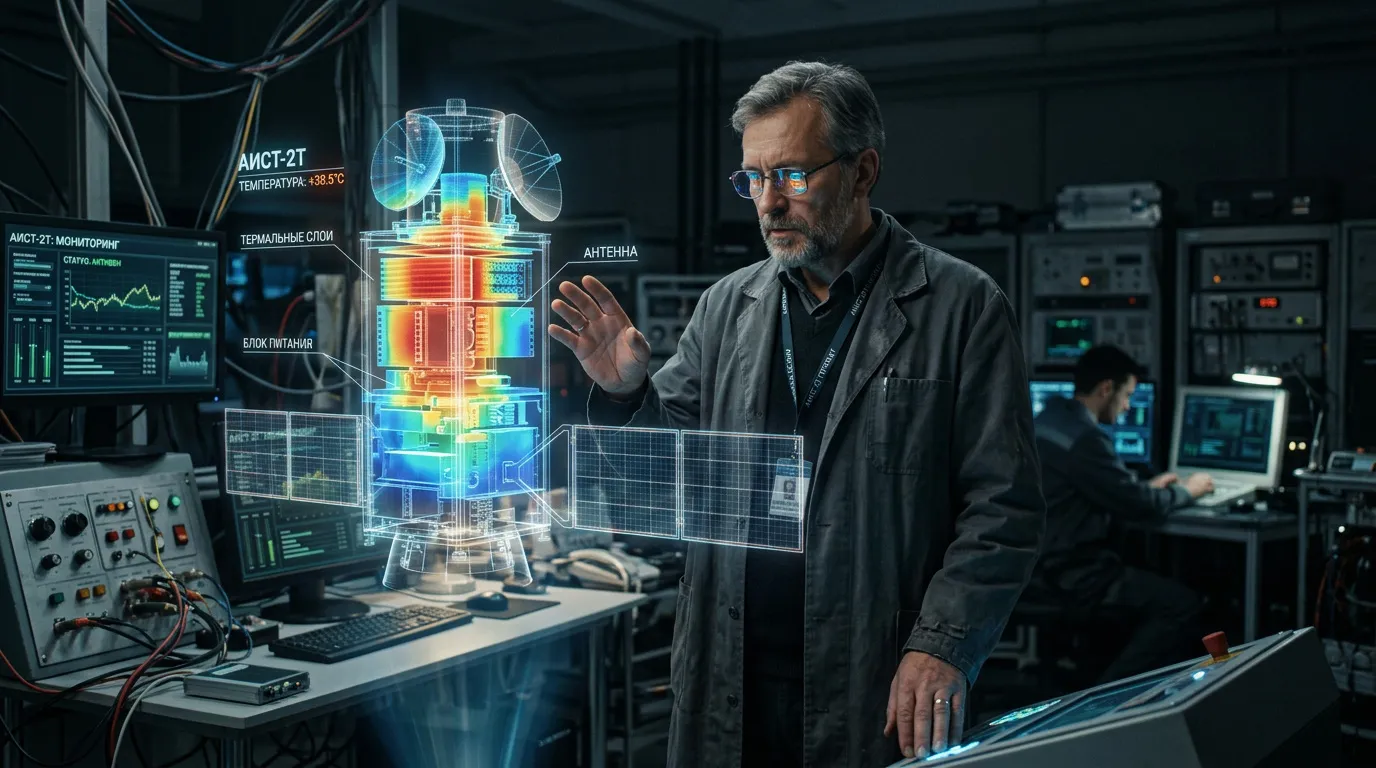
Researchers at Samara State Technical University, working under contract for Progress Rocket and Space Centre JSC, have developed and verified a comprehensive digital model of the Aist-2T small satellite.
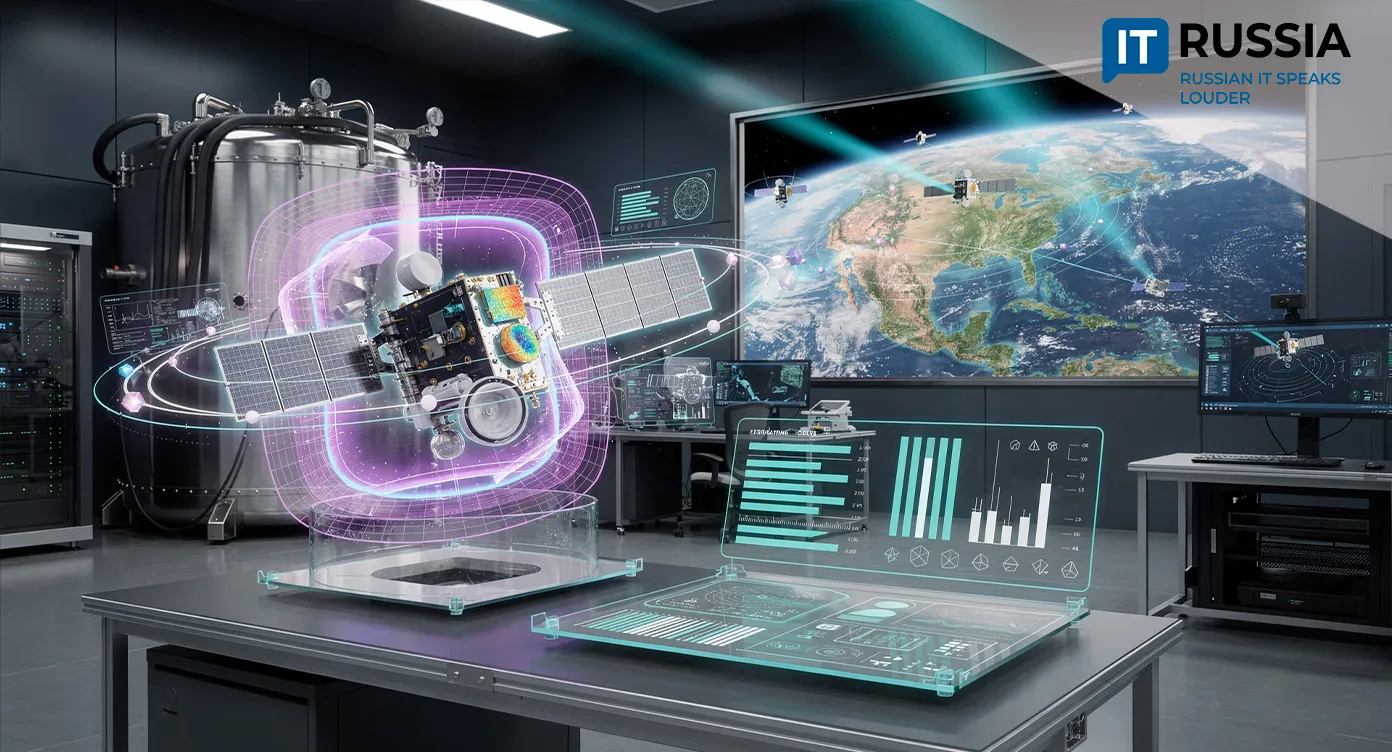
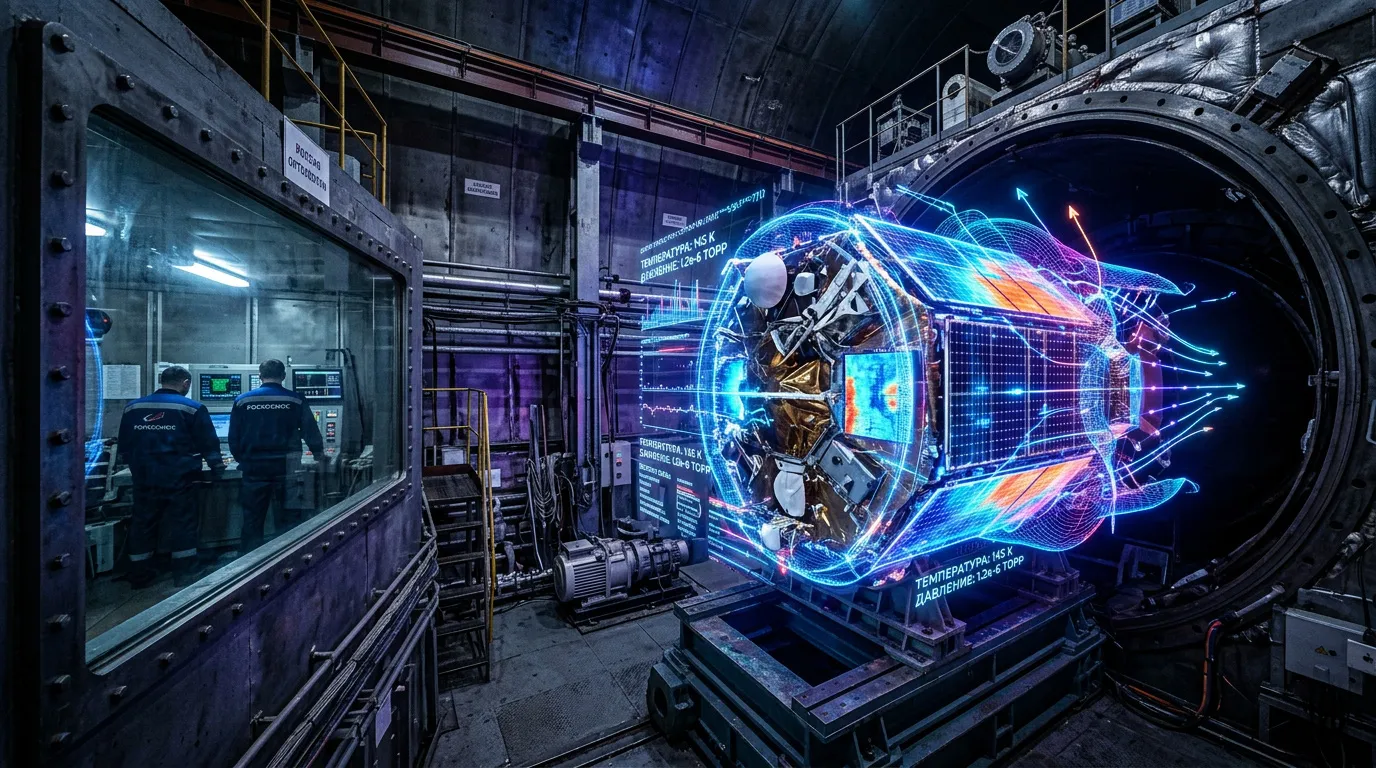
The work was carried out at the Center for Integrated Multidisciplinary Modeling of Complex Systems within the university’s Department of Mechanics. According to department head Yakov Klebanov, the model’s simulation results demonstrated exceptionally high accuracy. Key thermal parameters predicted by the digital twin closely matched data obtained during full-scale thermal vacuum tests conducted at the aerospace company’s facilities. This is more than an academic achievement. It is a practical engineering tool that can significantly reduce reliance on expensive and time-consuming physical testing, identify risks before hardware is built, and accelerate the development of dependable space systems.
Technology Sovereignty and Benefits for Citizens
The significance of the project extends well beyond the aerospace sector. For Russia, it represents a meaningful contribution to technological sovereignty while reinforcing Samara Region’s position as one of the country’s historic centers of space engineering, home to major aerospace manufacturers and specialized engineering schools.
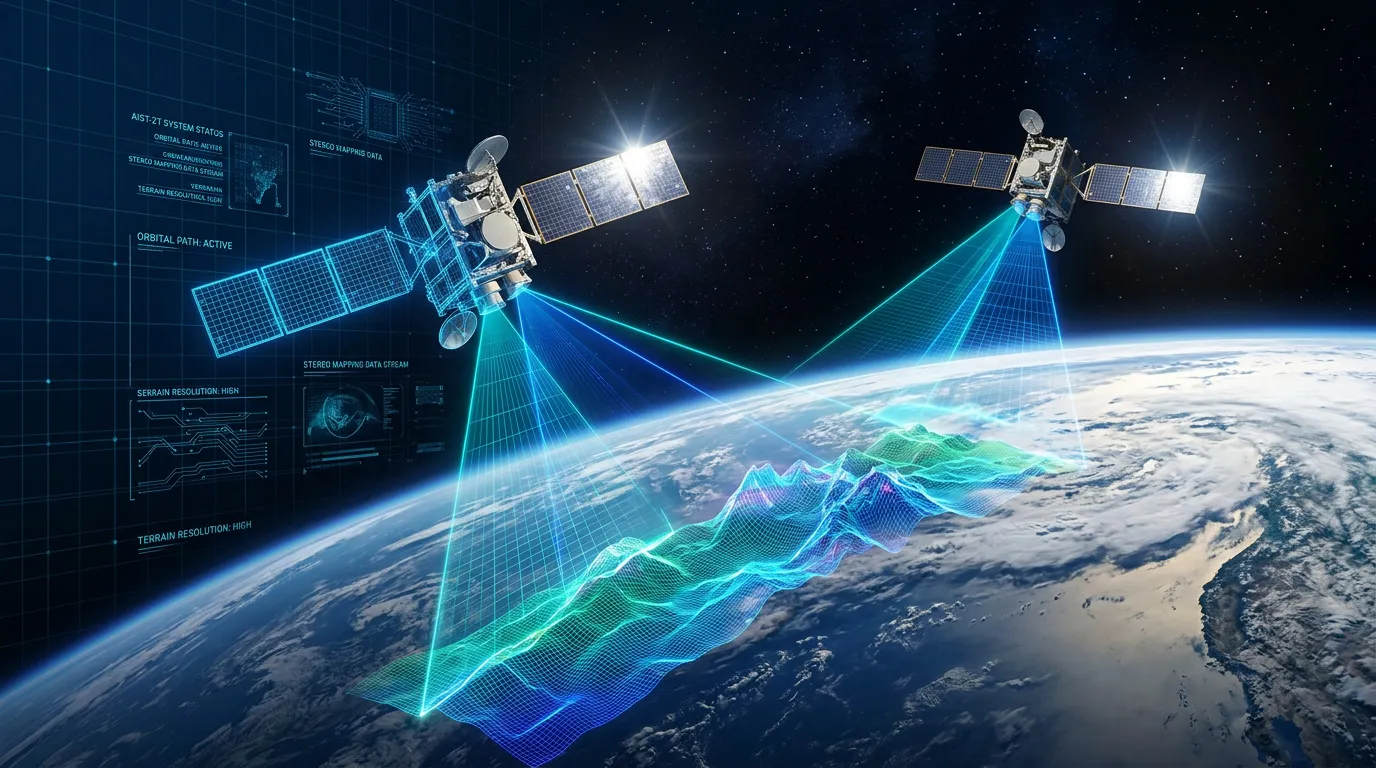
But what does that mean for ordinary citizens? The benefits are indirect yet tangible and are likely to appear through improvements in everyday satellite services. Aist-2T spacecraft are designed for stereoscopic imaging of Earth’s surface, the creation of highly accurate digital terrain models, and rapid monitoring of emergency situations. More precise digital modeling will help future satellites track wildfires, large-scale floods, and volcanic activity more effectively and with greater speed, supporting public safety and enabling faster emergency response.
The Future of Digital Twins
The successful verification effort moves SamSTU’s work from the realm of theoretical calculations into the category of deployable engineering solutions. In the near term, the digital model is expected to become a foundation for designing future generations of small Earth observation satellites. It will help engineers optimize thermal conditions, evaluate design decisions, and support spacecraft throughout their operational life cycle. In practice, this integrated approach not only reduces development costs but also substantially improves the reliability of complex systems, a critical consideration when launching payloads into orbit remains exceptionally expensive.
Furthermore, the project aligns closely with the global shift toward virtual testing and Roscosmos’ strategy of creating comprehensive digital engineering environments. The state corporation is already deploying technologies that project real-time telemetry onto digital models to monitor spacecraft health. In 2026, similar approaches are expected to be extended to even more ambitious programs, including the development of digital twins for a nuclear-powered lunar base.
Exporting Expertise and a Track Record of Success
The history of the Aist project spans several years of steady progress, from the public presentation of prototype models at the MAKS air show in 2021 to the completion of the second phase of the program and active preparations for launches. Today’s result is a logical outcome of that sustained development effort. Notably, the export opportunity lies not in selling a specific satellite design but in transferring highly specialized engineering expertise.
Russian software-based thermal analysis methods and digital verification techniques for complex technical systems could prove valuable for countries that are developing university-led space programs and expanding their small satellite sectors. That trend underscores how digital modeling is becoming an indispensable tool for implementing increasingly sophisticated space missions.
A Symbiosis of Advanced IT and Engineering
Modern spaceflight is built on an inseparable combination of advanced information technologies and high-end engineering. The transition from isolated calculations to fully verified digital twins marks a new stage in the industry’s evolution. Thanks to the work of scientists and engineers, Russian spacecraft are becoming not only more intelligent and predictable during the design phase but also more reliable once they reach orbit, supporting the country’s economy, technological capabilities, and public safety.