

Geoscan Starts Live Streaming From Earth Orbit
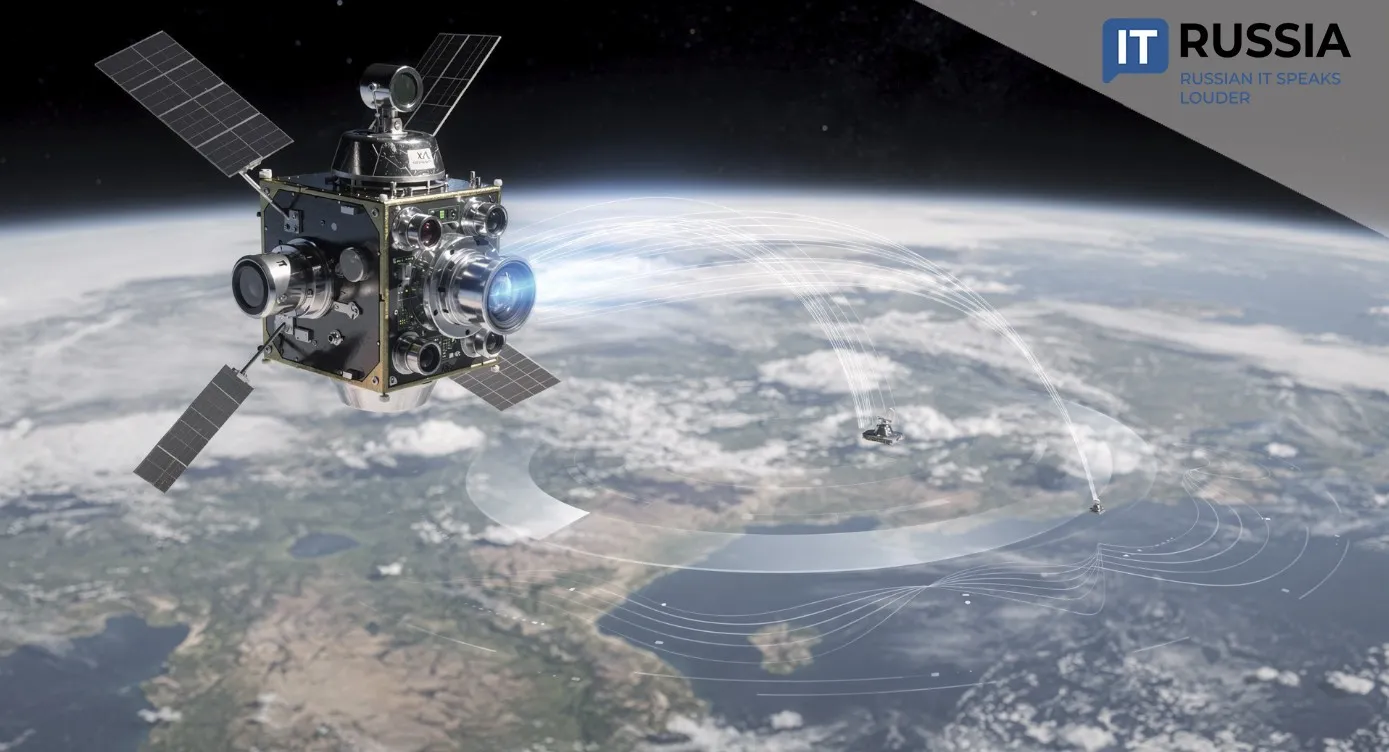
Russian small satellite developer Geoscan has begun broadcasting live video directly from low Earth orbit. The signal is transmitted from ultra-small satellites over a high-speed communications channel, demonstrating how compact platforms are evolving from research tools into real-time data and media infrastructure.
Expanding Satellite Connectivity Capabilities
Russian satellite communications technologies continue to advance. High-resolution video streaming from orbit to Earth is no longer a technical challenge, even for compact spacecraft.
Geoscan recently announced the start of live broadcasts from space. The footage allows viewers to observe Earth in real time. Image quality is sufficient to clearly see the curvature of the horizon and visually appreciate the planet’s rotational movement.
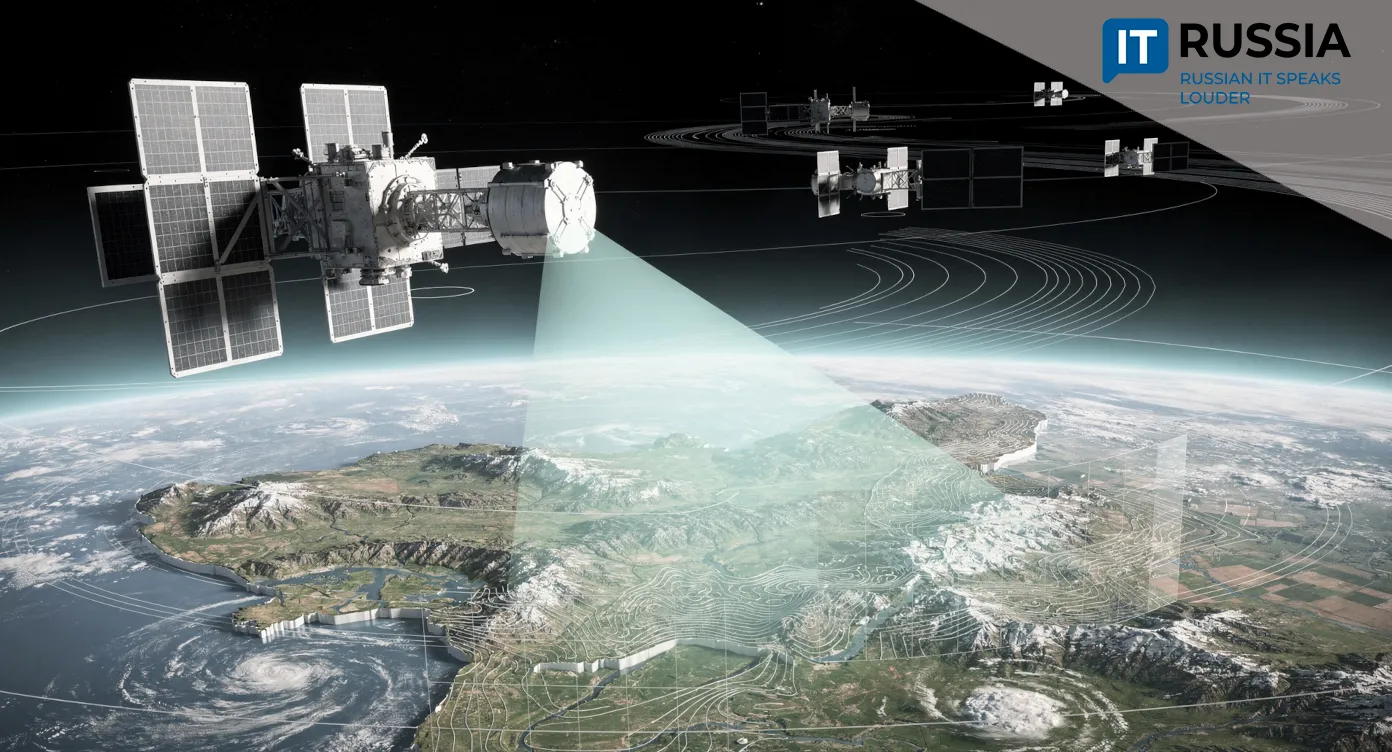
The streams originate from two satellites, InnoSat16 and Lobachevsky. Video transmission begins as the spacecraft pass over Geoscan’s mission control center and receiving station in St. Petersburg. Imagery captured by the Tsiklop camera system is transmitted in real time via the high-speed COMM-X transmitter.
Low-Latency Signal Delivery
As a demonstration, Geoscan released footage from InnoSat16. The video shows northwestern Russia, including the Leningrad region, as well as the Scandinavian Peninsula. The feed switches between a wide-angle Tsiklop camera and an ultra-wide fisheye lens. The video stream reaches ground receiving equipment without delay or intermediate processing.
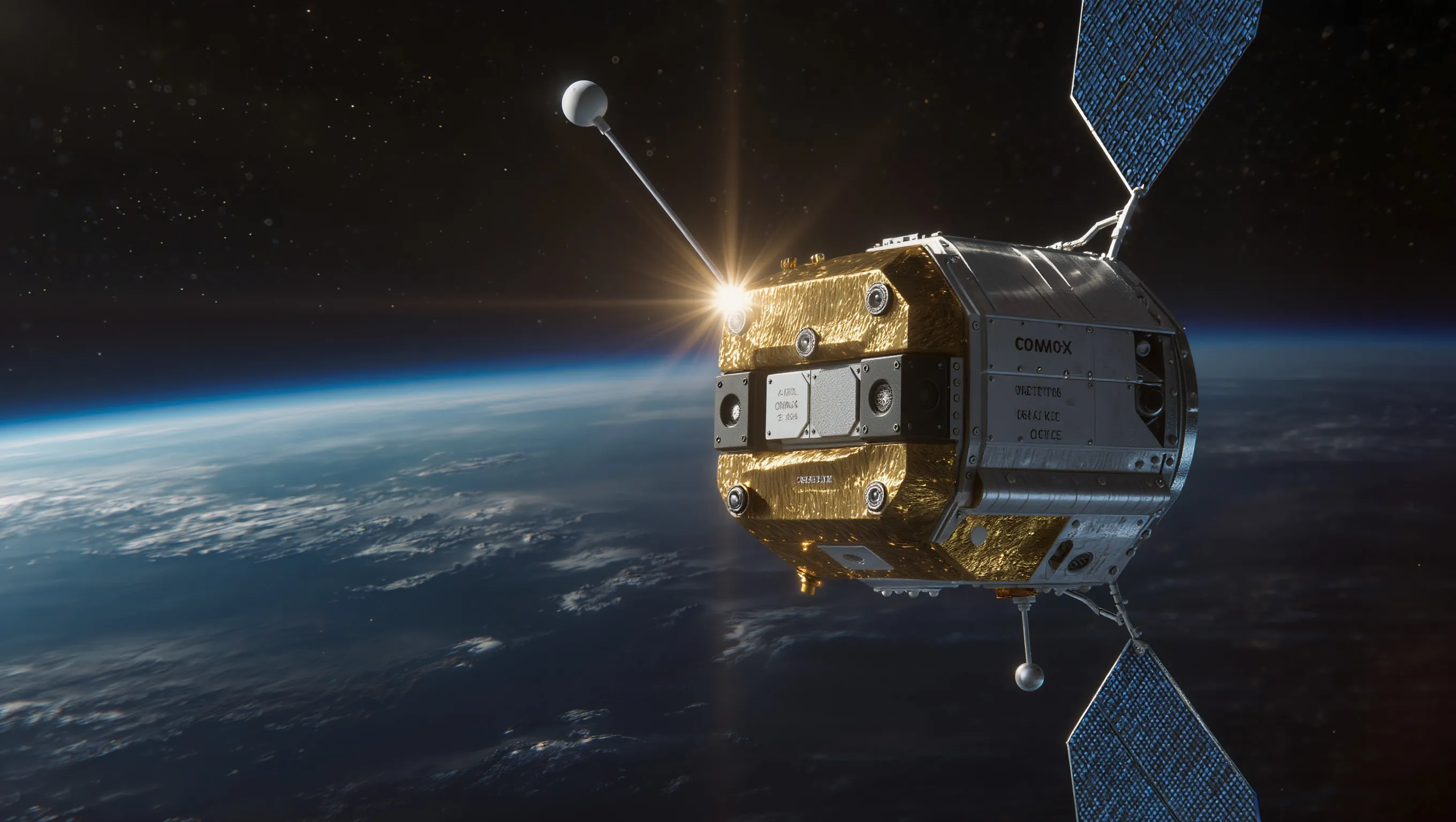
“We not only build space hardware, we also think about the future of space exploration, drawing inspiration from science fiction. In this video, we paid tribute to Stanley Kubrick’s 2001: A Space Odyssey, based on Arthur Clarke’s screenplay. Both in the film’s iconic scene and in our orbital video, Johann Strauss II’s Blue Danube waltz can be heard. In 2025, this melody was also transmitted into space by the European Space Agency,” Geoscan’s press service said.
Such data transmission capabilities open the door to broader use of small satellites for scientific, educational, and visual applications.
Next-Generation CubeSat Platforms
Both satellites are next-generation ultra-small spacecraft built using CubeSat technology. They were launched into orbit only last year.

InnoSat16 is designed to test technologies for a next-generation Earth observation constellation. It carries a panchromatic camera with 2.5-meter ground sampling distance per pixel. The satellite is equipped with a high-precision attitude determination and stabilization system, an efficient power subsystem, and a high-speed X-band radio transmitter.


Beyond Research Applications
The spacecraft named Lobachevsky is also designed for research missions. It supports agroecological studies under the Agroekologiya. Sputnikovyi monitoring sostoyaniya lesnogo fonda i agrokultur (Agroecology. Satellite Monitoring of Forest and Agricultural Conditions) project. The satellite carries a suite of cameras capable of spectral imaging of Earth’s surface. Images are transmitted to Lobachevsky University, where specialists process them using a proprietary hardware-software complex and analyze vegetation conditions across forest and agricultural regions in Russia.
“Lobachevsky is the second Geoscan-developed spacecraft built on our new 16U satellite platform and the first spacecraft of this size for the Space-π project. The satellite has already engaged young engineers and radio enthusiasts in payload development. Now that accessible tools for multispectral and hyperspectral imaging are available in orbit, flight testing will unlock new opportunities for hands-on work with space-derived data,” said Alexander Khokhlov, head of Geoscan’s small satellite projects division.

In practice, live video broadcasts from small satellites represent more than a technical experiment. They serve as a demonstration of platform maturity and performance. The broadcasts highlight that Russian satellite manufacturing remains at a consistently high level and that these spacecraft can support advanced operational tasks. This visibility matters not only domestically but also for international companies interested in compact satellite platforms.