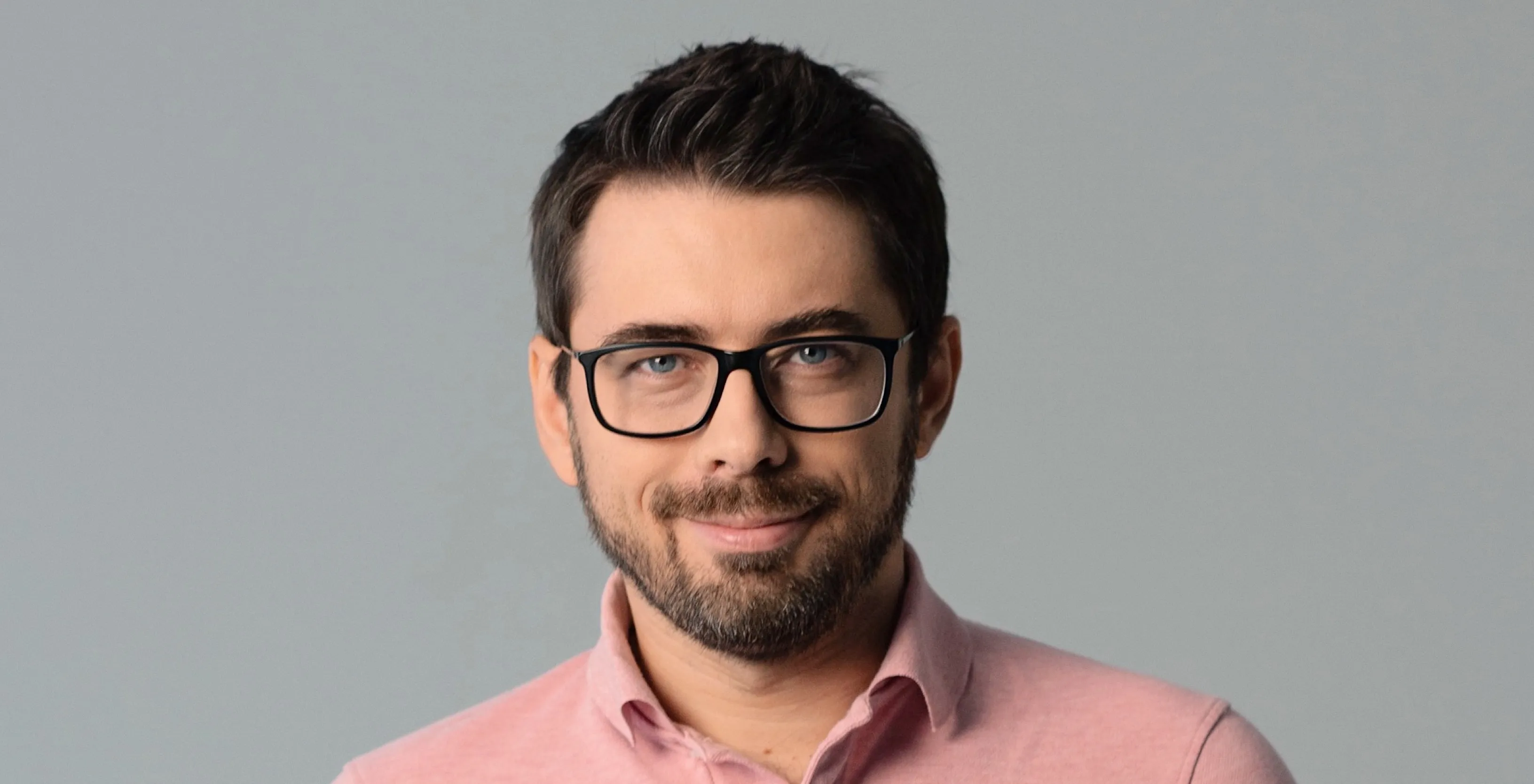
Nikita Glazyev: “It's a Quantum Leap in AgTech”
How Voronezh students deployed “Smart Fog” to protect orchards from frost
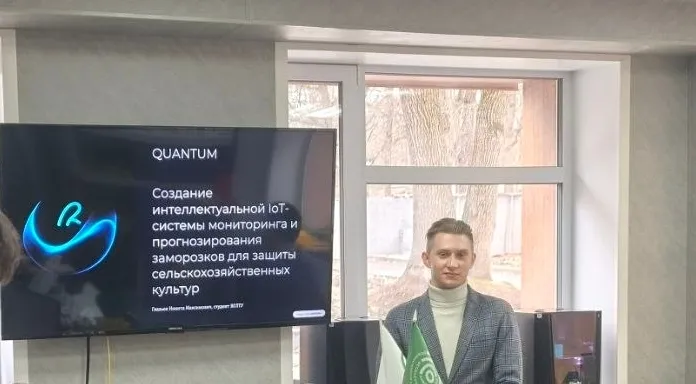
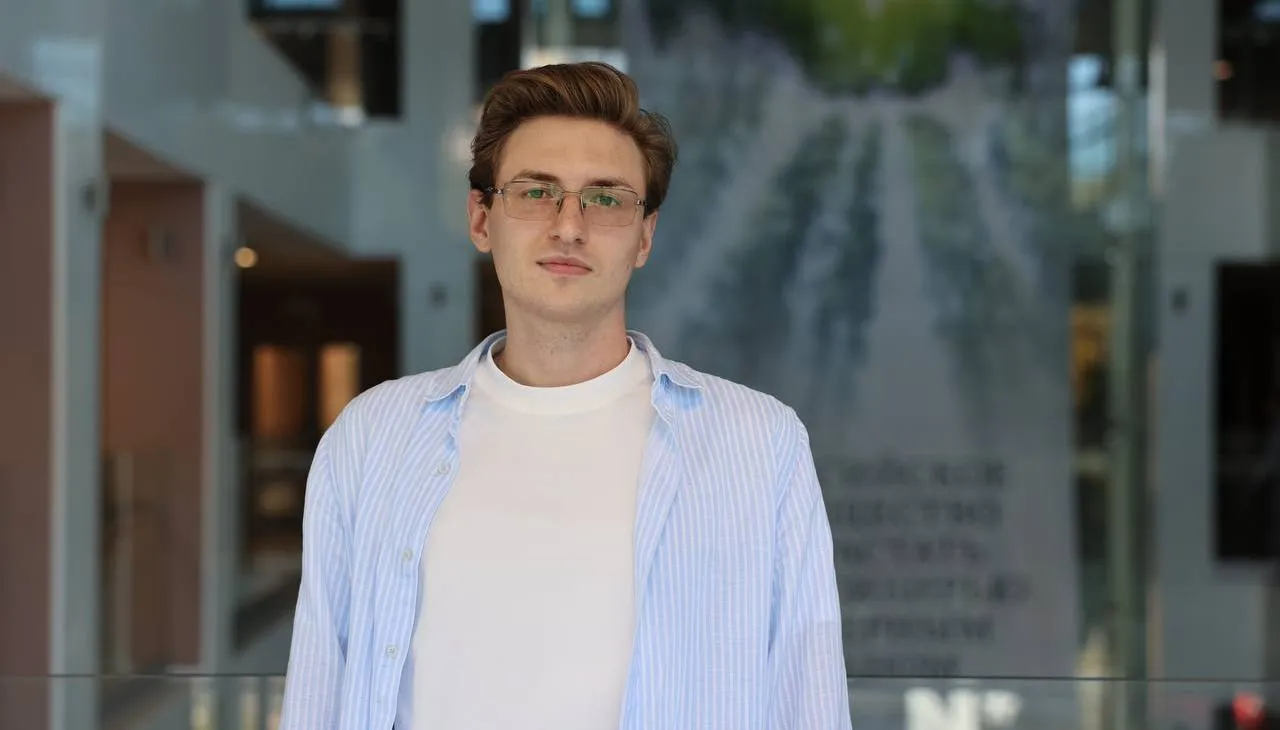
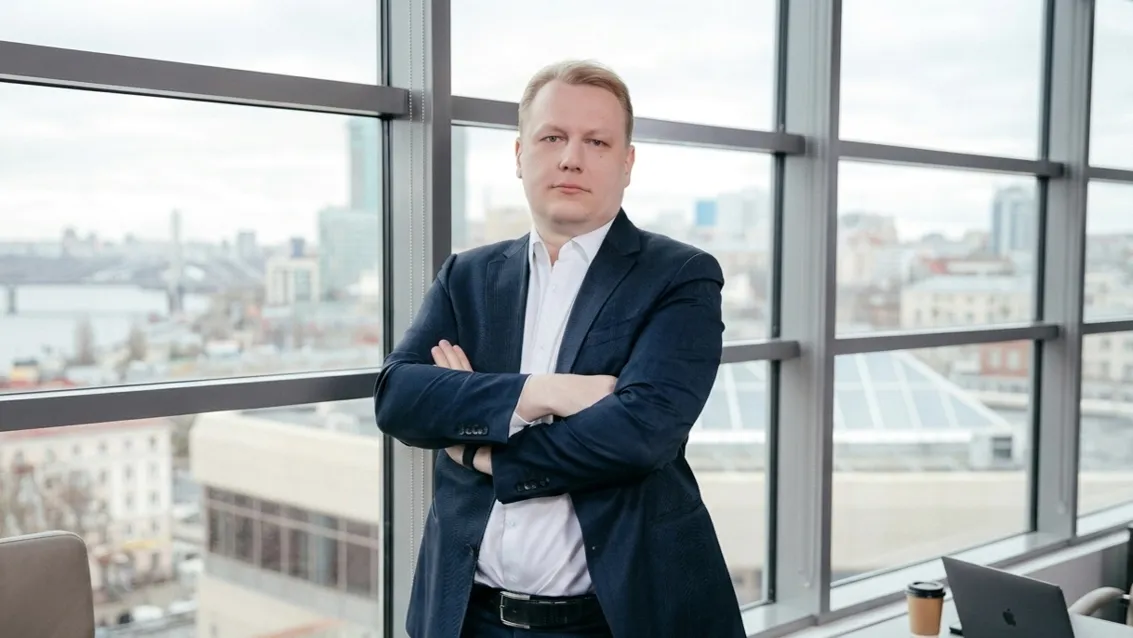
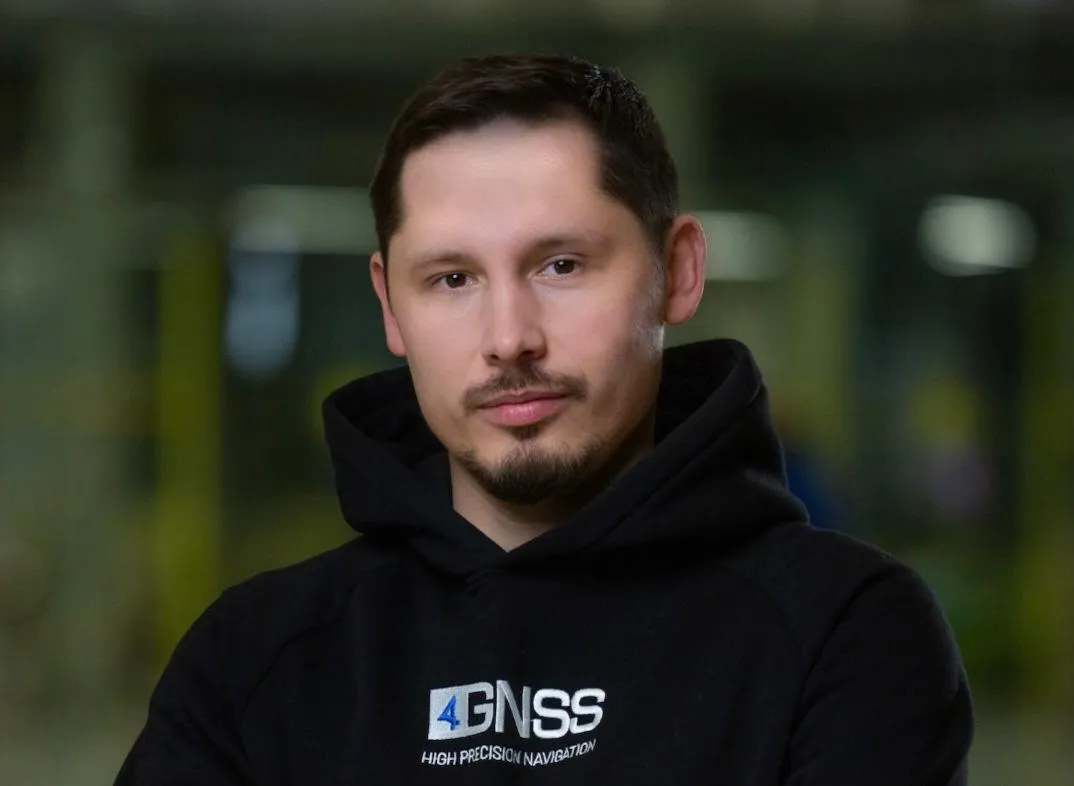
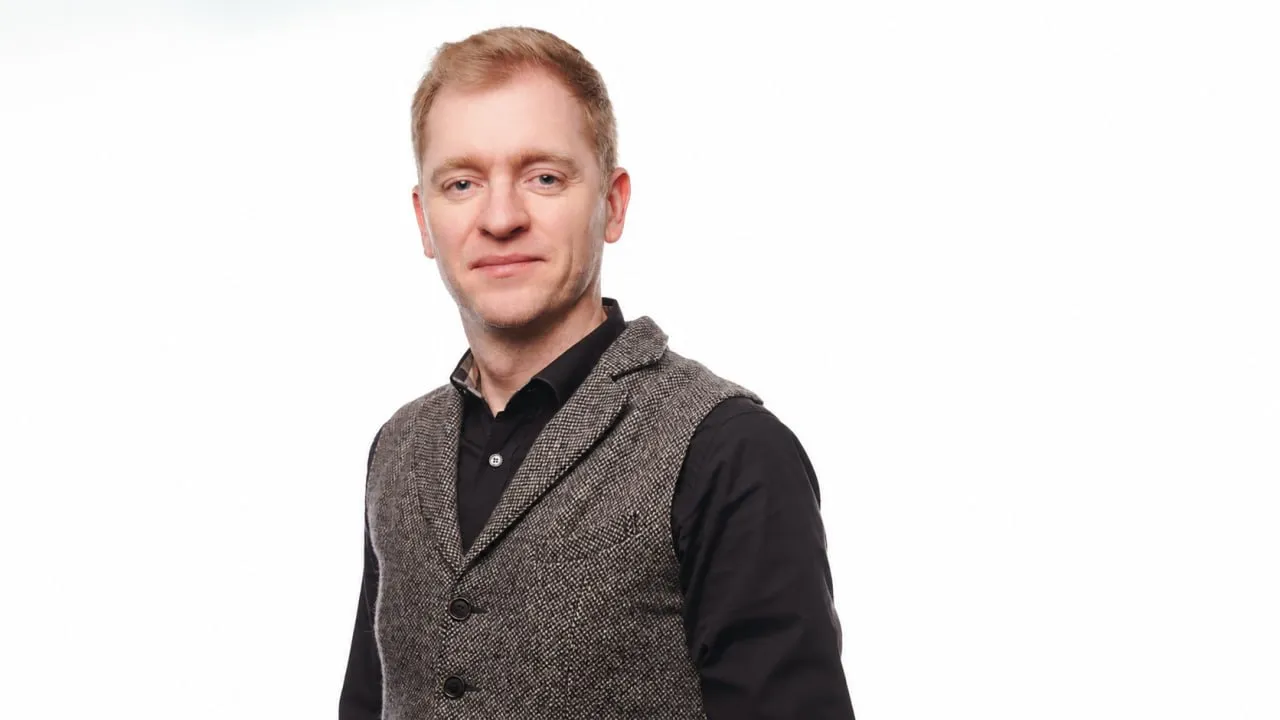
A student at Voronezh State University of Forestry and Technologies named after G.F. Morozov, Nikita Glazyev, together with his team, has developed the QUANTUM TUMAN intelligent platform designed to protect orchards from spring frosts. The idea was triggered by the abnormal cold snap of 2025, when more than 2,600 hectares of fruit trees were lost in the region.
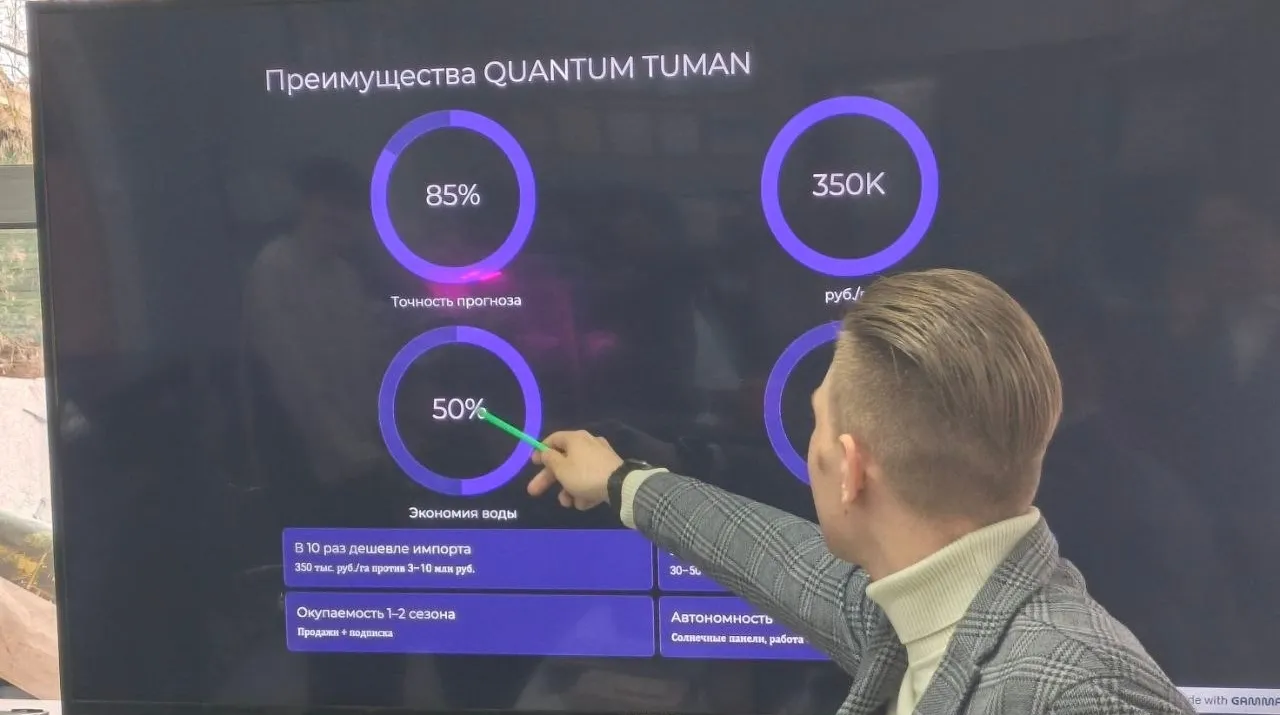
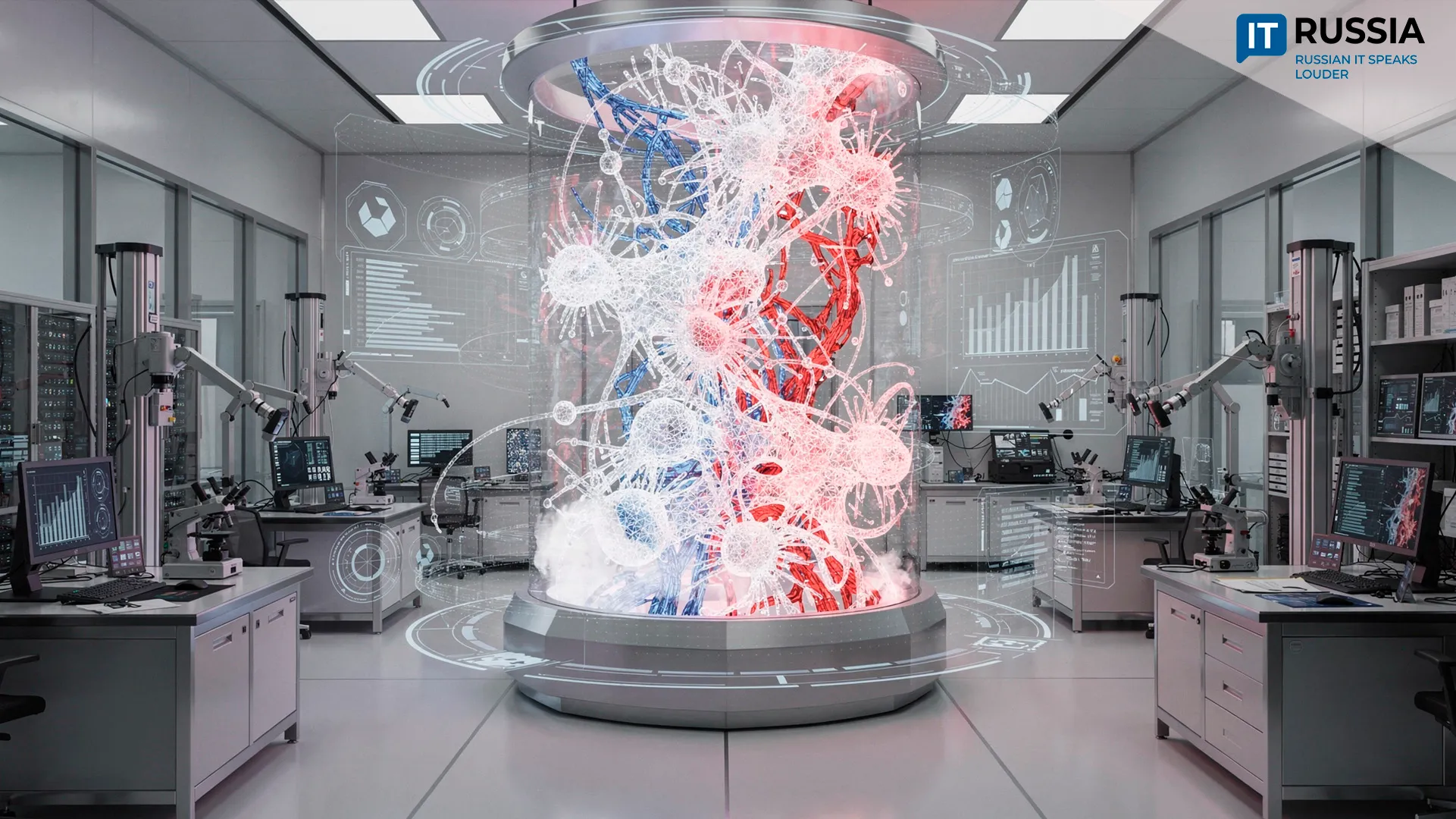
The AI-controlled micro-fog system combines microclimate sensors with a neural network. When a frost risk is detected, the system automatically generates a fine mist that helps retain heat around buds. This controlled micro-fog not only protects crops from frost and heat stress but also reduces water consumption by 70%.
A pilot deployment is scheduled at the university across a 5-hectare site. According to the developers, crop losses could be reduced by 40–80%, with the investment expected to pay off within a couple of years.
– What is the core idea behind your solution?
– It is an intelligent system that predicts frost events or drought, helping farmers protect their crops. We deploy autonomous sensors in the field that measure humidity and temperature. The data is sent to the cloud, where artificial intelligence analyses it and generates a forecast 3–4 hours in advance. The farmer receives an alert via a chatbot on VKontakte or in the MAX messenger. A report is then generated. We also considered implementing this as a blockchain-based registry, which would create a tamper-proof log and allow data to be transmitted directly to insurance companies.
– Does the system incorporate artificial intelligence as such?
– Artificial intelligence is at the core of the system. It analyses soil and air temperature to forecast temperature drops up to two days in advance. When we build the first prototype at the nursery of Voronezh State University of Forestry and Technologies, we will train the algorithms using the datasets already available at the university.
– Which companies are you targeting with this solution?
– Initially, we are focusing on mid-sized farms and agricultural fields that already use fog-based irrigation, but not always efficiently. Our hardware-software system is designed to reduce both water and electricity consumption, as the AI automatically optimizes these processes.
– Has your startup idea emerged in response to the frost events in the Black Earth region? Did it affect you personally?
– This is a very real issue in our region. It is highly relevant – several farms reached out to me after a small industry outlet published a piece about our development. In apple orchards, for instance, growers were left without a crop last year. There was simply nothing to sell due to the spring frosts.
– What does the name QUANTUM TUMAN mean?
– A quantum is the smallest unit of energy, while “tuman” refers to the fog our system generates. Taken together, it can be interpreted as a quantum leap in agtech.
– How does your solution differ from existing products on the market?
– First, our system is significantly more affordable, as it is a fully domestic development. With comparable performance, QUANTUM TUMAN is four to five times cheaper than imported systems.
Second, it creates additional value for insurance companies through the blockchain registry. On top of that, competing solutions do not use artificial intelligence. They do not predict weather risks – they respond only after the fact.
– Can the equipment be used for both frost protection and heat conditions?
– Initially, we focused on frost protection. However, we are working toward an adaptive, universal system that would also help mitigate summer drought conditions.
– What are your plans for developing the project further?
– At the moment, my team and I are actively participating in a range of programmes and grant competitions. Our priority is to secure funding as soon as possible to build the first prototype and begin scaling. I am currently taking part in the Alfa Budushchee (Alfa Future) grant competition. A win would allow us to develop a prototype board at an engineering centre.
Our system is expected to pay for itself within one to two seasons. The business model combines installation with a subscription-based service. We are also planning integration with vineyards in the Voronezh region, in Lozovoye. In the longer term, the technology could help preserve large volumes of vine growth and support the emergence and development of a local wine industry in Voronezh.




![Astra AI [Code] vs. Open Source: Why Deploying an Open Model in a Secure Environment Is Costly and Risky](https://storage.yandexcloud.net/itrussia/uploads/c3b5b6da-1bf7-49cb-817e-0bab1cea8cff.webp)