

Giving Existing Drugs New Uses: Russian Researchers Explore New Therapeutic Applications for Established Medicines
Researchers at Sechenov University are investigating new uses for existing medicines. Three drugs are being studied for potential applications in colorectal surgery, dentistry, and dermatology.

Scientists at the A. P. Nelyubin Institute of Pharmacy at Sechenov University are investigating whether established medicines can be used to treat other conditions. They are testing whether drugs currently prescribed for specific health problems might also help address different ones. This approach is known as drug repurposing.
The team is currently studying three drugs. Its work combines computational modeling, quantum-mechanical and mathematical calculations, and technologies for developing polymer-based drug delivery systems. This approach makes it possible to explore new therapeutic strategies using the knowledge and evidence already accumulated about existing active pharmaceutical ingredients.
From the Heart to Other Organs
One of the drugs under investigation is used in cardiology to regulate heart rhythm. Researchers are now testing the hypothesis that it could also have applications in colorectal surgery, including the treatment of anorectal fissures and wound healing after hemorrhoid removal.
The idea builds on the properties of the protein structures that the active ingredient interacts with. Similar structures are found not only in heart cells but also in other tissues throughout the body. If a molecule can interact with a comparable target in another part of the body, that could provide a basis for further investigation of its therapeutic potential.
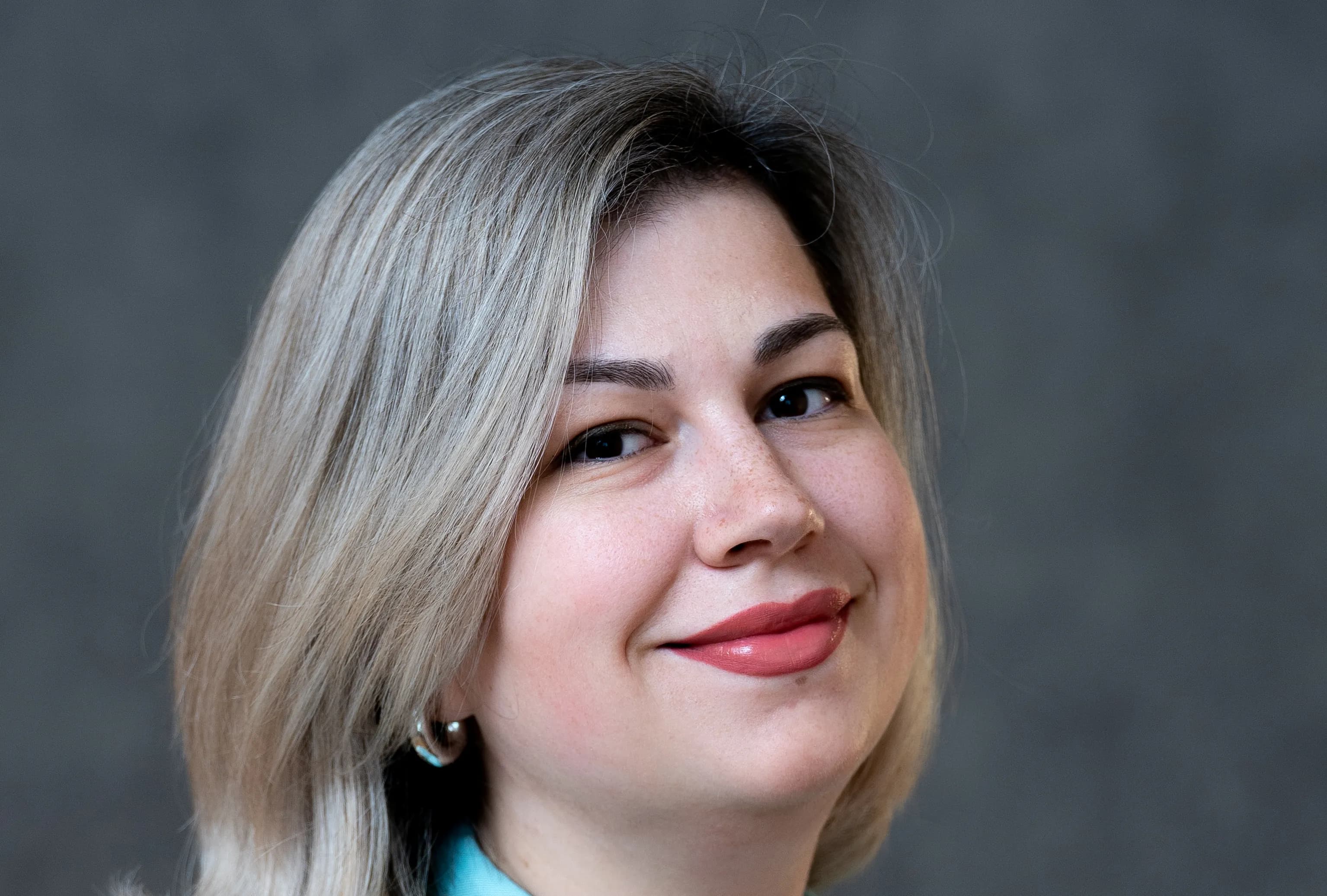
“Essentially, we have two constants: a drug that is already in use, and a target on which it has a proven effect. We are looking for the variables – new tissues or organs where acting on that target could produce a therapeutic benefit,” explains Darya Tkachenko, a research trainee in the Department of Analytical, Physical, and Colloid Chemistry at the Institute of Pharmacy.

Treating Gum Disease and Skin Conditions
A second drug, also used in cardiology, is being investigated as the basis for an antispasmodic treatment for gum disease. The third active ingredient, which is used to treat endocrine disorders, is being studied for its potential application in treating atopic dermatitis.
In all three cases, the researchers need to do more than predict a possible new therapeutic effect. They must determine how effectively each molecule interacts with the intended target, which formulation would work best, and how to deliver the drug to the site where it is needed. Potential options include a tablet, an ointment, or an injectable solution.

Testing the Hypothesis on a Computer
One key stage of the research is molecular docking. This computational modeling technique helps researchers estimate whether a drug molecule can bind to a particular receptor and how stable that interaction is likely to be.
Using specialized software, the researchers input the three-dimensional structures of the molecule and the protein receptor. The algorithm accounts for their geometry, electric fields, ionic interactions, and other parameters. It then calculates likely binding configurations and estimates the energy of the interaction.
This allows the team to identify promising combinations of compounds and targets before moving on to subsequent experimental stages. Computational calculations help narrow the range of hypotheses and make more efficient use of laboratory time and resources.
The researchers also use quantum-mechanical and mathematical calculations to investigate molecular properties and predict how molecules will interact. Similar digital methods are used in pharmaceutical research around the world. According to the researchers, Sechenov University was the first institution in Russia to apply molecular docking specifically to drug repurposing.
The team also compares modeling results with existing data on the drugs, analyzes the compounds’ physical and chemical properties, and assesses their potential bioavailability – their ability to reach the intended site of action in the body. Drug formulation is another focus. The researchers are developing gels and creams that can deliver the active ingredient to the required area.

Potential Benefits for Patients
Drug repurposing offers a way to explore new uses for existing medicines without developing active ingredients from scratch. If their efficacy and safety are confirmed, patients could gain additional treatment options.
The researchers are now preparing all three candidates for clinical trials involving volunteers. One of the drugs is expected to be transferred to Sechenov University’s Clinic of Coloproctology and Minimally Invasive Surgery.