

AI to Pick the Best: Sber and Innopolis Bring Neural Networks Into Education in Tatarstan
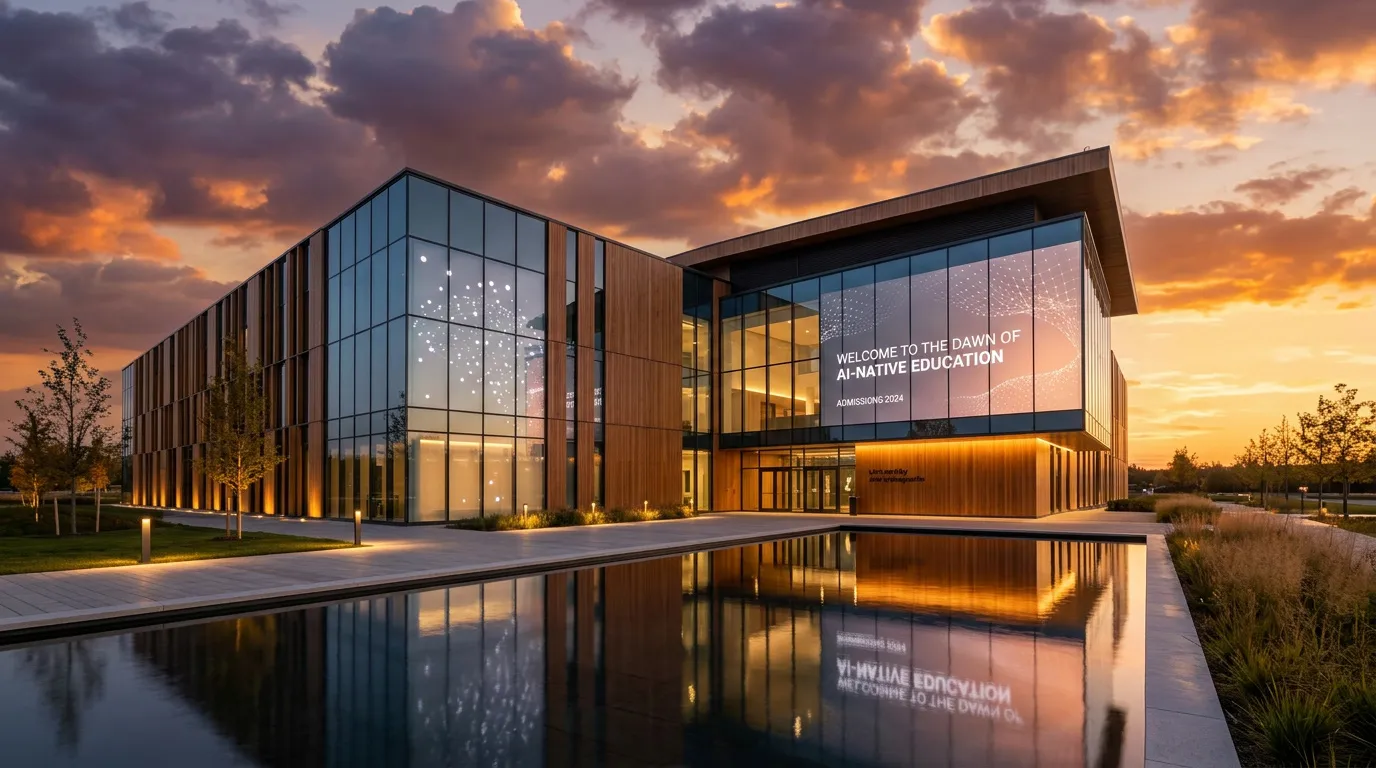
Beginning with the new academic year, first-year students in Tatarstan will study alongside AI tutors, and by 2027 a GigaChat-based bot is expected to advise applicants and help identify the most promising talent.
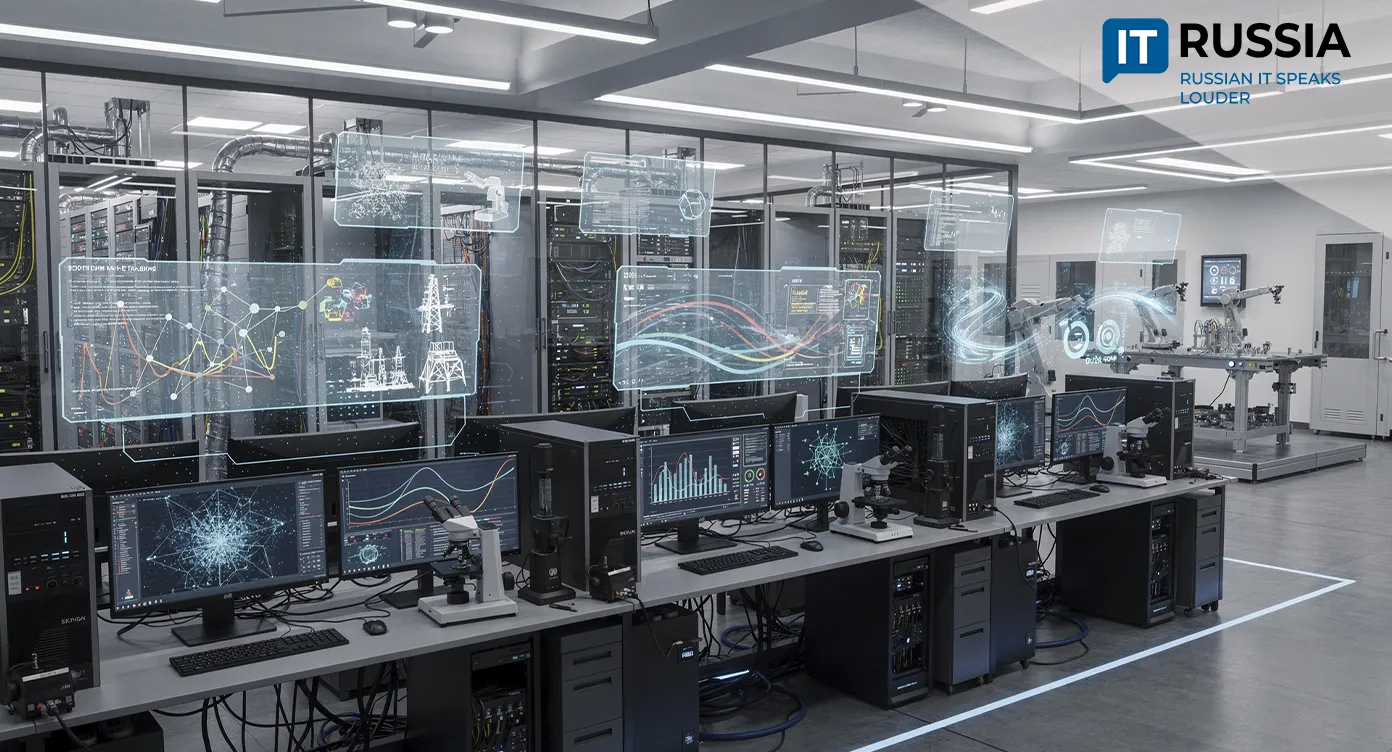
The first participants in the new initiative will be first-year students enrolled in the Information Systems Engineering program. They will receive advanced tools for programming and collaboration, including AI-powered junior research assistants designed to support early-stage work in artificial intelligence. Personal AI tutors will accompany students throughout their studies, while faculty members will use AI tools to help review assignments and keep educational materials aligned with rapidly evolving industry requirements. Innopolis University Rector Alexander Gusevnikov believes students will begin learning in a hybrid educational environment as early as this year.
AI Screens Candidates
An agreement on introducing generative artificial intelligence into higher education, research, and engineering activities across the region was signed by Sber Senior Vice President Andrey Belevtsev, Tatarstan Deputy Prime Minister Roman Shaikhutdinov, and Innopolis University Rector Alexander Gusevnikov.
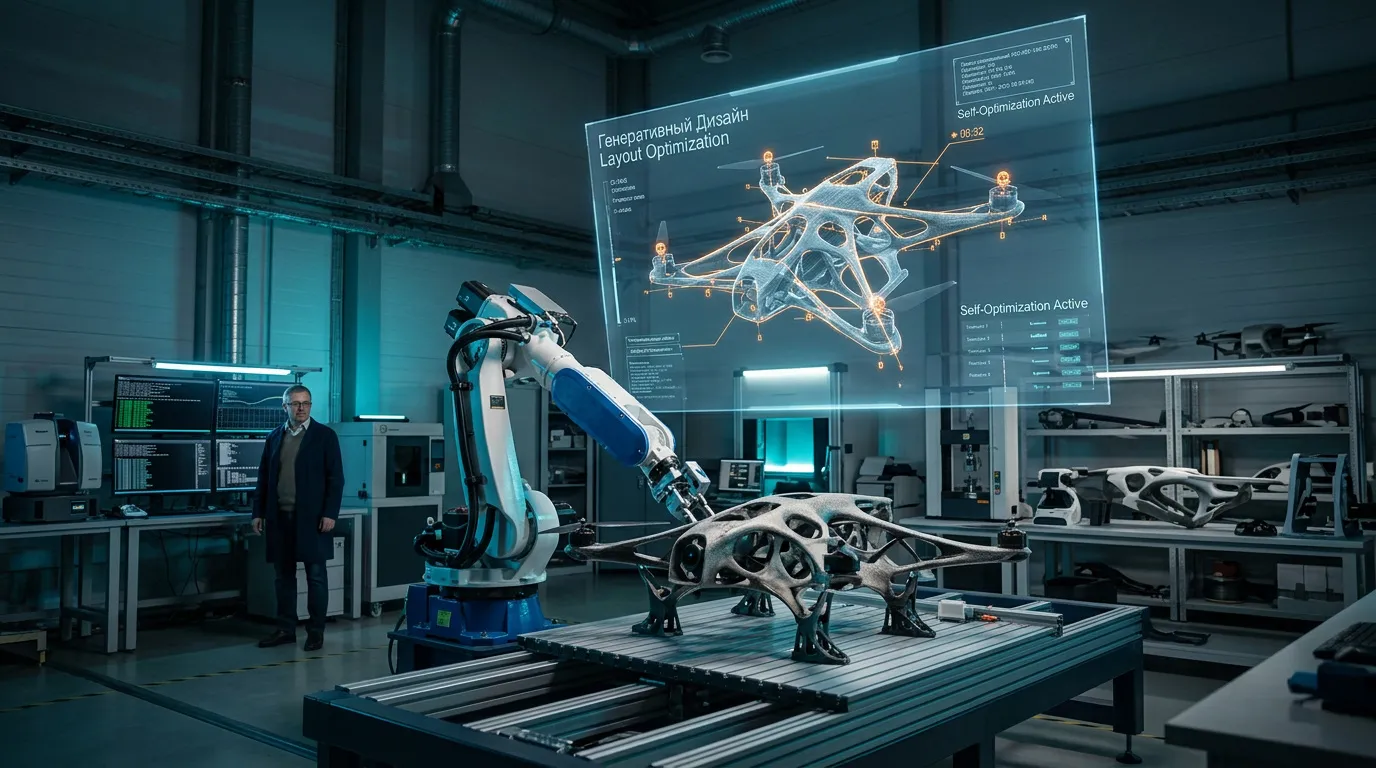
“We are building an educational environment in which AI takes over routine tasks, while the instructor becomes a mentor and guide into the profession,” Roman Shaikhutdinov explains. The longer-term goal is to turn Innopolis into a proving ground that could serve as a model for technical universities across Russia. AI is expected to do far more than assist with reporting and administrative tasks. In engineering disciplines, the partners also plan to introduce generative design technologies.
Innopolis University plans to launch partial automation of its admissions process in 2027. Beyond that lies one of the project’s most ambitious and debated elements: intelligent scoring. Neural networks will help evaluate applicants. According to the initiative’s architects, the process will remain transparent and will be used to identify motivated students. The goal is not simply to review exam scores but to assess a candidate’s broader potential.
A Future Franchise From Kazan
Andrey Belevtsev of Sber describes the project’s mission this way: “To make high-quality education more accessible through smart and effective AI-based solutions that can improve quality of life. We aim to create a working model of cooperation between education and science that can be measured, replicated, and adapted to different objectives.”
In that sense, Tatarstan serves as the launch platform for what could become a future educational franchise. Workforce development is being aligned directly with the republic’s high-tech industries, including petrochemicals, mechanical engineering, and robotics.
Russia faces growing demand for qualified personnel. By 2030, universities are expected to graduate at least 15,500 AI professionals annually. Reaching that target will be difficult without greater automation of educational processes and deeper integration of neural networks into foundational training.
Toward the Era of Intelligent Machines
Sber made GigaChat publicly available in 2023. The model learned not only to communicate in natural language but also to generate software code. A year later, the AI360 program was launched. The initiative brought together Yandex, Sber, ITMO University, MIPT, Moscow HSE University, and Innopolis University. Students were promised access to real-world sandboxes, including corporate computing resources. Instead of working solely with abstract mathematical concepts, they began developing production-grade AI systems.
Sber later began testing GigaChat MAX-based AI assistants for universities. Initially, these systems functioned as tools for navigating academic processes and locating information. Over time, they learned to operate within the specific context and language of higher education institutions. In practice, this served as a technology proving phase before the current expansion effort.
In 2025, Mintsifry approved a list of universities designated to train AI specialists through 2030. The initiative received federal-level support and funding. Innopolis University also continued expanding its own AI portfolio, increasing the number of AI-related projects by 50 percent. Notably, many customers came from practical sectors such as oil refining and agriculture. That demonstrates demand for AI beyond research laboratories and into the real economy. Meanwhile, because GigaChat has already developed multilingual capabilities, Russia’s AI-university model could potentially be adapted for CIS and BRICS countries.

Finding Talent
Most AI-in-education initiatives are driven by a common objective: reducing routine workloads for faculty members. The idea is to leave creativity, mentoring, and academic leadership to educators while assigning error detection and personalized content selection to machines. If that vision succeeds, education could eventually be divided into a period before and after AI integration. As Andrey Belevtsev noted, the new model can unlock the potential of universities and help researchers make discoveries more quickly by relying on a strong partnership ecosystem.
However, every new initiative introduces risks. How can an algorithm determine that it is evaluating genuine talent rather than simply processing a collection of data points? The system must remain transparent. Otherwise, institutions could end up producing large numbers of equally “correct” programmers rather than identifying exceptional individuals.
Russia now has an opportunity to foster a generation of AI-native specialists who do not simply use neural networks but think alongside them. In turn, that could help shape a new engineering paradigm for the country.