Sber Launches Sellvi Business, an E-Commerce Platform for Sellers
Sber has introduced an all-in-one service designed to help businesses launch and grow online sales. Sellvi Business brings together banking, analytics, and technology tools in a single platform.

The service includes tools for building an online store, accepting payments, and arranging product delivery, as well as a business checking account with transfers to personal bank cards and sales analytics. Its built-in API for marketplace integration will make fund flows within marketplaces more transparent, while a dedicated expert support line will help sellers resolve problems as they arise.
One Brand, One Platform
Sellvi Business could give entrepreneurs a single entry point into e-commerce. Financial operations, sales analytics, retail automation, and marketplace integration are all part of one infrastructure. Its API allows business systems to exchange sales information automatically, making it easier to verify that transactions are legitimate. None of these digital tools is entirely new: they were introduced earlier, but Sber has now brought them together under one brand and into a single interface.
Businesses get a convenient ecosystem with a clear overview of the tools available to them. That saves time otherwise spent searching for the right services. Connecting different sales channels, automating payments, and running an online store have also become easier, without having to hire outside specialists.

AI-Powered Services
Russia's e-commerce market is expected to keep expanding. In the first half of 2026, its total sales volume grew nearly 19% year over year to 7.2 trillion rubles (about $89.4 billion), according to the Association of Internet Trade Companies (AKIT). Regional markets accounted for 80% of that volume. “E-commerce is an effective complement to traditional retail because it gives people in remote areas access to the full range of products, including items available only in major cities,” said Artem Sokolov, AKIT's president. For consumers, online shopping means being able to find and receive the products they need. For businesses, it offers a way to reach new markets regardless of where their products are made.
AI-powered services can also help businesses run their online sales more efficiently. Sellvi Business includes several such tools. For example, GigaChat can help entrepreneurs build an e-commerce website in just a few minutes. They can do this by interacting with an AI assistant through voice or text, while the underlying technology is provided by the InSales platform. Businesses can use marketplaces alongside their own online stores to reach more customers. AI analytics can help them identify market niches, assess demand, manage inventory, and create sales-oriented content.

Banks Move Into Tech
Russia's IT industry is responding quickly to the needs of the online retail market. Banks, in particular, are increasingly becoming technology providers as well as financial institutions. Back in 2022, Sber gave small businesses access to the InSales platform, which lets merchants manage sales across marketplaces, social media, and classified ad sites. The service was free for product catalogs containing up to 500 items.
In 2023, T-Bank introduced Seller, an API-based service for managing sales on Ozon and Wildberries. It collected order and sales data and helped merchants analyze performance. In 2024, the bank, by then renamed Tochka Bank, launched automated sales tracking on Wildberries and Ozon to help businesses calculate taxes. In 2025, it introduced Tochka Store, which combines online store creation, payment processing, and delivery services.
In 2026, Tochka Bank acquired MPSTATS, an IT company that develops analytics tools for online marketplaces. Sber, meanwhile, reorganized its own technology ecosystem, bringing InSales, SberAnalitika, Sber Business Soft, SberKorus, and other software development companies together under the Sber2V business group.

Competing for Customers
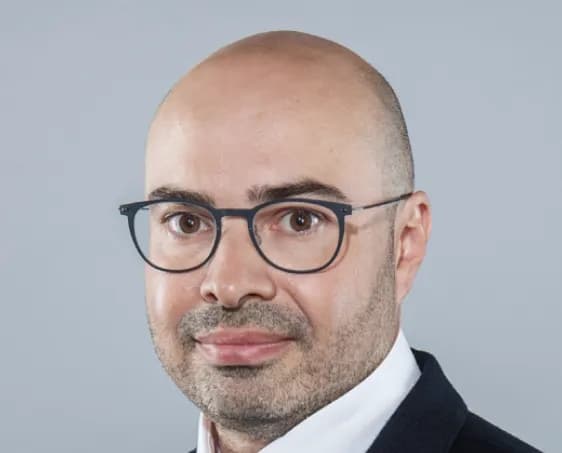
“We created Sellvi Business in response to the real needs of online sellers. We want to be more than just a service provider – we want to be a full-fledged partner,” said Sergey Melamed, head of Sber's Small and Micro Business Division. The strategy is designed to attract new customers while strengthening the loyalty of businesses that have been using SberBusiness for years.
As Russia's e-commerce market grows, competition for customers is increasingly shifting toward specialized digital platforms. Banks are bringing financial, analytics, and technology tools together in unified ecosystems for marketplace sellers. This makes online commerce more accessible to businesses with fewer technology resources, supporting the growth of small and midsize companies in both retail and manufacturing, particularly in regional markets. Existing services are expected to improve, with new AI-powered tools added over time.