AI for Every Backpack: Skolkovo Launches First AI Course for Schoolchildren
The program was developed by Skolkovo, Avito, and a Chinese university. Younger students will learn the basics of AI safety and prompt writing, while older students will work through real-world case studies and project-based assignments.
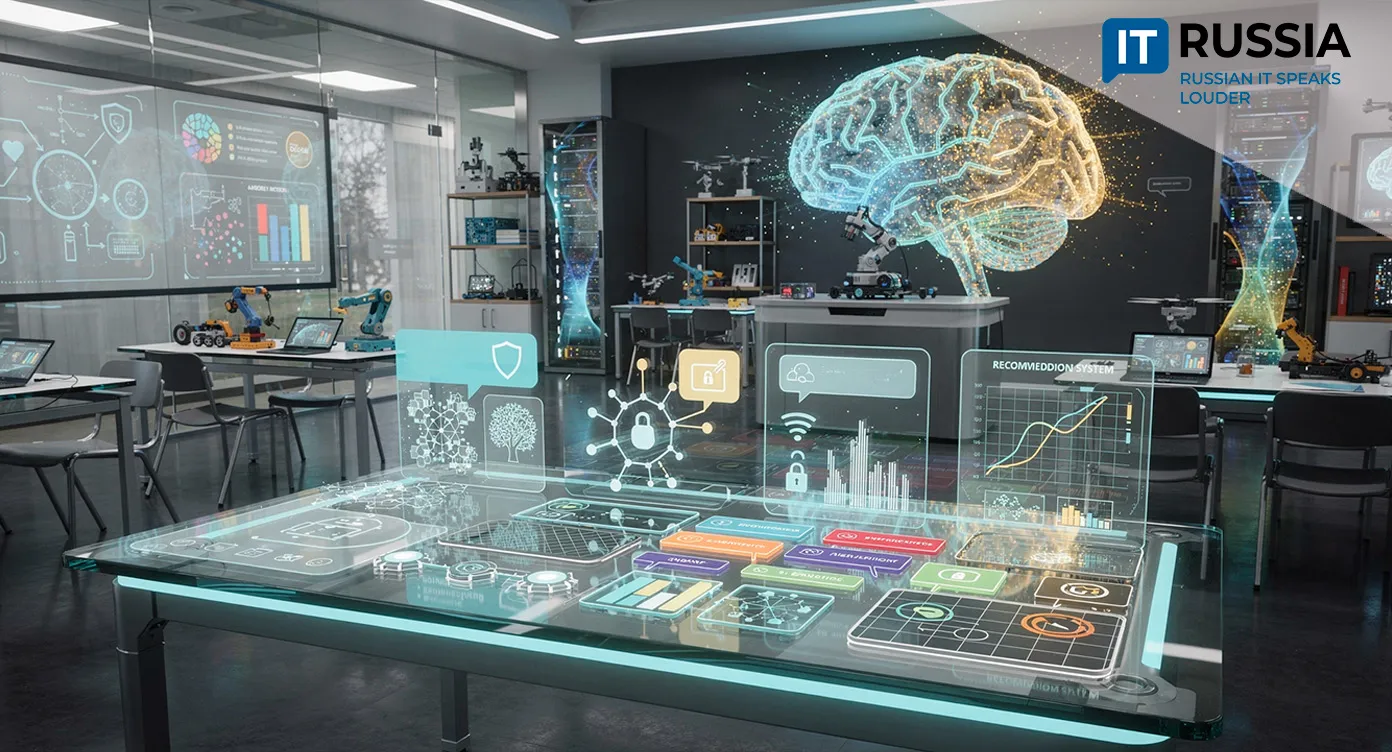
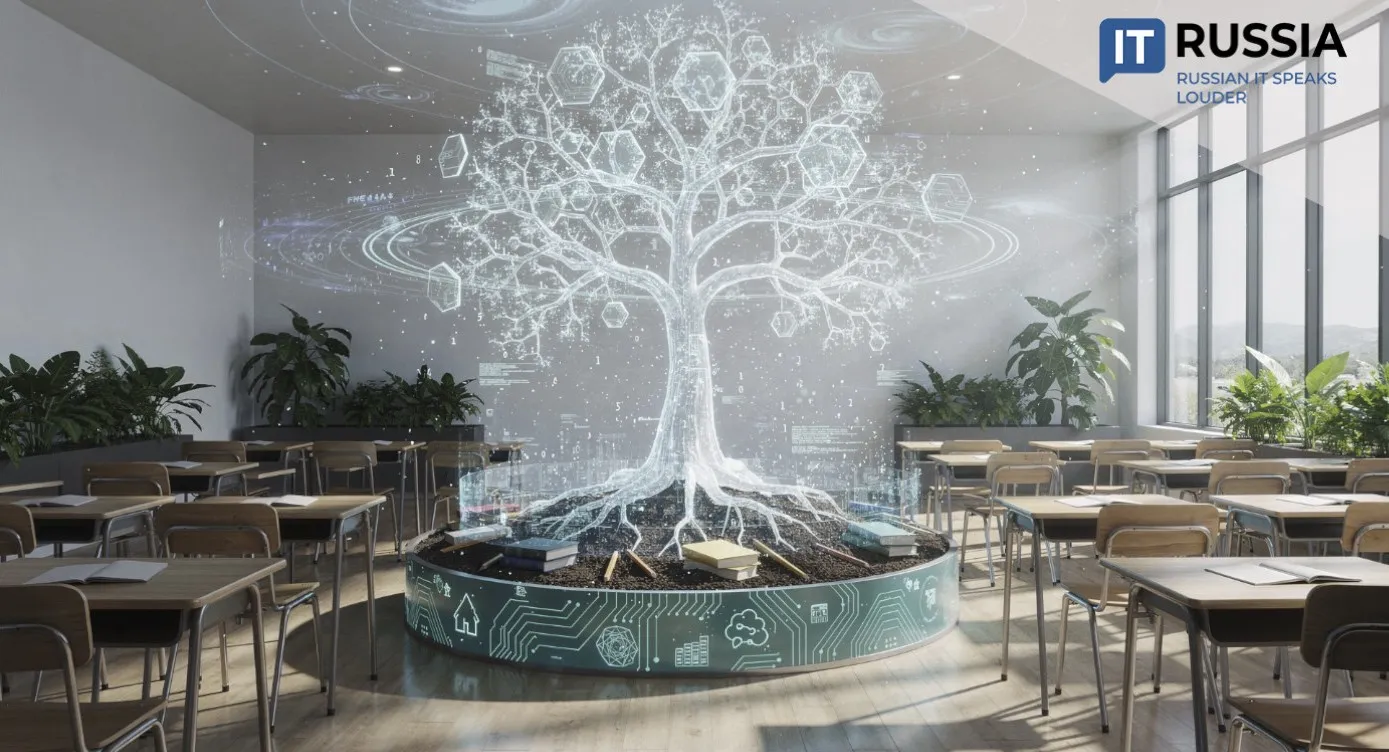
Russia has officially introduced the country’s first comprehensive artificial intelligence curriculum designed for students of all ages, from first graders to high school seniors. For the first time, AI literacy is being integrated into education as a structured learning pathway rather than an occasional guest lecture from the technology sector.
The AI Lesson (Urok II) program was developed by Skolkovo Technopark with active participation from Avito and a leading Chinese university. The course adapts experience gained through China’s national AI Plus Education strategy. All teaching materials have already been completed and are available free of charge to any school in any region of Russia.
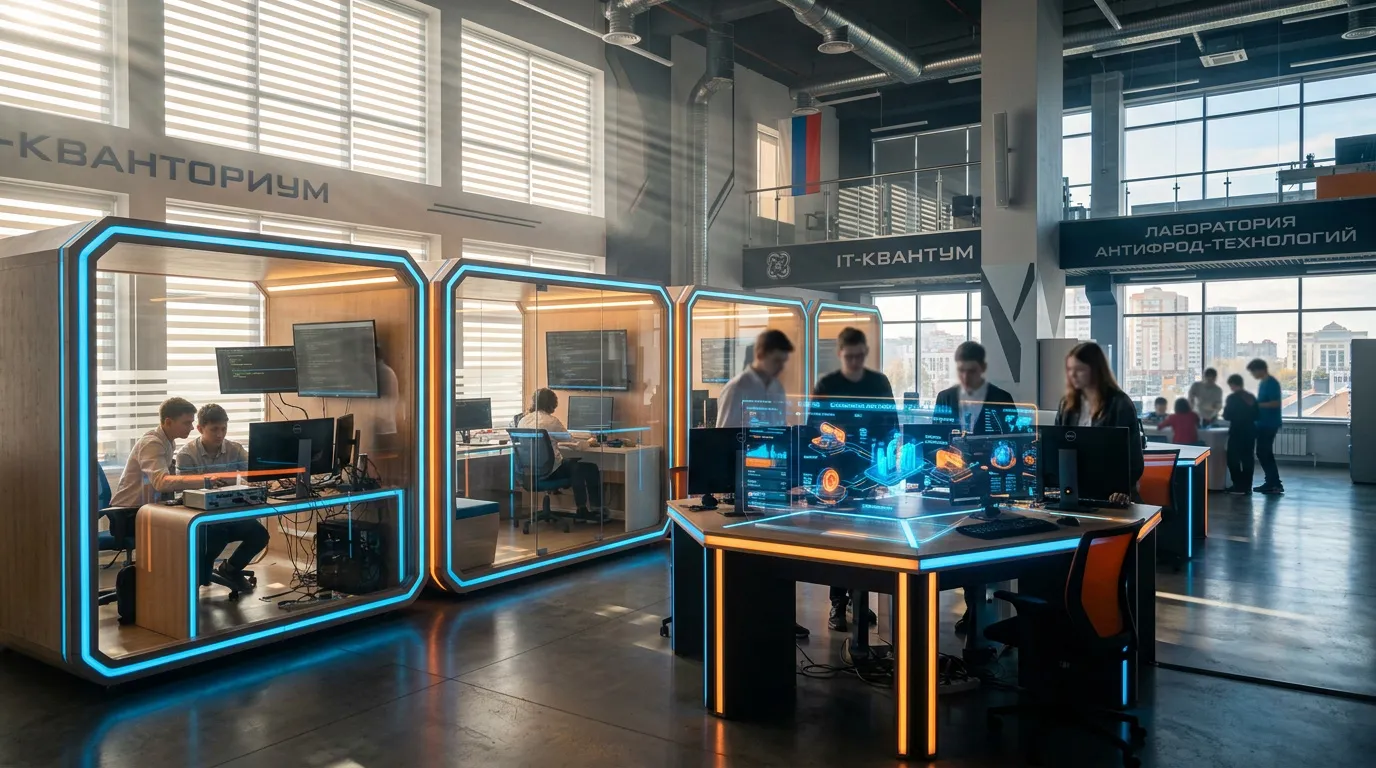
A Prompt for an A
This course is not intended to replace core academic subjects. Instead, it is designed for supplemental education through clubs, electives, and extracurricular learning. Students are not expected to memorize complex code. Rather, the goal is to help them understand how to live and work in a world where many everyday digital assistants are powered by neural networks. From there, the curriculum goes further. Students will learn how to formulate effective prompts for AI systems. In other words, prompt engineering – a skill many adults currently learn through paid courses – will become part of the school experience. Perhaps most importantly, students will learn how to verify AI-generated results and why blindly trusting machine-generated output can be risky.
The curriculum also includes practical assignments. Middle and high school students will complete project-based work using real-world examples. Avito, one of the program’s partners, will showcase how its own algorithms operate. Students will see how online search systems match products and services, how platforms work to protect millions of users, and why an algorithm occasionally shows a cat when someone was searching for a sofa. At that point, AI education moves beyond theory and into the realities of the digital economy.
Notably, Avito’s instructional designers participated directly in developing the course materials. Their goal was to ensure that assignments reflect real industry challenges rather than hypothetical textbook scenarios. As Andrey Rybintsev, Managing Director for Artificial Intelligence at Avito, explained, high-quality technology education should be accessible to every child regardless of region or school. That is why the platform’s real-world cases involving safety, search systems, and recommendation algorithms became the foundation of many assignments.
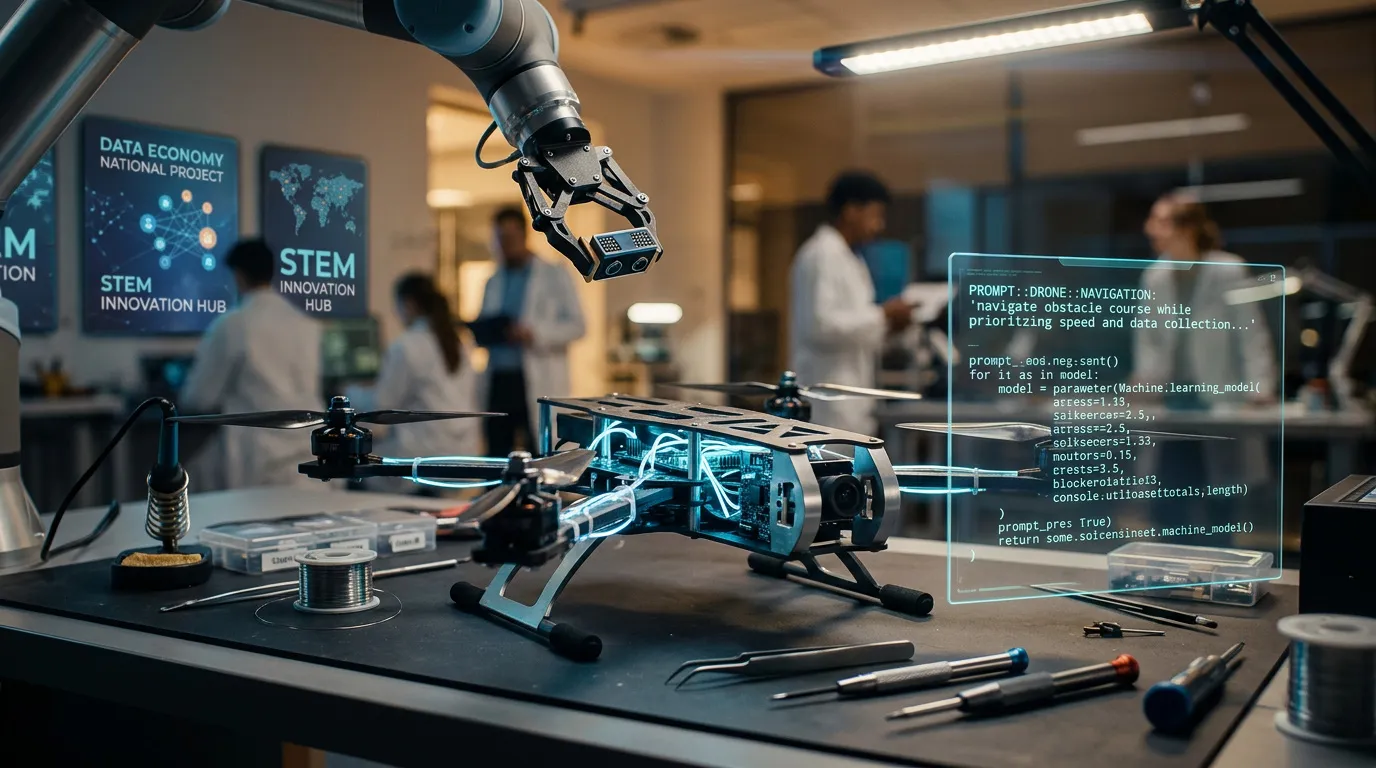
AI in Every Backpack
Government agencies and private companies have spent years exploring ways to introduce AI into schools. One of the first efforts was the federal Artificial Intelligence project, which primarily served as a platform for gifted students. Numerous hackathons followed. A total of 61 such events attracted approximately 37,000 participants. Meanwhile, the Sirius Educational Center trained more than 69,000 students through programs focused on AI-related competencies and project work.
In the fall of 2024, the national Digital Lesson initiative featured a module titled Artificial Intelligence: Prompt Engineering. Students began learning how to communicate effectively with AI systems, whether for literature assignments or biology projects. The program covered grades 1 through 11, but it remained a standalone lesson rather than a sustained curriculum.
In 2025, the Ministry of Digital Development launched a dedicated track called Kod budushchego (Code of the Future): Artificial Intelligence. The initiative focused on high school students in grades 8 through 11 as well as vocational college students. These free introductory courses became a bridge for learners interested not only in using AI tools, but also in building them.
Then came 2026. Another Digital Lesson was launched, this time in partnership with Avito, focusing on data analytics and recommendation algorithms. In May, the first pilot lessons for younger students were held at Skolkovo Gymnasium and the Skolka Innovation School. Now, the full AI Lesson curriculum is being rolled out.
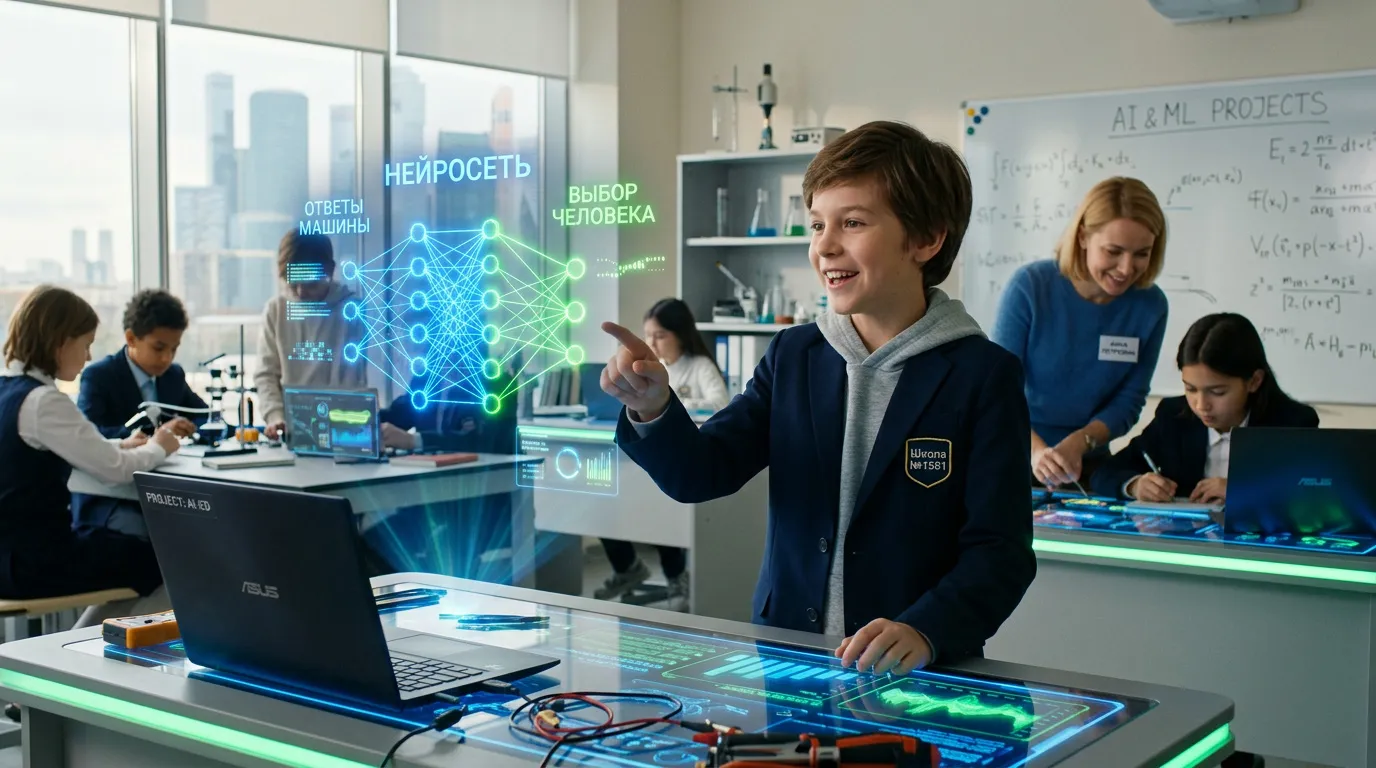
A Curriculum Builder for Every Grade
The greatest risk for initiatives like this is becoming a one-time activity with little lasting impact. In this case, however, organizers have outlined a clear roadmap. Methodological materials for elementary school teachers are already available for download and use. Throughout the summer, teaching resources for middle and high school students will be added to the project website. By September 1, educators are expected to have access to a complete curriculum toolkit covering every grade level.
AI Lesson has the potential to become the foundation of a continuous learning pathway. Younger students begin with fundamentals and digital safety. Middle school students explore ethics and practical applications. High school students develop projects that could ultimately be implemented in real production environments. The curriculum also complements existing initiatives such as Kod budushchego (Code of the Future), IT Quantoriums, and regional technology clubs.
It is still too early to discuss international expansion of the educational initiative. Even so, the format is highly distinctive. The combination of Russia’s educational methodology and the approach contributed by a Chinese university has created a hybrid model unlike anything currently available elsewhere.