Algorithm Predicts Soil Temperature to Help Farmers Adapt to Climate Change
Russian researchers have developed software that improves the accuracy of soil temperature and moisture calculations used in climate models. The advance could help agriculture respond more effectively to climate change.
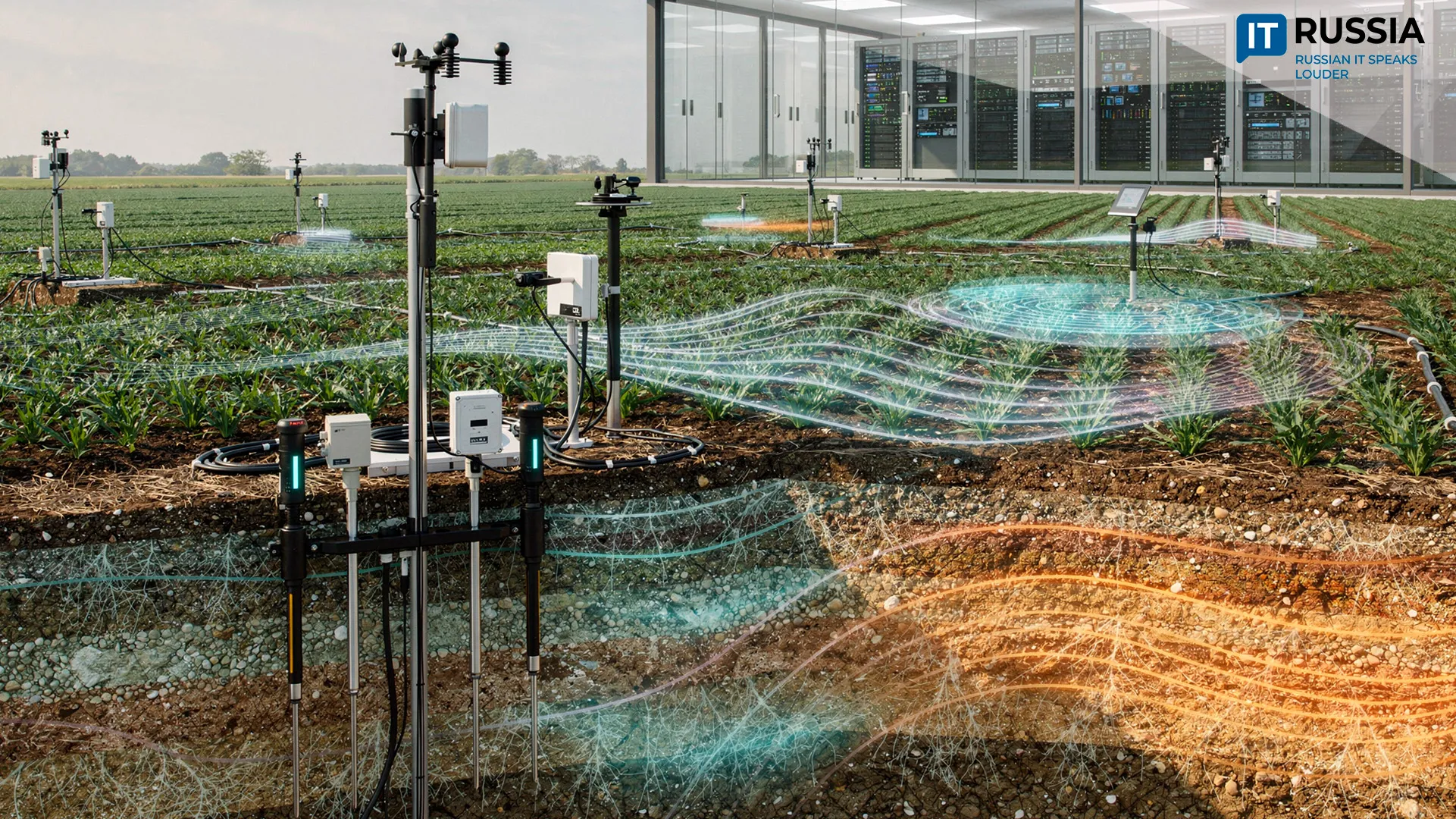
Climate change has become one of the most serious challenges facing global agriculture, including the farming sector in Russia. Rising average annual temperatures are placing many crops under stress. For example, when temperatures exceed +35°C, wheat begins to experience disruptions in grain formation while its demand for moisture increases sharply. Changes in precipitation patterns, including both droughts and floods, also damage soil conditions. At the same time, agricultural pests and diseases are becoming more widespread. Warmer climates allow insects, fungi and bacteria to expand into new regions and reproduce more rapidly.
These shifts require farmers to adopt additional protective measures and incur higher costs. Investments are needed for crop protection products, irrigation systems and land reclamation projects such as the installation of watering infrastructure. Climate change is also affecting livestock production. High temperatures can cause heat stress in animals, requiring additional protection and management strategies.
A Russian Climate Modeling Platform
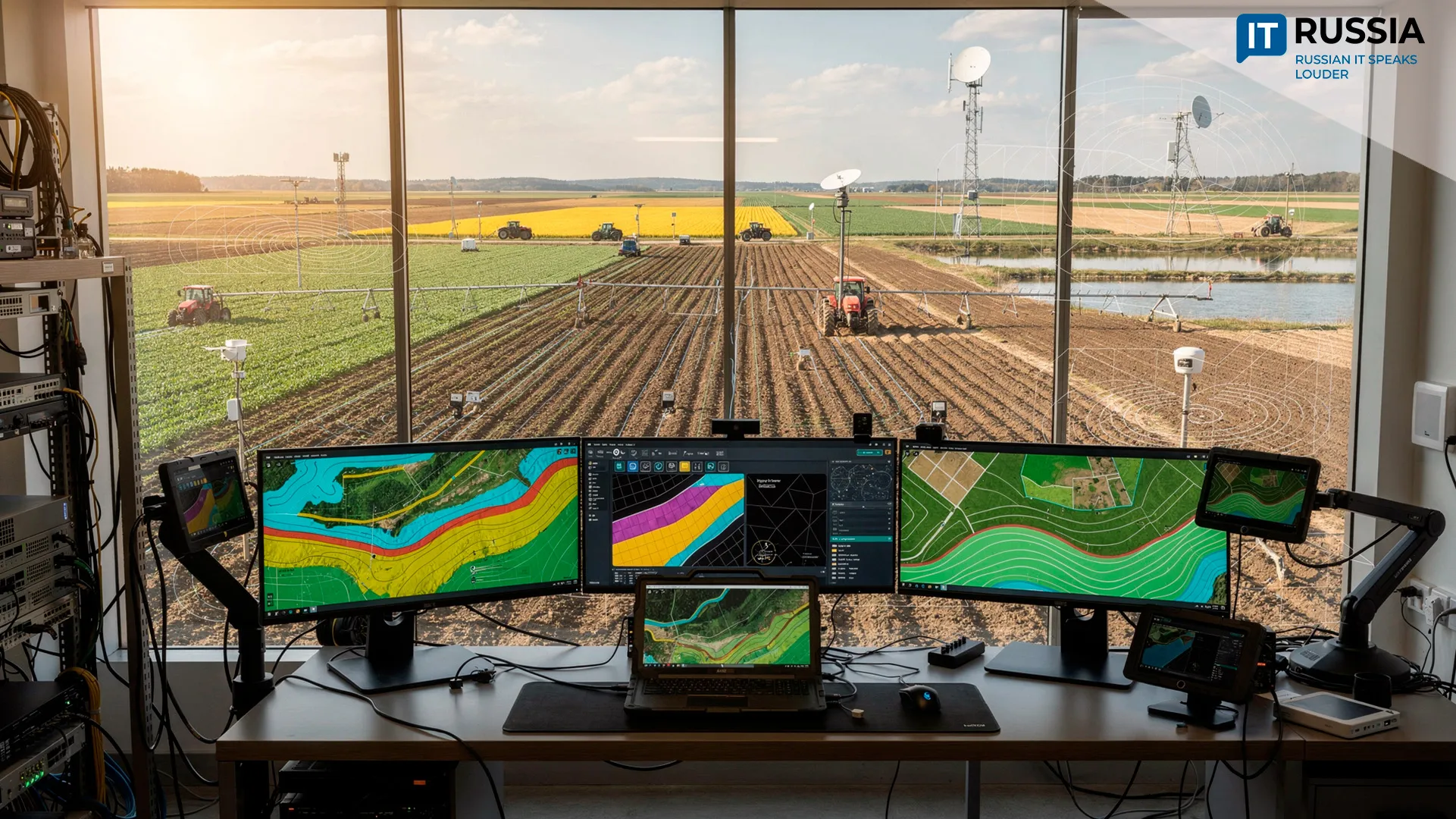
For these reasons, the development of advanced digital climate models has become critically important. Such systems do not simply simulate climate change. They also generate detailed data on air temperature, soil temperature and soil moisture, indicators that are essential for modern agricultural planning.
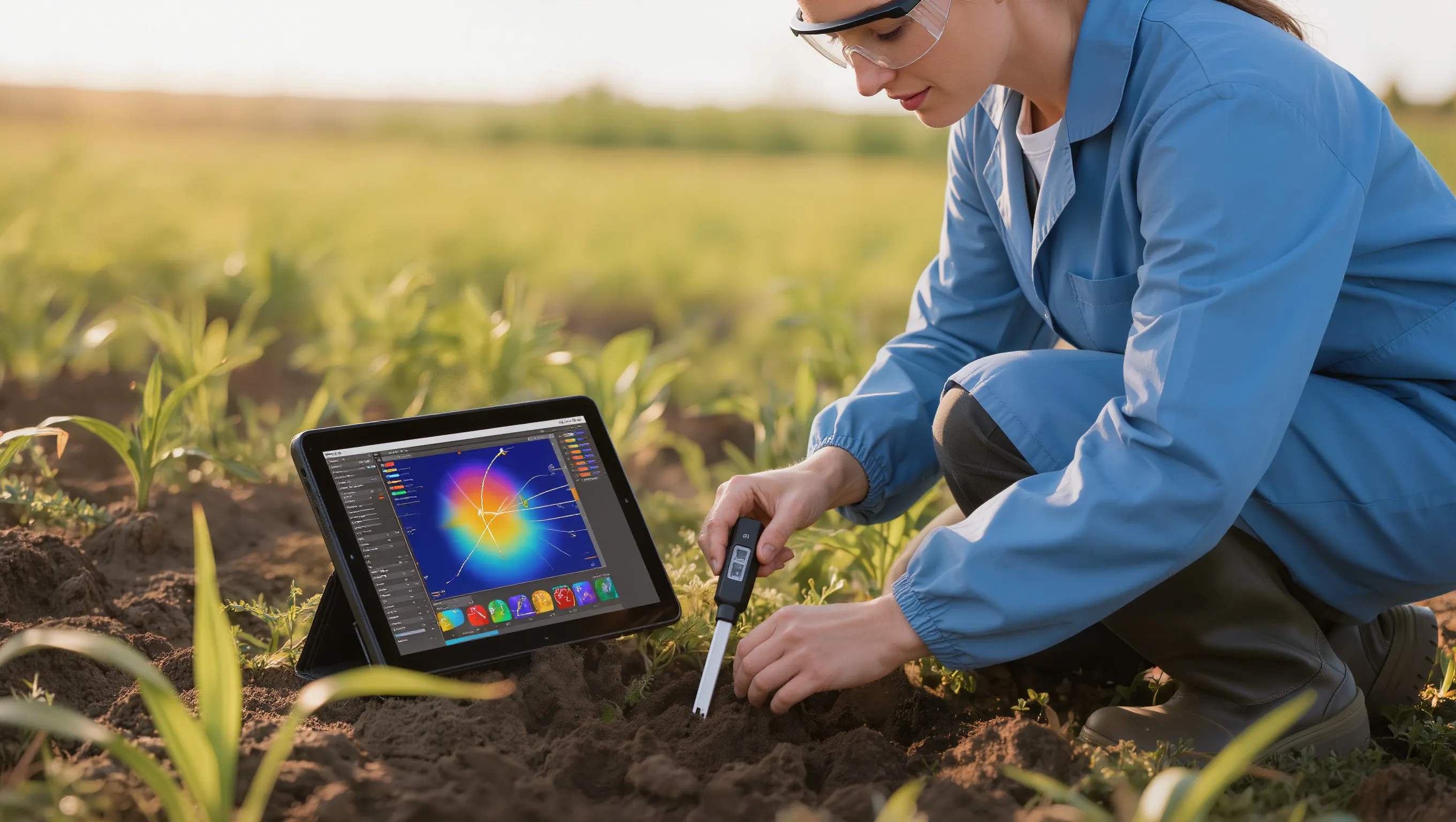
Researchers from the Nauchno-issledovatelskiy vychislitelnyy tsentr Moskovskogo gosudarstvennogo universiteta (Research Computing Center of Moscow State University), the Institut monitoringa klimaticheskikh i ekologicheskikh sistem Sibirskogo otdeleniya Rossiyskoy akademii nauk (Institute for Monitoring of Climatic and Ecological Systems of the Siberian Branch of the Russian Academy of Sciences), and the Institut vychislitelnoy matematiki imeni G. I. Marchuka RAN (Marchuk Institute of Computational Mathematics of the Russian Academy of Sciences) have created a supercomputer-based climate model called TerM (Terrestrial Model – Land Model).
The TerM platform allows scientists to forecast how climate change affects soil, vegetation and ecosystems within what researchers call the “active layer of land.” This is the part of the Earth’s surface where most biological and hydrological processes take place. The system continues to evolve and is expected to become part of Russia’s national climate model and national climate monitoring and forecasting system.
“Integrating such a model into the national climate model will allow scientists to simulate climate processes more realistically and forecast changes across Russia while accounting for both natural and anthropogenic factors. In the future, for example, it will be possible to evaluate how various emission regulation decisions may affect the climate system. Because the climate system is highly complex, predicting this response requires modelling local processes within the active layer of land, which is precisely what our model describes,” said Mikhail Varentsov, senior researcher at the Laboratory of Supercomputer Modeling of Natural and Climate Processes at the Research Computing Center of Lomonosov Moscow State University.
Improving Climate Forecast Accuracy
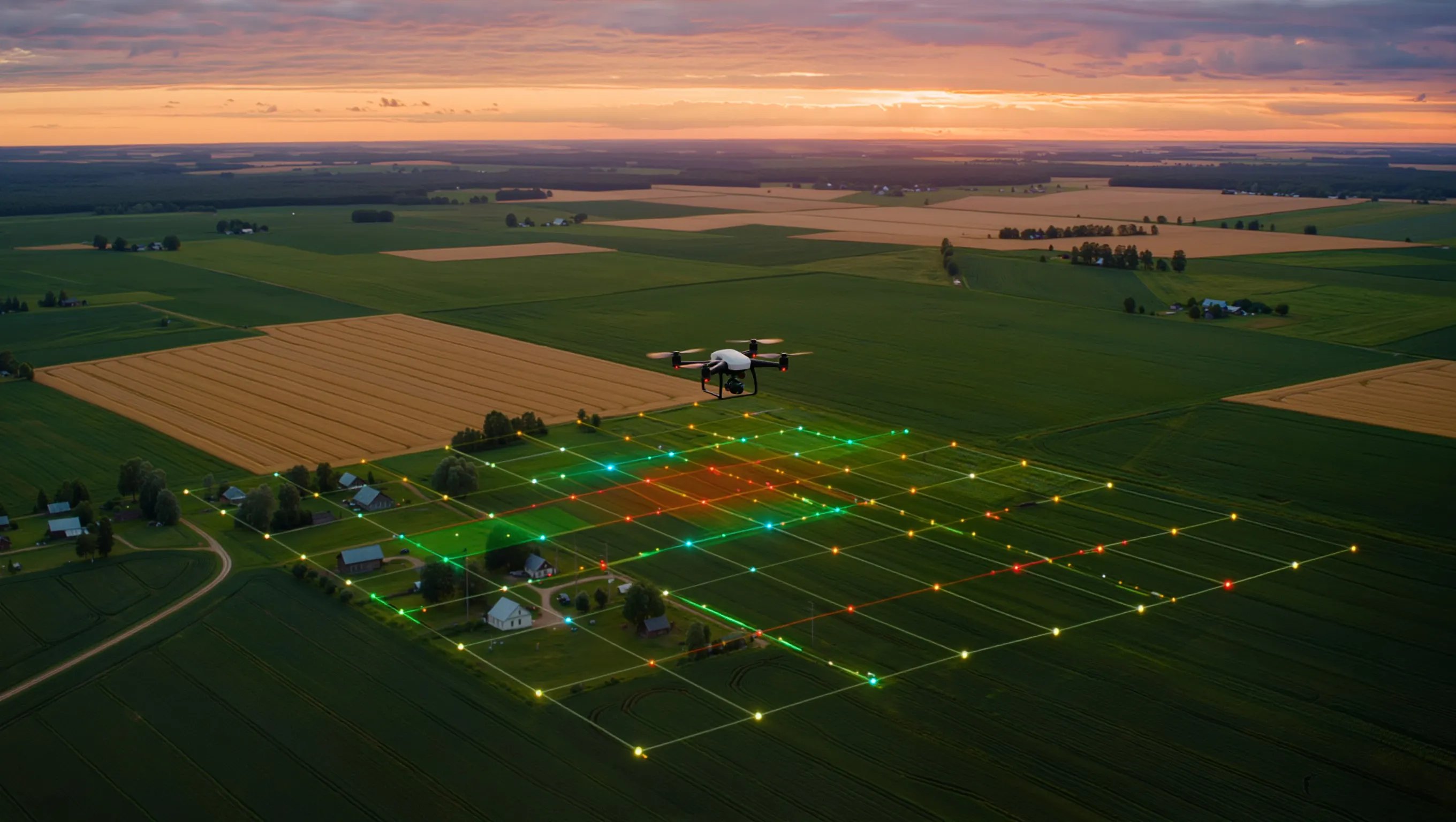
In February 2026, the accuracy of the TerM model increased significantly. Specialists from the Institute for Monitoring of Climatic and Ecological Systems of the Siberian Branch of the Russian Academy of Sciences developed new software that substantially improved the model’s performance. The new program allows researchers to more accurately simulate changes in soil temperature and moisture as well as latent and sensible heat fluxes. These variables directly affect the reliability of climate simulations.

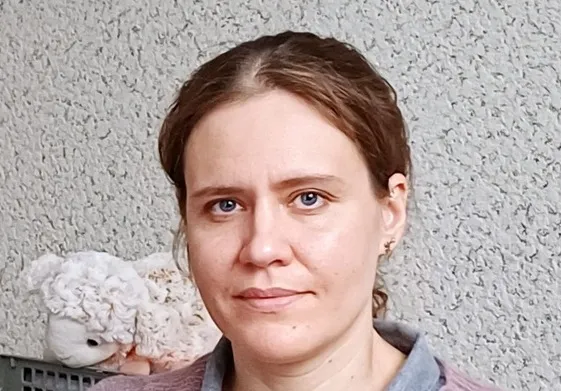
Scientists in Tomsk developed the world’s first preprocessing system capable of converting highly detailed datasets describing land surface parameters into the spatial resolution required by TerM. As a result, the accuracy of soil temperature forecasts has improved to within 0.5–3°C.
Testing confirmed the effectiveness of the software. The modeling results were validated against measurements collected at scientific observation stations located in Tomsk Region, Buryatia and the Khanty-Mansi Autonomous Okrug.
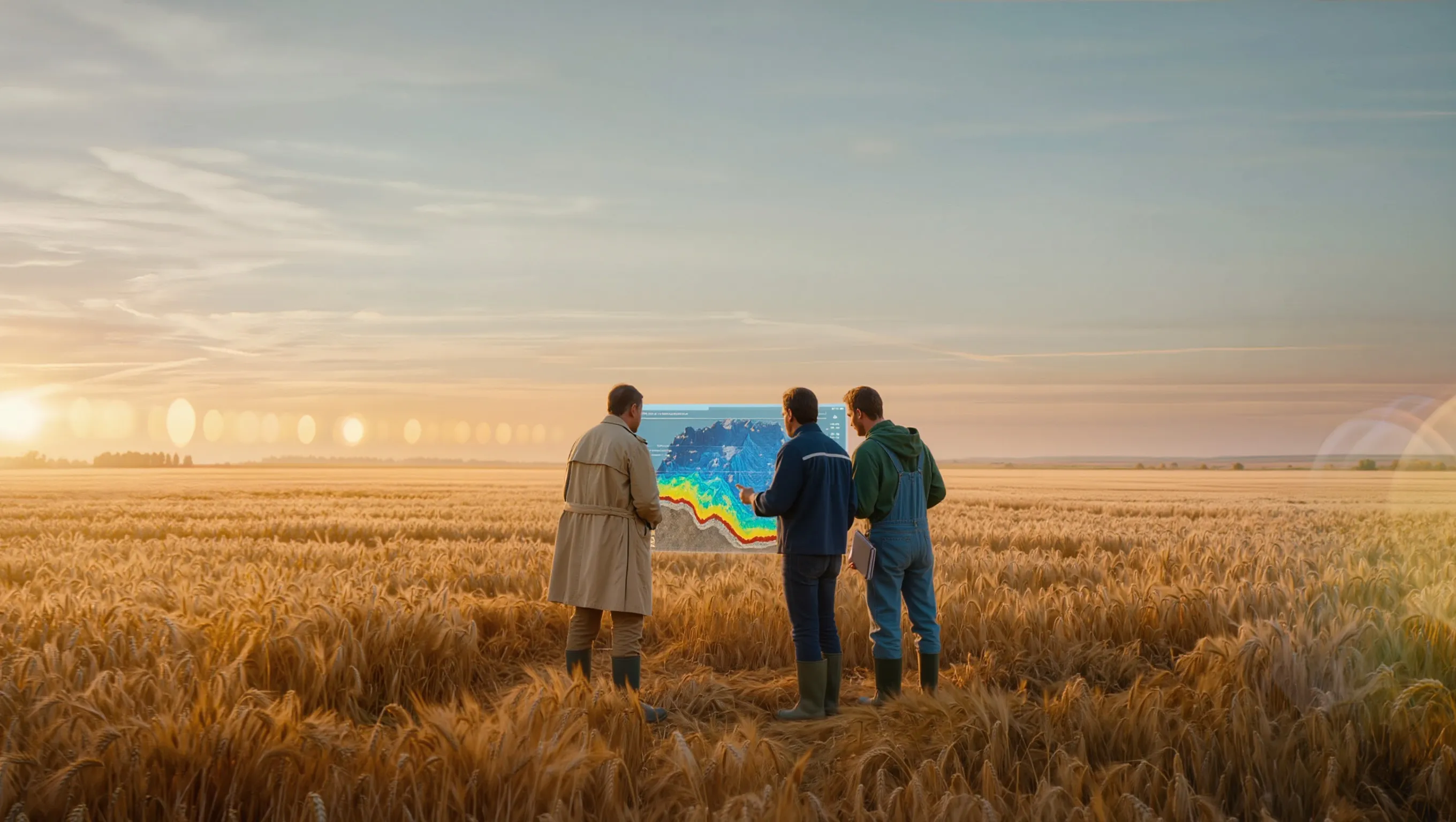
The updated TerM software will allow more accurate forecasts of weather patterns and long-term climate change. Such forecasts are necessary for designing strategies that help the Russian economy adapt to global climate shifts. One of the key tasks is assessing how global warming could affect agriculture in different regions of the country.
Russian Climate Science and Global Agriculture
The development of Russian climate and ecosystem models is advancing climate science by improving the quality of forecasts that are critical for planning climate adaptation strategies. These models make it possible to analyze environmental conditions across different regions, including permafrost zones where climate change is progressing particularly rapidly.
Accurate climate projections are also essential for national economic planning. Governments need these data to estimate the costs of agricultural risk insurance programs and financial assistance for farmers facing extreme weather conditions. Understanding climate trends will help reduce economic risks while improving preparedness for droughts, floods and other disruptive events. At the same time, agricultural policy must address education and training for farmers. Expanding knowledge of climate-resilient farming practices and sustainable agriculture techniques will become increasingly important as weather patterns continue to change.
With its new software capabilities, the Russian TerM system can also become an effective tool for participation in international climate research initiatives. Such collaboration is in growing demand worldwide, including in countries of the Global South that are developing long-term strategies for agricultural modernization.