

Don’t Stand Under the Load!
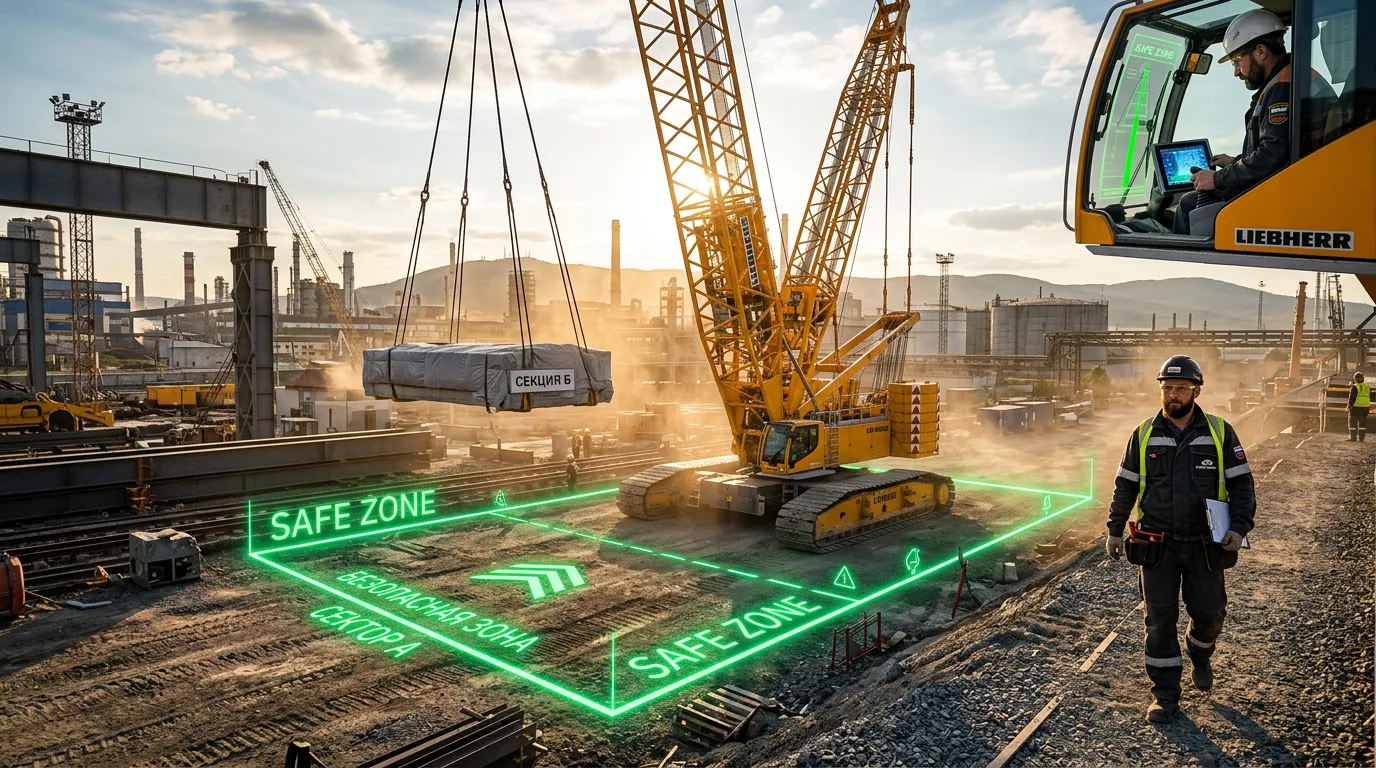
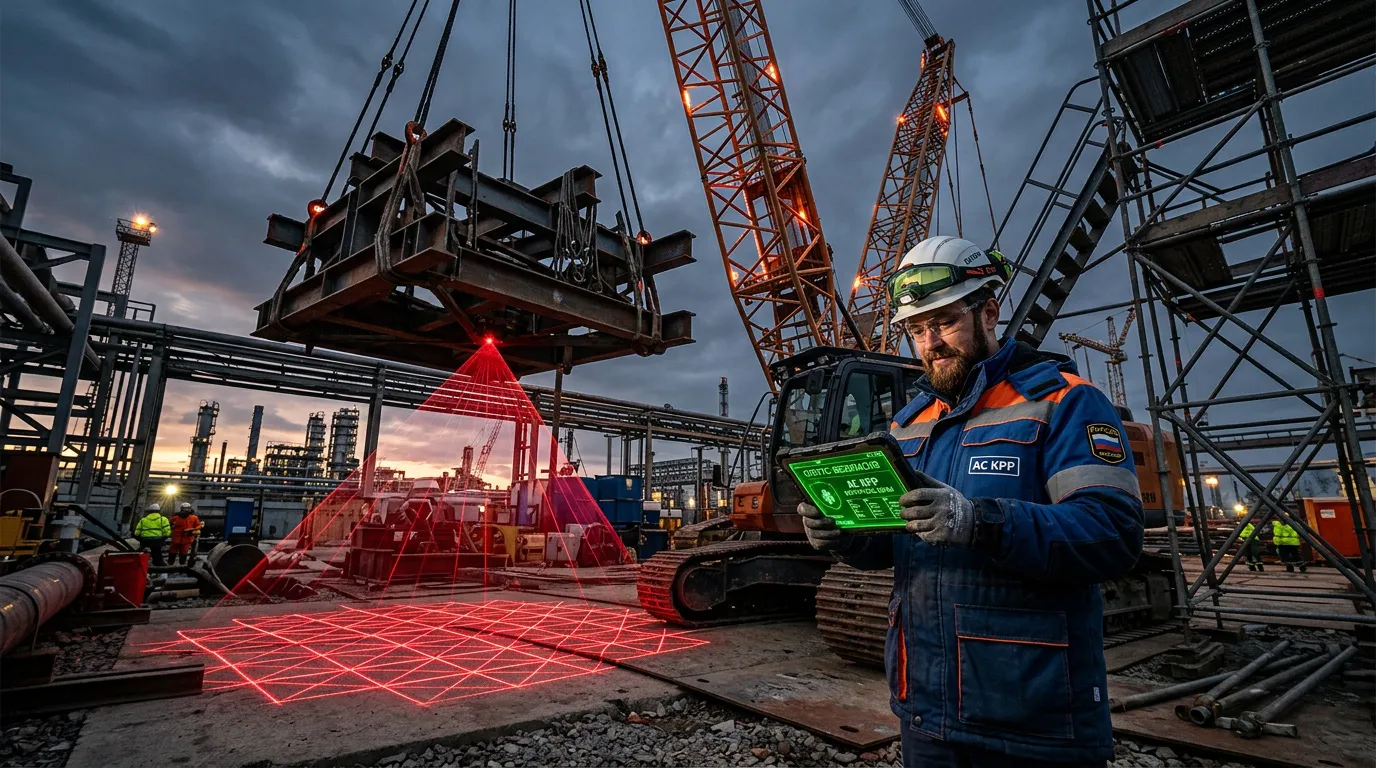
At the Bystrinsky Mining and Processing Plant, an automated crane safety monitoring system has been deployed to control areas beneath overhead cranes. Using video analytics, the system monitors operations and detects unauthorized objects or personnel inside hazardous zones.
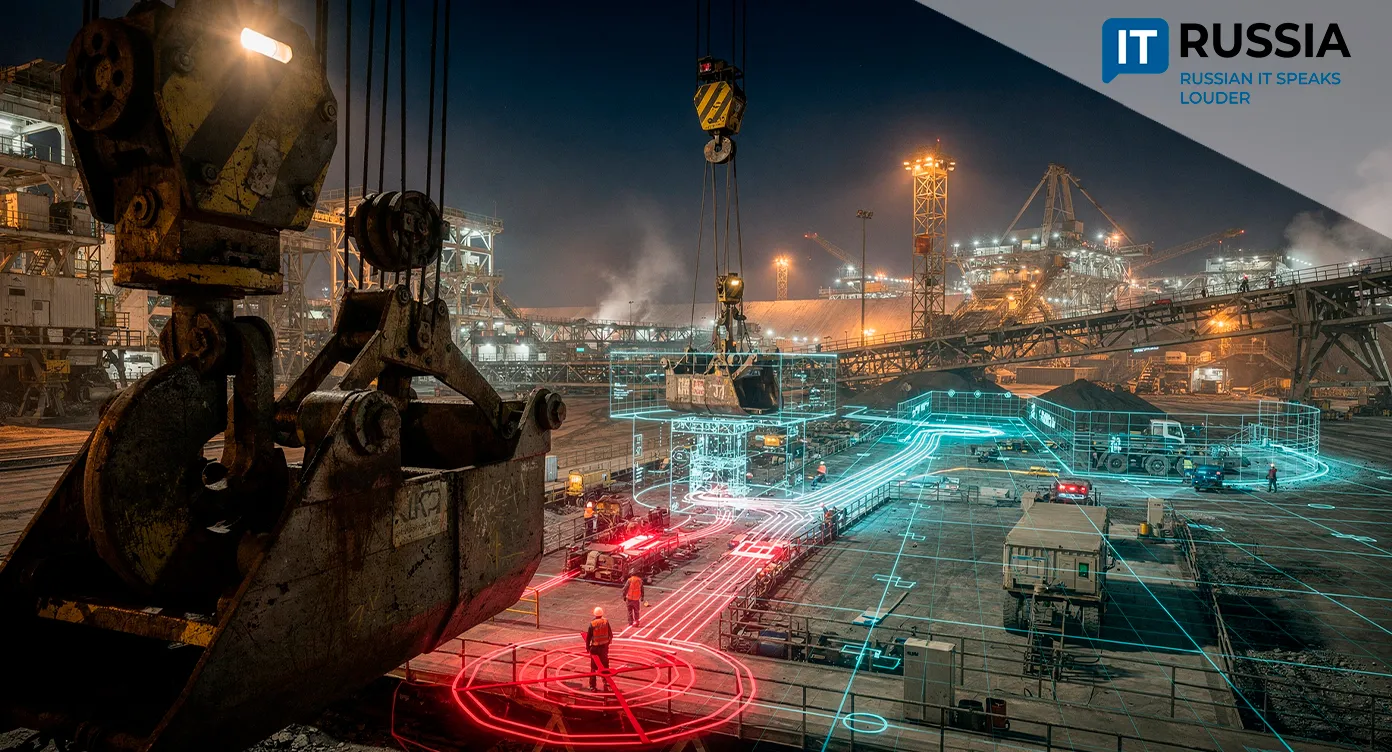
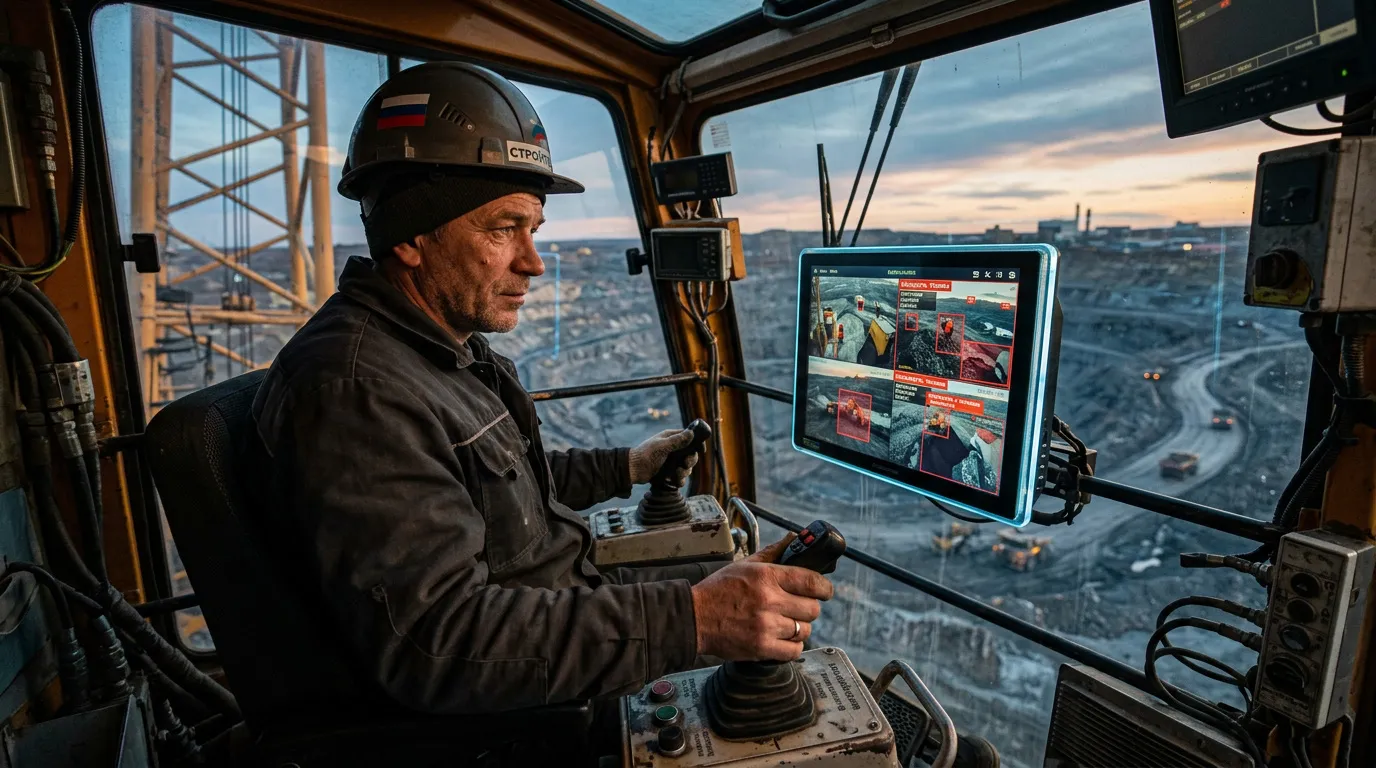
The system, which has no direct equivalent in Russia, detects when a person enters a cargo movement zone, alerts the crane operator and sends an audible warning to the sling operator if that worker is standing near a load raised more than one meter above the ground. The platform also streams camera footage directly into the crane cabin, highlights hazardous areas, measures load height with an accuracy of up to 10 centimeters and identifies specific safety violations. The software is already operating on six cranes across key sections of the plant, while commissioning work continues on additional units.
The software was developed by employees of Bystrinsky GOK with support from colleagues at Nornickel Sputnik, including industrial safety specialists, occupational safety teams and IT engineers.
The Processing Plant That Pulled It Off
Bystrinsky GOK is one of the largest mining and processing operations in Russia’s Zabaykalsky region and is part of Nornickel. The plant mines and processes ore from the Bystrinskoye polymetallic deposit through open-pit operations, producing copper, iron ore and gold-bearing concentrates.
Today, the processing plant has become one of the industry’s pioneers in industrial innovation. The operation has introduced new production standards in industrial safety, including six non-negotiable rules where violations can lead to dismissal. Those include working at height without safety harnesses, standing beneath suspended loads and servicing active equipment while it remains powered on. The site’s PPE monitoring system continuously tracks the use of protective clothing, hard hats, safety glasses and other required equipment.
In 2023, the facility launched a pilot prototype built on machine learning technologies. The ore grinding management system collects and processes sensor data in real time, calculates optimal process parameters and automatically transfers them into the plant’s industrial control system. As a result, ore processing throughput increased by 2.64%. Every five hours, the model retrains itself using updated operational data, allowing it to maintain predictive accuracy as ore composition changes or equipment wear increases.
The company has also deployed a driver fatigue monitoring system. The platform continuously analyzes physical condition and driving quality, sending alerts directly to drivers while simultaneously notifying dispatchers so preventive action can be taken.
Meanwhile, video analytics systems at the processing plant evaluate foam bubble size and density inside flotation cells using 280 input and 45 output parameters. The algorithm helps operators make optimal processing decisions to improve mineral recovery rates. Another ore contamination monitoring system reduces the risk of oversized material entering the grinding circuit, lowering the likelihood of mill shutdowns caused by blockages.
A Digital Safety Perimeter
The new deployment closely aligns with a broader Russian industrial trend: using video analytics not only for monitoring, but also for preventing accidents, reducing operator workload and automating industrial safety procedures.
Still, the sector’s earliest large-scale pioneer was SIBUR. In 2021, the company reported that 70% of its industrial cameras were already operating in “smart” mode. The system was used for occupational safety, industrial safety, quality control, equipment monitoring and logistics. That became one of Russia’s earliest major examples of the shift from traditional surveillance systems to industrial video analytics.
Nornickel itself identified video analytics as a strategic industrial safety direction in 2023 and expanded its risk-based approach in 2024. During the same period, Rostekhnadzor updated safety regulations governing hazardous industrial facilities that use lifting equipment. Against that backdrop, digital systems that reduce risks during crane and cargo operations are gaining additional practical importance. The Russian industrial video analytics market also continued to expand, growing by more than 25% in 2024 to 2.408 billion rubles (about $31 million).