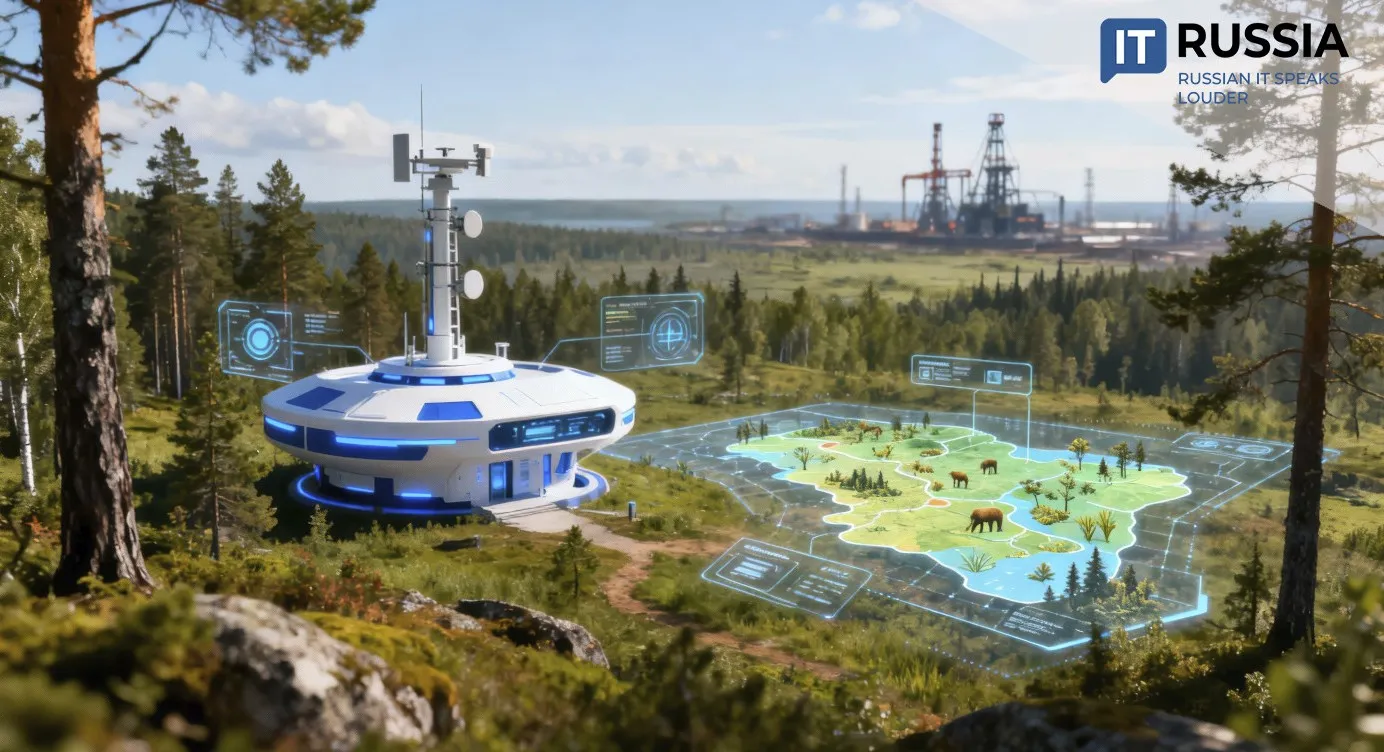
MIPT Opens a Window Into Earth’s Climate Future
The Machine Learning in Earth Sciences Laboratory at the Moscow Institute of Physics and Technology (MIPT) has begun using a powerful external GPU/TPU array, signaling a major leap in Russia’s capacity to model climate, oceans, and ecological systems with far greater speed and precision.

High-Performance Computing as the New Climate Language
In a world where the accuracy of a climate forecast or a model of ocean circulation can influence the safety and economy of entire regions, computational power has become a scientific currency of its own. MIPT’s adoption of the RSC ScaleStream-C (JBOG) accelerator array positions the university to develop its own high-resolution foundational models of Earth systems.
The system can dynamically redistribute up to 10 accelerators across multiple servers, creating high-capacity compute clusters on demand. For climate researchers, this flexibility means access to a tool capable of simulating some of the planet’s most complex processes atmospheric dynamics, ocean currents, climate evolution and ecological interactions.

These capabilities lay the groundwork for more accurate forecasts, more refined environmental monitoring, and—critically—greater participation in international climate science initiatives that increasingly rely on high-performance Earth-system models.
A Global Shift Toward GPU-Based Climate Science
MIPT’s move reflects a major global transition: Earth sciences are rapidly moving from CPU-based computation to GPU-accelerated architectures.


Several major projects illustrate the trend:
- Oceananigans.jl demonstrated that GPU clusters can simulate ocean processes at resolutions of just a few hundred meters.
- Porting the ICON weather and climate system to GPUs resulted in a 5.6× speedup.
- The ACE (AI2 Climate Emulator) project showed that four GPUs can be trained on a century’s worth of climate data in days, and then perform a 100-year climate simulation in three hours.
MIPT is now aligning itself with this emerging global standard, gaining the capacity to train meaningfully large models—including next-generation regional climate systems with exceptionally high spatial precision.
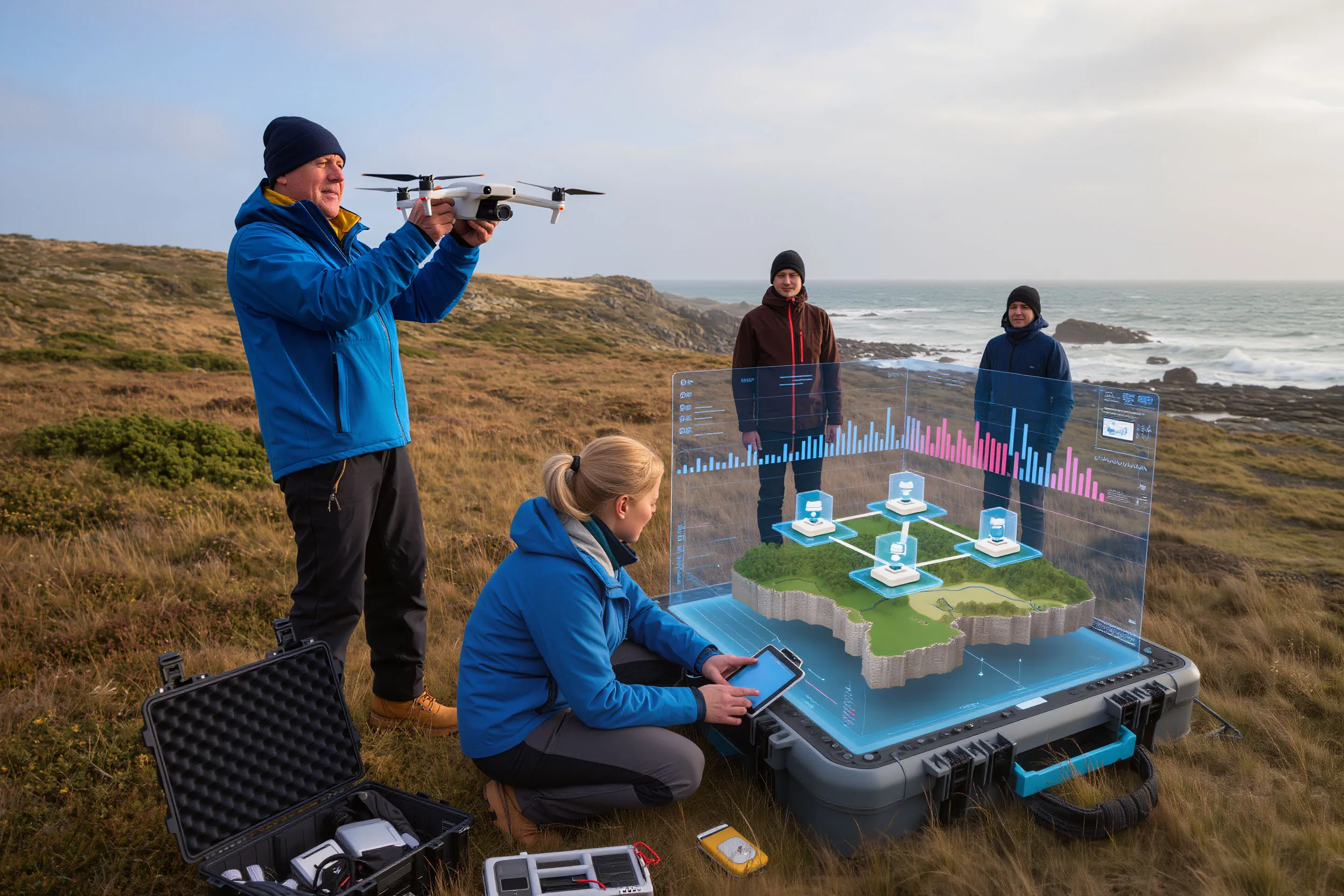
Such models could underpin national monitoring frameworks for climate, ecology, and natural hazards. They may support urban planning, inform adaptation strategies, and protect marine and terrestrial ecosystems from the accelerating risks of climate change.
Strengthening the Research IT Ecosystem
Beyond individual simulations, successful use of the RSC ScaleStream-C array may transform MIPT into a hub for high-performance Earth-science computing in Russia. Its progress could inspire modernization efforts across the country’s research institutions, helping them adopt GPU-based workflows and advanced modeling tools.

In the long term, this contributes to a stronger research IT ecosystem—one capable not only of following global trends but also shaping the scientific agenda in response to major planetary challenges: climate instability, ecological collapse and the need for sustainable resource management.