“NeuroVR”: Where Neurotechnology Meets Virtual Reality
Researchers at Penza State University have developed Russia’s first neurointerface capable of synchronously recording a user’s brain electroencephalogram while that person is immersed in a virtual reality environment, opening a new pathway for applied neurotechnology.
What Makes NeuroVR Distinctive
Amid the rapid advance of digital technologies, one of the most promising frontiers is the convergence of neuroscience and virtual reality. Russian researchers have now taken a notable step in that direction. A team at Penza State University has unveiled NeuroVR, the country’s first neurointerface designed to work seamlessly inside VR environments.
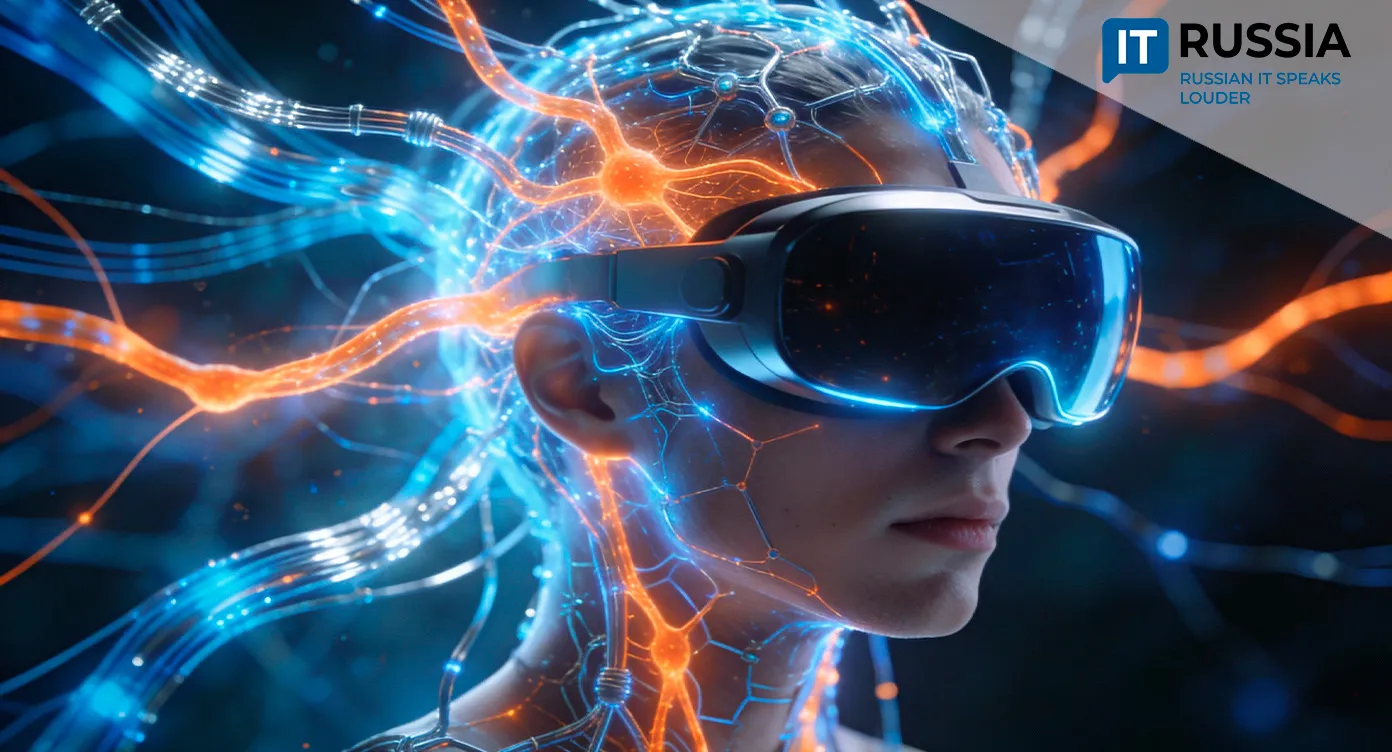
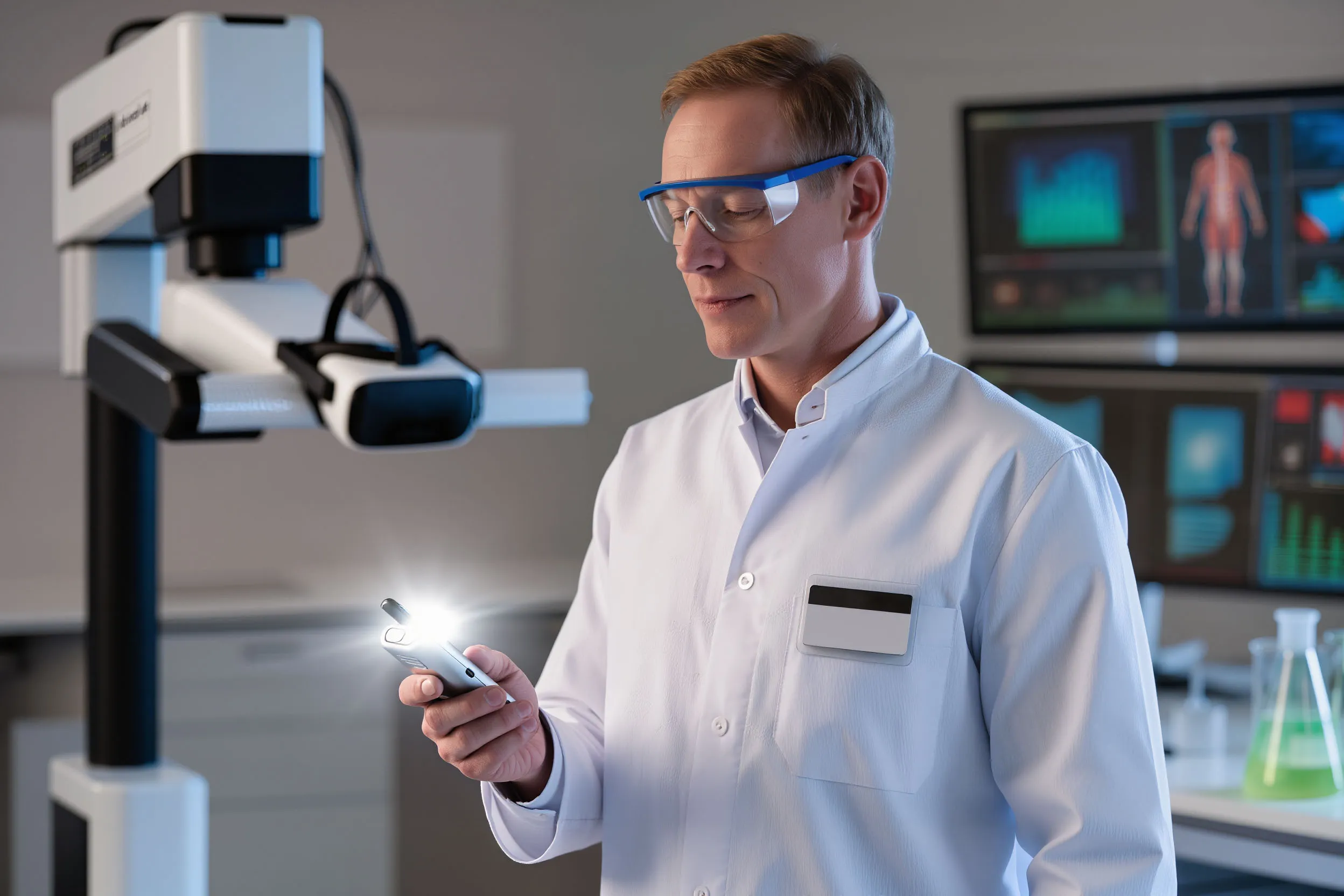
The system is a compact, wireless device small enough to fit in the palm of a hand. It records electroencephalogram signals in real time while the user is fully immersed in virtual reality. Through a unified interface, NeuroVR synchronizes directly with VR headsets, creating new opportunities across medicine, education, industrial training, and even the gaming sector.
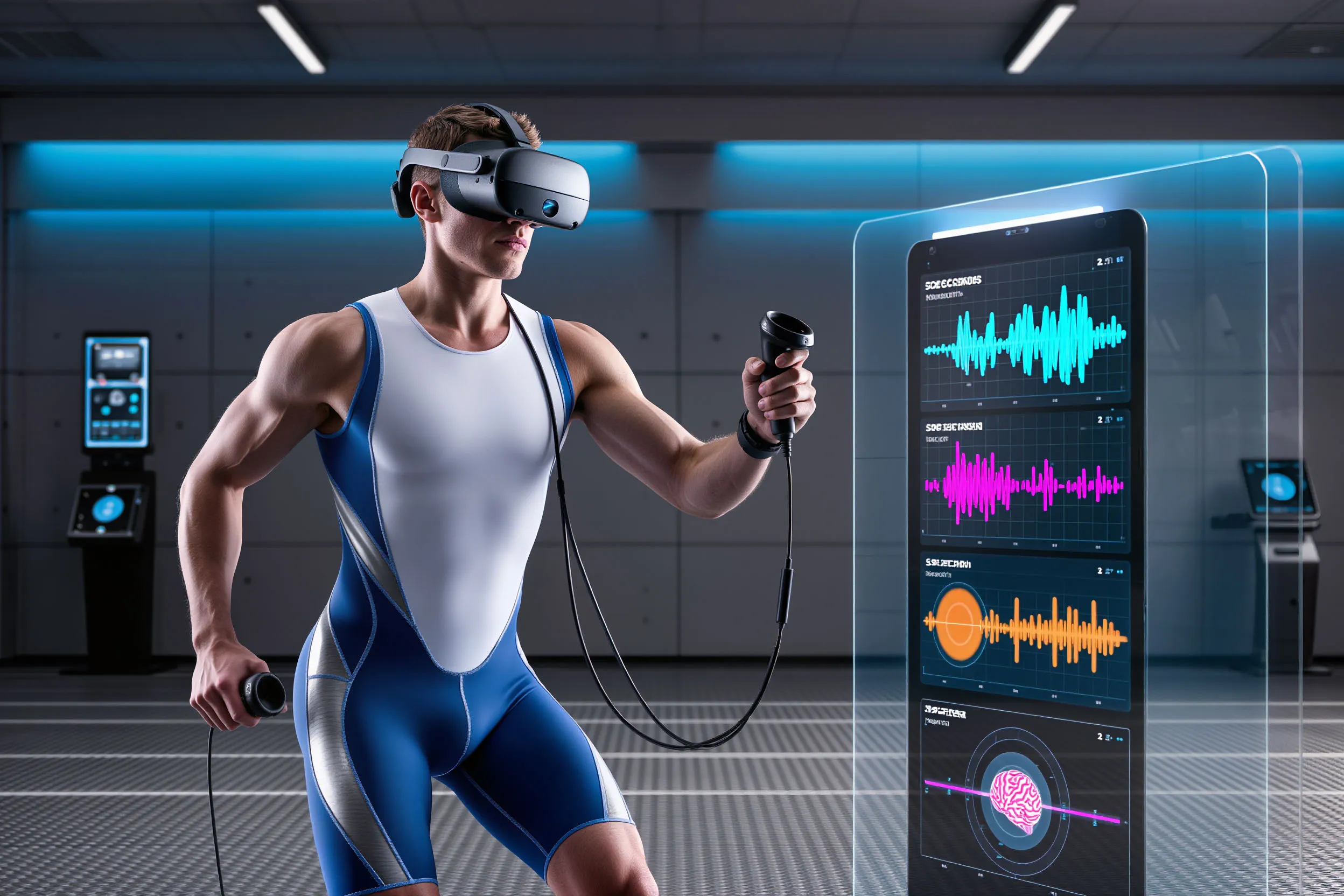
The core technological advantage lies in its integrated design. NeuroVR does more than simply capture the brain’s bioelectrical activity. It instantly analyzes key psychophysiological parameters, including concentration, stress, and fatigue levels. Data transmission takes place via a radio channel, allowing free movement and uninterrupted experiments or therapeutic sessions. This integration of EEG and VR into a single platform represents a meaningful breakthrough for Russian science and the domestic IT sector, signaling the ability of local developers to compete in a global technology landscape.
Where the Interface Can Be Applied
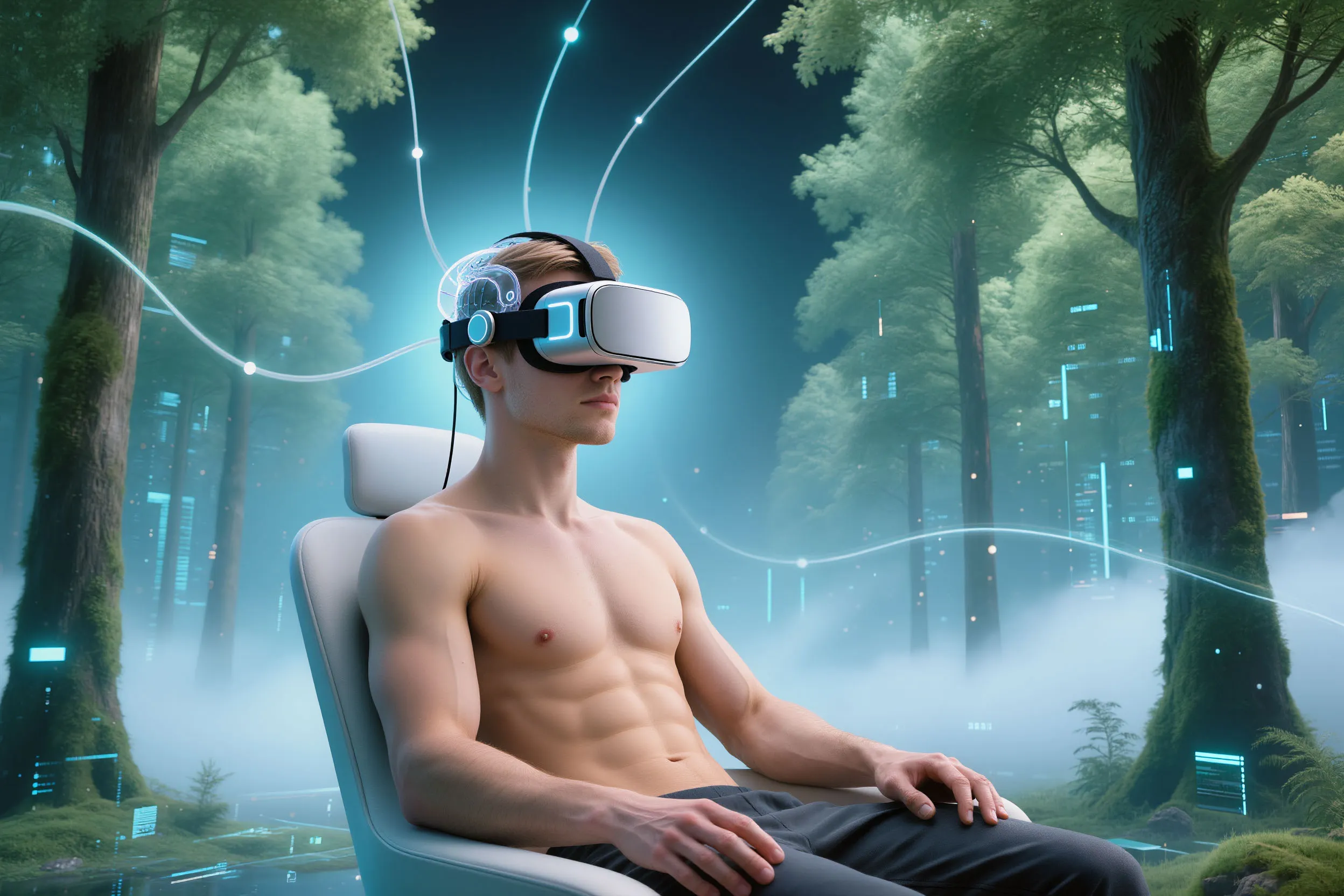
The potential applications of NeuroVR are broad. In healthcare, the system could be used to closely monitor patients during rehabilitation after strokes or traumatic injuries, including programs focused on restoring speech or motor functions. In professional screening for high-stress occupations such as pilots, emergency responders, or military personnel, the interface enables VR-based simulations paired with objective assessments of stress resilience under extreme conditions.

In education, NeuroVR could help adapt learning programs to the cognitive state of students in real time. In game development, the technology offers a way to prevent player overfatigue by dynamically adjusting difficulty levels and content based on a user’s current mental state.
From Pilot Projects to Global Markets
The technology is currently in the testing phase, but its developers see commercialization as a near-term prospect. Within Russia, NeuroVR could be integrated into initiatives under the national Digital Economy program, as well as neurotechnology tracks within the National Technology Initiative. Export opportunities include telemedicine, corporate training, and extended reality solutions.
At the same time, there are clear barriers ahead. Certification requirements, particularly for medical applications, remain a major hurdle. The platform also faces competition from established international brain-computer interface ecosystems, such as OpenBCI and solutions developed by research groups at institutions like UCLA.
Context: Not the First Globally, but a Domestic First
Over the past five years, neurointerfaces have advanced rapidly worldwide. International research teams have experimented with embedding EEG monitoring into VR environments, while artificial intelligence algorithms have improved the accuracy of brain signal interpretation.
Russia has also pursued research in this field, but NeuroVR stands out as the first fully realized domestic platform that combines real-time neuromonitoring and virtual reality in a single, wireless system with an interface ready for applied use.
What Comes Next
The Penza State University team plans to launch pilot projects in clinics and training centers within the next one to two years. Over a three-to-five-year horizon, the developers anticipate export expansion and deeper integration with artificial intelligence for advanced data analysis. Looking further ahead, within a decade, technologies of this kind could become a standard component of digital medicine and intelligent educational environments.