Virtual Testbed for Drones
SAFU is launching development of a homegrown drone simulation environment, aligning with Russia’s federal push for technological sovereignty in unmanned aviation.
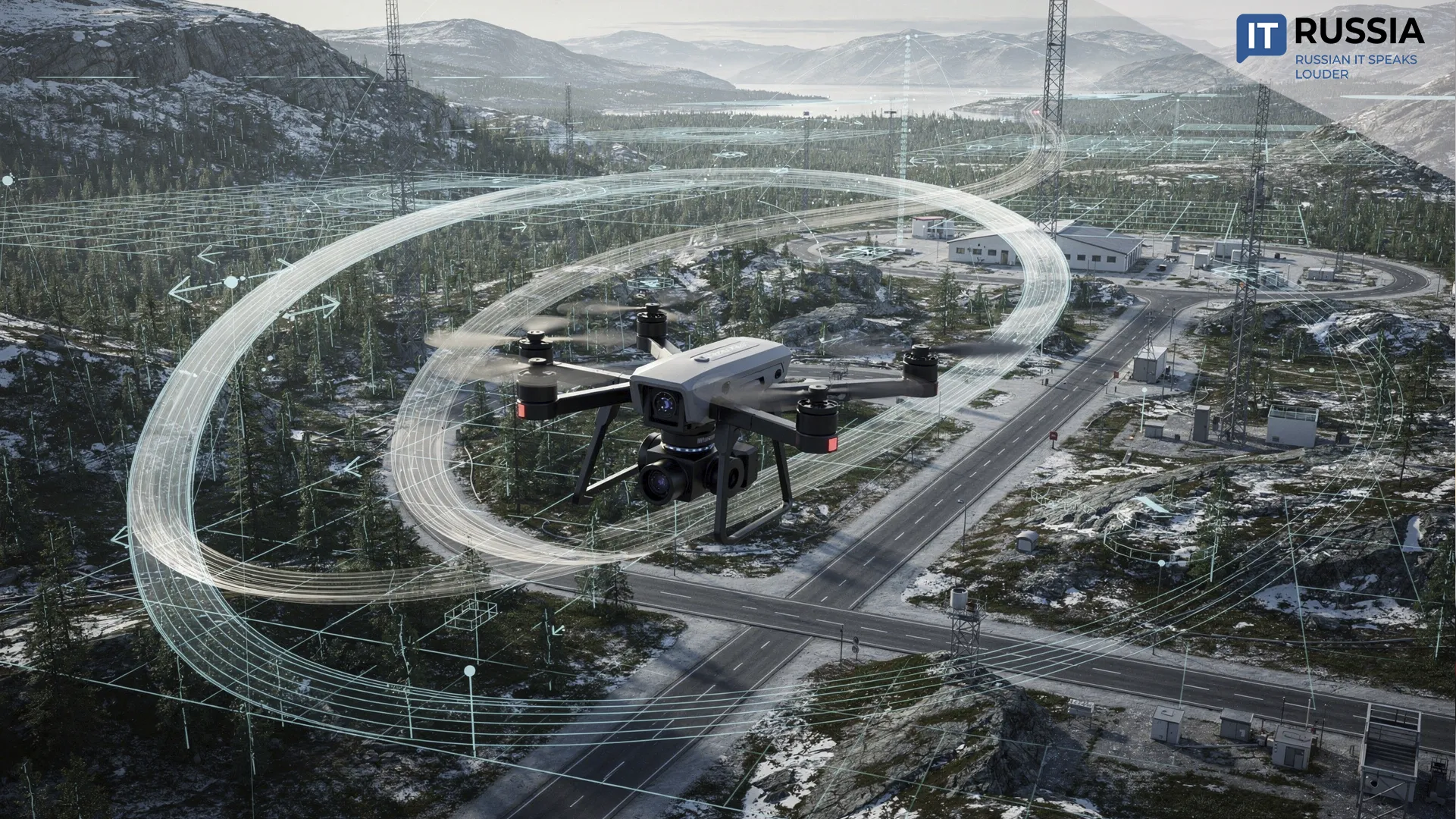
Andrey Filippov, a master’s student at Northern (Arctic) Federal University named after M.V. Lomonosov, won the Umnik-2026 (Young Innovator-2026) competition with a project to develop an integrated environment for aeromechanical simulation of multirotor unmanned aerial systems. The grant of 500,000 rubles (about $5,800) covers one year, after which Filippov is expected to deliver a viable software product.
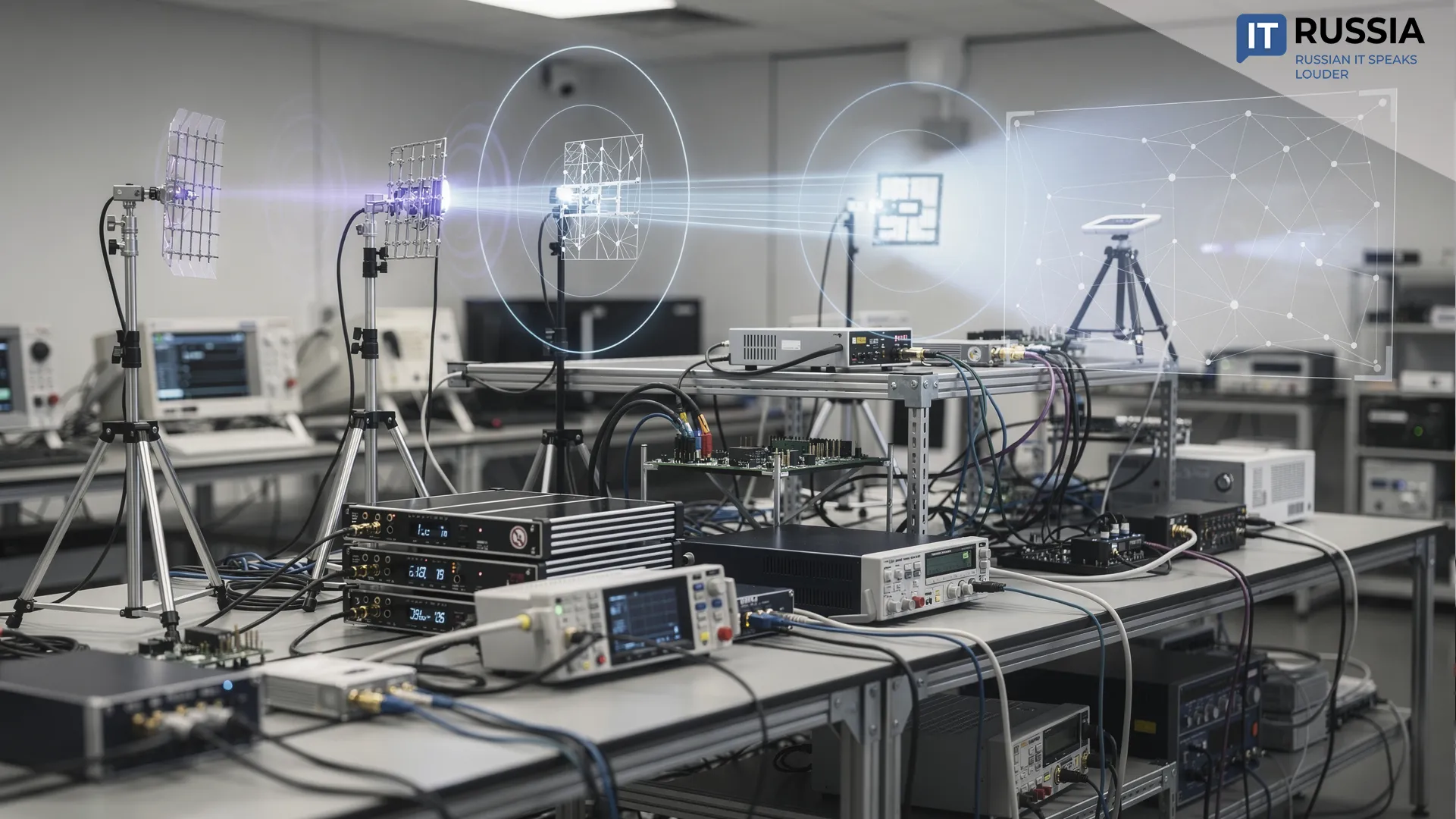
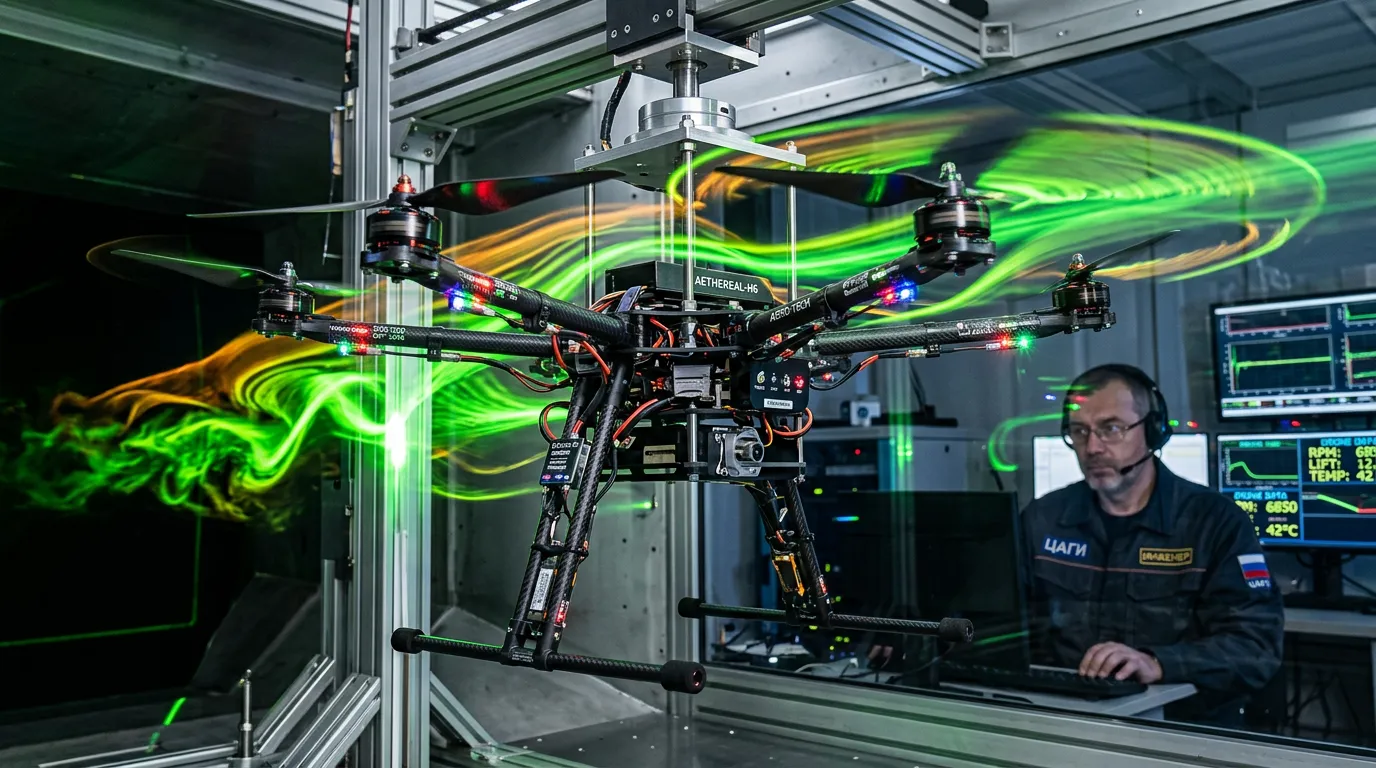
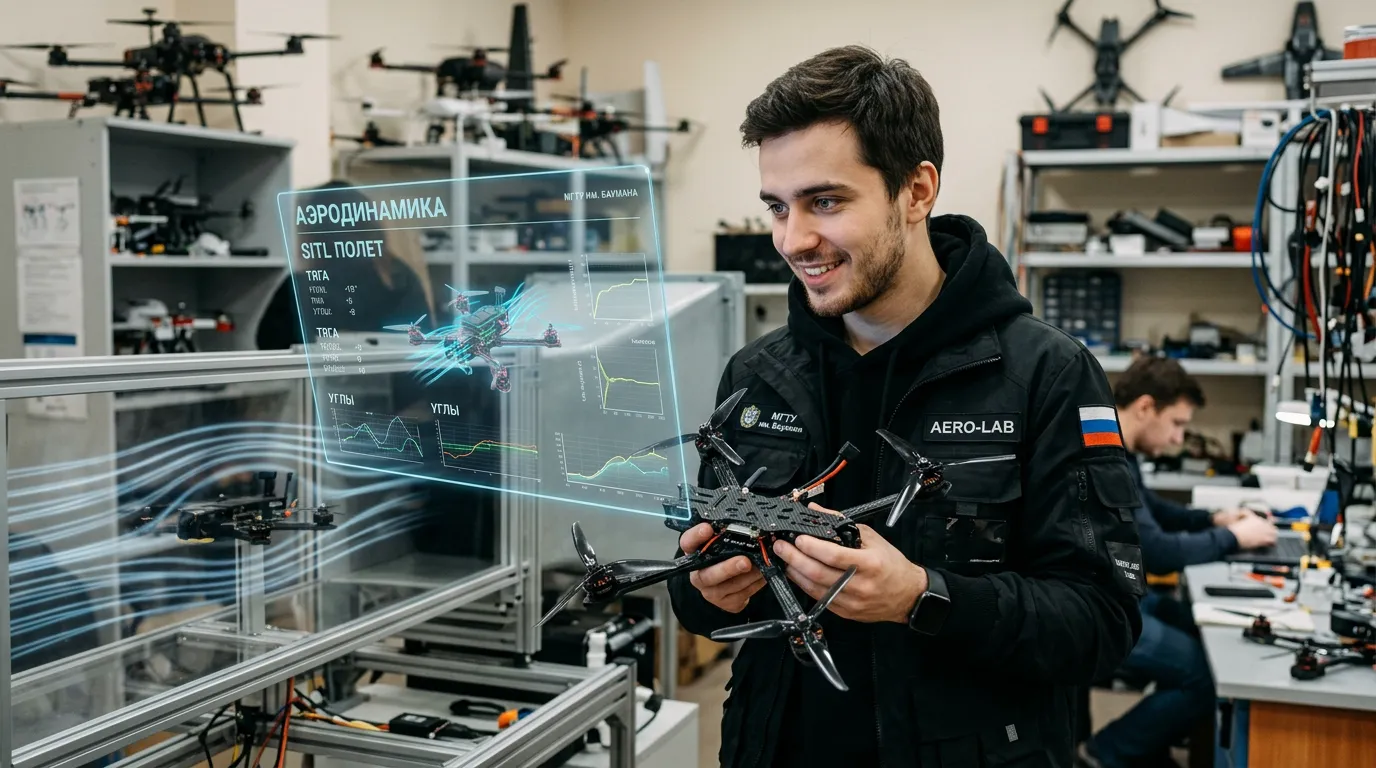
The goal is to create a tool that lets engineers test flight firmware and control algorithms without risking a real aircraft. The system will include a physics engine, a software-in-the-loop (SITL) bridge for connecting real flight firmware to a virtual environment, a module for configuring aircraft parameters, and a 3D visualizer with telemetry. The architecture is designed to be open and compatible with existing solutions.
The project falls within one of the fastest-growing areas of drone technology: software for unmanned aerial systems, simulation, verification, digital testbeds and the replacement of imported engineering tools. The development also fits naturally into the infrastructure of the Digital Arctic IT Park, which opened at Northern (Arctic) Federal University in 2022.
A Domestic Niche With Export Potential
Within Russia, the project's prospects are stronger than its export potential. Its main market would be engineering teams, university laboratories, training centers and small drone manufacturers. After completing their grant-funded work, Umnik winners are required to apply for a patent, prepare a business plan and go through pre-acceleration. That gives the project a defined path toward commercialization.
The most likely application for new tools of this kind is education. Since April 2024, Russia has been running a pilot project to establish a continuous training system for professionals working with drones weighing up to 30 kilograms, with the program scheduled to run through the end of 2029. The second area is engineering development: testing firmware without traveling to a physical test range is particularly valuable for small teams with limited budgets. The third is replacing imported engineering software, where reliance on foreign simulators is viewed as a vulnerability.
From Local Initiatives to a Government Priority
The Arkhangelsk project can be seen as part of a broader shift. The Digital Arctic IT Park opened in 2022 as a platform for digital skills and technology projects focused on the Arctic. In 2023, the Russian government approved a strategy for developing unmanned aviation through 2030, setting an accelerated growth scenario in which domestic demand would exceed 1 million unmanned aerial systems by 2030 and Russian-made products would account for 70% of the market.
Russian simulators had already begun appearing on the market in 2024–2025. Kvadrosim (Quadrosim) was added to the Russian software registry and is positioned as a national UAV simulator for educational institutions. UAVProf Drone Simulator was also added to the registry and works with digital twins of real unmanned aerial vehicles. These products primarily address the training segment, preparing operators. The SAFU student's project targets an adjacent but less crowded niche: engineering verification of firmware and control algorithms, testing the systems themselves rather than their pilots.
In the global context, virtual testbeds for drones are part of a broader technology trend. Microsoft Research launched AirSim in 2017, while NVIDIA Isaac Sim offers physically accurate virtual environments with ROS 2 integration. The Arkhangelsk project adds another entry to this emerging international pool of drone simulation technologies.

Experts say Russia's unmanned aviation industry is shifting its focus from individual aircraft to a broader software ecosystem that includes simulators, digital testbeds, firmware verification, workforce training and lower development costs. SAFU is launching a virtual laboratory that could make UAS testing both cheaper and safer. The project fits the federal push for technological sovereignty. If testing proves successful, the product could become part of SAFU's regional specialization in robotics and Arctic applications.