Vladimir Leshchenko: AI Set to Become Infrastructure Like Electricity and the Internet by 2035
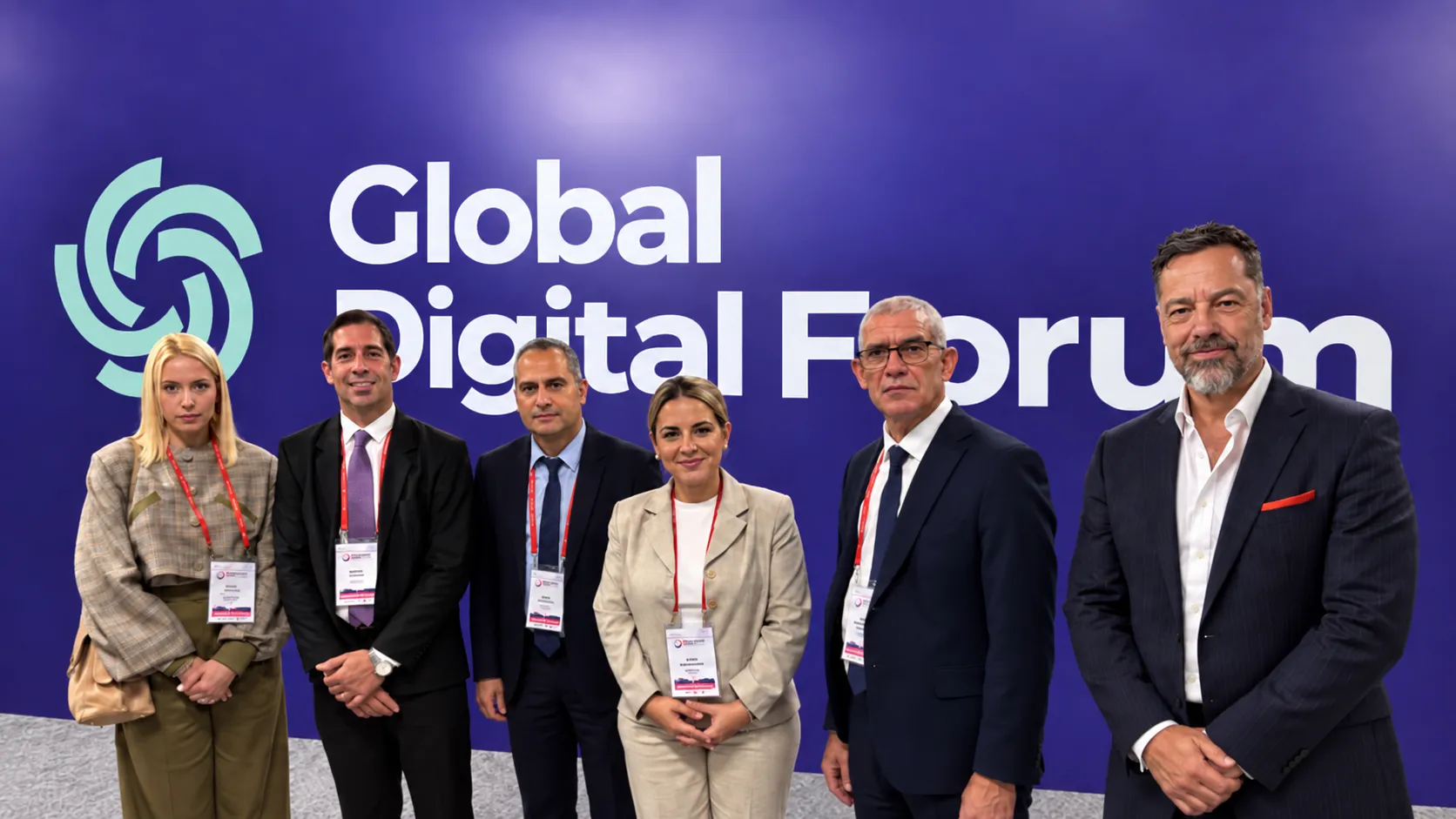
Representatives from dozens of countries will gather in Moscow from Oct. 8 to 10 for the 2nd Global Digital Forum to discuss how to build technology partnerships and integrate digital solutions into national ecosystems.
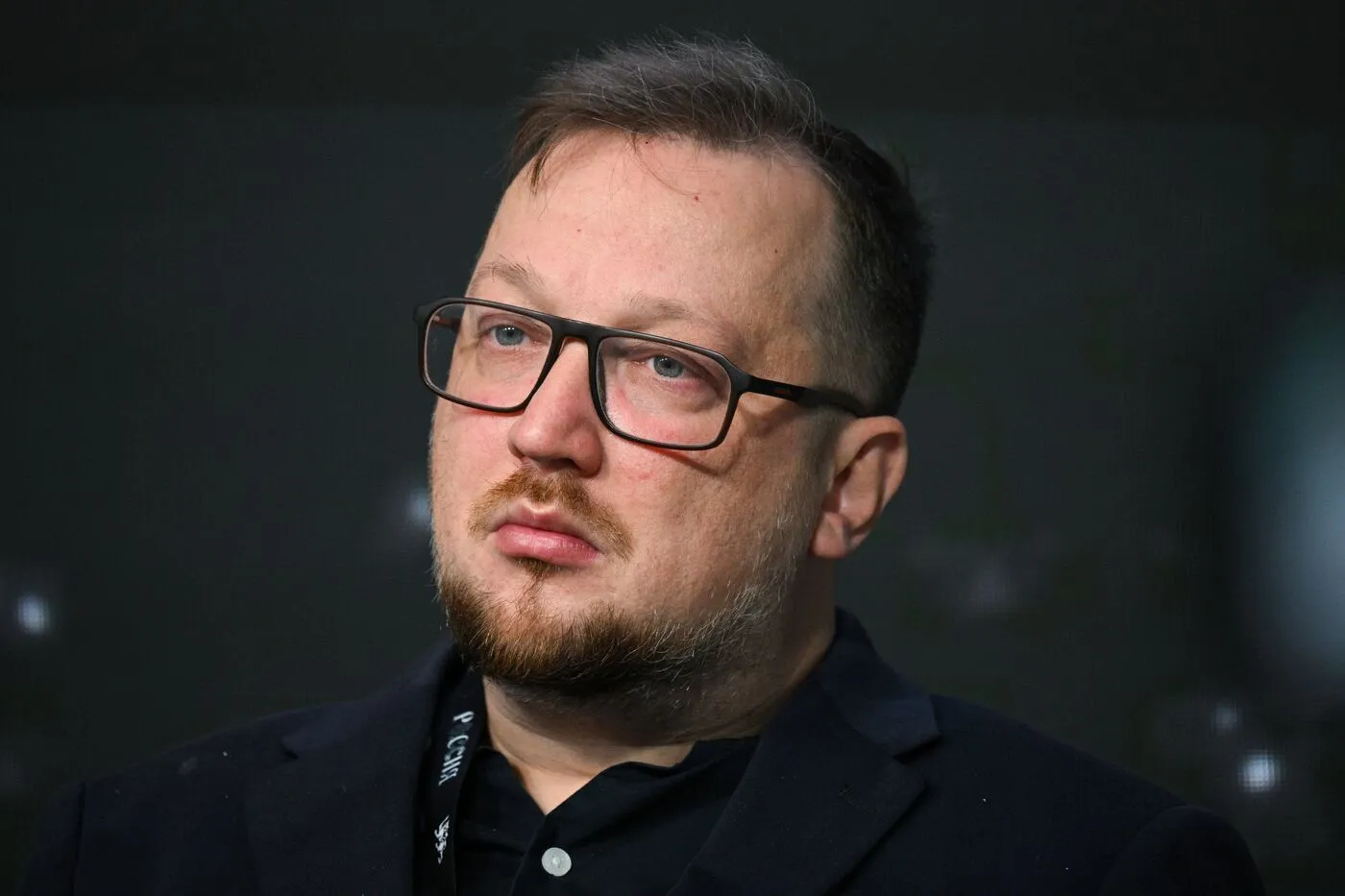
Vladimir Olegovich Leshchenko, an artificial intelligence and knowledge management expert, spoke to the IT Russia about how AI is moving from experimentation to practical applications, what legal framework is being developed for it in Russia, and why AI will not replace humans.
– We live in an era when technology has stopped being just a tool. Artificial intelligence is already moving beyond the stage of experiments and hype: the key question is no longer ‘Can we do this?’ but ‘What measurable benefit does it provide?’ The main trend in the coming years will be applied AI: intelligent assistants for employees, document workflow automation, data analytics and work with corporate knowledge. By 2035, AI will become the same kind of fundamental infrastructure as electricity and the internet are today.
But AI adoption is impossible without taking the legal framework and information security requirements into account. In Russia, this foundation is already taking shape: the National AI Development Strategy, the AI Ethics Code, experimental legal regimes, requirements under the personal data law and legislation on the security of critical information infrastructure, as well as a dedicated federal law on AI. Companies need to organize their use of AI so that data is processed in a secure environment, models are transparent and controllable, and responsibility for decisions remains with people. Without our own technological base and sovereign data-processing solutions, we will not be able to guarantee either the protection of citizens or the resilience of businesses and the state. Our task is to create a legal framework that ensures technological sovereignty without stifling the development of the domestic IT industry.
I would also like to address the fear that AI will replace humans. This fear is understandable, and we need to address it openly through training, employee involvement and honest dialogue. Experience shows that AI takes over routine tasks, not the meaning of work. It frees up time for creativity, expertise and decision-making, making professionals more capable and processes and companies more efficient. Those who learn to work with AI, rather than fear it, will be the ones who benefit. AI is not a replacement for people, but an amplifier of human capabilities.