

Portable MRI Brings Imaging to the Patient’s Bedside
Work began in Russia in early 2022 on a device the country had never built before. By mid-2026, a team of engineers and physicists had already tested an experimental prototype. The system can now detect magnetic resonance signals, and by the end of the year it is expected to convert those signals into diagnostic images. Here is a closer look at Russia’s first portable MRI scanner.
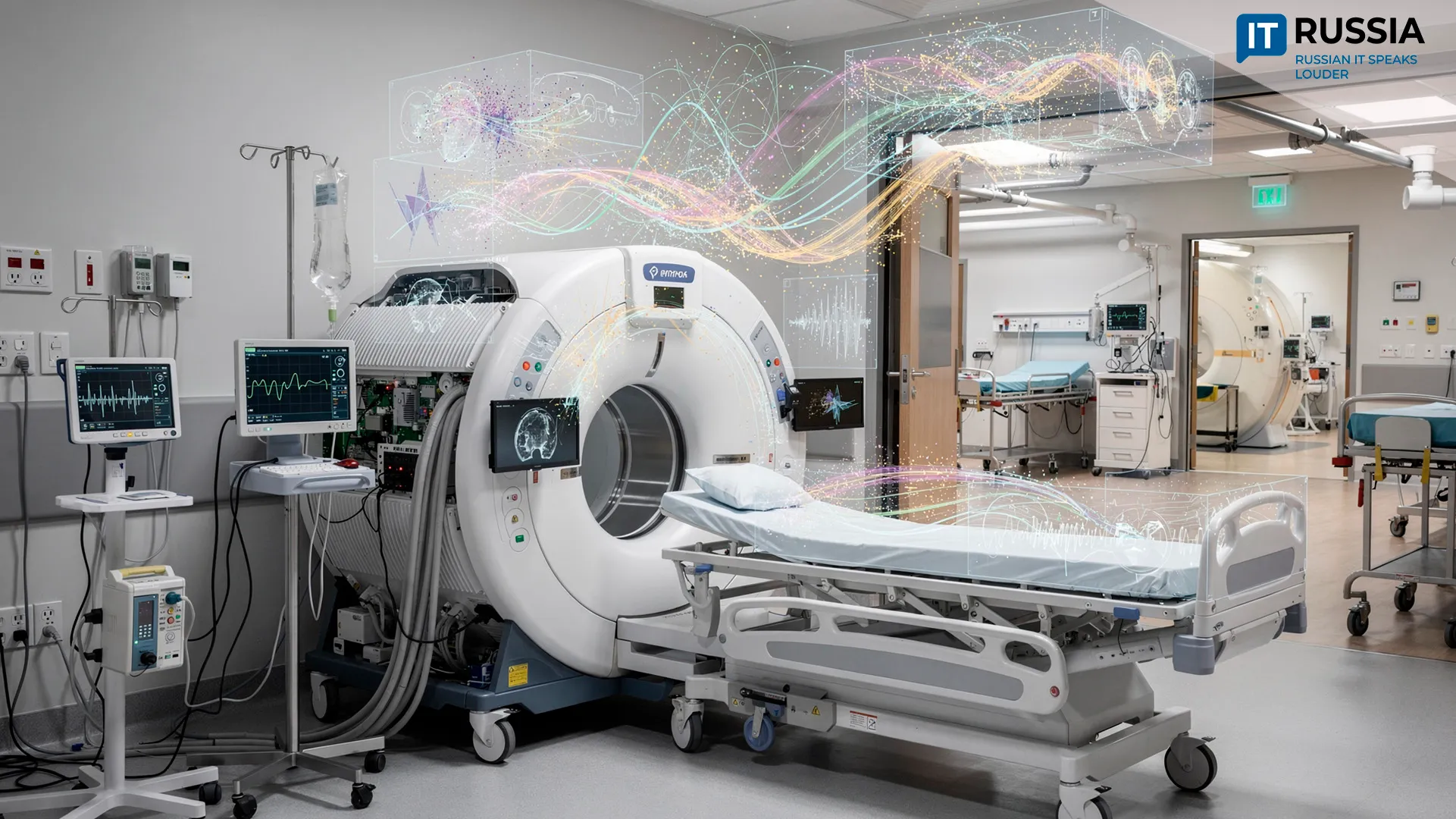
Anyone who has ever seen an MRI scanner knows how massive these machines are. A conventional system can weigh several tons and requires a dedicated shielded room, known as a Faraday cage, to prevent external radio interference from degrading image quality. Its superconducting magnet must be continuously cooled with liquid helium, which in turn requires outdoor chillers and cryogenic piping. As a result, a single MRI unit costs more than 100 million rubles (about $1.3 million), while annual maintenance typically adds another 10–15 million rubles (about $130,000–$200,000).
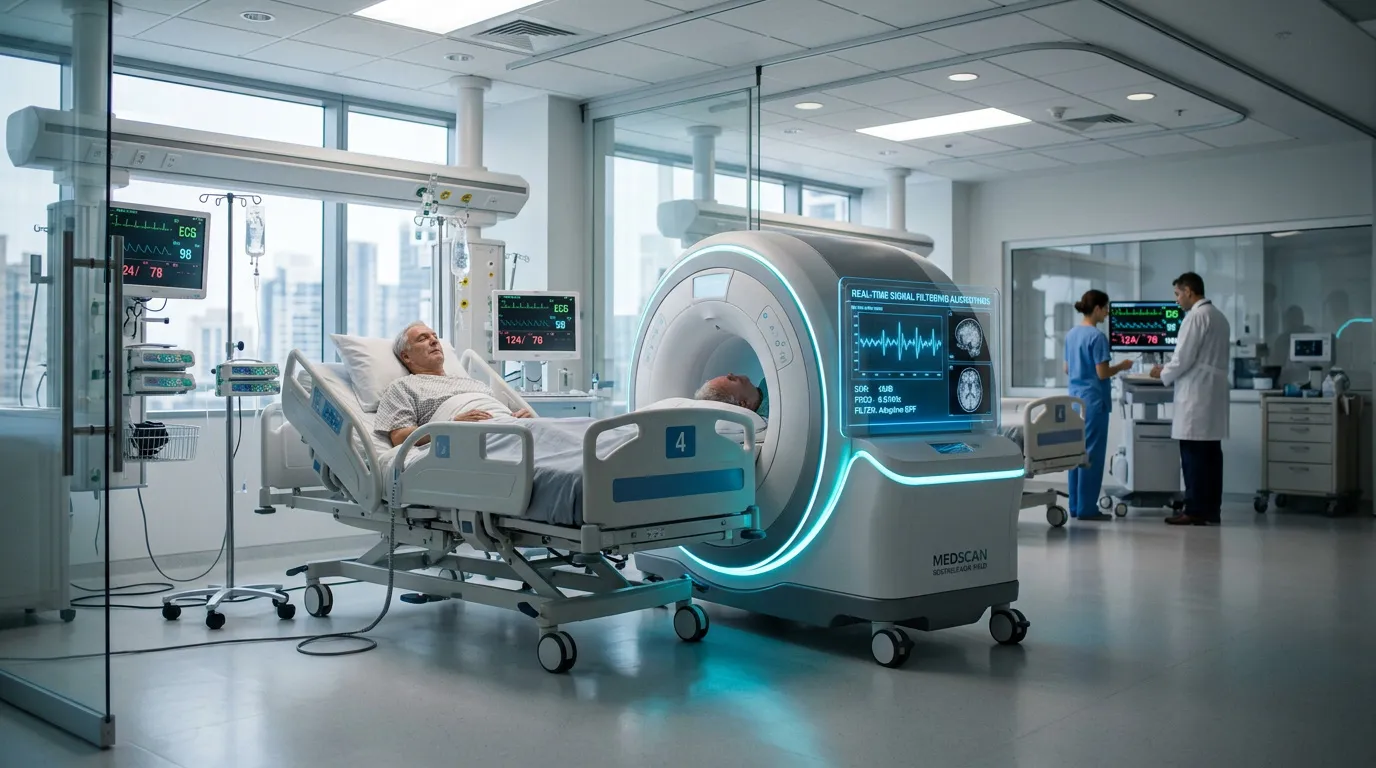
The development created at ITMO University fundamentally rethinks that model. This portable MRI scanner operates in a low magnetic field of 70 millitesla, compared with the 1.5–3 tesla fields used in conventional hospital systems. It requires neither helium nor a specialized shielded room, and it runs from a standard 220-volt electrical outlet. The device is also dramatically lighter, making it possible to move it between patient rooms or even load it into an ambulance. The concept represents a significant departure from traditional MRI design.
Neural Network Replaces the Faraday Cage
The primary technical challenge facing low-field MRI systems is signal weakness. Useful signals can easily be overwhelmed by noise generated by surrounding equipment and even by the patient. Traditionally, the solution has been to isolate the scanner inside a heavily shielded environment. Russian engineers chose a different path.
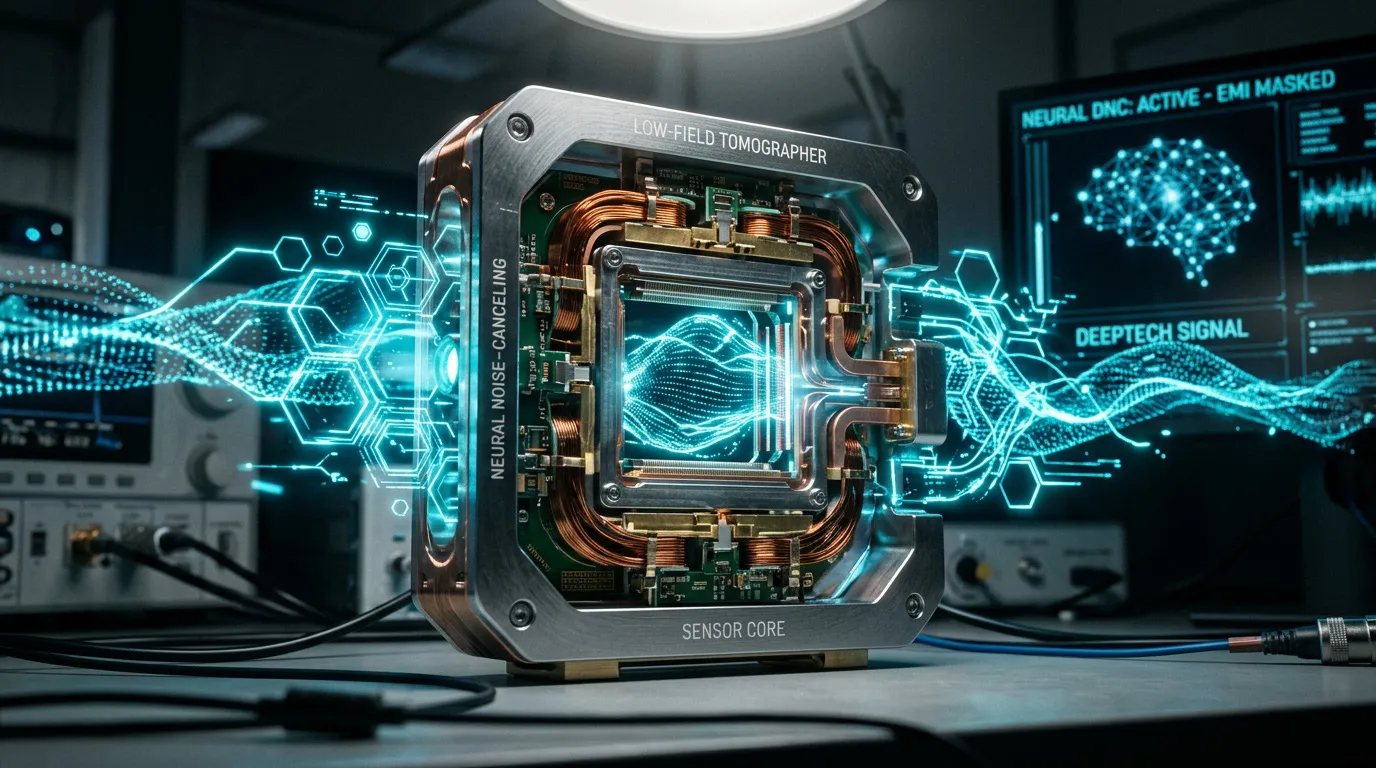
Additional antennas were installed on the housing of the portable scanner. These antennas capture environmental interference present in the room. A built-in machine learning system identifies that interference in real time and subtracts it from the signal received from the patient. Importantly, the algorithms operate on the original radio-frequency signals rather than on completed images. That approach reduces the risk of introducing artifacts that were never present in the underlying data.
The neural network adapts not only to the environment but also to the patient. Muscle tissue, fat, blood, and other biological structures conduct radio waves differently, effectively turning the body itself into an antenna that picks up interference. The algorithm continuously analyzes these changing distortions and compensates for them so that the useful signal remains clear. In practice, intelligent electronics and AI are accomplishing tasks that previously required tons of steel and thick layers of copper shielding.
Who Could Benefit First?
The biggest beneficiaries of the technology are likely to be patients for whom conventional MRI is either unavailable or contraindicated. A magnetic field of 70 millitesla is considered safe for people with metallic implants, including fragments, prostheses, and clips. That could make imaging accessible to patients who previously could not undergo MRI examinations.
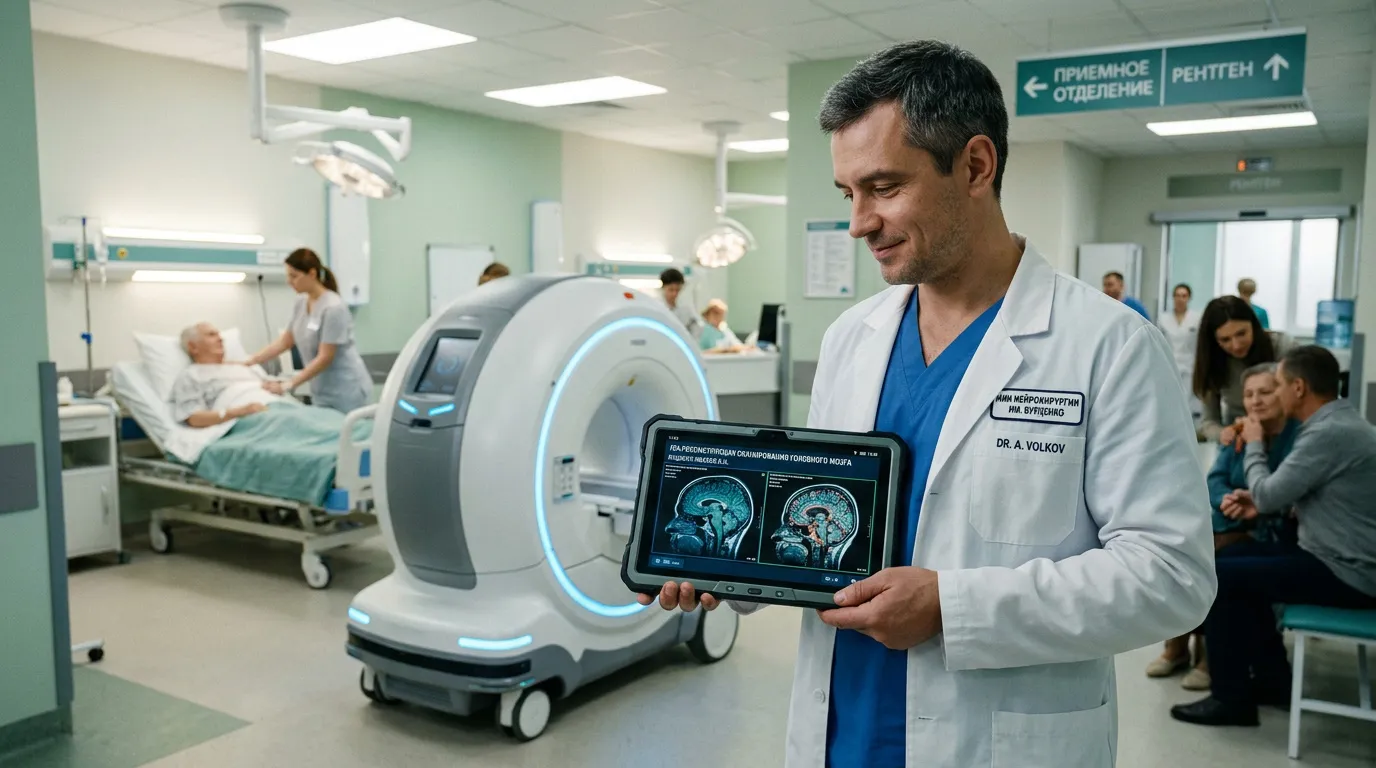
The portable MRI scanner can be wheeled directly to the bedside of immobile patients or individuals in intensive care. Transporting critically ill patients from a ward to an imaging suite always carries risk, especially for those on mechanical ventilation or recovering from stroke. The new system reverses that workflow by bringing diagnostics to the patient. The device could also be used in emergency departments, mobile intensive-care units, and, potentially, veterinary clinics for animal imaging.
Significance for Russian Healthcare
For the healthcare system, ITMO’s development could improve access to advanced imaging. Today, expensive high-field MRI systems are concentrated primarily in major cities and federal medical centers. Residents of smaller cities and district-level communities often have limited access to advanced neuroimaging. With an estimated cost of around 25 million rubles (about $320,000), the portable scanner is roughly five times less expensive than a conventional MRI system. That places the technology within reach of regional and district hospitals.
Globally, there are still relatively few portable MRI systems capable of operating without a Faraday cage or cryogenic cooling. The only device approved for clinical use by the FDA was developed in the United States. Russia currently has no comparable products on the domestic market, largely because the country relied on imported systems for many years and conducted little development in this area. In effect, Russia’s situation in this segment is now changing.
Once the portable MRI receives regulatory approval and enters serial production, it could find demand beyond Russia as well. Countries with constrained healthcare budgets across the CIS, Africa, and Southeast Asia face a pressing need for affordable and mobile diagnostic technologies.
From Laboratory Prototype to Production Model
For now, researchers have built an experimental prototype capable of detecting MR signals but not yet generating images. During 2026, the team plans to obtain its first scans. That will be followed by technical safety testing, clinical pilot studies, and medical-device certification. In the longer term, the project could become Russia’s first serially produced portable MRI system.