AI Guide to Help Visitors Navigate Peterhof Park
The State Museum-Reserve Peterhof is preparing to launch an AI-powered online guide for its Lower Park. The system is designed to help visitors plan walking routes and navigate the sprawling museum grounds more easily.
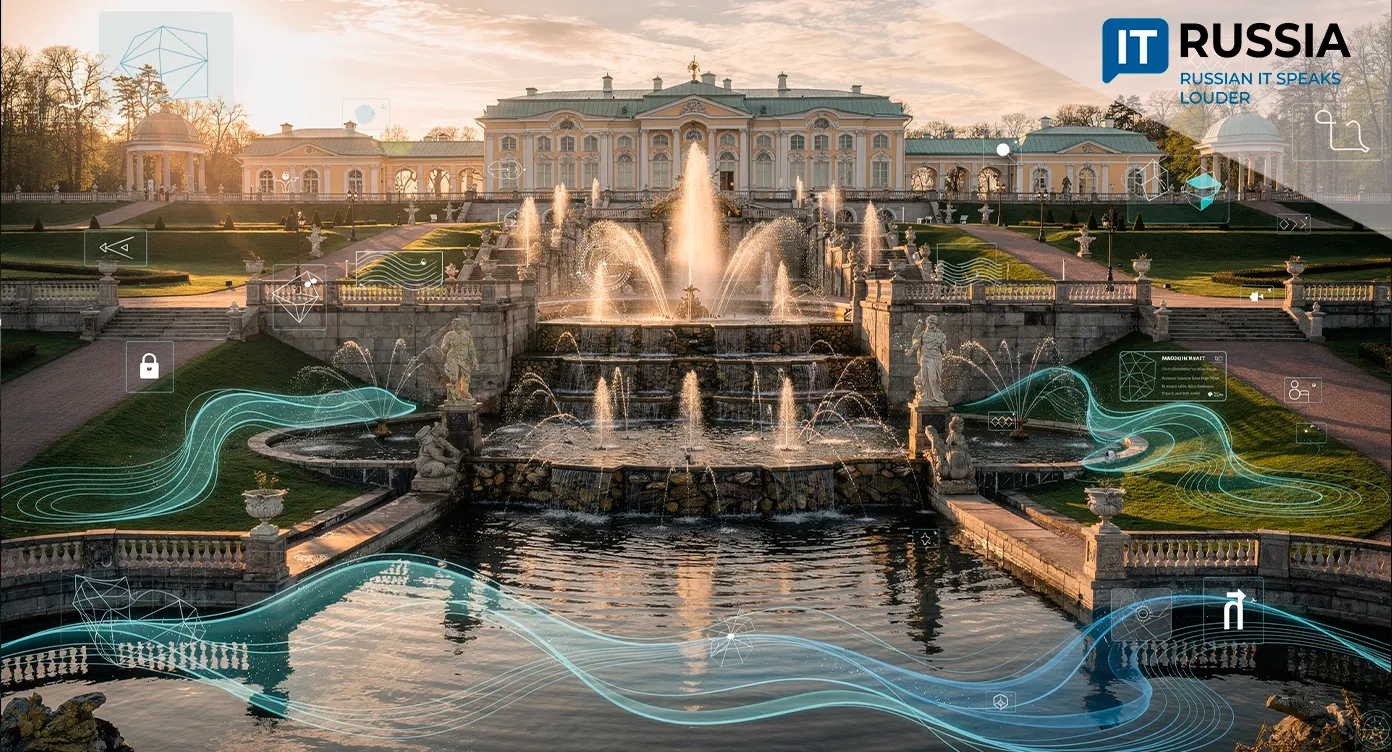
Peterhof welcomes more than 5 million visitors each year, while the number of independent travelers and foreign tourists continues to grow. In 2025, organized tour groups accounted for only about 20% of the park’s total tourist traffic. Most visitors now prefer to plan their own itineraries, excursions, and transportation independently.
AI-Powered Personalized Excursions
In an interview, museum director Roman Kovrikov said Peterhof has relied on new technologies for years, using them to handle routine administrative work such as document preparation. As personalized tours and independent travel become more common, the museum sees growing importance in digital infrastructure and AI adoption. One example already in use is an AI-powered rapid translation system that helps customize tourism services for visitors.
Specialists are now developing an AI guide for Peterhof that will allow guests to create personalized travel plans across the museum-reserve. The routes will be based on each visitor’s preferences and may look completely different from traditional guided-tour programs.
“We are preparing an online AI-based guide for the park that will help visitors build routes, check the weather in Peterhof, understand where it is best to go, where tickets can be purchased faster, and generally navigate the park’s large territory. That is exactly where artificial intelligence becomes useful for us. And wherever else it proves valuable in the future, we will confidently continue using it,” Roman Kovrikov said.
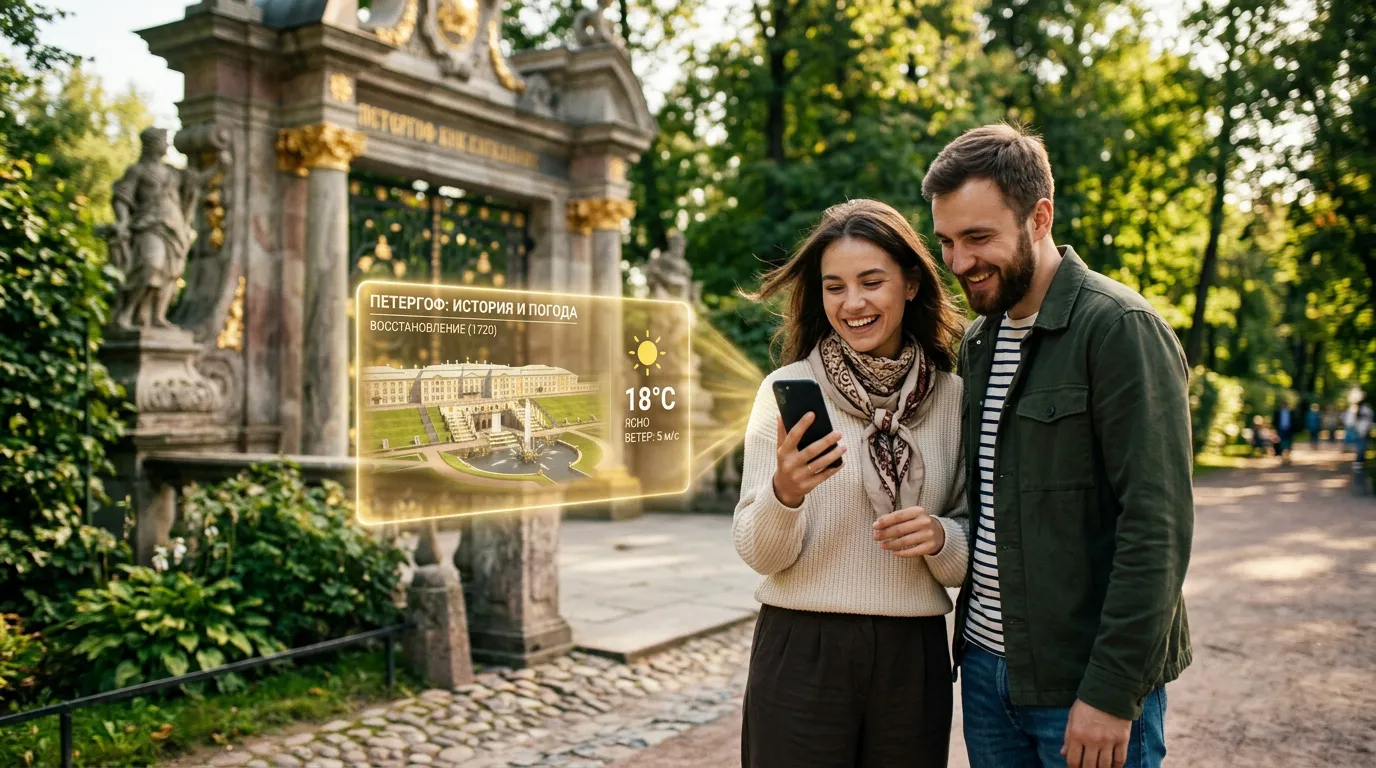
Navigation, Information, and Visitor Support
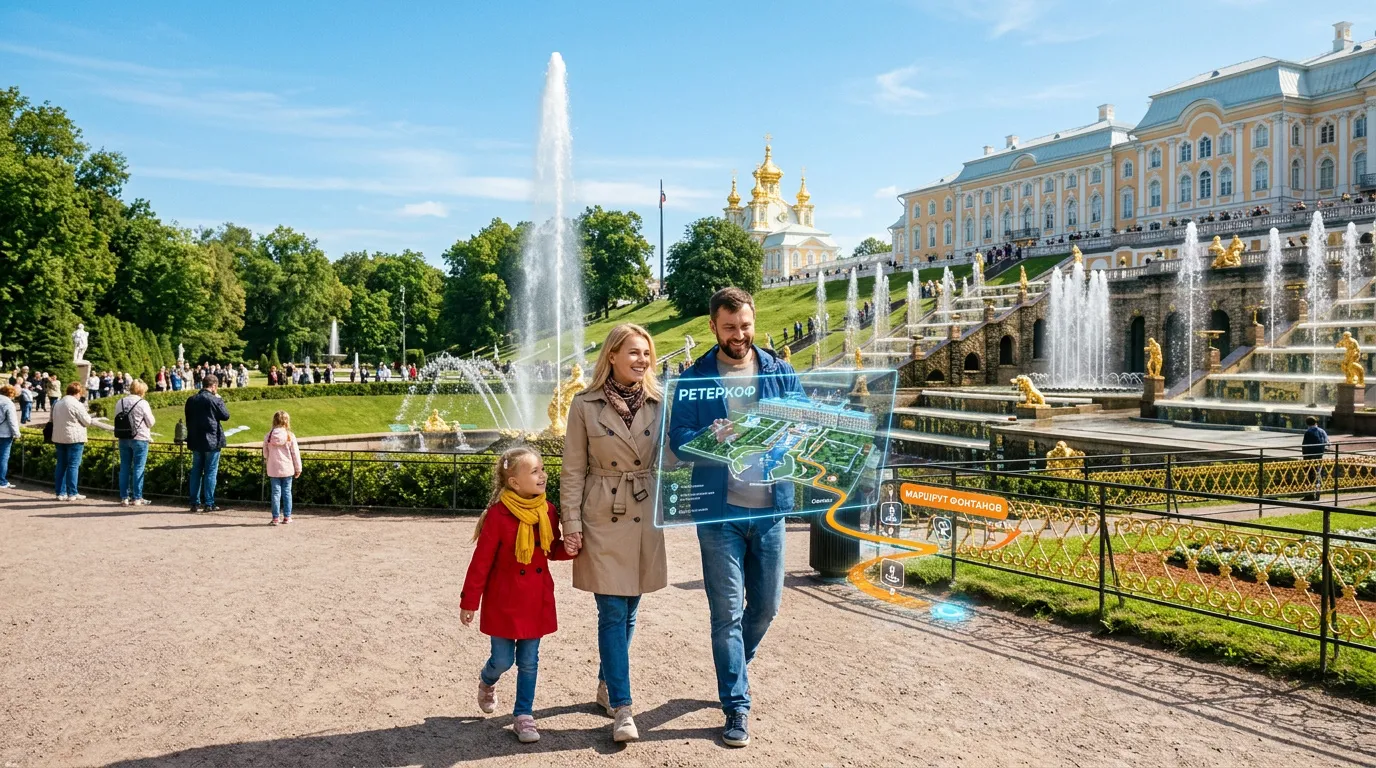
The AI guide is being developed to solve several practical problems at once: navigation, route planning, information support, reducing staff workload, and improving customer service quality. Visitors will find it easier to navigate the large park and plan routes based on time, weather, and entrance congestion. The service could be especially useful for families with children, elderly visitors, independent tourists, and foreign guests.
For St. Petersburg and the surrounding metropolitan region, the project also strengthens the area’s digital tourism infrastructure by introducing a new generation of visitor services. It offers a strong example of how Russian museums can apply AI not only in archival, restoration, or research work, but also directly in visitor engagement.
The initiative could eventually become a model for digitizing other large museum-reserves, parks, historical territories, and tourism clusters.
AI Guides for Museums Across Russia
Projects of this kind have already been actively tested in Russia for several years. In 2023, the company Promobot introduced PromobotNestedChat, an AI platform designed for digital museum guides. The assistant helps visitors choose exhibitions and events, answer questions, and book tickets and group tours.
In 2025, the Hermitage Museum introduced a chatbot for locating paintings. Computational linguists from HSE University’s St. Petersburg campus created an interactive chatbot that allows visitors to search the museum’s digital collection using descriptions instead of titles, artists’ names, or creation dates. The bot can also show where artworks are physically located inside the museum.
In 2026, the Russpass tourism platform added an AI-powered route-building system. Users enter a city or region, travel dates, and trip preferences, while the platform generates ready-made itineraries.
AI-driven trip planning is becoming part of mainstream tourism services. Peterhof is moving toward the model of a “smart museum-reserve,” where AI functions as an infrastructure-level assistant. In the near term, the online guide will likely evolve primarily as a navigation and information service. Later, it is expected to support multiple languages, ticket integration, event schedules, audio tours, and interactive maps.