AI Takes on Traffic Congestion in Russia's Far East
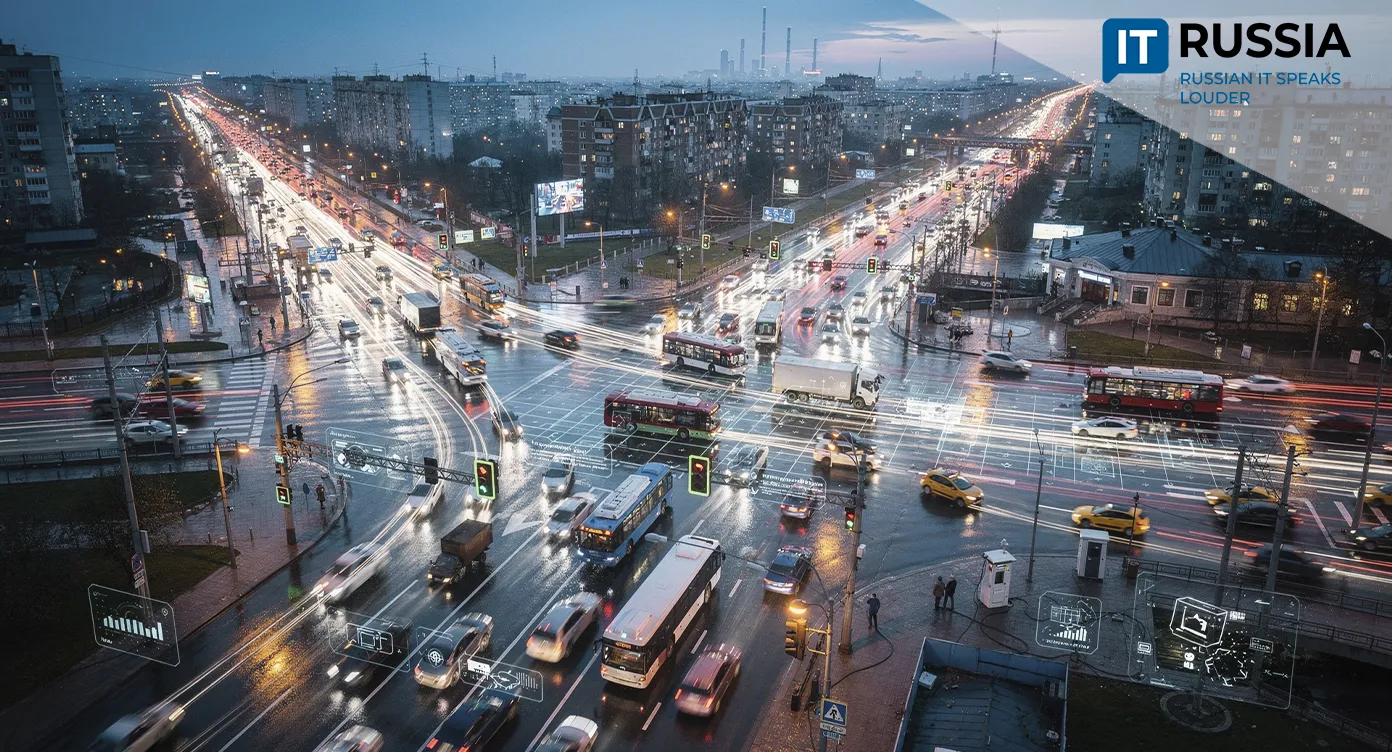
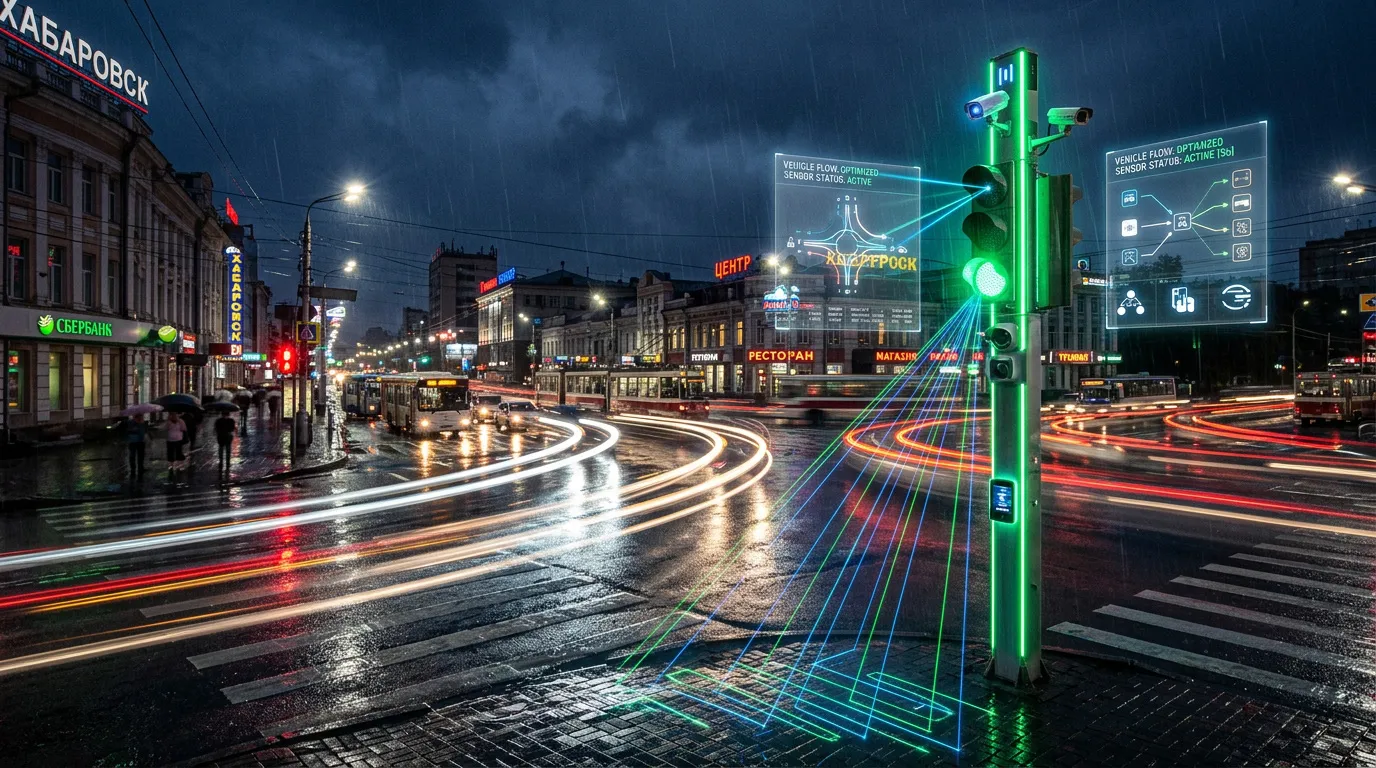
Khabarovsk is taking another step toward becoming a smart city: traffic signals equipped with artificial-intelligence capabilities have begun operating across the city.
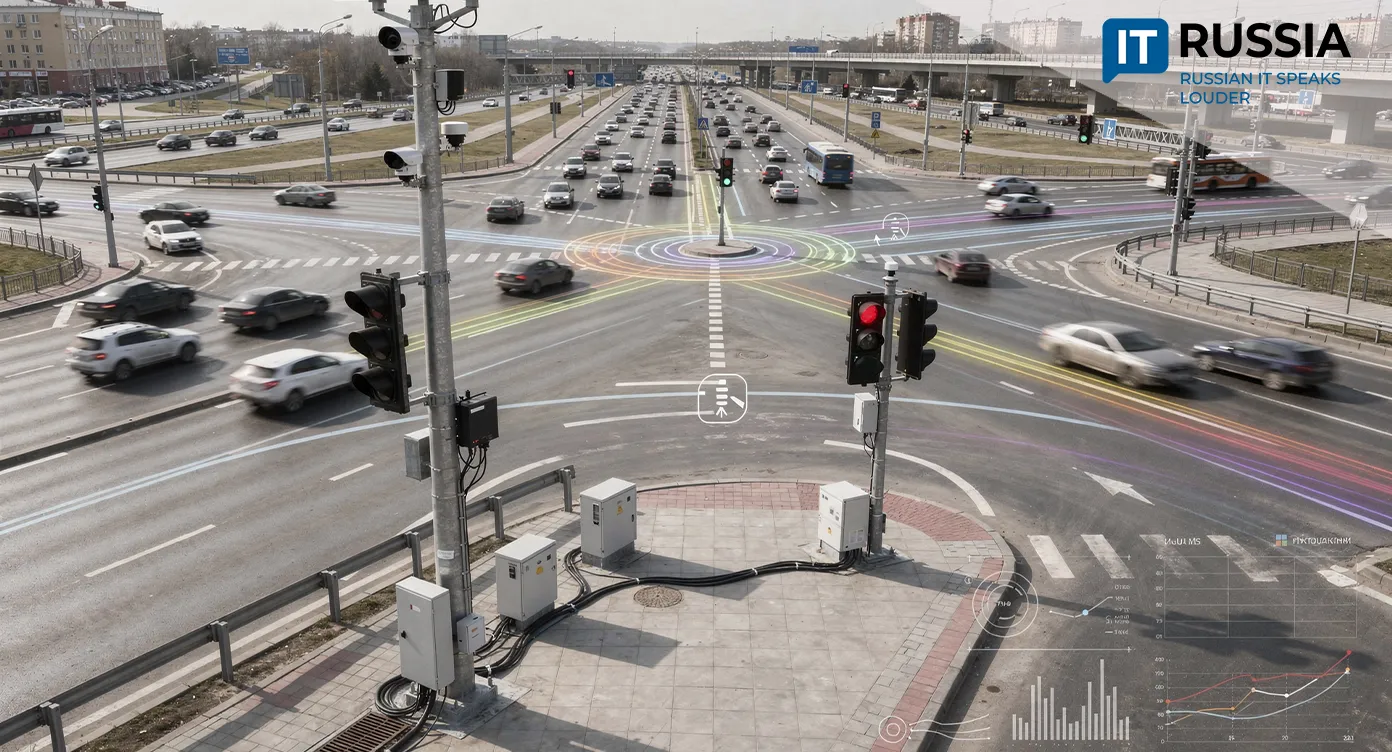
In 2026, Khabarovsk will install nine smart traffic signals at a cost of RUB 47.4 million (about $600,000), with another 40 intersections planned for 2027 at an estimated RUB 150 million (about $1.9 million). The first detectors have already been installed at the intersections of Karl Marx Street and Krasnodarskaya Street. The system relies on cameras and sensors while continuously learning. According to Dmitry Nechayev, Deputy Director of the Municipal Research and Production Center for Traffic Management, the AI studies each intersection for about a month, analyzing traffic flows and peak-hour patterns before developing an individualized signal-phase schedule.
The initiative is particularly relevant for Khabarovsk, which operates roughly 300 signalized intersections, many of which are still managed manually. AI deployment will allow the city to move from isolated adjustments to system-wide traffic management. For residents, that means fewer traffic jams, more predictable travel, and shorter journey times. For city authorities, it means increased road capacity and reduced pressure on traffic-management services.
Smart Traffic Signals Gain Momentum
The prospects for scaling the technology across Khabarovsk appear promising. The region has been deploying an Intelligent Transport System (ITS) since 2022 and already operates a data-processing center, specialized software, traffic controllers, traffic-detection systems, and weather-monitoring stations. In 2025, local authorities planned to modernize about 30 road-network facilities across the Tsentralny, Zheleznodorozhny, and Industrialny districts.
At the federal level, ITS development is also advancing rapidly. By the end of 2025, 32 urban agglomerations had reached the first level of ITS maturity, and authorities plan to increase that figure to 66 by 2030. Khabarovsk’s experience could serve as a model for other cities in the Russian Far East and regions facing similar transportation challenges.
The accumulation of operational experience in Russian cities is also valuable for developers of ITS technologies, video-analytics systems, and traffic-management platforms. Such solutions could attract interest from other countries with high vehicle ownership rates and overloaded intersections that require cost-effective infrastructure modernization.
The Road to Adaptive Traffic Management
The development of intelligent transport systems in Russia has progressed steadily. Deployment began in 2020 under the national project Safe High-Quality Roads and, since 2025, has continued as part of the Infrastructure for Life national project. Over five years, the number of participating cities has grown from 28 to 65.
Examples of successful transport digitalization have already emerged across the country. In the Kirov urban agglomeration, 163 signalized intersections had been connected to the ITS by 2022, with some operating in automatic mode. In Penza, adaptive traffic-management systems were installed at 18 intersections in 2025, while smart traffic signals at 13 heavily congested junctions analyze traffic density in real time. Moscow remains the flagship example: in 2026, the capital planned to increase the share of smart traffic signals to 80% and launch an AI-driven traffic-management pilot covering an entire neighborhood.
These examples show that Khabarovsk is not merely following a trend but is integrating into a large-scale federal programme to digitize road infrastructure.

Outlook for Khabarovsk and Russia
The deployment of smart traffic signals in Khabarovsk is not a one-time experiment but part of a long-term strategy. The project's greatest value lies not in the devices themselves but in the collection and analysis of traffic data. If the system demonstrates consistent results at congested intersections, it could logically be expanded to the city's main arterial roads, including Lenin Street, Pionerskaya Street, Pavla Morozova Street, and Krasnorechenskaya Street.
Over the next several years, similar solutions are likely to become standard across Russian urban agglomerations. Khabarovsk demonstrates that smart-city technologies are moving beyond national capitals and into major regional centers. Here, AI is not an abstract innovation but a practical tool for addressing everyday challenges: reducing congestion, improving road safety, and enhancing residents' quality of life.