

How Russian Scientists Are Printing Artificial Meat From Jellyfish and Pike-Perch
Researchers at Immanuel Kant Baltic Federal University have proposed a technology for 3D-printing artificial meat using bioinks derived from jellyfish and pike-perch skin. The new formulation is now awaiting industrial-scale trials.
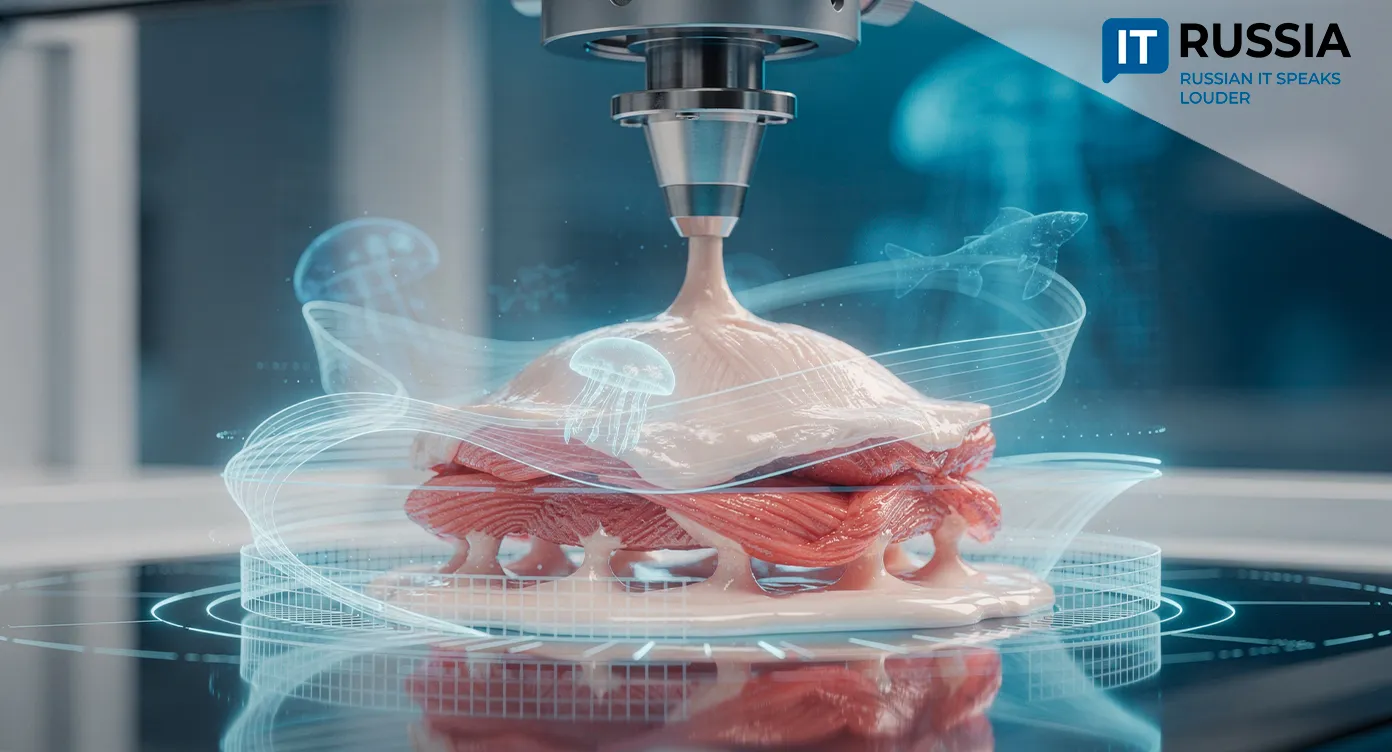
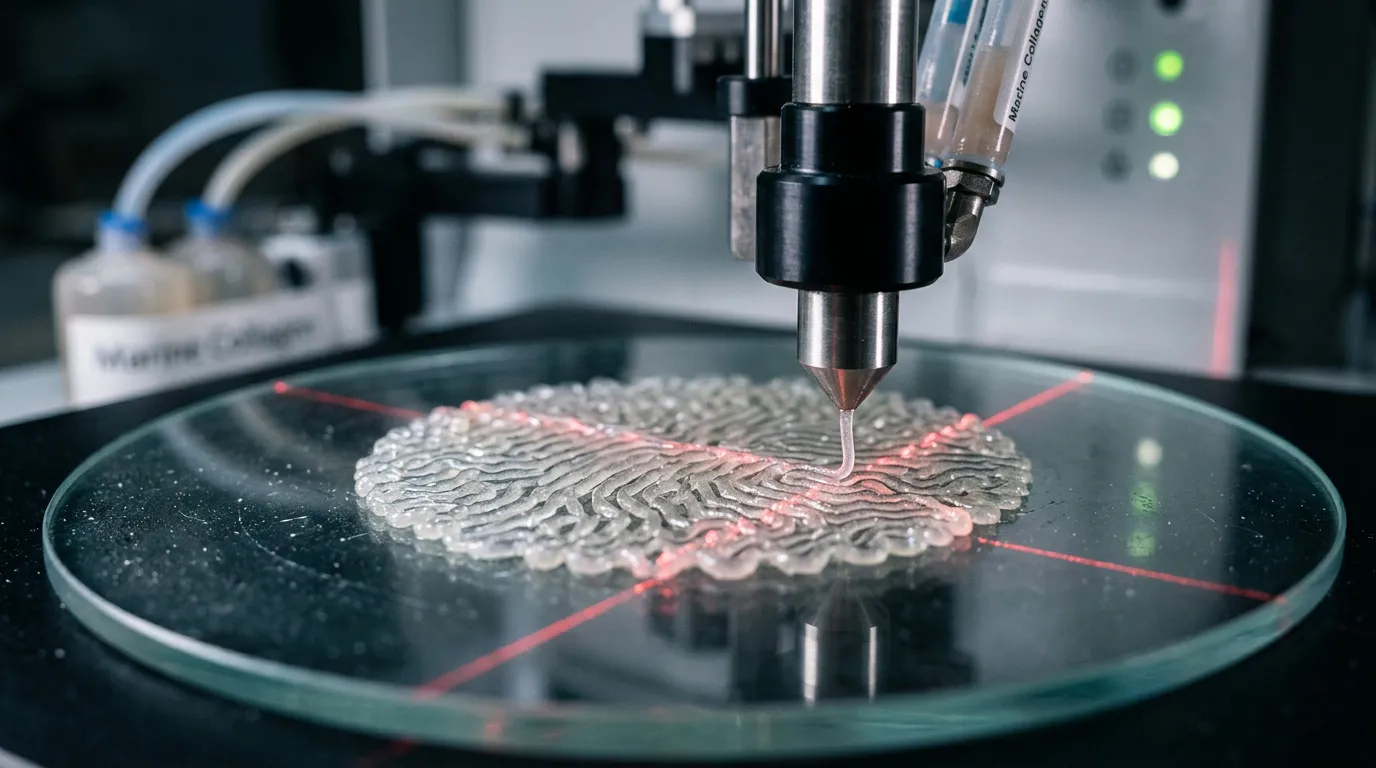
Scientists at Immanuel Kant Baltic Federal University (BFU) and researchers from Perm Polytechnic University have reported a breakthrough in food biotechnology. They have developed a unique bioink for 3D-printing artificial meat based on marine collagen extracted from moon jellyfish (Aurelia aurita) and pike-perch skin. The development marks an important shift away from conventional livestock-derived raw materials toward marine biological resources and byproducts of the fish-processing industry.
From Waste to Innovation
The key value of the new material lies in its dual efficiency. On one hand, it creates an alternative source of protein. On the other, it offers a productive use for fish-processing waste. According to published research, the material has already undergone toxicity testing and demonstrated compatibility with human cells. The technology is described as ready for industrial trials, although a considerable journey remains before such products reach supermarket shelves.
The Digital Kitchen: Why It Matters for the IT Sector
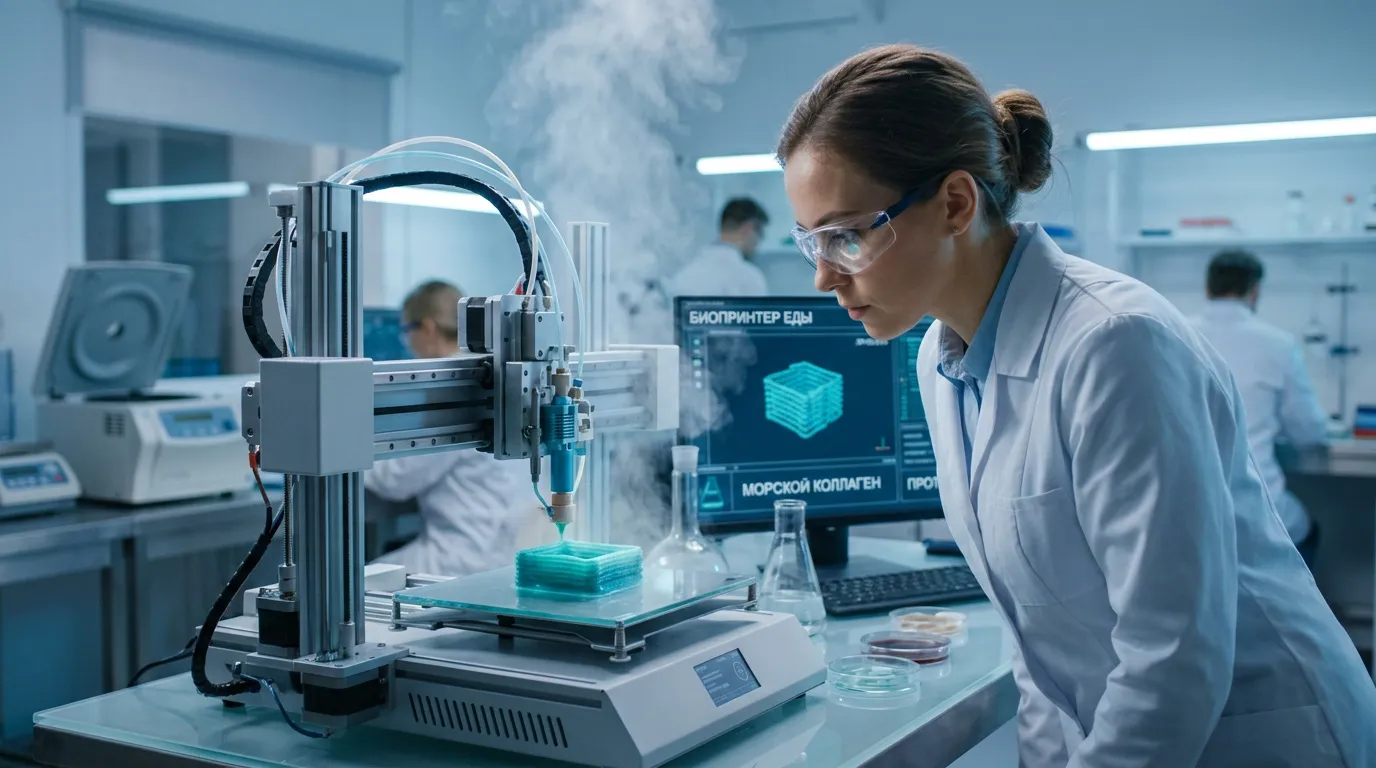
This work represents a fundamental advance in digital food manufacturing. Food 3D printing is, in essence, the creation of programmable product structures. It requires sophisticated 3D texture modeling, algorithmic control of chemical composition, and potentially the full automation of food production. The Russian development strengthens the country's expertise at the intersection of foodtech, biotechnology, and additive manufacturing, creating a foundation for future hardware-software solutions in this field.
A Global Trend and a Russian Retrospective
The Russian breakthrough fits squarely into the global search for alternatives to conventional livestock production aimed at reducing pressure on land and water resources. The story has deep roots. As far back as 2021, researchers worldwide were discussing experiments by the University of Bath involving cell cultivation on grass-based scaffolds, while Israel was already demonstrating industrial-scale 3D printers capable of producing plant-based meat.
Russia has also been actively developing the field. Efforts have ranged from forecasts of growth in the plant-based protein market in 2021 to work at Vyatka State University, which in 2024 incorporated whole plant cells into bioinks to mimic natural tissue structures. Against the backdrop of recent reports about 3D-printing meat from animal cells at Don State Technical University (DSTU), the work of BFU and Perm Polytechnic appears both a logical and distinctive evolution: the use of marine collagen to create more complex and natural textures.
Horizons of Development: From Exporting Formulations to Bioengineering
What opportunities could this technology create? Within Russia, the most realistic scenario involves the growth of a niche market for specialized protein products with tailored textures and enhanced nutritional value. As for exports, the more attractive opportunity may lie not in shipping the finished product itself but in commercializing intellectual property: bioink formulations, marine-collagen processing technologies, and the associated equipment.
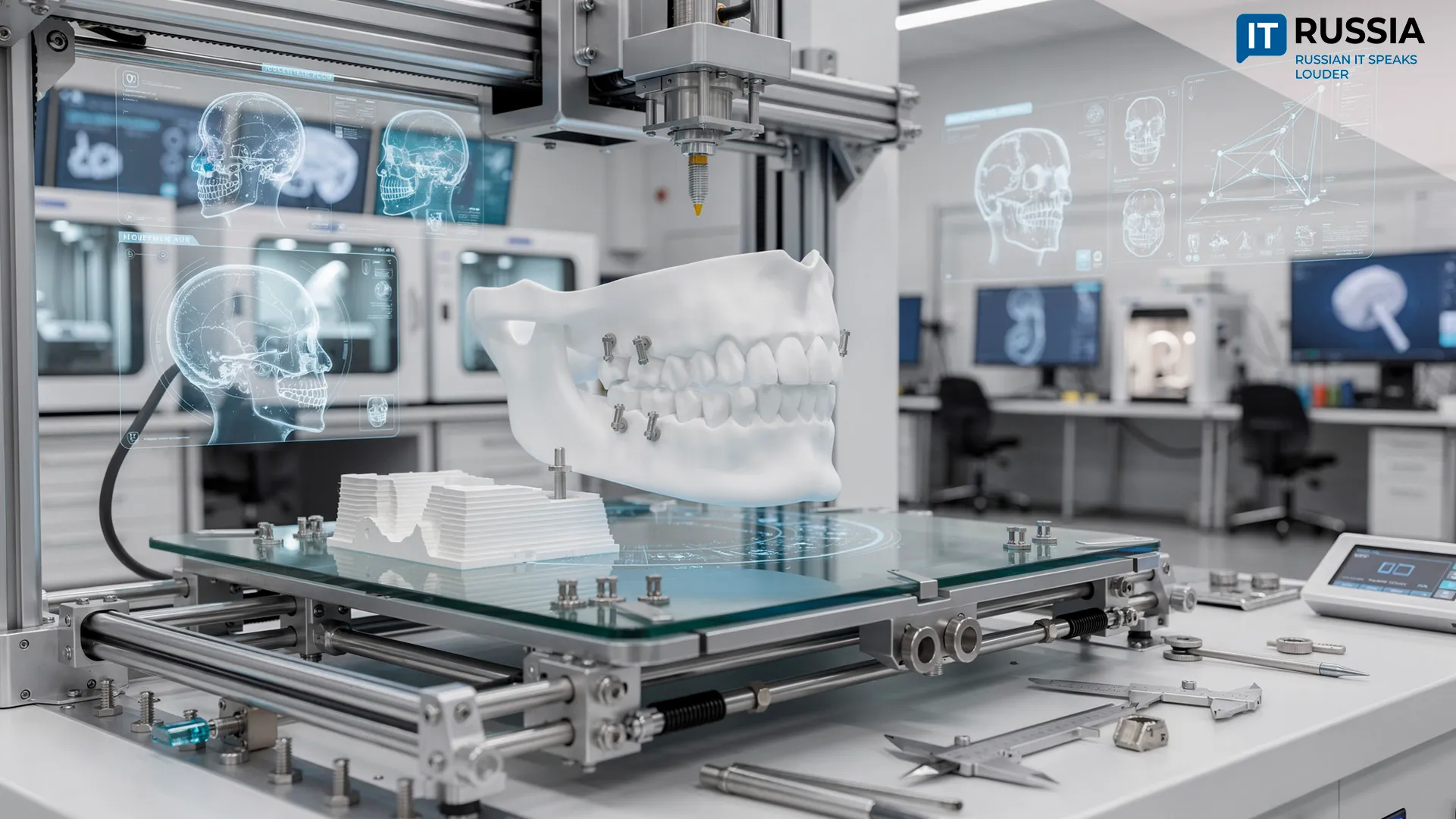
The boldest forecast, however, concerns biomedicine. Because the bioinks have already demonstrated compatibility with human cells, the technology could eventually be adapted for 3D-printing artificial organs or bone implants. Such applications would require enormous investment and rigorous regulation, but the scientific groundwork has already been established.
Despite the optimism, the limitations are clear. The market requires more than laboratory success. It needs demonstrated safety, transparent production economics, strong sensory characteristics, and the ability to scale. The principal barrier remains regulation. In Russia, as in many other countries, experts point to the urgent need for a dedicated legal framework governing cultivated and printed meat products as an entirely new category of food.
Russia Demonstrates Mature Capabilities
The development by BFU and Perm Polytechnic is not yet a mass-market product but rather a powerful technological platform. It demonstrates the maturity of Russian capabilities in biomaterials and additive manufacturing. If upcoming industrial trials confirm both the economic viability and safety of the technology, Russia could be well positioned to become a leading player in a new digital era of food production, where marine resources and algorithms work together to benefit people.