

Wood Instead of Carbon Fiber: A Plywood Drone Could Change How Power Grids Are Monitored
Engineers at the All-Russian Thermal Engineering Institute have developed an experimental quadcopter whose frame is made not from conventional carbon fiber or aluminum, but from engineered wood. According to the developers, the approach offers several advantages and could be used effectively to monitor the condition of electric power networks.
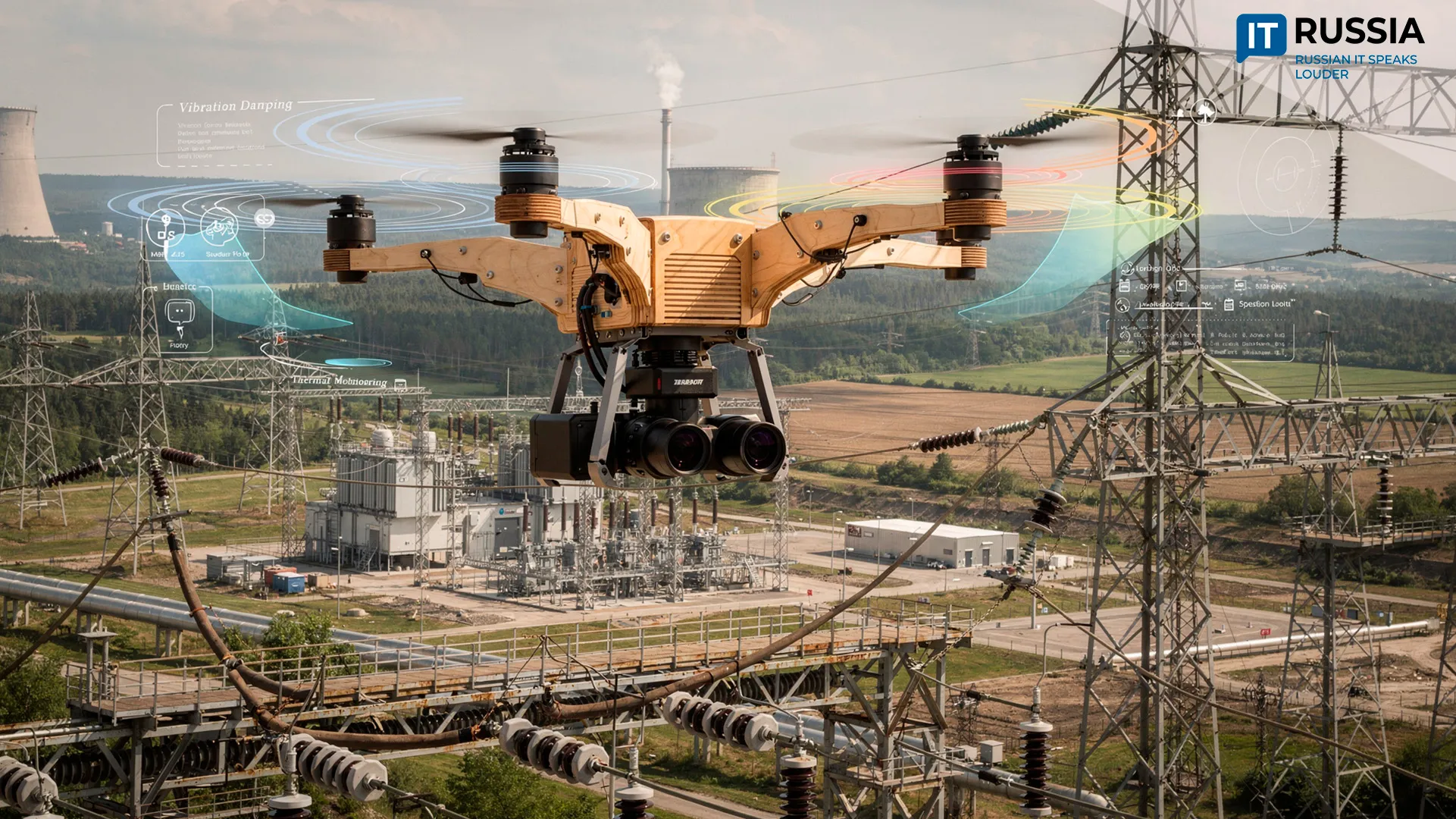
The quadcopter developed by the Innovative Coal Combustion and Fuel Delivery Technologies Division of VTI JSC features a load-bearing frame made from laminated birch plywood treated with a moisture-resistant coating. In fact, the concept itself is not entirely new - similar materials were used during the early years of aviation. However, after completing a full series of structural-strength calculations in the Ansys Mechanical software package, the institute’s engineers concluded that an engineered-wood frame matches traditional metal and composite designs in key performance parameters. At the same time, it dampens high-frequency vibrations more effectively, resulting in more stable video capture and greater accuracy for measurement instruments carried onboard the UAV.
Stronger and Less Expensive
The new quadcopter is equipped with four electric motors generating a combined thrust of 8 kgf, allowing it to carry payloads of up to 6 kg. The drone also offers a substantial safety margin for operation in difficult weather conditions, a challenge frequently encountered during power-line inspections.
One of the UAV’s key advantages is its high repairability. Engineered wood is less expensive and significantly more accessible than carbon-fiber structures. As a result, the drone can be repaired in almost any workshop or even in field conditions.
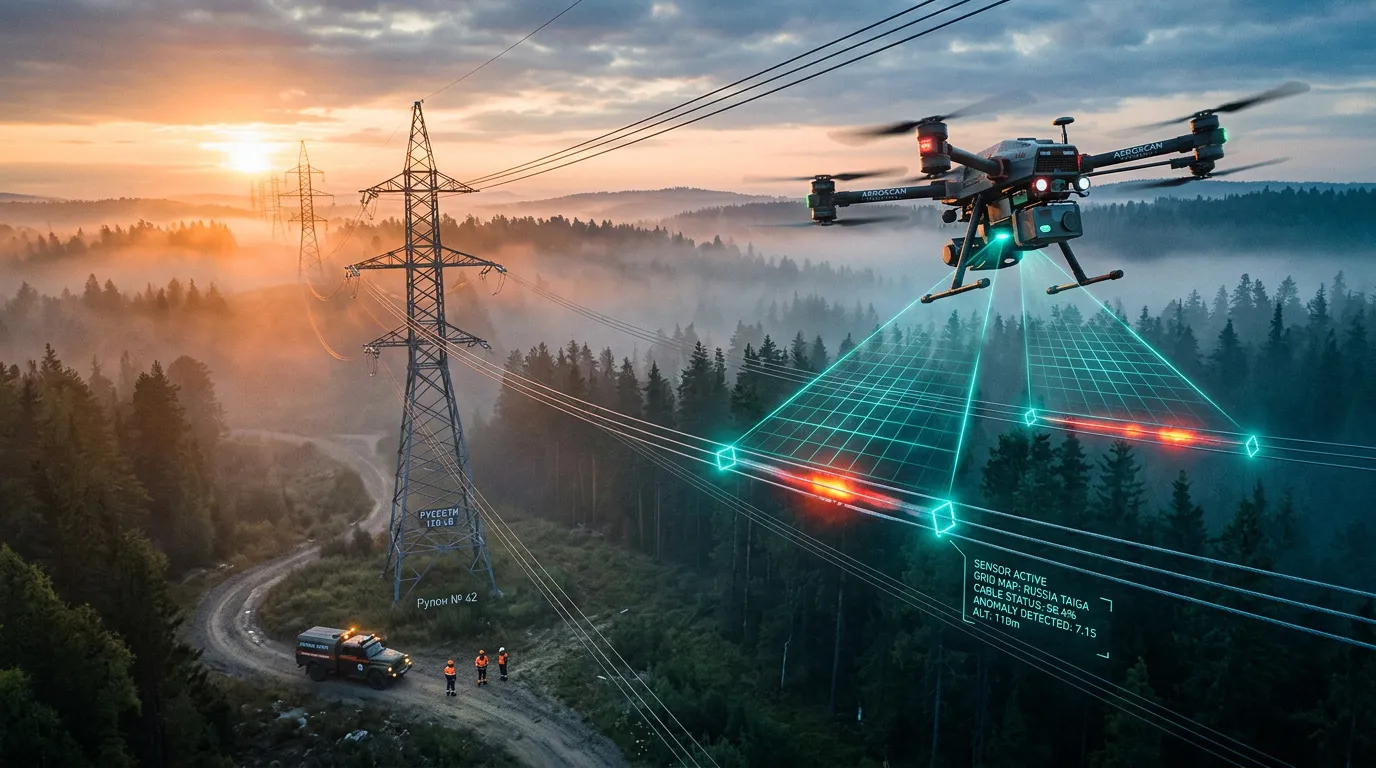
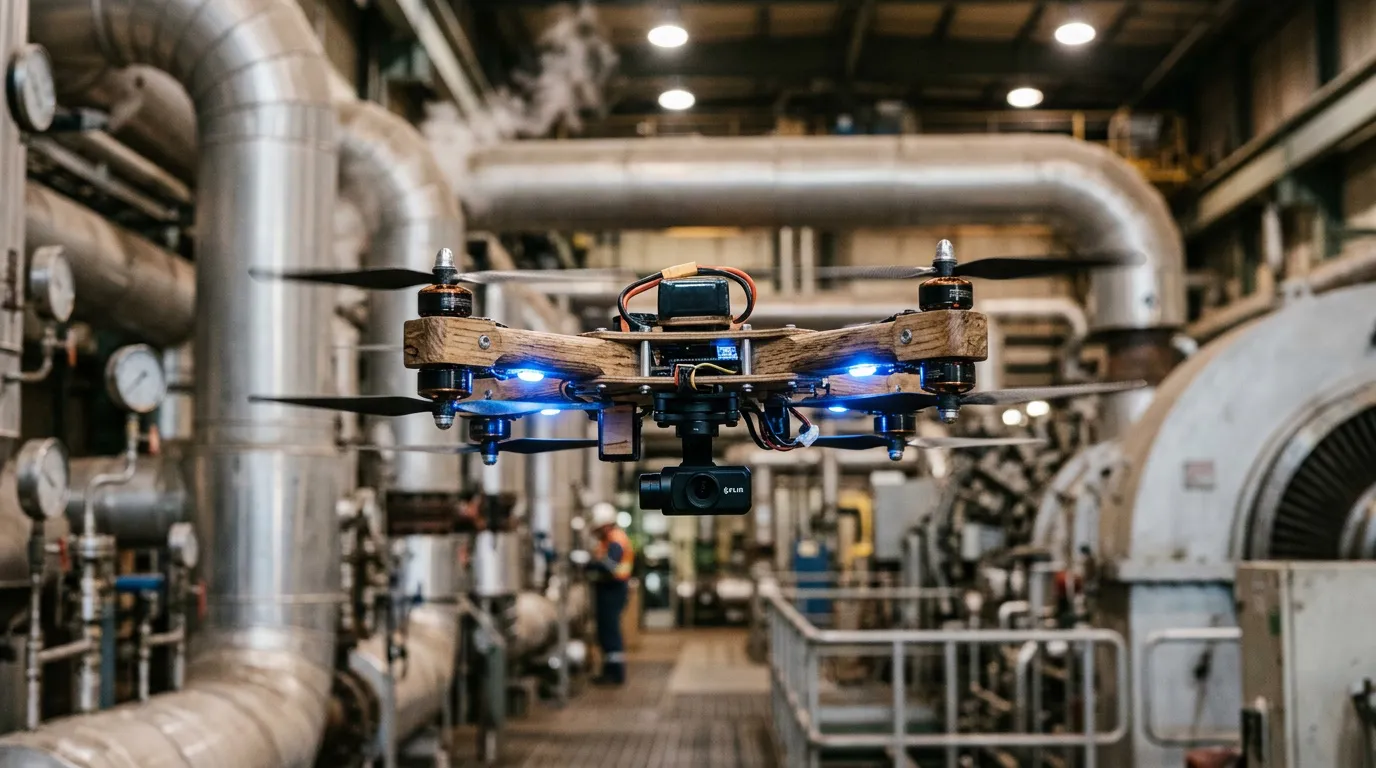
The new UAV is intended primarily for use in the power sector. It can be deployed not only to inspect transmission lines, but also to examine smokestacks, cooling towers, and pipelines, as well as transport small payloads.
From Experiment to Industry
At present, the VTI-developed drone exists as a single prototype. However, the institute plans to create an entire family of wood-frame UAVs with different capabilities and payload capacities ranging from 2 kg to 10 kg.
The use of engineered wood could significantly reduce both production and maintenance costs for such UAVs. That, in turn, would support broader deployment in power-grid and equipment diagnostics, allow inspections to be conducted more frequently, and improve the reliability of energy infrastructure.
If the VTI development reaches industrial production and demonstrates its effectiveness in operation, it could also attract interest from international customers.
Power Utilities Are Increasingly Turning to Drones
Today, the largest UAV operator in Russia’s power sector is Rosseti. The company began using drones to inspect grid infrastructure in the Republic of Karelia and the Pskov and Murmansk regions in the late 2010s. In 2021, Rosseti expanded UAV deployment for diagnostics and emergency-recovery operations in the Leningrad region.
In 2024, the Unmanned Systems Group developed the Supercam S350 for Rosseti, a fixed-wing UAV designed for aerial photography and video monitoring across long-distance infrastructure corridors.
In 2025, a robotic system capable of servicing transmission lines without de-energizing them was tested. More broadly, the company continues to expand drone deployment under its Tsifrovaya transformatsiya – 2030 (Digital Transformation – 2030) program.
The Main Competitive Advantage
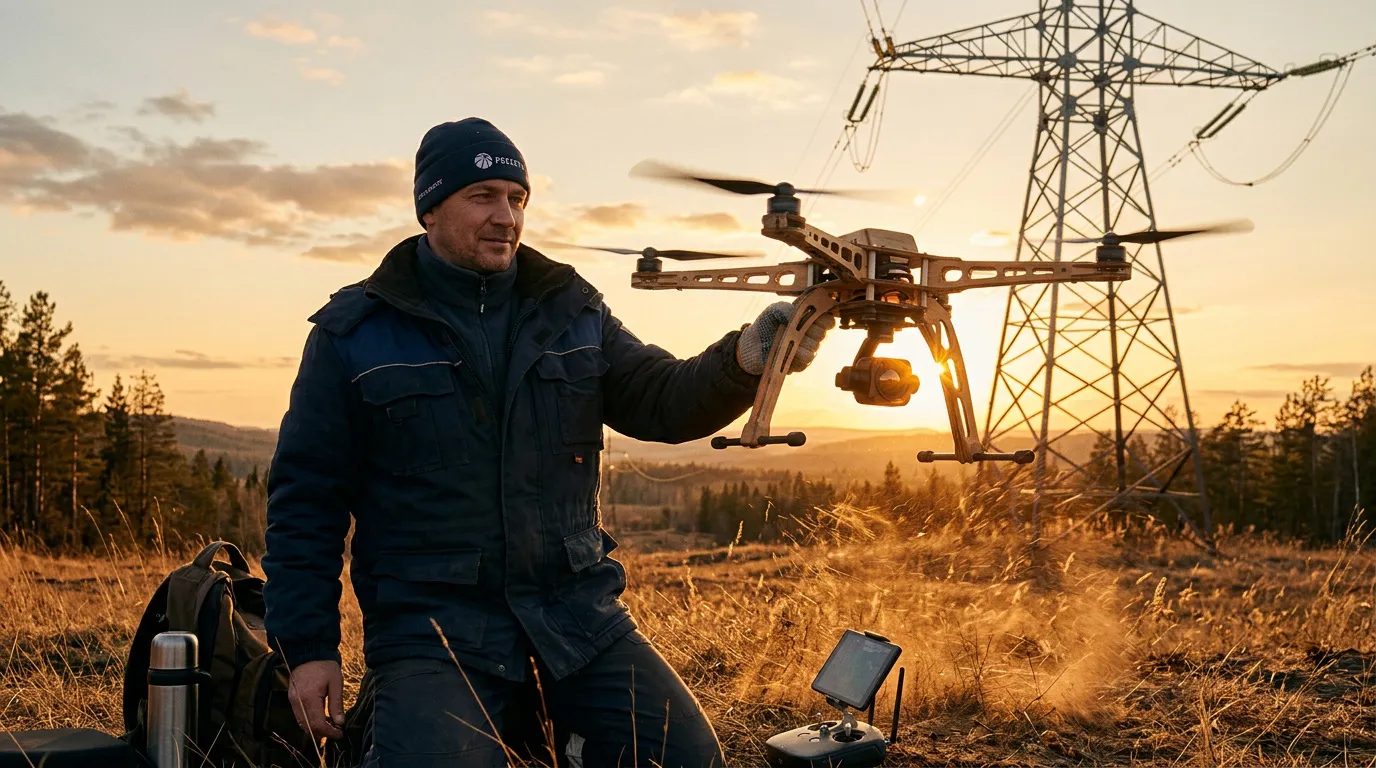
Russia’s power sector has a growing need for additional diagnostic and maintenance UAVs. The drone developed by VTI engineers addresses that demand by offering a solution that combines operational efficiency with relatively low cost.
In the near term, the developers will need to complete a comprehensive series of field trials under real operating conditions. If those tests are successful, the new UAV is likely to see strong demand in the market segment for cost-effective drones used in power-grid monitoring.
Such systems could eventually be adopted not only by large utility groups but also by regional grid operators. For the industry and electricity consumers alike, that would mean more reliable power supply through more effective transmission-line diagnostics.