Key Advantages of Russian AI Highlighted by Sber Executive
Talent, balanced regulation and domestic models are positioning Russia’s AI sector as globally competitive.

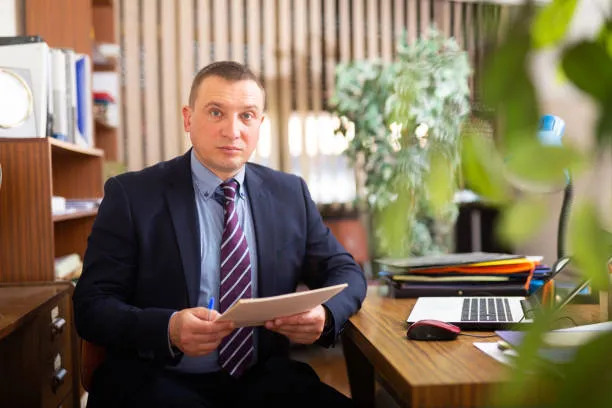
First Deputy Chairman of Sberbank’s Management Board Alexander Vedyakhin outlined the factors that help Russian artificial intelligence remain competitive globally and the tasks neural networks are already addressing today.
Regulation and Talent
According to Vedyakhin, the country’s greatest strength in AI lies in its people. Russia’s strong educational tradition and a new generation of skilled specialists provide a significant advantage. Another key factor is balanced regulation, which supports innovation without imposing overly restrictive frameworks, unlike approaches seen in parts of Europe.
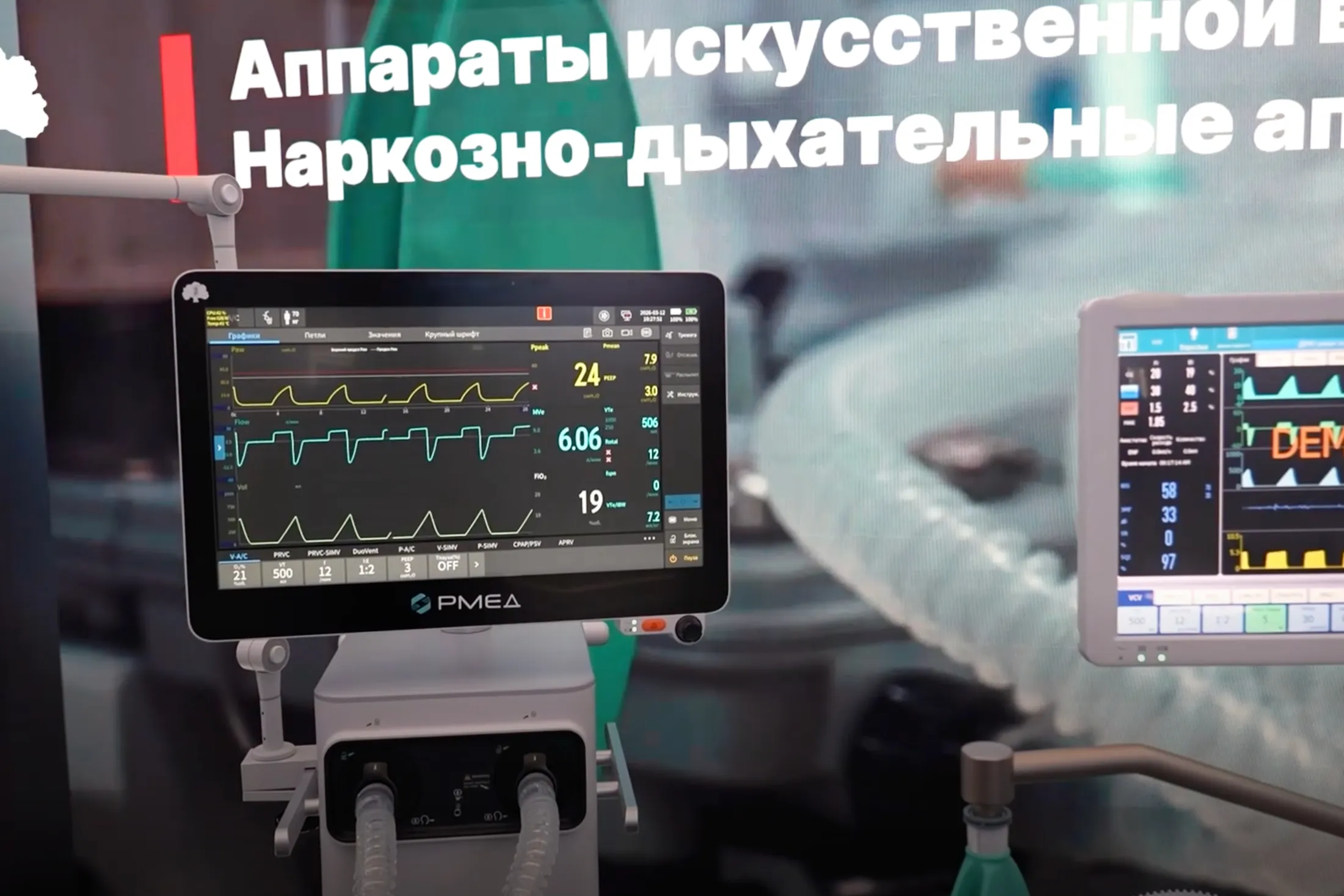
Russia also benefits from having its own sovereign AI models that understand the country’s languages, cultural context and legal specifics. This reduces reliance on foreign technologies. Russian AI ranks among global leaders largely due to the availability of domestic large language models. While there are challenges related to computing capacity, companies are finding ways to offset them through in-house solutions.
Workers With AI Outperform
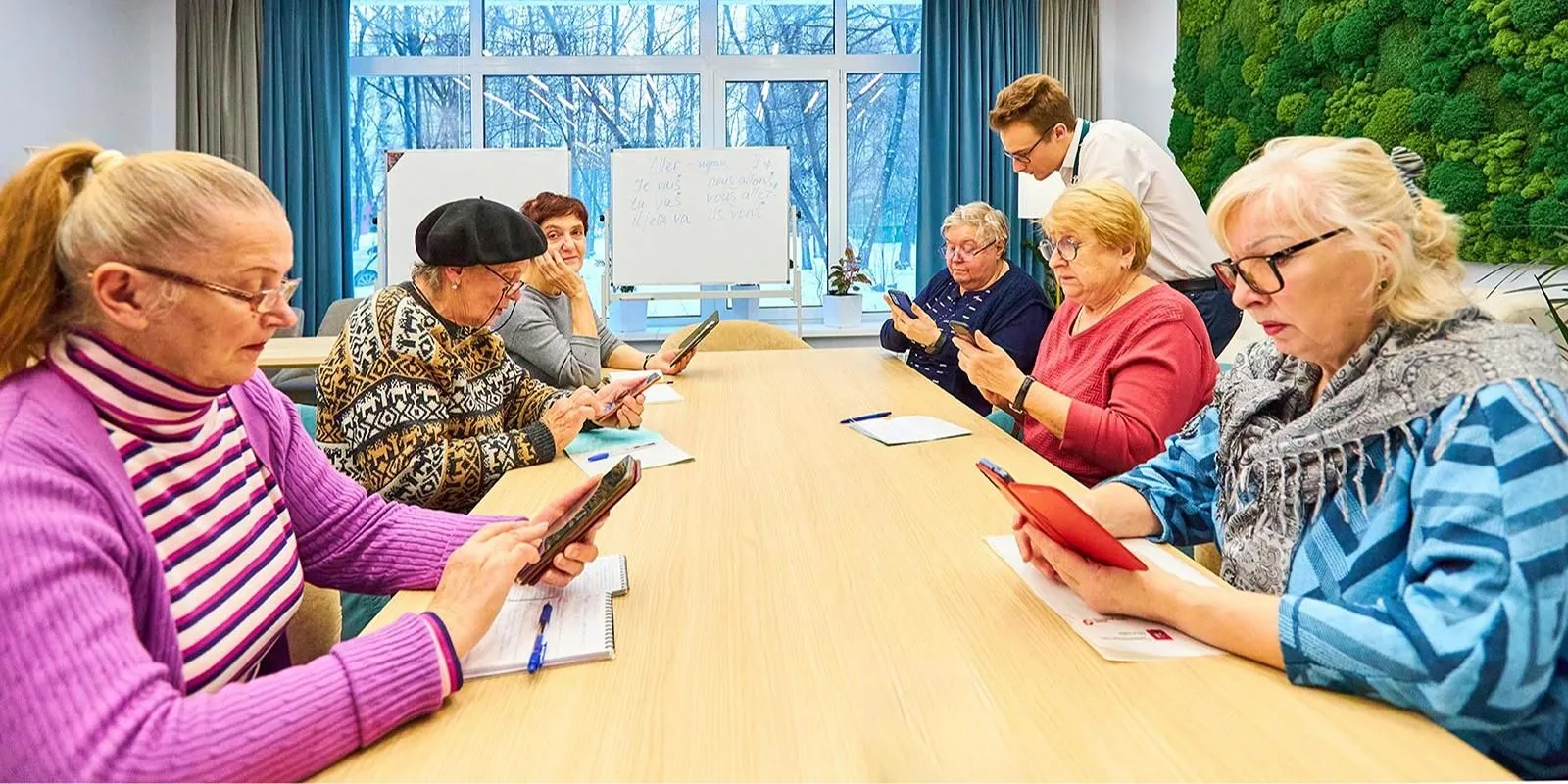
AI adoption is accelerating rapidly both globally and in Russia, with a particularly visible impact on the labor market. Amid a significant workforce shortage and a record-low unemployment rate of 2.3%, a single employee equipped with AI tools can perform the work of several people. Sber is already observing substantial productivity gains among employees who use AI on a daily basis. At the same time, machines are not expected to fully replace humans. Their role is to automate routine tasks and enhance productivity.
AI Has Limits
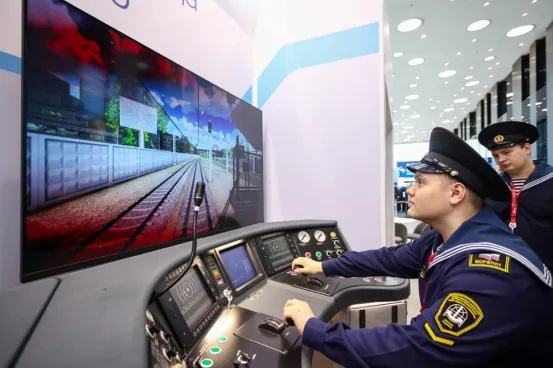
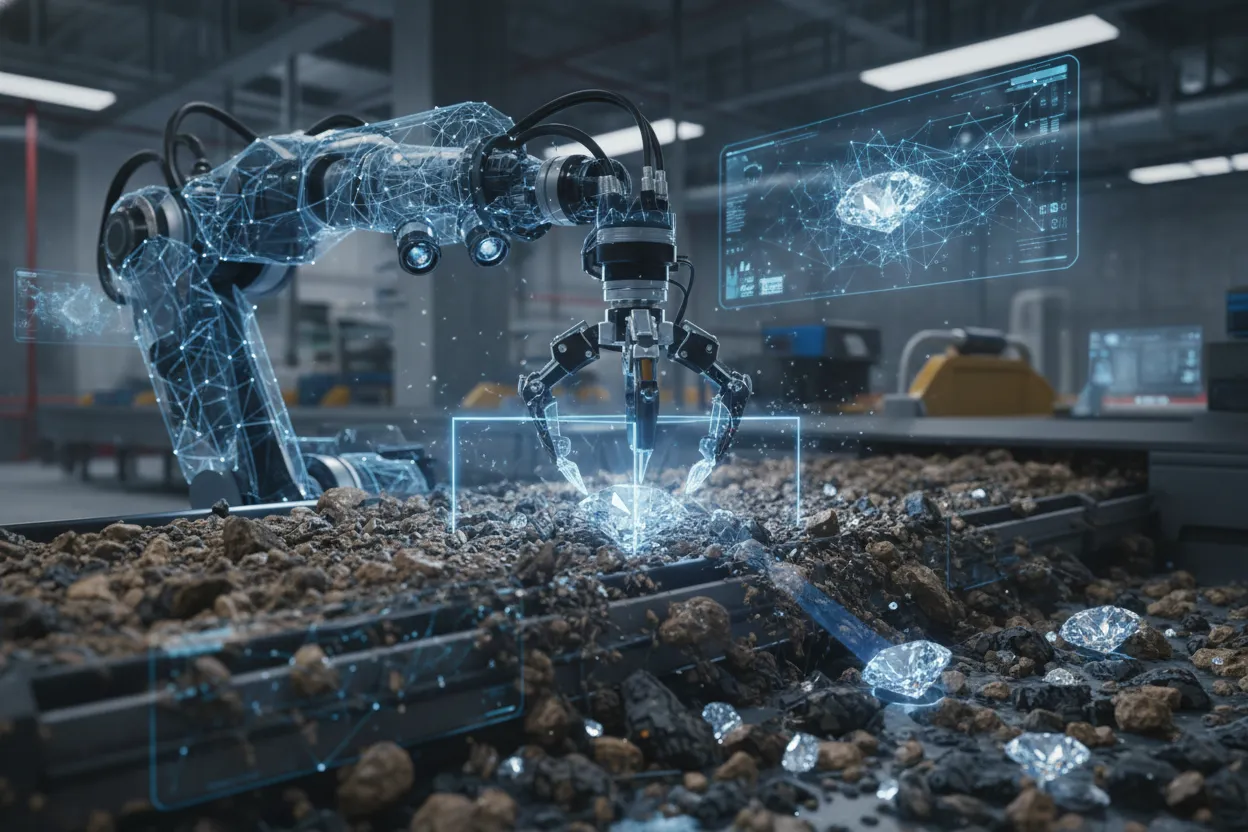
In professions where AI remains less effective, physical labor is the primary area. It is unlikely to replace construction and concrete workers, as well as installers in the near term. However, technologies are expected to enter these fields within the next three to five years, as humans begin working alongside specialized robots. Creativity and the ability to innovate, however, are expected to remain uniquely human capabilities.