Next-Generation Face Recognition: Accuracy Without Computational Overload
Researchers at Saint Petersburg State University of Industrial Technologies and Design (SPbSUITD) have developed a method that can make facial recognition systems more accurate under uneven lighting without relying on computationally intensive neural networks.
Millions of people encounter the quirks of biometrics every day. Backlighting at a turnstile, deep shadows in a passageway, or a dim office lamp can turn a modern system into a half-blind tool. Rather than burdening algorithms with gigabytes of data and requiring powerful servers, the researchers have found a way to improve the image itself before it is analyzed.
Technology: CLAHE and LBPH Instead of Heavy Models
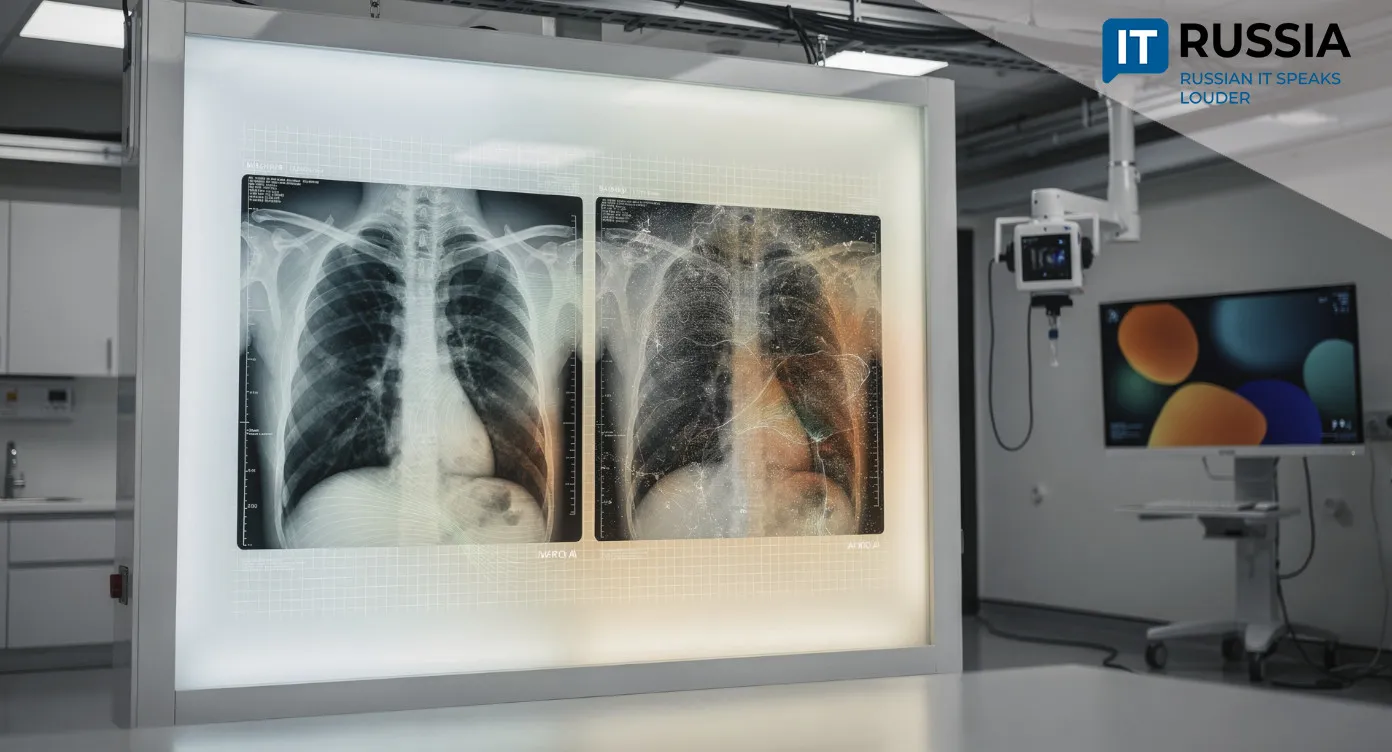
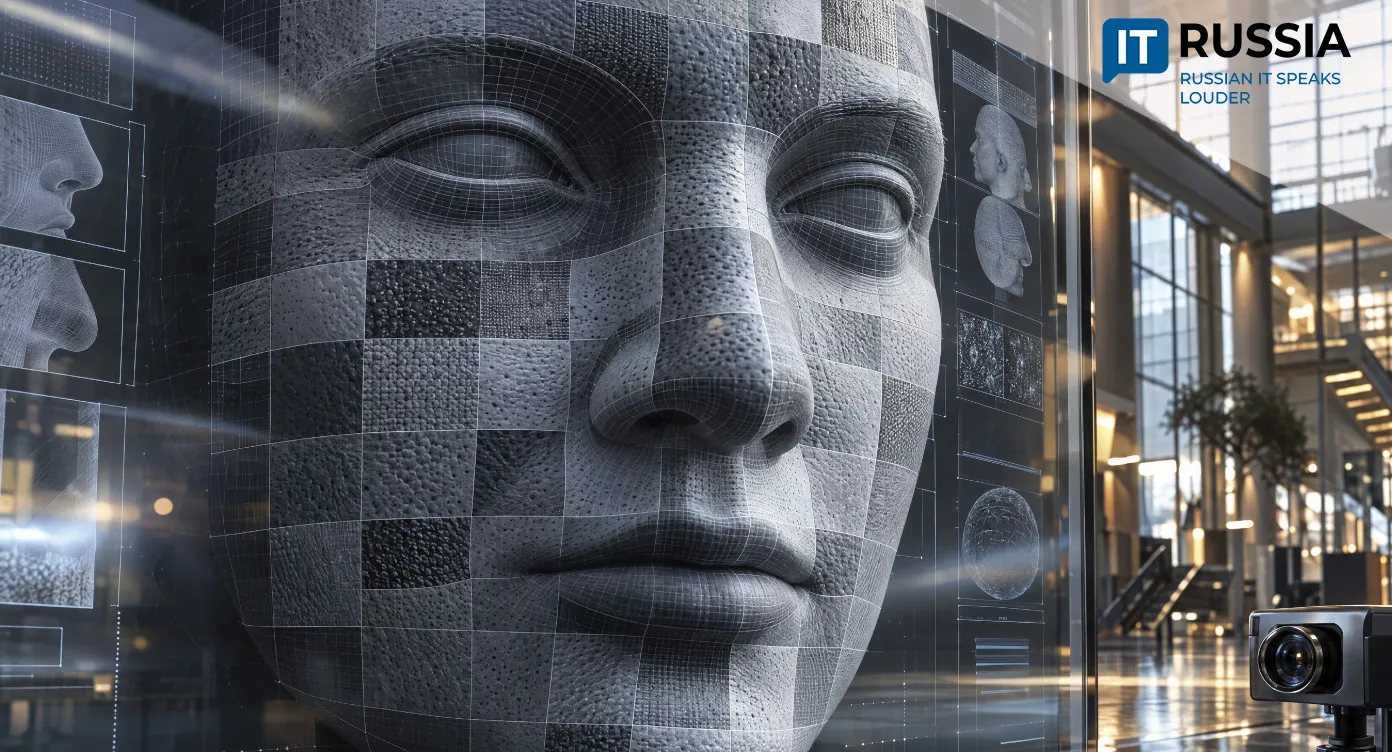
The researchers propose using the LBPH (Local Binary Patterns Histograms) algorithm together with CLAHE image preprocessing. The approach divides a frame into small sections, or tiles, and then locally adjusts the contrast in each one without excessively boosting bright areas. This is particularly effective when lighting is highly uneven. The LBPH classifier, meanwhile, is a proven method for describing facial textures with low computational complexity, allowing the system to run efficiently even on standard processors.
Another advantage of combining CLAHE and LBPH is that verification can be performed locally, directly on the device, without transmitting biometric data to a remote server. That significantly reduces the risk of information being intercepted.
Optimizing the Data Pipeline
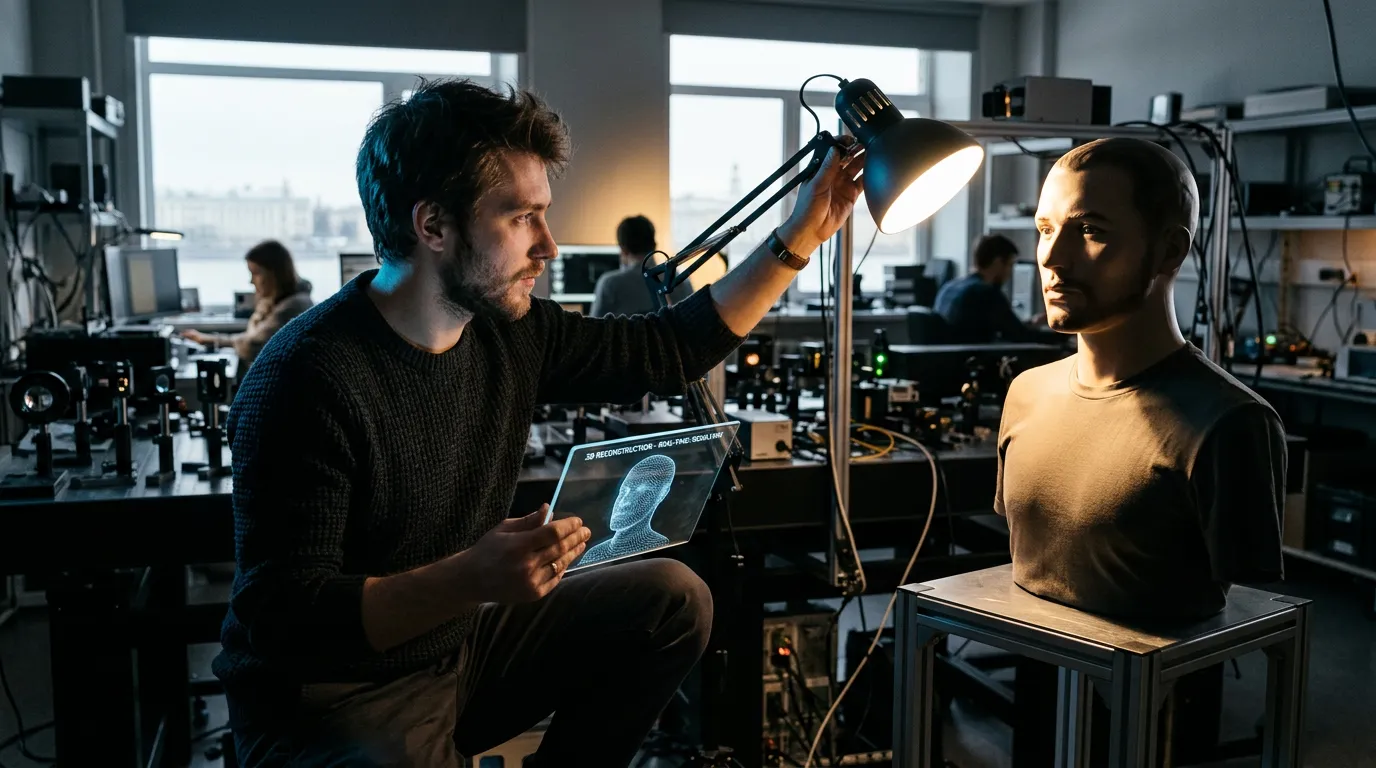
The computer vision industry has spent years moving toward greater complexity, building massive neural networks that require huge datasets. The St. Petersburg researchers have taken a different approach. The focus shifts to preprocessing the frame: the algorithm pulls details out of shadows and suppresses overexposed areas, feeding the analysis with an image that is already clearer and more contrast-rich.
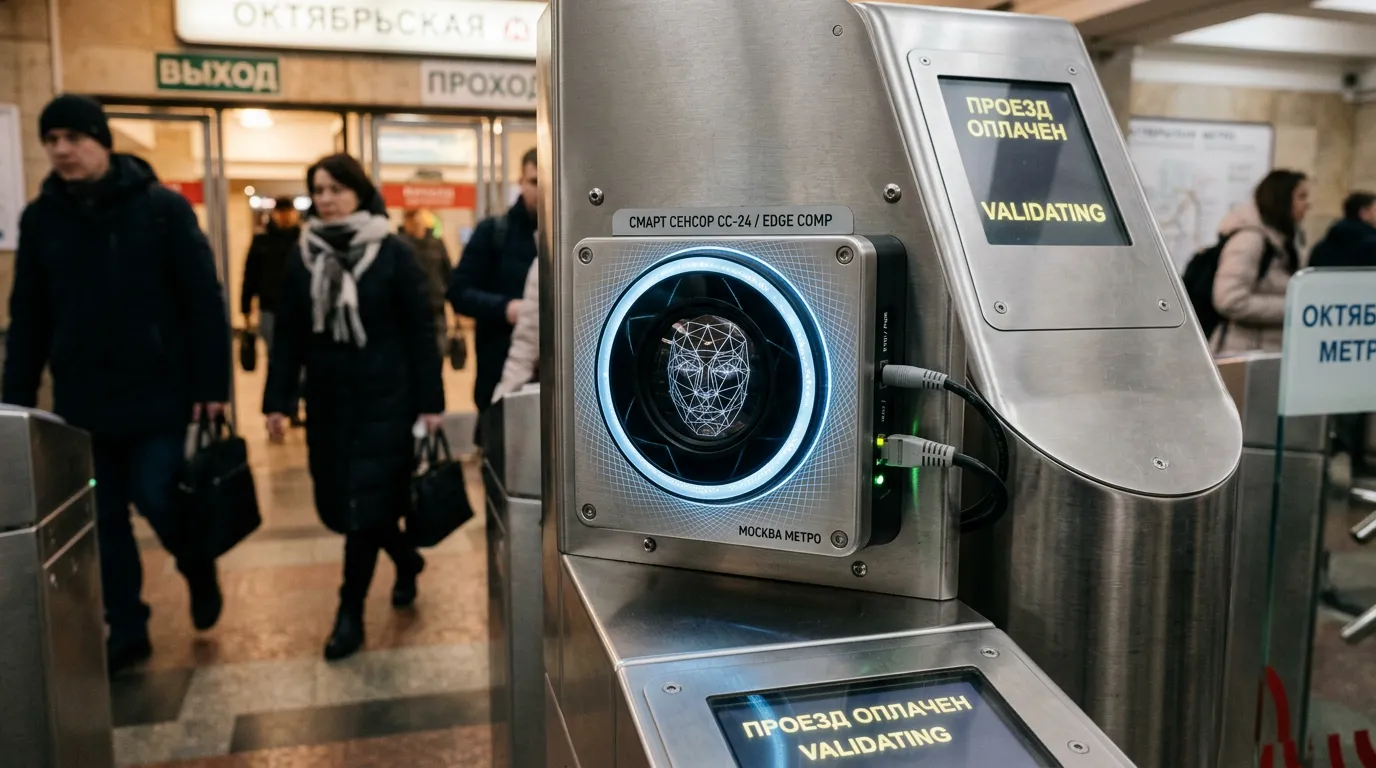
This changes how security systems can be deployed. Processing can take place at the edge, directly in a smart camera or self-service terminal. The approach also has a clear economic rationale: businesses can reduce spending on data transmission and cloud computing capacity.
For users, that could mean an end to frustrating errors. Banking apps and turnstiles may no longer need to tell people to “turn slightly to the left” every time lighting changes. For Russia, the significance of the technology extends beyond everyday convenience: it represents a step toward technological sovereignty. The development could make advanced analytics practical in regions where maintaining heavy server infrastructure is not economically viable.
The Evolution of the “Digital Eye”
To understand the scale of the innovation, it is useful to look at how Russia’s biometric technology has evolved over the past five years. In 2021, the market was moving from basic video surveillance toward traffic-flow analytics. By 2022, the focus had shifted to preventing attempts to spoof a person’s face. In 2023, the industry recognized that accuracy depends heavily on the quality of the original frame. By 2024, platforms had learned to compensate for some sources of interference, but difficult lighting remained a major challenge.
In 2025, Gosuslugi Biometriya (Gosuslugi Biometrics) introduced AI assistants that tell users how to position themselves correctly in the frame. The SPbSUITD development is a logical culmination of this evolution: rather than simply asking users to adjust their position, the system itself mathematically adapts to the environment.
The global IT market is shifting toward a balance between accuracy and energy efficiency. The innovation’s success will depend on how quickly it can be packaged into ready-to-use software modules and integrated seamlessly with existing platforms. If the St. Petersburg engineers can make that transition, Russia’s computer vision expertise will gain a strong competitive advantage. Energy-independent terminals and autonomous security systems are a niche where “lightweight” biometrics could establish a lasting foothold.