AI Takes Over Routine Tasks, Voice Assistant Frees Up Doctors for Patients
In Moscow, an artificial intelligence-powered voice assistant is now available to all primary care physicians at the city’s adult outpatient clinics. The service transcribes conversations between clinicians and patients in the background and automatically completes the visit note.
Every time we visit a clinic, we may not realize that a routine primary care appointment is one of the most difficult healthcare tasks to automate. Patients do not always come to a primary care physician with one standard complaint. Typically, they describe their symptoms, previous illnesses and diagnoses they have already received. Meanwhile, the physician must listen to the patient, ask questions, assess their current condition and document everything in the medical record. A significant share of the work involves not specific treatment decisions but documenting the encounter itself. Any primary care physician can attest to that.
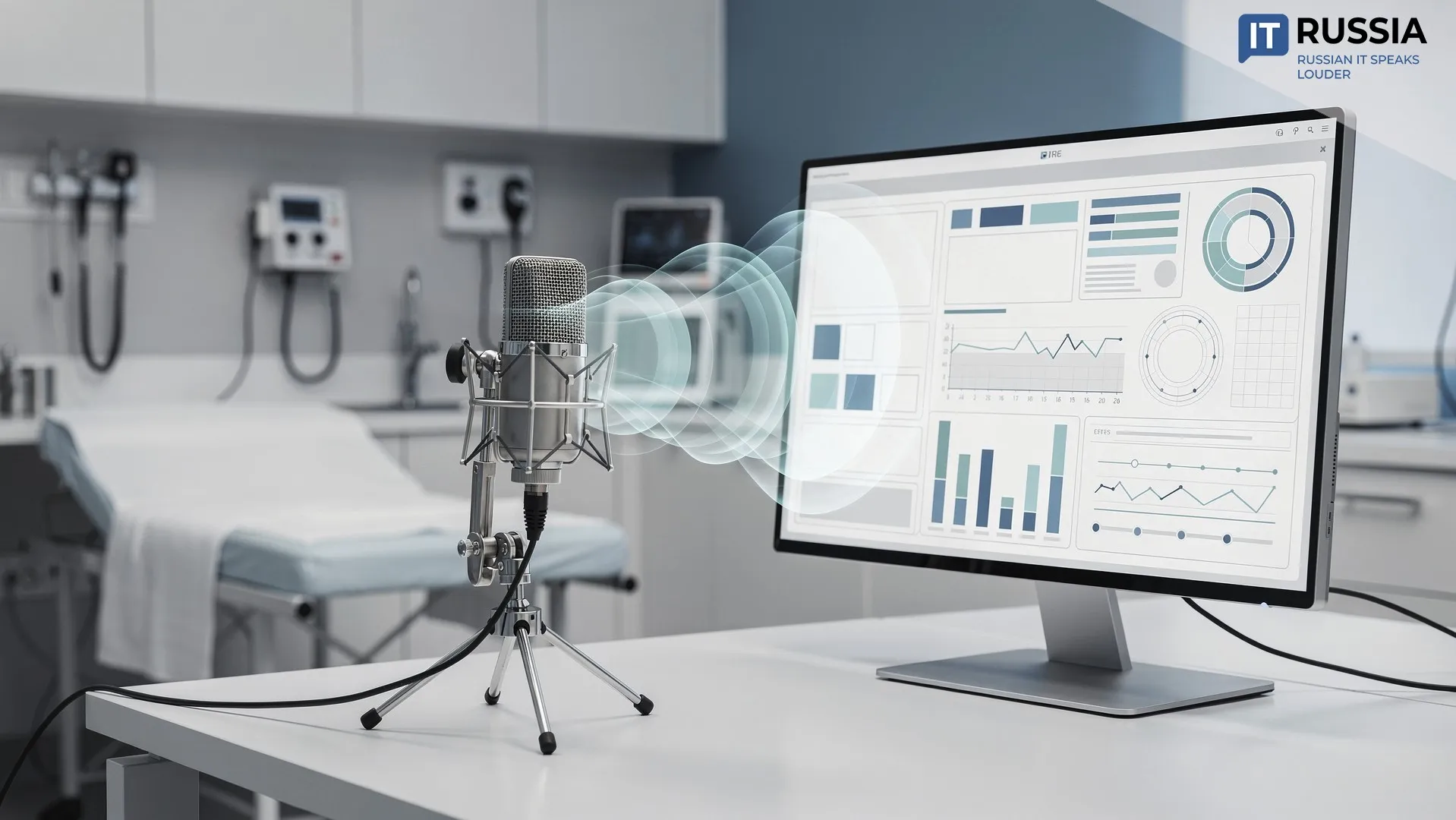
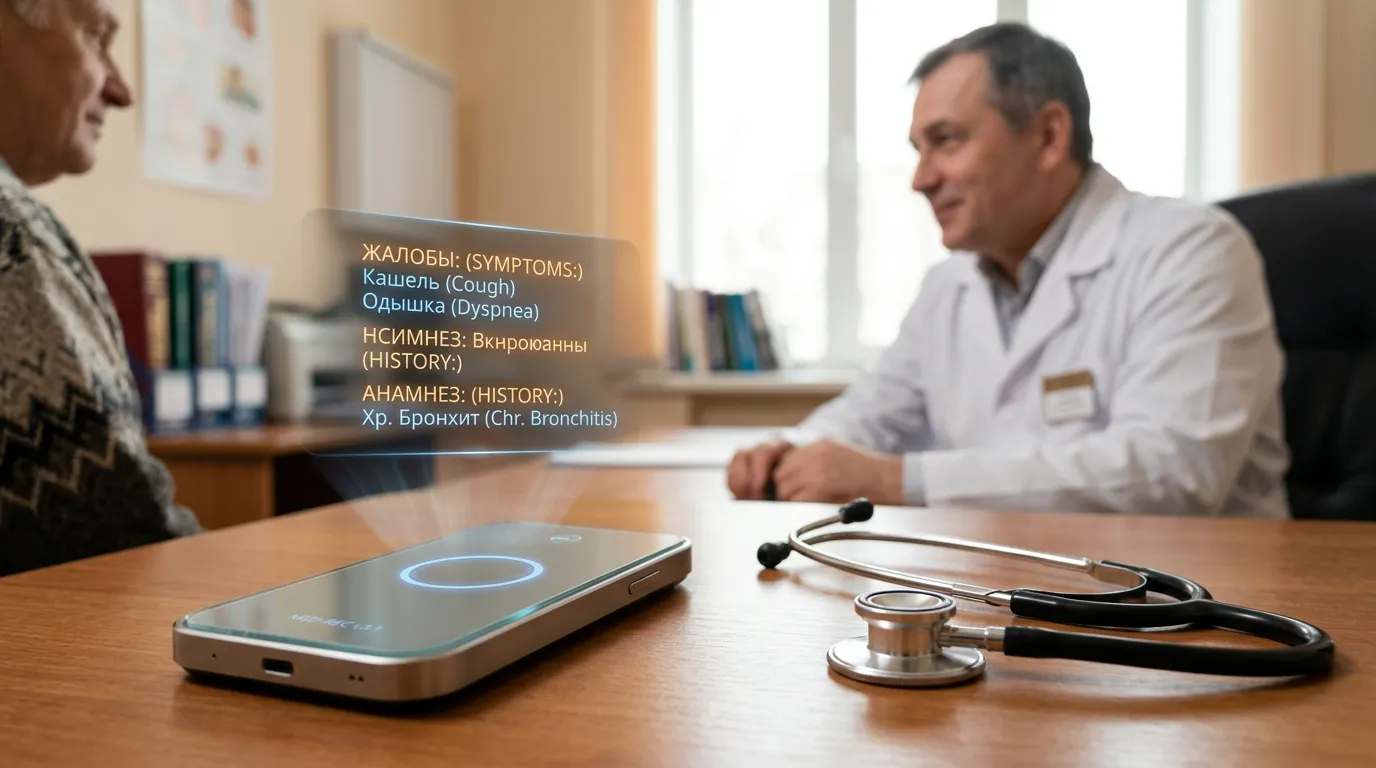
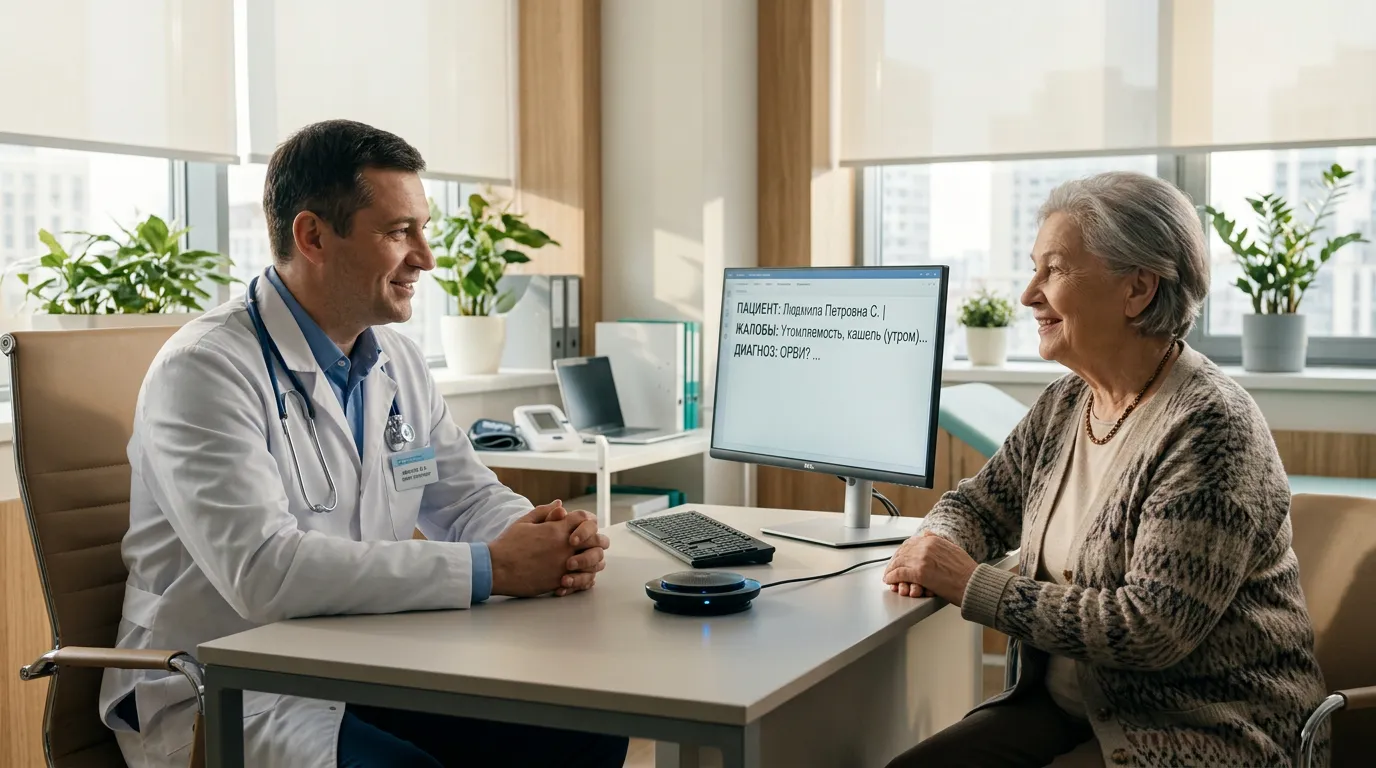
Now, a voice AI assistant has taken over this routine documentation work in Moscow’s outpatient clinics. The service runs in the background. It recognizes the conversation between the physician and patient, identifies clinically relevant information and places it in the appropriate sections of the visit note.
AI Is Listening
That means the patient is being listened to not only by the physician but also by an electronic assistant. It automatically enters complaints, medical history, diagnosis, recommendations and other information discussed during the visit into the note. Once the appointment ends, the physician reviews the completed note, makes changes if necessary and signs it.
There is no need to worry: The AI does not make decisions in place of the clinician or replace the physician. Instead, it takes over purely technical work, leaving the most important tasks to the doctor – assessing the patient’s condition and taking responsibility for the prescribed treatment.
More Than 3,000 Clinicians
More than 3,000 primary care physicians at Moscow’s adult outpatient clinics are already using the service. Before its launch, it was tested during actual patient visits.
That testing was essential because it is not enough for AI to learn to recognize ordinary speech. It must also structure that speech, since a patient may jump from one complaint to another, use everyday names for medical conditions or describe years of treatment. The voice assistant has to determine which information belongs in the medical record and where each piece of information should be entered. For that reason, physicians worked directly with developers during testing to improve the service. Clinicians flagged recognition errors, reviewed the documents the system generated and identified cases where the algorithm lacked sufficient context.
The results of the rollout were striking. Initial assessments showed that the amount of time physicians spent giving patients their full attention more than doubled. Patients also responded positively to the increased attentiveness of their clinicians. As a result, experts rated the quality of the visit notes generated by the voice assistant at 4.8 out of 5.
Everything Is Confidential
The developers also placed particular emphasis on data security. In Russia, patient health information is protected by law. Information about a diagnosis, a person’s health and their use of medical care is considered confidential medical information and cannot be disclosed without the patient’s consent. For that reason, conversation transcripts and other information are transmitted through secure channels of EMIAS (Unified Medical Information and Analytical System).
From Appointment Scheduling to Diagnosis
Moscow has been developing digital tools for healthcare for more than a decade. During that time, the city has built a unified digital platform jointly developed by the Moscow Department of Health and the Moscow Department of Information Technology. It serves as a foundation for services covering different stages of care.
Moscow outpatient clinics already use “smart appointment” services. They analyze electronic health record data and patients’ answers during appointment scheduling, helping assess disease risks and identify situations that require a clinician’s attention.
Another major area for medical AI is diagnostics. For example, the MosMedAI (Moscow Medical Artificial Intelligence) digital platform provides regions with 18 services for analyzing CT scans, X-rays, fluorograms and mammograms. According to Moscow Mayor Sergei Sobyanin, healthcare organizations in 75 Russian regions now use the platform. Its algorithms can identify up to 14 different pathologies in a single study.

Beyond Moscow
An important feature of voice assistants is that their value does not depend on a particular disease or medical specialty. That makes similar solutions potentially useful in other regions where outpatient clinics remain under heavy workloads and physicians still have to spend a substantial share of their working time completing documentation.