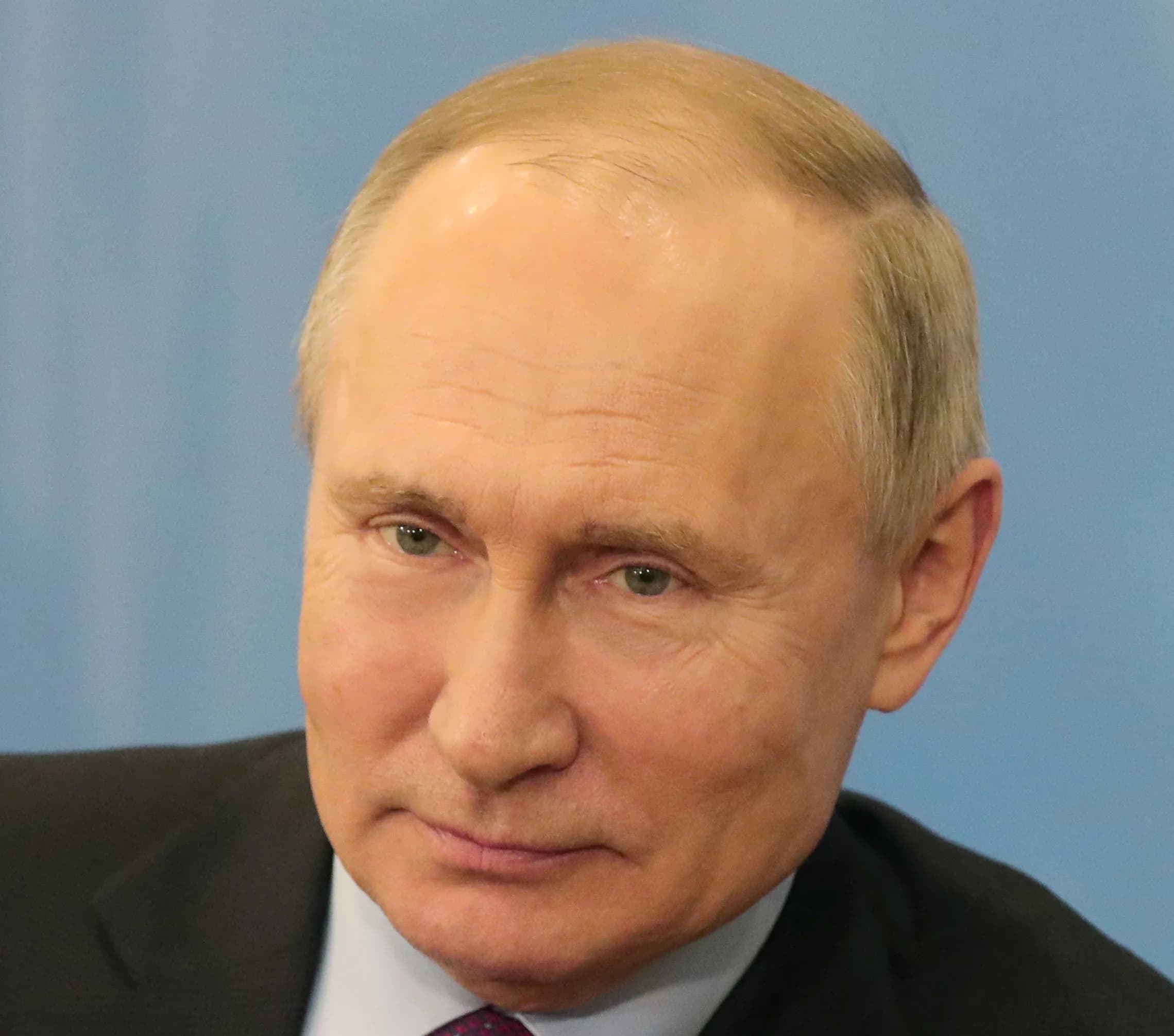


Vladimir Putin: Russia Is Systematically Building a Digital Framework for the Economy and Social Services
By developing its own digital infrastructure, the country is not only gaining technological sovereignty but also strengthening its cybersecurity.

Russian President Vladimir Putin said the country is building in a consistent manner a digital framework for its economy and social services. At an information security meeting held on October 14, he highlighted the development of AI services and the growing role of platforms in the economy. According to Putin, the Presidential Commission on Artificial Intelligence and the interagency working group on the platform economy are coordinating these efforts.
The president’s remarks reflect one of the most significant recent trends: the move toward an interconnected technology infrastructure serving the economy, businesses and the social sector. AI, unified digital platforms, data storage and processing systems, modern communications and cybersecurity technologies form the foundation of this infrastructure. As this digital framework takes shape, government services can be delivered faster, services become more accessible, and social benefits can be paid automatically.
AI to Handle Forecasting and Analysis
Russia’s near-term digital technology agenda is closely tied to the transition toward a platform economy. The foundation for this effort is the national project “Data Economy and Digital Transformation of the State,” designed to run through 2030. By then, 99% of widely used government services are expected to be available electronically, while Russian-made software is targeted to account for 95% of software used by government agencies and the public sector. AI is expected to handle document processing, data analysis, forecasting and decision automation.
Some Russian solutions may also find demand in international markets. In June 2026, for example, Russia agreed with Uzbekistan to prepare a bilateral roadmap for cooperation. The plan calls for joint development of data centers, AI, e-government and other areas. Countries across the Eurasian Economic Union, BRICS and the Global South offer further opportunities. In the 2025 BRICS summit declaration, participating countries agreed to expand cooperation on data governance. Russia could become a developer of digital service architectures for other countries.

Digitalization as a Priority
In 2023, Vladimir Putin proposed developing a national project to build a data economy. In 2024, Presidential Decree No. 309 established digital economy development targets through 2030, the same period covered by the national project. The plan includes the creation of industry-specific platforms, the development of a data market, the adoption of AI and a transition to domestically developed software. One of Russia’s major digital platforms is the Gosuslugi public services portal. By the end of 2025, it had 120 million registered users and offered more than 2,600 services. The GosTech Unified Digital Platform is also expanding: by May 2026, more than 600 municipalities had deployed its standard cloud-based solutions.
Other countries are pursuing similar initiatives. In 2024, the European Union’s regulation establishing the European Digital Identity Wallet entered into force, setting common requirements for digital identity credentials and access to public- and private-sector services. Brazil has a national payment infrastructure, Pix, which processed nearly 80 billion transactions worth more than 35 trillion Brazilian reais in 2025 alone. In Nepal, the World Bank approved $50 million in financing for a national digitalization project.

A New Stage in Digital Transformation
Russia is moving into the next stage of digital transformation. Initially, the priority was to make services and business processes available electronically. Now, the central challenge is to integrate platforms, data and intelligent services.
Digitalization is creating a source of long-term demand for Russian IT solutions, particularly enterprise software, data management systems, AI, cloud infrastructure and information security. Russian-developed technologies also have international potential, and that potential extends beyond software exports. Comprehensive solutions for digital government, industry, commerce and cross-border operations could be especially attractive, particularly in countries that already have experience of technological cooperation with Russia.

Putin emphasized that the development of the digital economy makes data protection increasingly important. Bringing large numbers of digital systems together creates additional risks, including cyberattacks, potentially widespread disruptions, excessive data concentration and dependence on a limited number of technology providers. A successful digital infrastructure requires more than technological interoperability. It also depends on protecting personal information, establishing transparent rules and earning users’ trust. That makes information and data protection solutions especially important today. As digitalization accelerates, the resilience of digital infrastructure against cyberthreats must be strengthened accordingly.