Gesture Instead of Buttons: How Neural Networks Are Teaching Machines to Understand Humans
Developers at Novgorod State University have created a software platform that allows industrial computers and robots to be controlled through hand gestures. The system works with a standard webcam, recognizes hands wearing protective gloves, and remains stable in poor lighting, around industrial equipment, dust, and flickering light. Recognition accuracy reaches 90–95%, while response time is about 0.1 seconds.
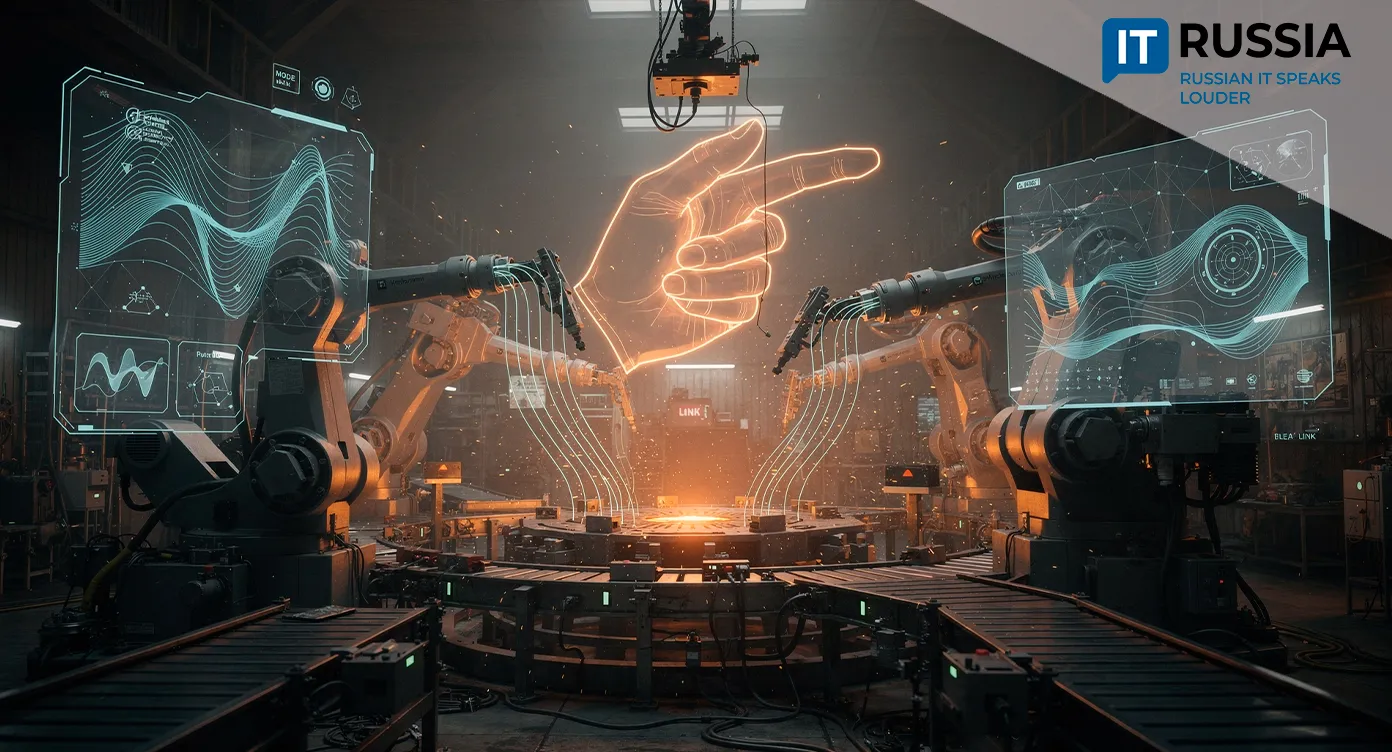
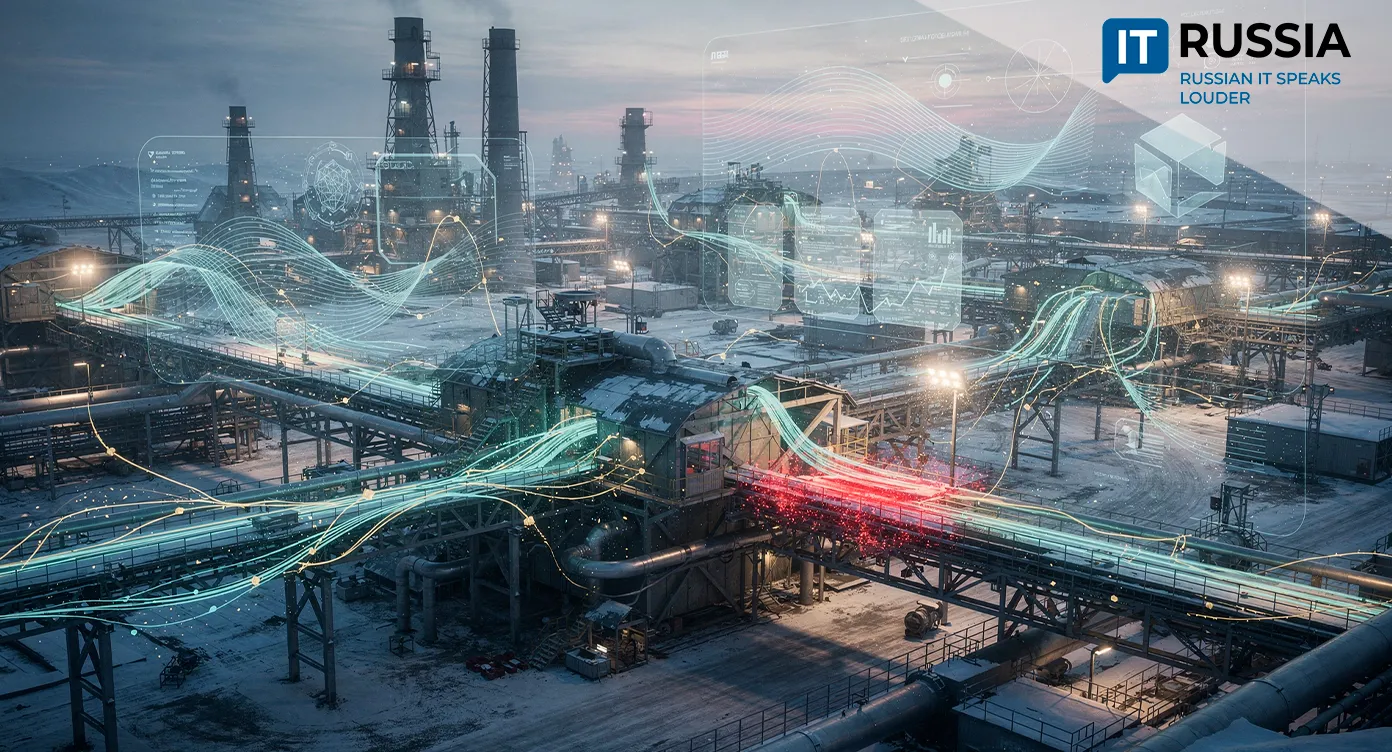
Picture a hot rolling shop inside a steel plant: roaring machinery, clouds of steam, airborne industrial dust, and an operator wearing heavy protective gloves. Using touchscreen controls in that environment is often impractical – screens can be damaged, sterile conditions compromised, and equipment safety put at risk. A solution that recently sounded futuristic has now emerged from Novgorod State University. Researchers there have developed a software platform that allows industrial robots and computers to be controlled through ordinary hand gestures. The system runs through a standard webcam, recognizes hands in protective workwear, and remains stable under poor lighting, dusty conditions, and against backgrounds filled with moving machinery.
The developers created a software platform that converts ordinary gestures into precise commands for industrial computers and robotic systems. The project’s biggest achievement is that the system works not in a controlled laboratory setting, but in harsh real-world production environments. The platform relies on computer-vision algorithms and neural-network technologies. It recognizes human gestures and controls robotic equipment through a contactless interface.
A Webcam Instead of Expensive Sensors
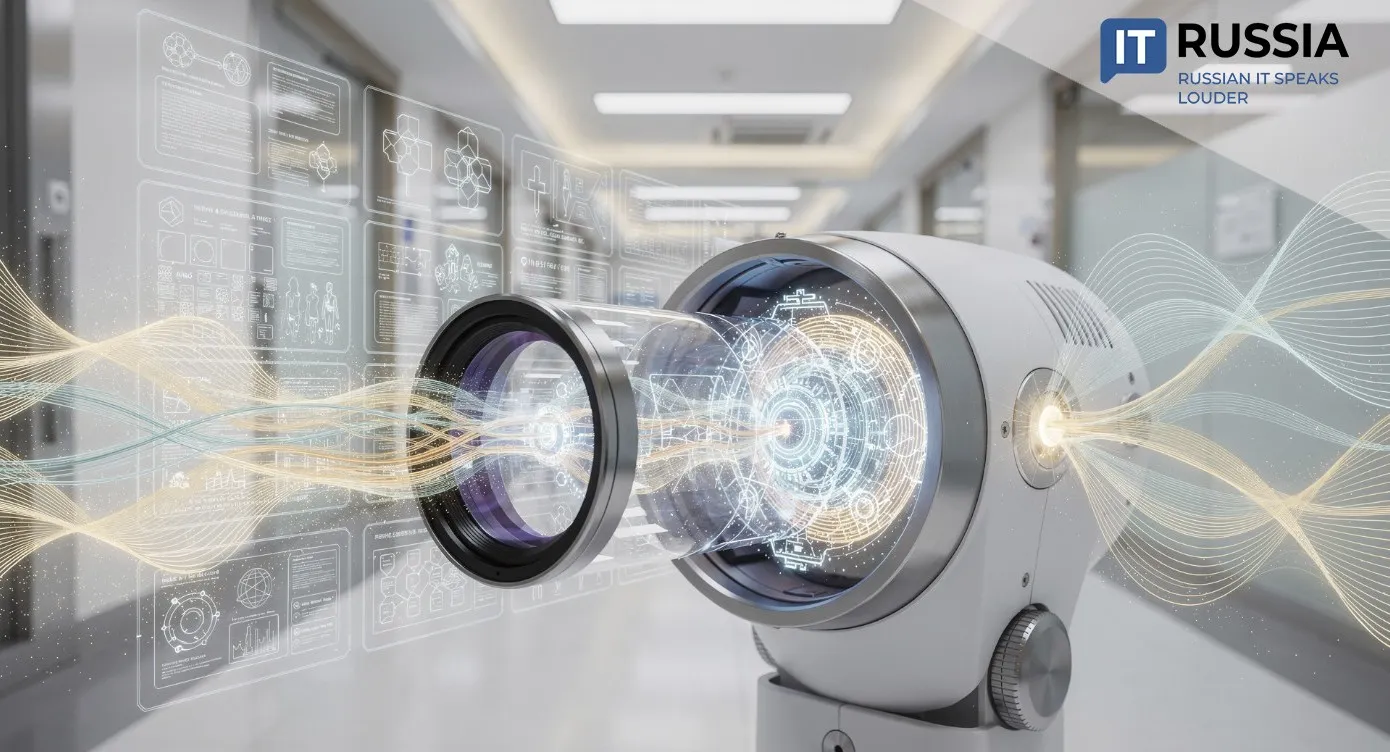
The system uses a standard webcam and a neural network trained on images of hands wearing industrial protective gear. The algorithm learned to distinguish intentional commands from accidental hand movements with high reliability: bringing the thumb and index finger together simulates a left mouse click, while combining the thumb and middle finger triggers a right click. Accuracy reaches 90–95%, with a response time of about 0.1 seconds. The system’s main advantage is its resilience to industrial interference. The technology operates reliably in poor lighting, around moving machinery, and under heavy dust conditions. That removes the need for companies to purchase expensive external controllers, making contactless industrial control far more accessible at scale.
From Laboratory Code to Factory Floors
The project reflects a broader trend across Russia’s industrial AI sector. Similar technologies are being tested at the St. Petersburg Federal Research Center of the Russian Academy of Sciences and at STANKIN Moscow State University of Technology, where reported accuracy exceeds 99%. The key question now is how these systems will perform inside real production facilities. Accuracy rates of 90–95% represent a strong starting point, but industrial environments demand predictable error behavior. What happens during a false trigger, sudden overexposure from bright light, or when an operator’s hand is blocked by a heavy tool? Only pilot deployments can answer those questions. If successful, the technology could become part of Russia’s emerging national industrial AI stack. For countries seeking affordable industrial modernization without relying on Western software licenses, the platform could represent a major breakthrough.
Why This Matters Right Now
Russia has set an ambitious goal: by 2030, the country aims to increase industrial robot density to 145 robots per 10,000 workers, and to 230 robots per 10,000 employees at state-owned enterprises. The Ministry of Industry and Trade plans to allocate roughly $1.7 billion to support those efforts. But robotic hardware alone is not enough without reliable and intuitive control interfaces. Gesture-based systems open access to environments where traditional interfaces struggle to operate effectively: food manufacturing facilities with strict sanitation standards, medical laboratories, emergency-response operations, and high-explosion-risk industrial zones. Safety and hygiene no longer have to come at the expense of operational efficiency.
Under Russia’s push for technological sovereignty, the project also addresses another strategic issue – import substitution. The system could potentially replace Western HMI interfaces and computer-vision platforms, reducing dependence on foreign components. The Novgorod project is becoming part of a growing national industrial AI ecosystem.
Experiment Becomes Industrial Tool
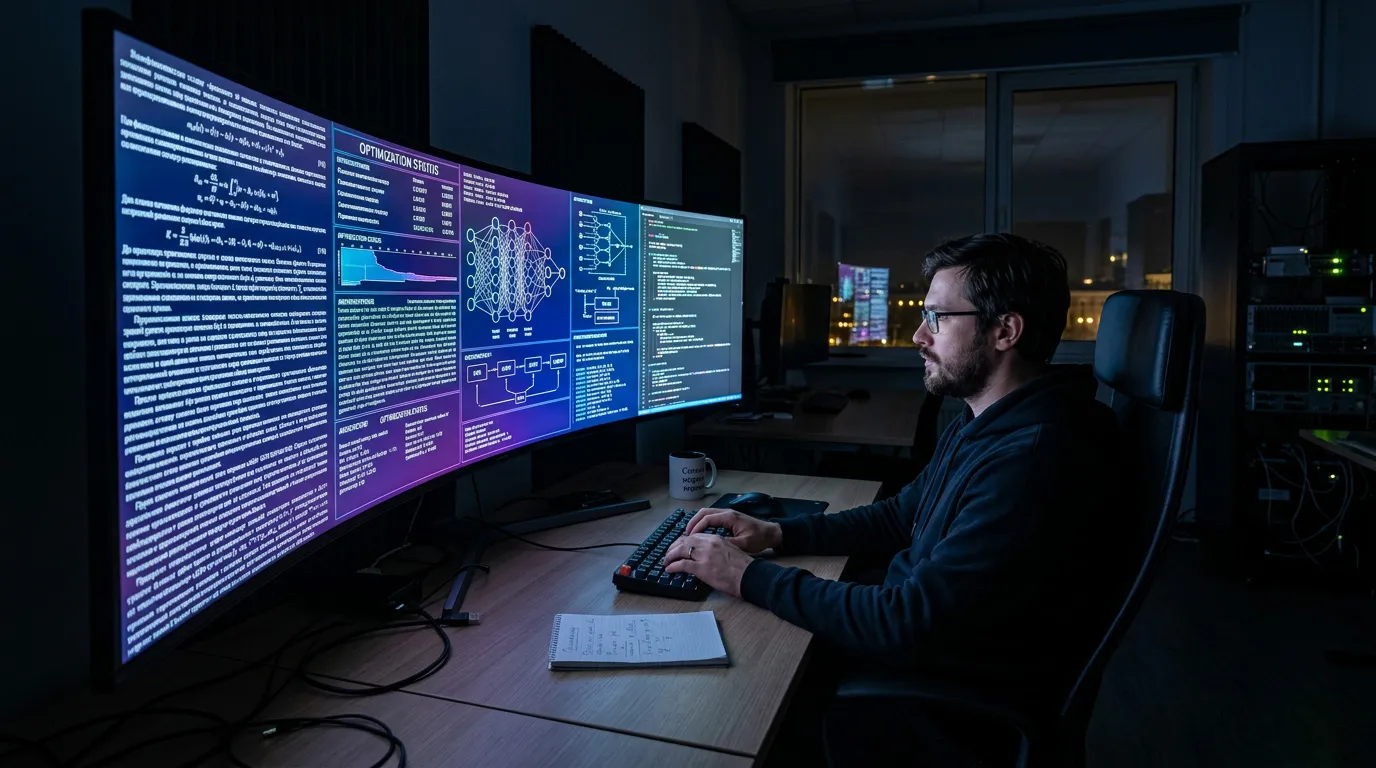
The industry is approaching a new era of human-machine interaction in which computer vision is evolving from an academic experiment into an everyday industrial tool. The path from a university laboratory to an active production line remains challenging: the system will require strict certification, deep integration with industrial controllers, and extensive emergency-response testing. Still, the direction is becoming increasingly clear. The industry of the future will demand not physical endurance from workers, but intuitive control over complex systems. Once neural networks learn to interpret gloved human hands without error, the boundary between operator and machine may largely disappear.