

AI Aleksandra, This City Is Ours: Moscow Outlines Transport Development Plans
City authorities plan to launch the first driverless metro line by 2030
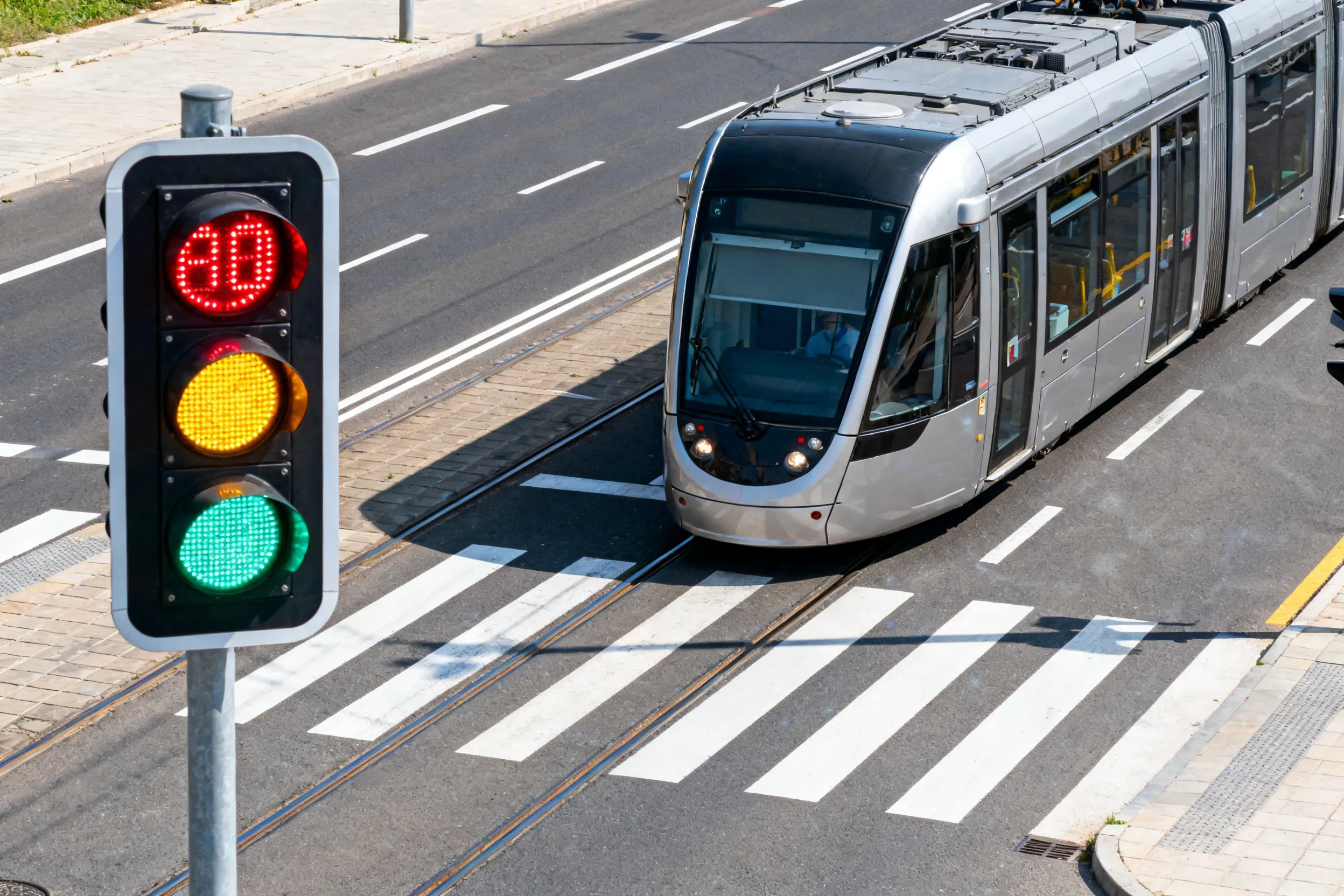
The Moscow government is actively implementing artificial intelligence projects in the transport sector. About ten AI-based solutions are already in use. In 2025 the city introduced the world’s first driverless tram carrying passengers on a regular route. Since September, it has transported more than 60,000 passengers.
By the end of 2026, 15 trams on the Krasnopresnenskaya network are expected to become autonomous, and by 2030 roughly two-thirds of Moscow’s entire tram fleet will operate without drivers. Moscow Mayor Sergey Sobyanin outlined the plans in his blog.
Driverless Metro
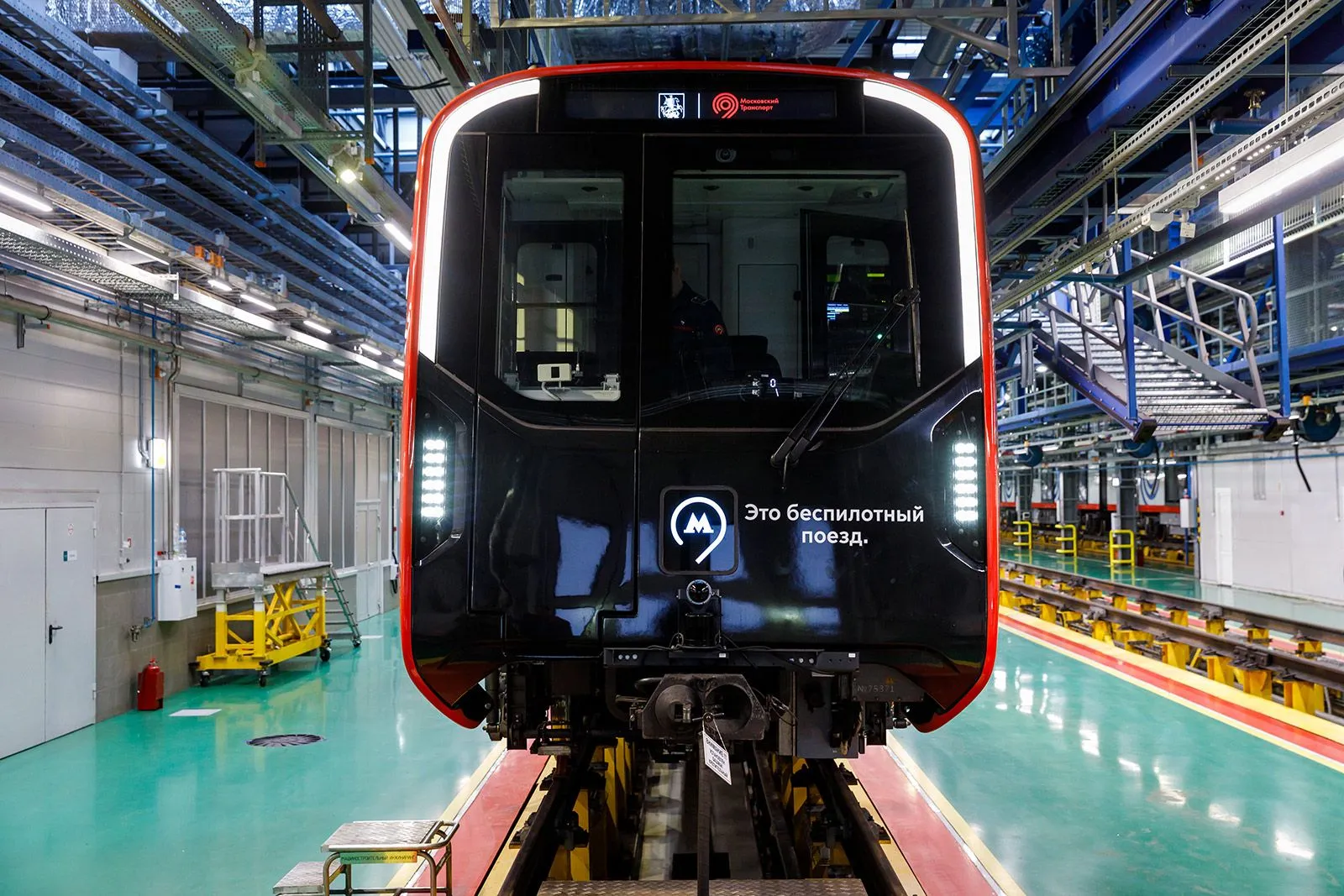
In January, with the participation of Russian President Vladimir Putin, tests began at the Aminyevskoye electric depot for the country’s first driverless metro train based on the Moskva-2024 model.
Current regulations and safety standards still require a driver to remain in the cabin. Passenger trips are planned to begin in 2027, while by the end of 2026 the train will run without passengers within the regular timetable, operating at 90-second intervals during peak hours.
By 2030, Moscow authorities plan to introduce the city’s first fully driverless metro line.
Biometrics and Smart Traffic Lights
Digital services for passengers are also expanding. For example, the AI-powered virtual assistant Aleksandra handled more than 500,000 requests over the past year. About 53 percent of its knowledge base is integrated with neural networks, allowing users to access not only reference information but also interesting facts about city transport.
Biometric payment is now available at all metro and Moscow Central Circle turnstiles. The system is also used on Aeroexpress trains, at docks serving regular electric river transport and at several stations of the Moscow Central Diameters network. In 2026 the service will expand to all stations and later to surface transport as well.
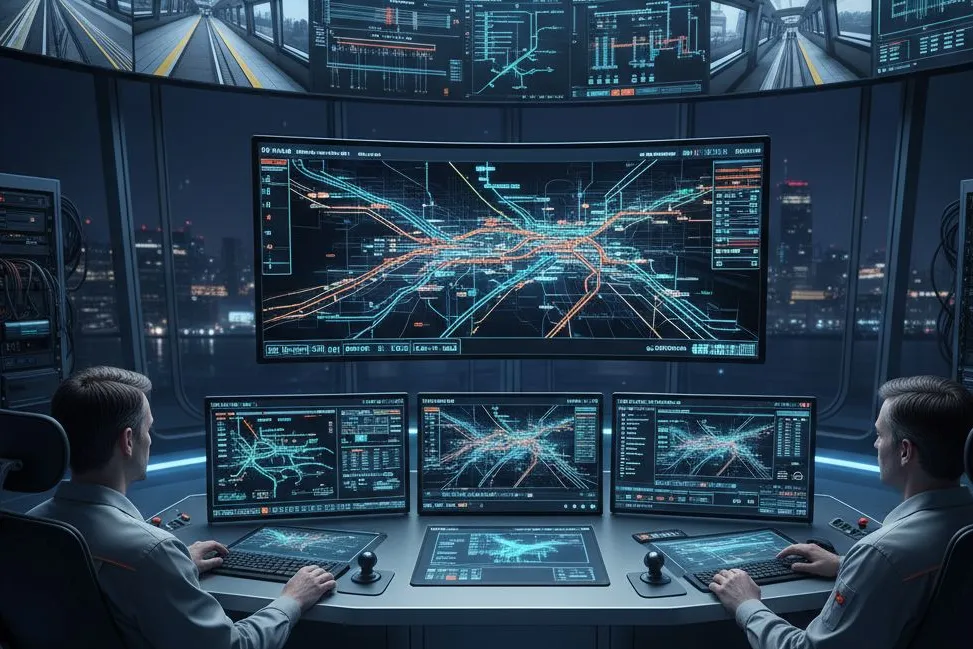
The city’s Traffic Management Center uses artificial intelligence in its traffic-light video analytics system. When trams approach an intersection, the system detects them and immediately switches the signal to green. As a result, trams pass through intersections 20 percent faster.
In addition, real-time traffic-light phase data has been integrated into navigation services. Drivers can see which signal is active at the nearest intersection and how long it will remain so. This allows them to adjust speed in advance – accelerate to catch the green light or slow down if stopping is inevitable.
Earlier reports said AI will be used to manage traffic flows in one of Moscow’s residential districts.