

AI-Powered Triage for Radiologists: How Artificial Intelligence Is Helping Doctors Process Medical Images
Artificial intelligence is increasingly becoming a practical assistant for radiologists across Russia's regions. In the Rostov region alone, AI has processed more than 135,000 medical imaging studies.
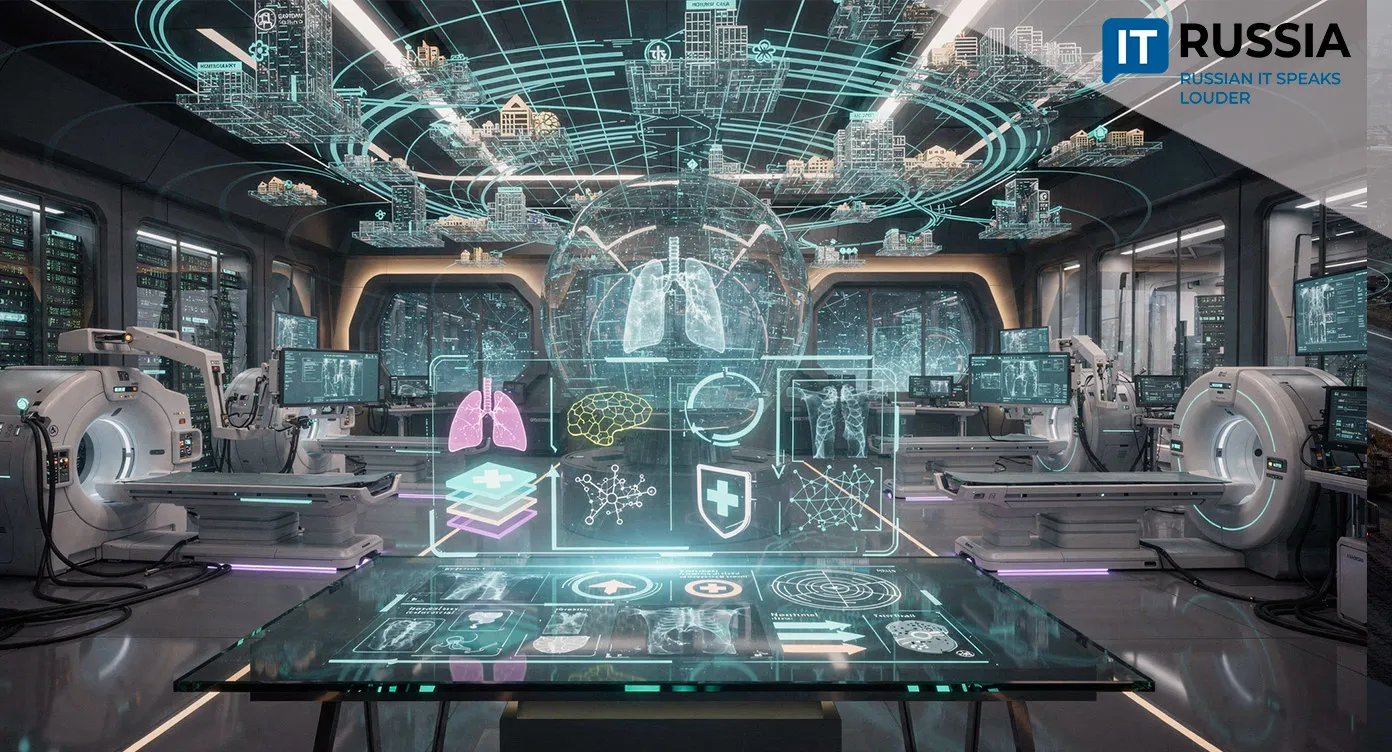
Artificial intelligence has become part of routine clinical practice in Russia's Rostov region. Physicians have used it to process more than 135,000 radiological and other diagnostic imaging studies. In nearly one out of every three cases, the algorithms detected signs of potential pathology. Overall, the AI system flagged almost 50,000 examinations that warranted closer review by healthcare professionals.
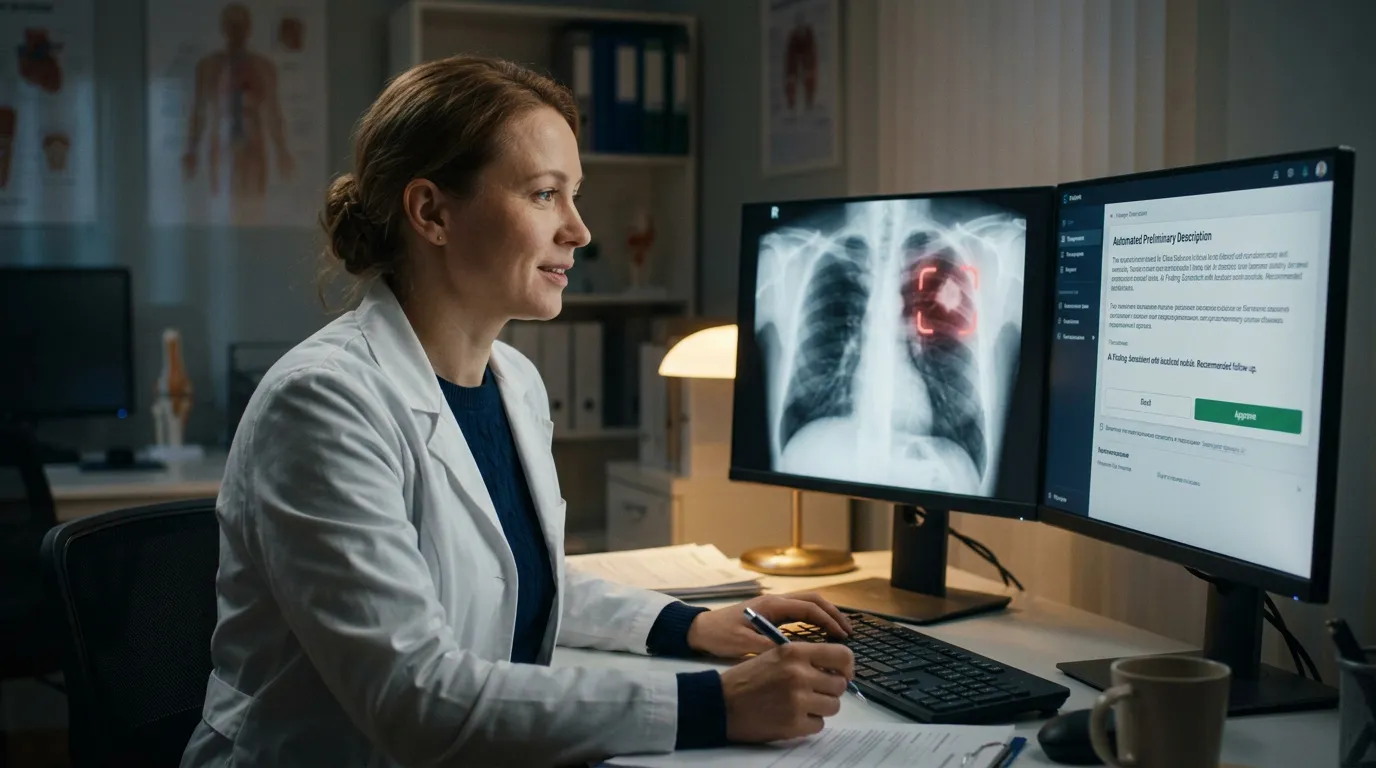
The platform functions as a digital assistant, separating studies with suspected abnormalities from those that appear to be within normal limits. The AI provides only a preliminary assessment, however. The final diagnosis always remains the responsibility of the physician. Rostov Region Health Minister Nairi Vardanyan emphasized: "Detecting abnormalities in a patient's health at an early stage creates the opportunity to begin treatment without delay."
Where AI Is Being Used
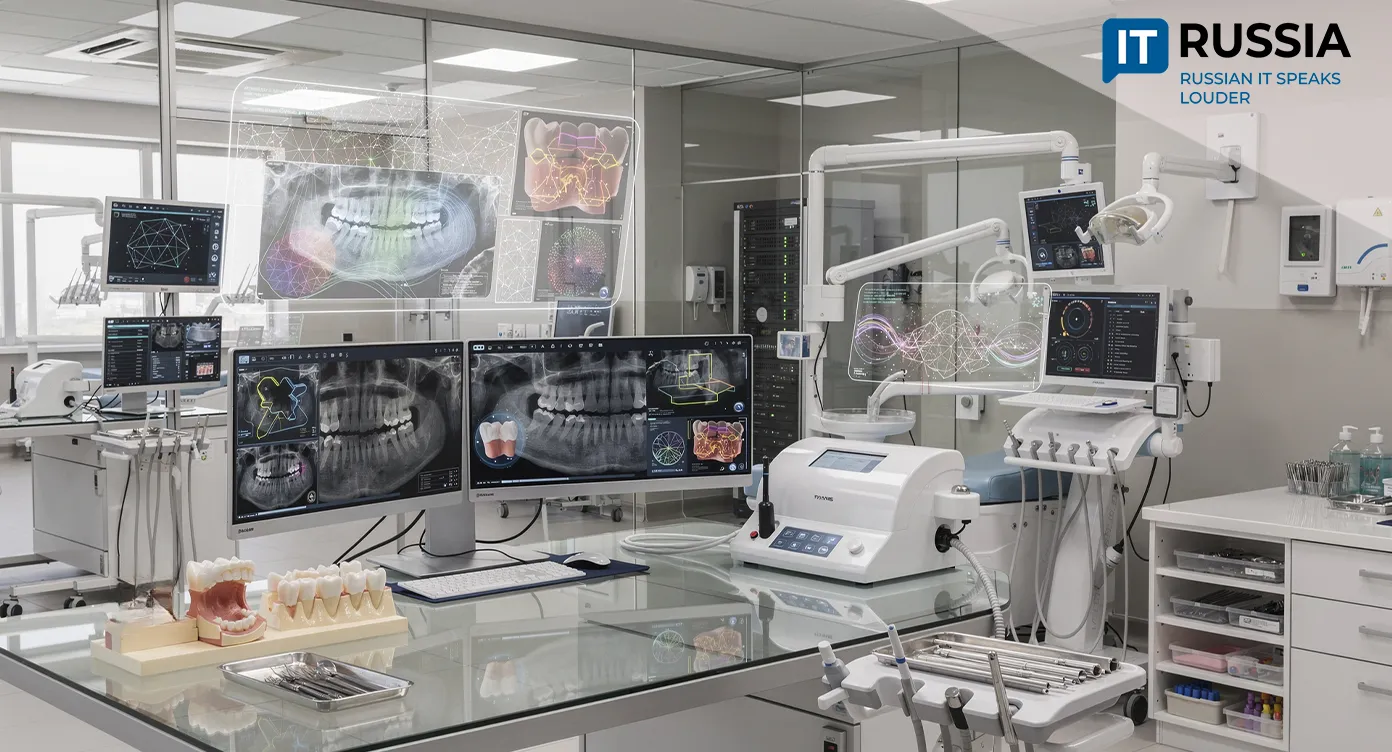
The technology is used to analyze CT scans, MRI studies, X-rays, and fluorography examinations. Physicians no longer have to spend valuable time preparing routine reports for studies that show no signs of disease. AI takes over that part of the workflow, allowing radiologists to focus on more complex cases where patients face genuine health risks.
As a result, medical imaging data can be processed more quickly, diagnostic departments can handle higher patient volumes, and patients receive their reports sooner. At the same time, diagnostic accuracy is maintained while consistency across interpretations improves.
Modern AI tools are therefore becoming a reliable way to improve diagnostic quality. Their value is particularly evident in regions facing shortages of radiologists and heavy workloads in diagnostic departments. AI does not eliminate the shortage of medical personnel, but it enables the specialists already in place to work more efficiently.

How the Technology Emerged
Moscow has become Russia's largest testing ground for medical AI. Since 2020, the city has been running a large-scale initiative to integrate computer vision into radiology workflows.
By 2025, the algorithms had analyzed more than 14 million imaging studies, while the number of supported clinical applications had expanded to 39. That experience laid the foundation for subsequent regional deployments.
The MosMedAI (MosMedII) platform gives physicians across Russia's regions access to AI services that assist with interpreting CT, MRI, and X-ray images. The Rostov region is among the jurisdictions where the technology has been successfully adopted and is producing measurable results. In some applications, algorithm accuracy exceeds 95%, placing performance on par with leading international systems.
Scope and Future Growth
In 2025, Russia's Federal Service for Surveillance in Healthcare (Roszdravnadzor) registered 48 AI-powered medical software products. The market is moving beyond isolated pilot projects toward a regulated medical software segment. On January 1, 2025, a national standard (GOST) governing the testing of AI systems for radiology took effect. The standard is intended to verify the quality and safety of AI algorithms, while ensuring that final clinical decisions remain with physicians.
The primary opportunity within Russia is the continued expansion of AI services across regional healthcare systems. Physicians in 72 regions are already using AI to analyze medical images.
Among the first regions to adopt the technology were the Voronezh, Moscow, Kaliningrad, Lipetsk, and Chelyabinsk regions, along with the Yamalo-Nenets Autonomous Okrug. Today, the most active adoption is seen in Krasnodar Krai, the Nizhny Novgorod, Voronezh, Chelyabinsk, and Volgograd regions, as well as the Republic of Bashkortostan.
On Sakhalin Island, for example, the Third Opinion (Tretye Mnenie, "Third Opinion") platform has already been used to analyze nearly 80,000 imaging studies. In January 2025 alone, 245,000 X-ray and fluorography examinations were performed with AI support under Russia's mandatory health insurance system across 20 regions. The technology is rapidly expanding beyond individual cities and becoming part of an interregional digital healthcare infrastructure.

Global Significance and Export Potential
No healthcare system in the world has tested so many AI algorithms in routine clinical practice or integrated them into everyday diagnostic workflows across entire regions.
The greatest export opportunity may lie less in selling software than in transferring implementation expertise: how to organize deployment, integrate AI into existing healthcare infrastructure, and train physicians to work effectively with algorithm-assisted diagnostics. That experience could prove valuable for countries that are only beginning to adopt medical AI.