Energy in Motion: Rosatom and ETU LETI Launch a Factory for Tomorrow's Engineers
Europe's oldest electrical engineering university is marking its 140th anniversary by launching a graduate program that is reshaping how the next generation of engineering leaders is trained.
Rosatom and Saint Petersburg Electrotechnical University "LETI" are opening admissions for a new master's program. Instead of traditional lectures, students will work in trusted programmable logic controller laboratories. Instead of abstract capstone projects, they will tackle real assignments from the nuclear industry. And instead of worrying about the departure of Western technology vendors, they will gain confidence in developing software and hardware of their own. The first cohort will begin studying this year, preparing to become the architects of tomorrow's digital control systems.
A New Generation of Automation Engineers
The launch of the Intellektualnyye tekhnologii Interneta veshchey i promyshlennoy avtomatizatsii (Intelligent Internet of Things and Industrial Automation Technologies) master's program signals a broader shift in how Russia educates engineers. Rosatom and Saint Petersburg Electrotechnical University have, in effect, entered into a long-term partnership to prepare a new generation of technical professionals.
LETI has long stood at the forefront of physics and engineering. Today, its graduates are once again preparing to build technologies that could shape industry for decades to come. Students will train to become architects of digital industrial control systems, which serve as the nervous system of modern manufacturing. Launched within the Peredovaya inzhenernaya shkola "Elektronika i elektrotekhnika" (Advanced Engineering School "Electronics and Electrical Engineering"), the program is designed to create a strong foundation for future engineers. Its goal is to prepare specialists capable of replacing imported technologies in mission-critical systems while developing domestic alternatives, from SCADA platforms to embedded artificial intelligence for telemetry processing.
The program is overseen by RASU JSC, Rosatom's Industrial Automation and Electrical Engineering division. That choice is deliberate. The division brings together dozens of organizations, ranging from a research institute with its own manufacturing facilities to a producer of radioisotope instruments and a market leader in power conversion technologies. For students, this creates an extensive hands-on learning environment where they can watch their software and circuit designs evolve into real-world systems for control, monitoring, and power distribution at nuclear power plants.
Managing Nuclear Energy
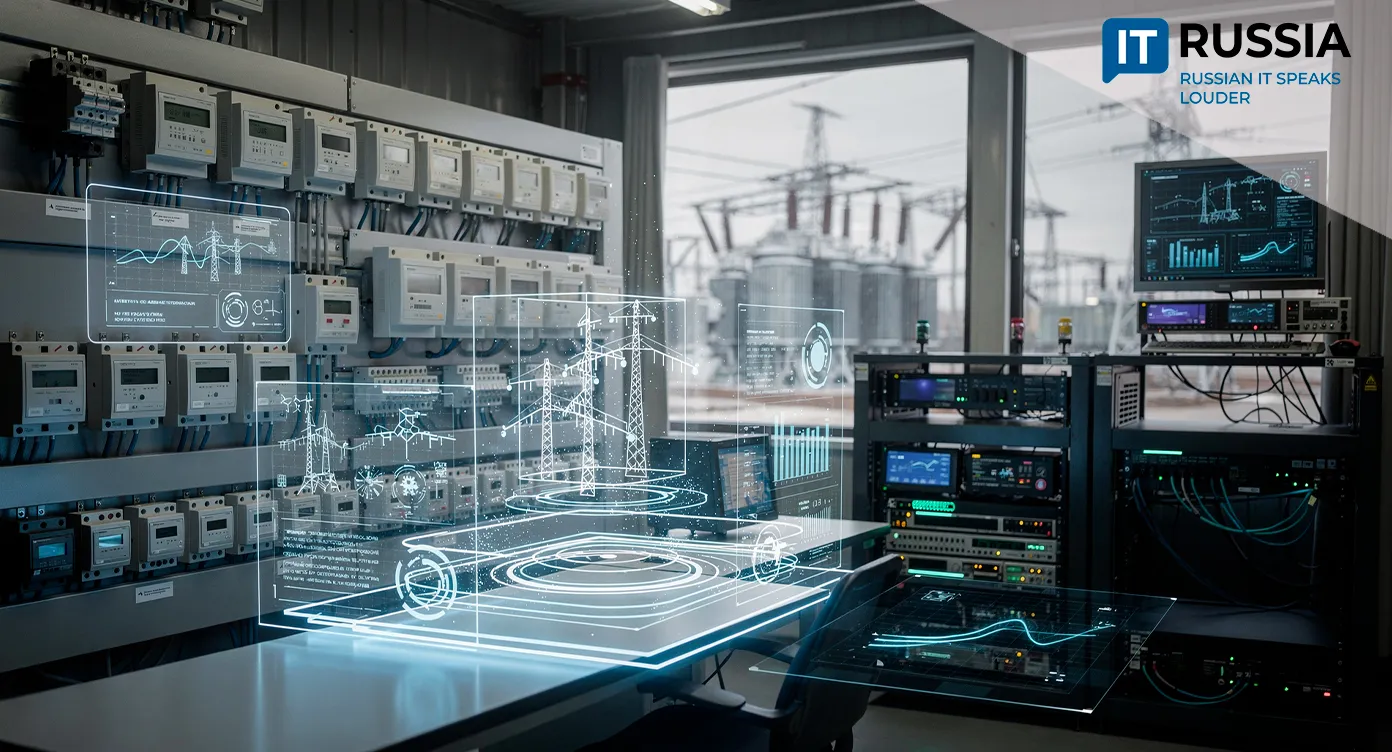
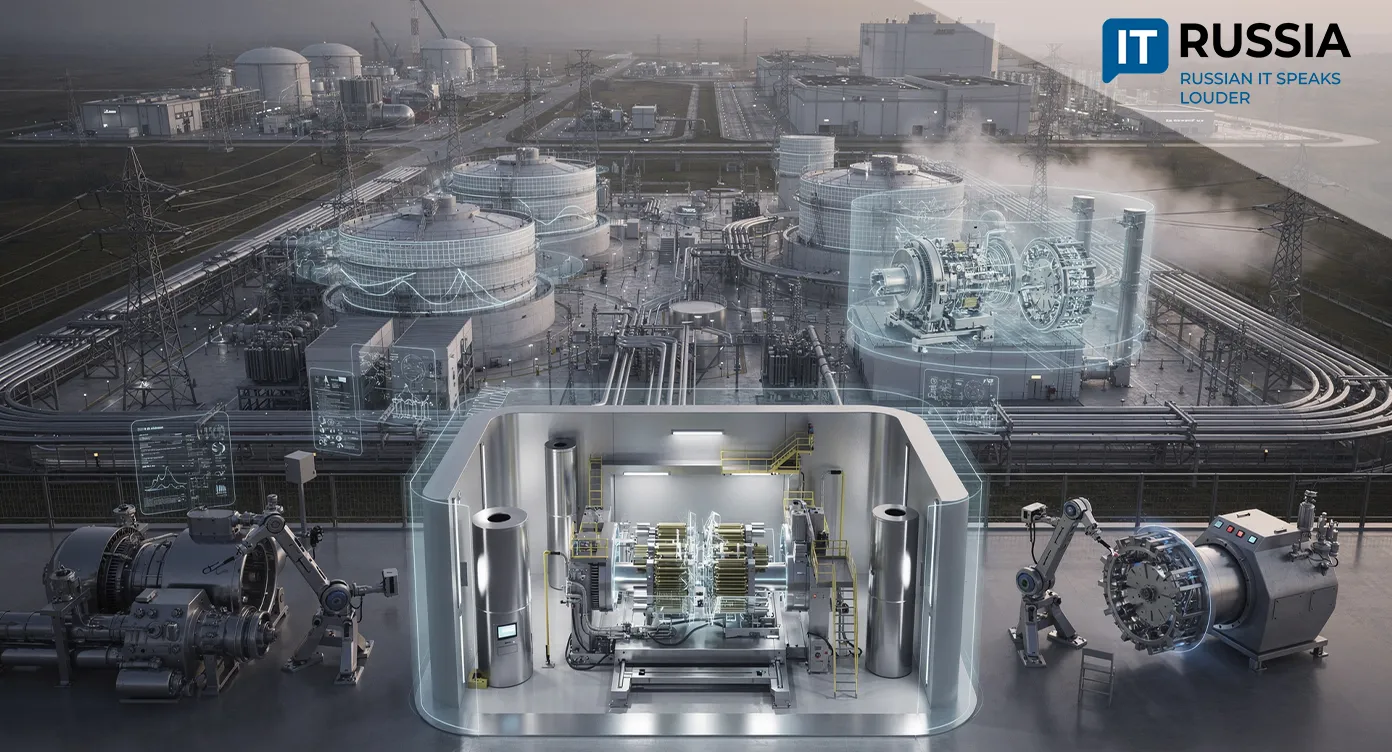
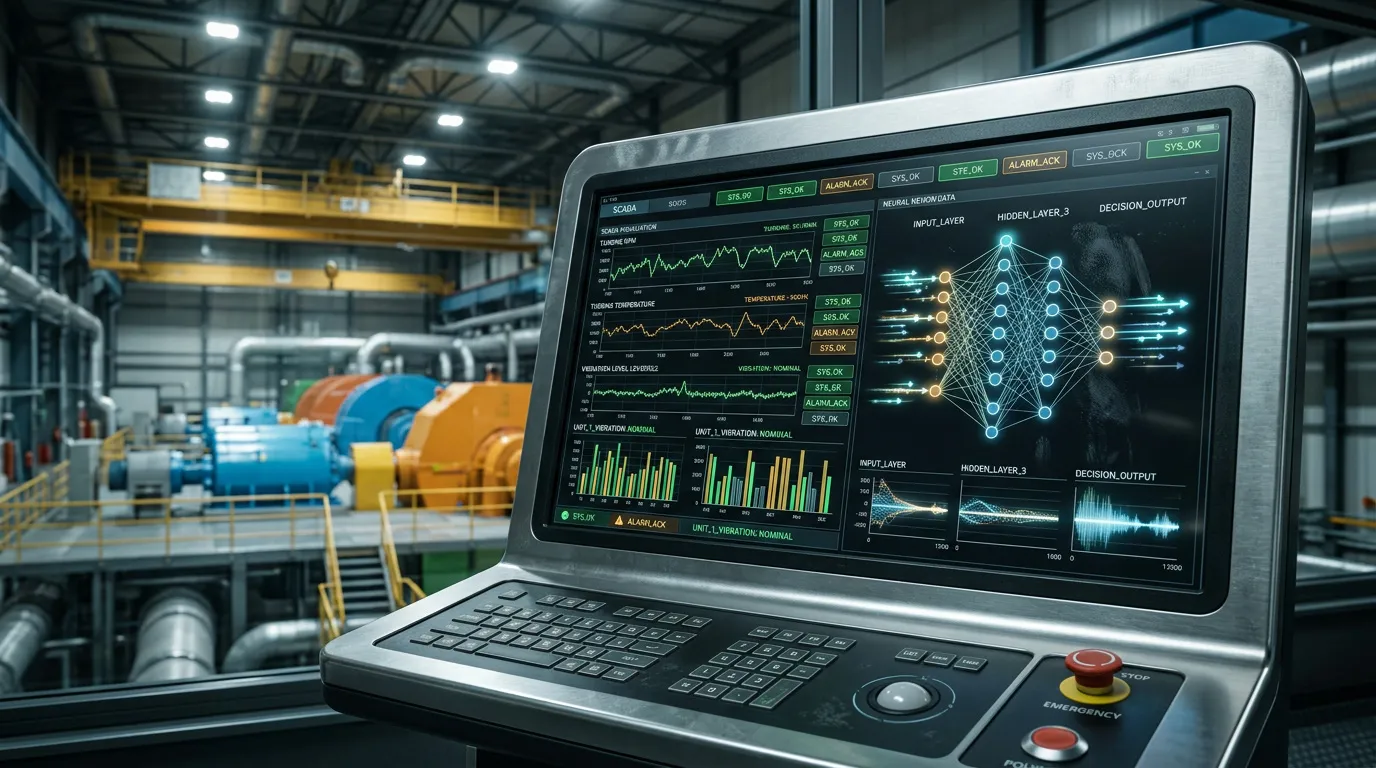
To most people, a nuclear power plant means reactors, turbines, and a massive containment dome. Yet the true heart of a modern generating unit is its industrial process control system. These systems continuously monitor thousands of operating parameters, manage safety functions, and direct energy flows throughout the facility. Rosatom treats these systems as a cornerstone of nuclear safety, consistently describing them in corporate materials as one of the industry's most critical safety components.
This area has also become one of Russia's most sensitive technological dependencies. Against today's geopolitical backdrop, the importance of the new program becomes clear. For many years, Germany's Siemens partnered with Rosatom on industrial control systems. That cooperation has ended completely, however, and contracts, including those covering equipment for the flagship Paks II Nuclear Power Plant project in Hungary, have been terminated. Rosatom is now moving toward solutions independent of Siemens while relying on domestic technologies and partners from friendly countries.
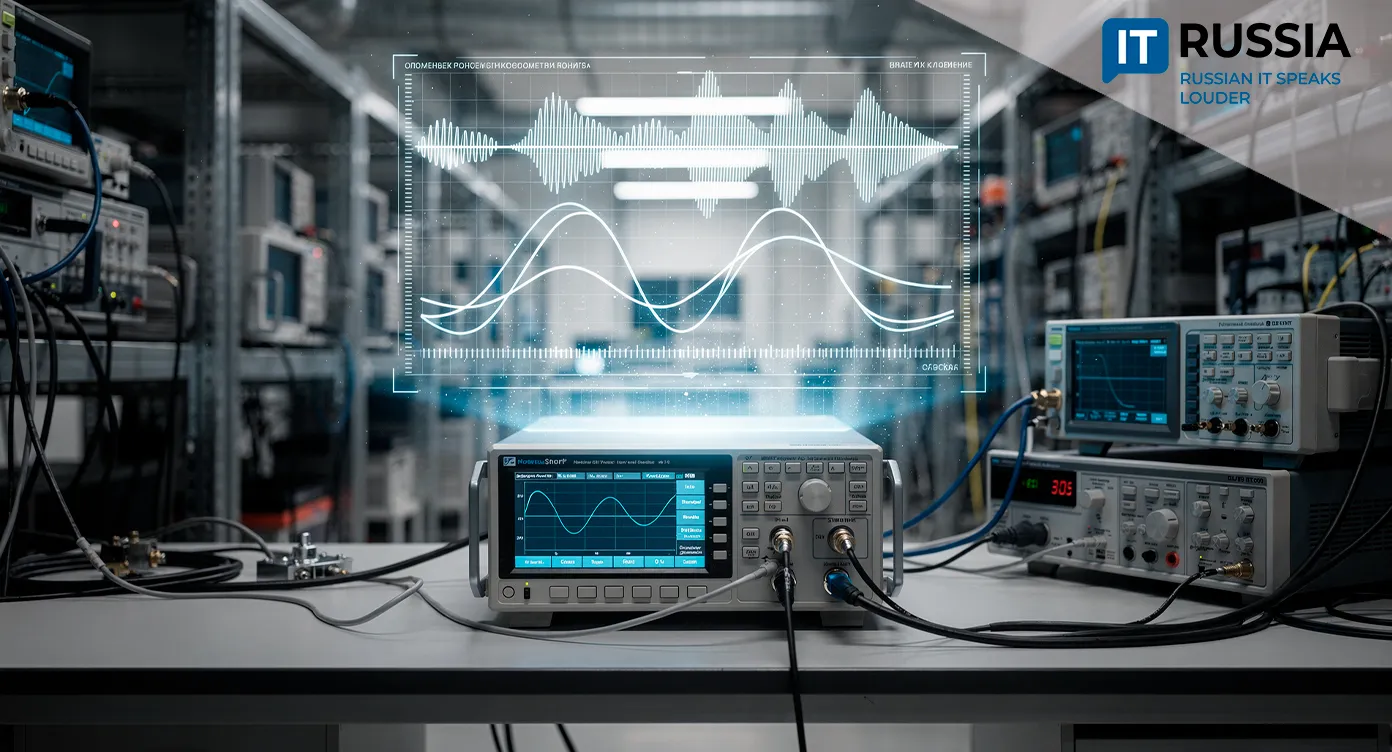
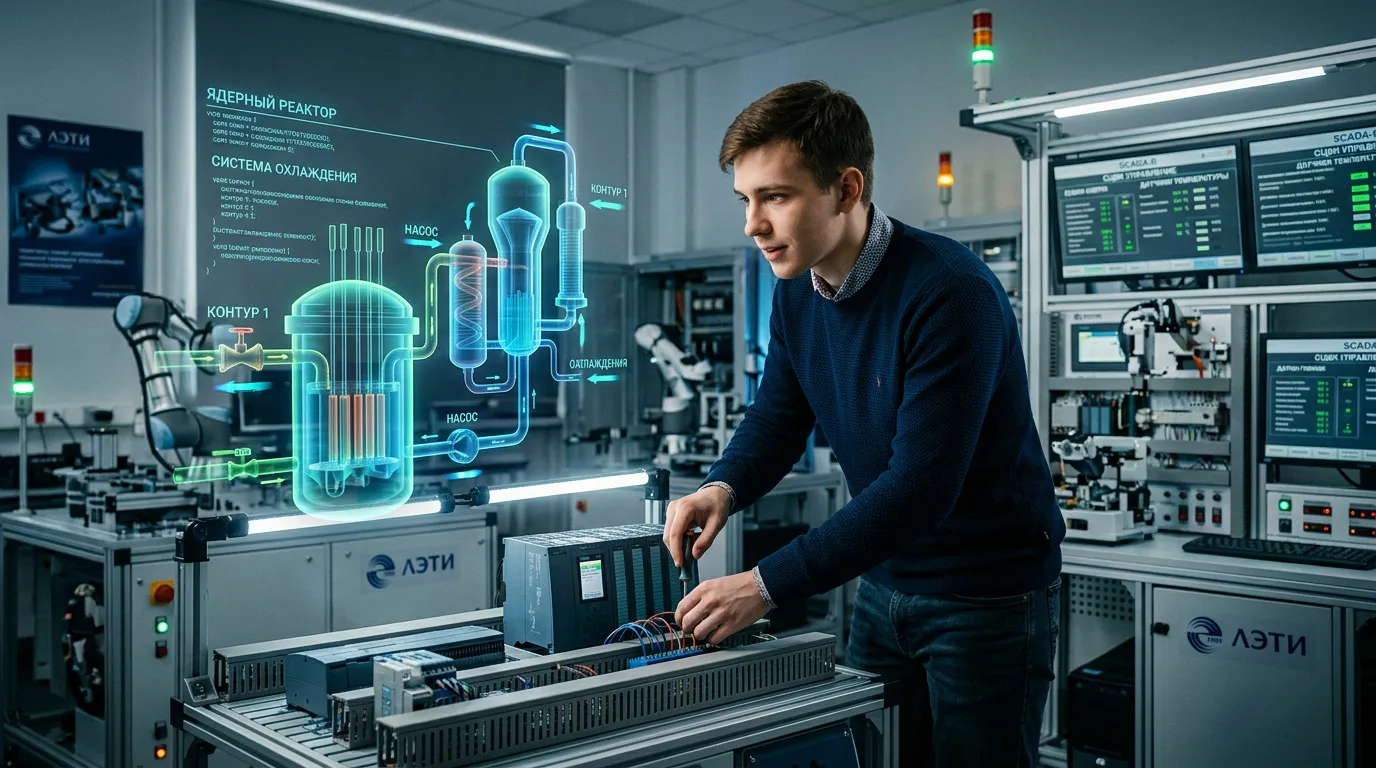
That challenge lies at the center of the new educational program. Russia needs engineers who can do more than operate German software. It needs professionals capable of developing equivalent systems from the ground up, optimized for Russian programmable logic controllers and domestically developed digital twins. LETI's Advanced Engineering School already includes two specialized laboratories dedicated to trusted programmable logic controllers and intelligent industrial automation. These are full-scale engineering environments where students will configure and test equipment intended to replace Western technologies that are no longer available.
How Russia Built Its Advanced Engineering Schools
The federal Peredovyye inzhenernyye shkoly (Advanced Engineering Schools) initiative was launched by Russia's Ministry of Science and Higher Education in 2022. Its mission was ambitious: redesign engineering education by closing the gap between academic learning and the needs of industry, while supplying high-productivity, export-oriented sectors of the economy with highly qualified engineers.
By 2024, the country had established 50 Advanced Engineering Schools across 26 cities. Rosatom emerged as one of the initiative's most active partners, supporting more universities than any other participating company. That same year, LETI introduced five educational programs covering power electronics, electrical engineering, and instrumentation. More importantly, the university began building new scientific and engineering solutions in industrial automation.
Rosatom and LETI later launched an industrial automation project built around the Russian SCADA-R platform. Students worked with production-grade software designed for digital substations. That effort was followed by the announcement of the new master's program, which combines several cross-disciplinary technologies, including the Internet of Things, artificial intelligence for telemetry processing, and embedded systems. The partners have openly stated their goal of turning the Advanced Engineering School into Russia's only industry competence center for industrial process control systems while also establishing laboratories for programmable logic controller testing. By 2030, Russia plans to operate 30 Advanced Engineering Schools nationwide.
What Lies Behind the Curriculum
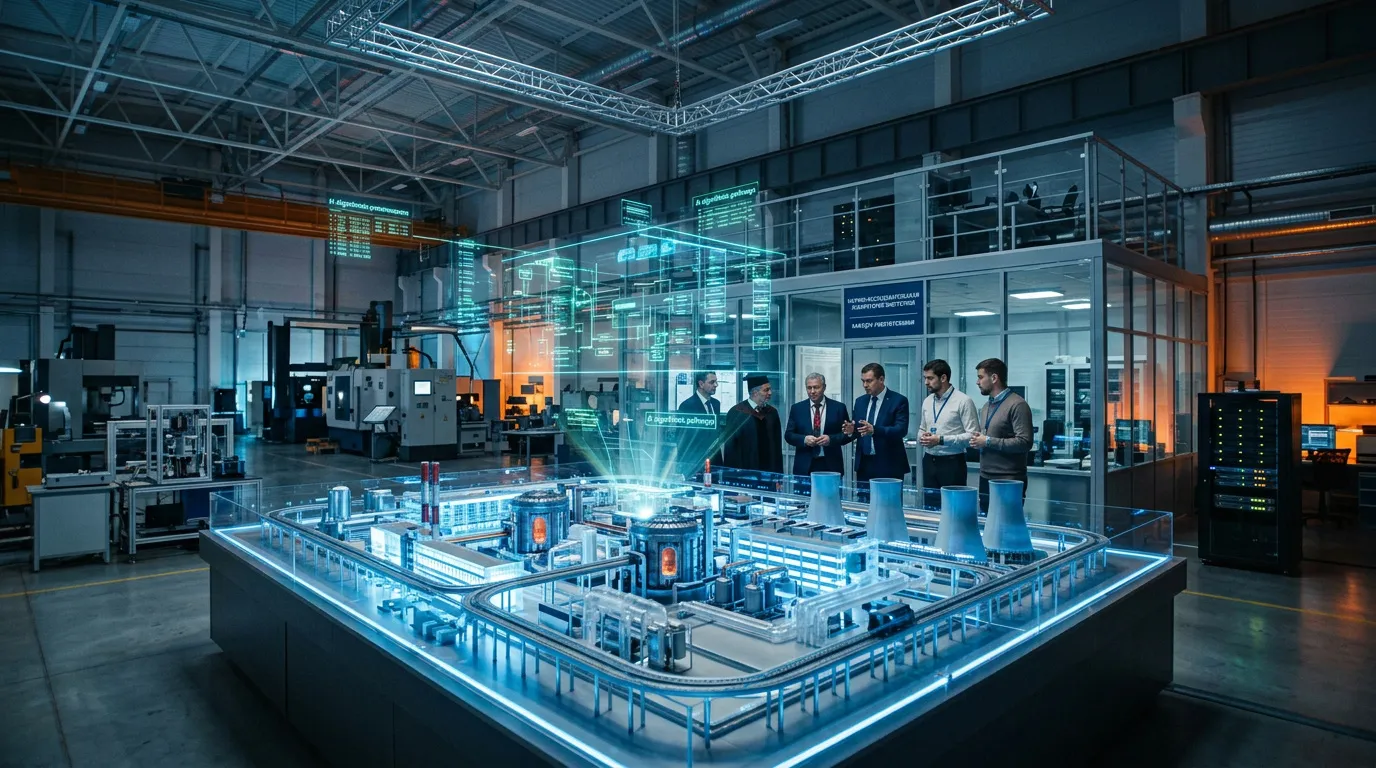
Students will study software engineering for industrial process control systems, artificial intelligence methods for telemetry analysis, and the development of digital twins for industrial processes.
RASU JSC is already involved in major projects across Asia, Africa, and the Middle East. The division supplies systems for control, monitoring, and power distribution to dozens of operating and under-construction power units in Russia and abroad, ranging from nuclear power plants to solar and wind energy facilities. The new master's program is preparing engineers to work at precisely that scale.
LETI Rector Viktor Sheludko described the program, whose first class begins in 2026, as another step toward strengthening cooperation between the university and Rosatom in preparing specialists capable of supporting Russia's technological leadership. In its 140th anniversary year, the university and Rosatom are looking beyond their history and investing in the engineers who will shape the country's industrial future.