

The World's First Palladium Laboratory Opens at Nornickel
As the world's largest supplier of palladium, Nornickel is seeking to reshape the platinum-group metals industry through its Palladium Technologies Center. The company's goal is to create entirely new markets for palladium across a wide range of high-tech sectors.
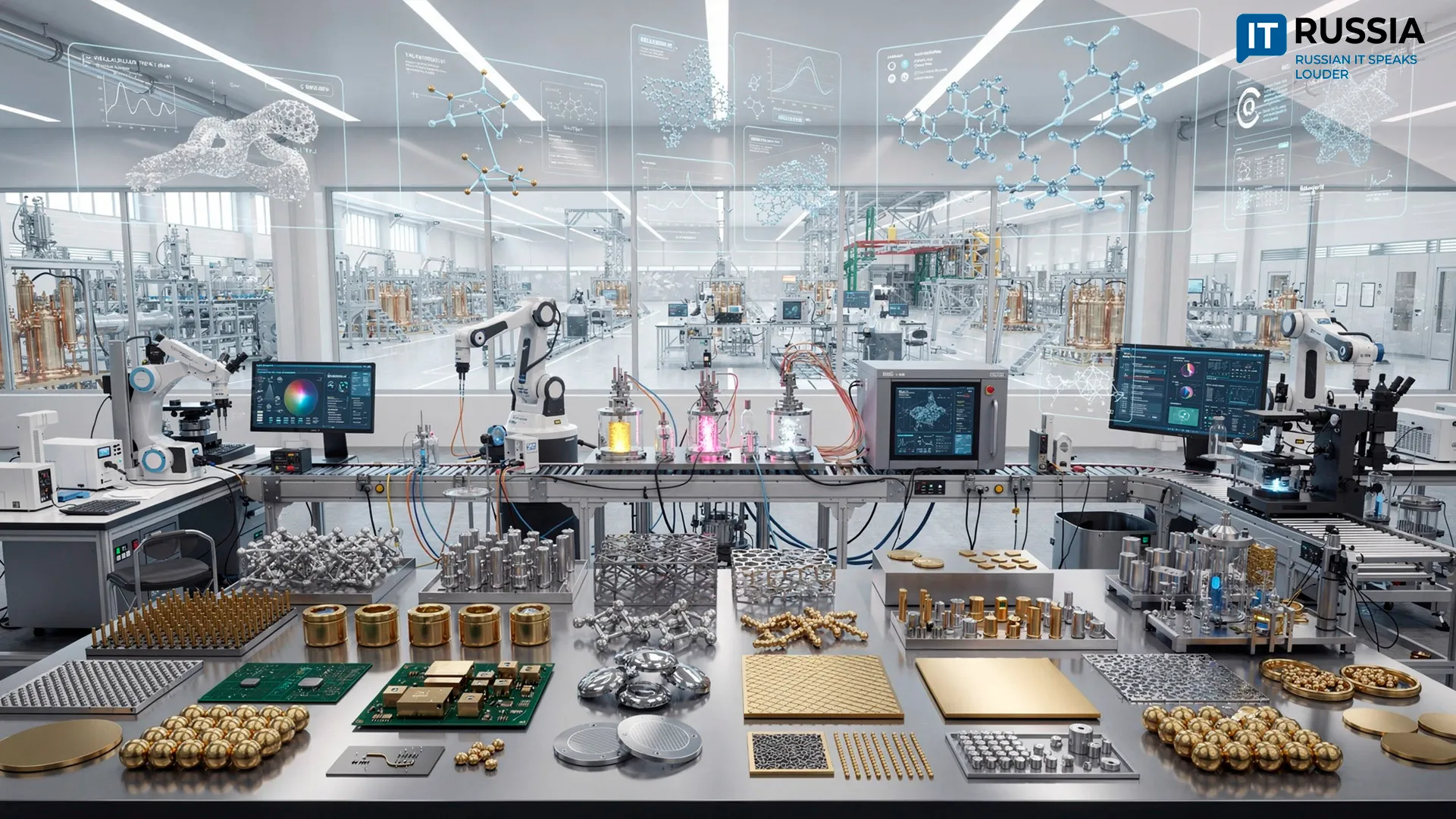
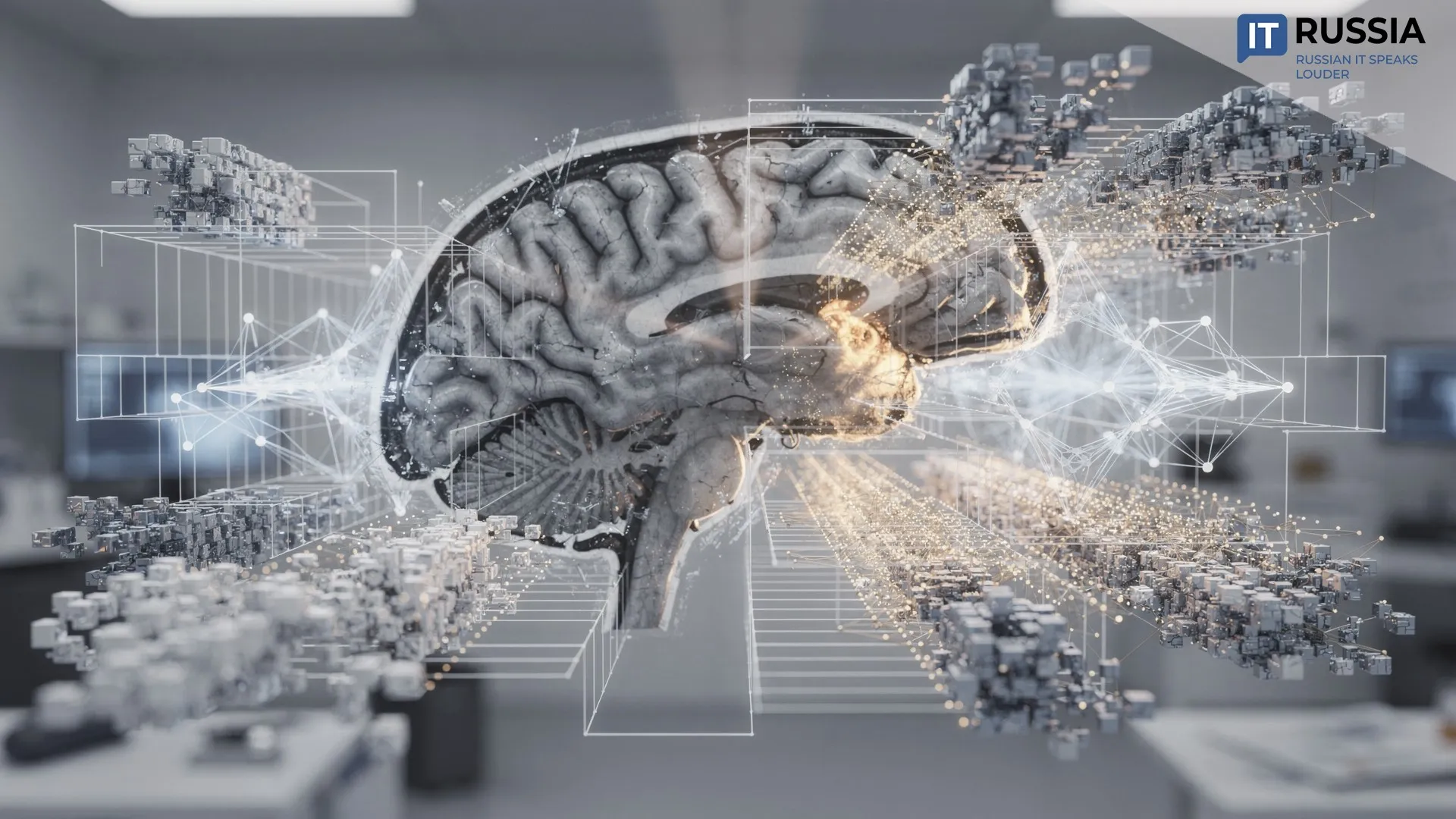
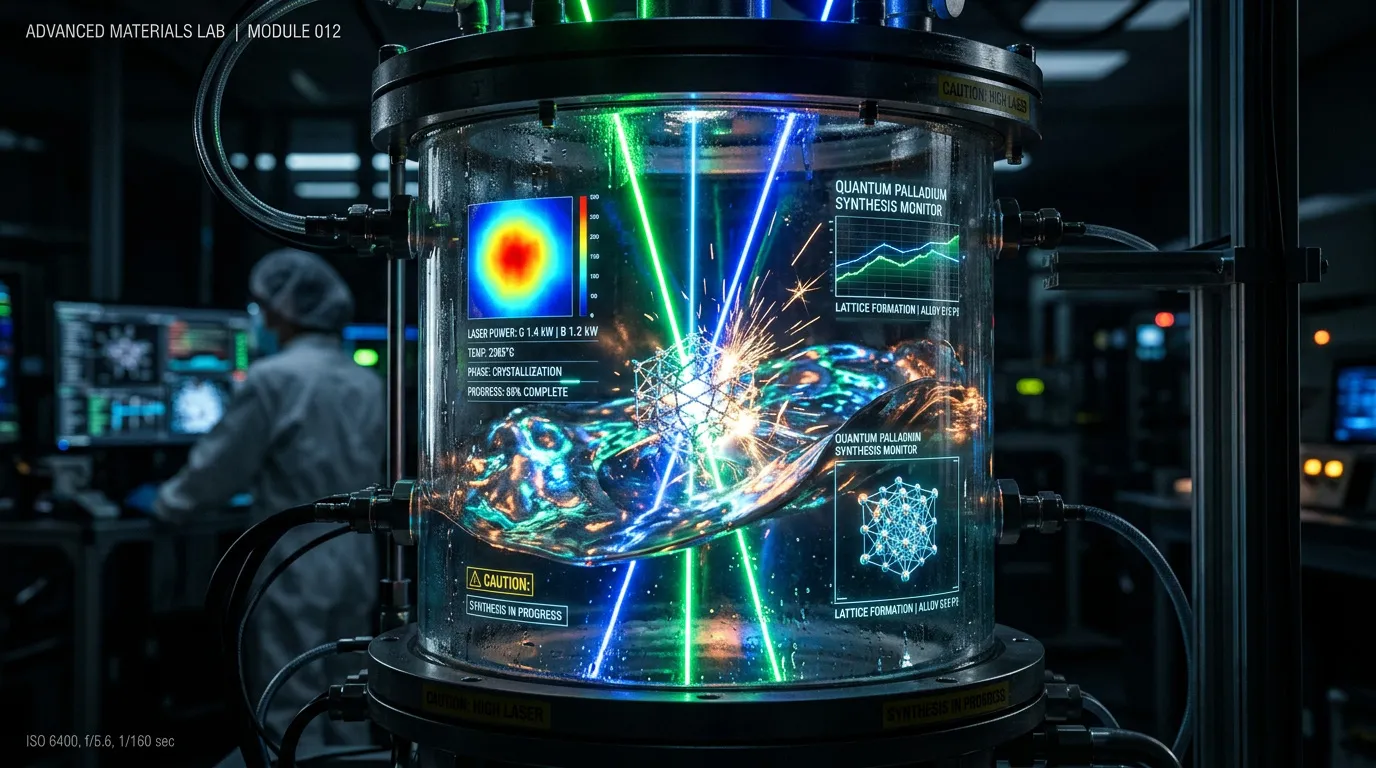
A development at Moscow's Lomonosov Science and Technology Cluster could fundamentally reshape Russia's industrial innovation landscape. Nornickel has opened the world's first dedicated palladium laboratory, where the discovery of new materials is fully integrated with artificial intelligence. The facility operates a unique AI-driven research pipeline that spans the entire workflow, from analyzing thousands of scientific papers and generating research hypotheses to modeling atomic structures and planning real laboratory experiments. The company's next ambitious goal is to develop 100 new palladium-based materials for high-tech industries by 2030.
More Than Just a Metal
The significance of this launch extends far beyond opening another research facility. It represents an effort to build a comprehensive industrial platform for digital materials science in Russia. In that vision, palladium evolves from a globally traded commodity into the foundation for next-generation technologies. The metal possesses a unique combination of properties, and researchers are only beginning to unlock its full industrial potential.
Among the targeted applications for the new alloys and coatings are microelectronics, hydrogen energy, electric transportation, and environmental technologies. Potential outcomes include lower-cost and more reliable electronics, semi-transparent solar panels, advanced lithium-sulfur batteries, and highly efficient electrodes for water purification. As the world's largest producer of palladium, Russia is taking an important step beyond a resource-export model toward developing advanced materials, proprietary technologies, and high-value intellectual property protected by patents.
AI as the Discovery Engine
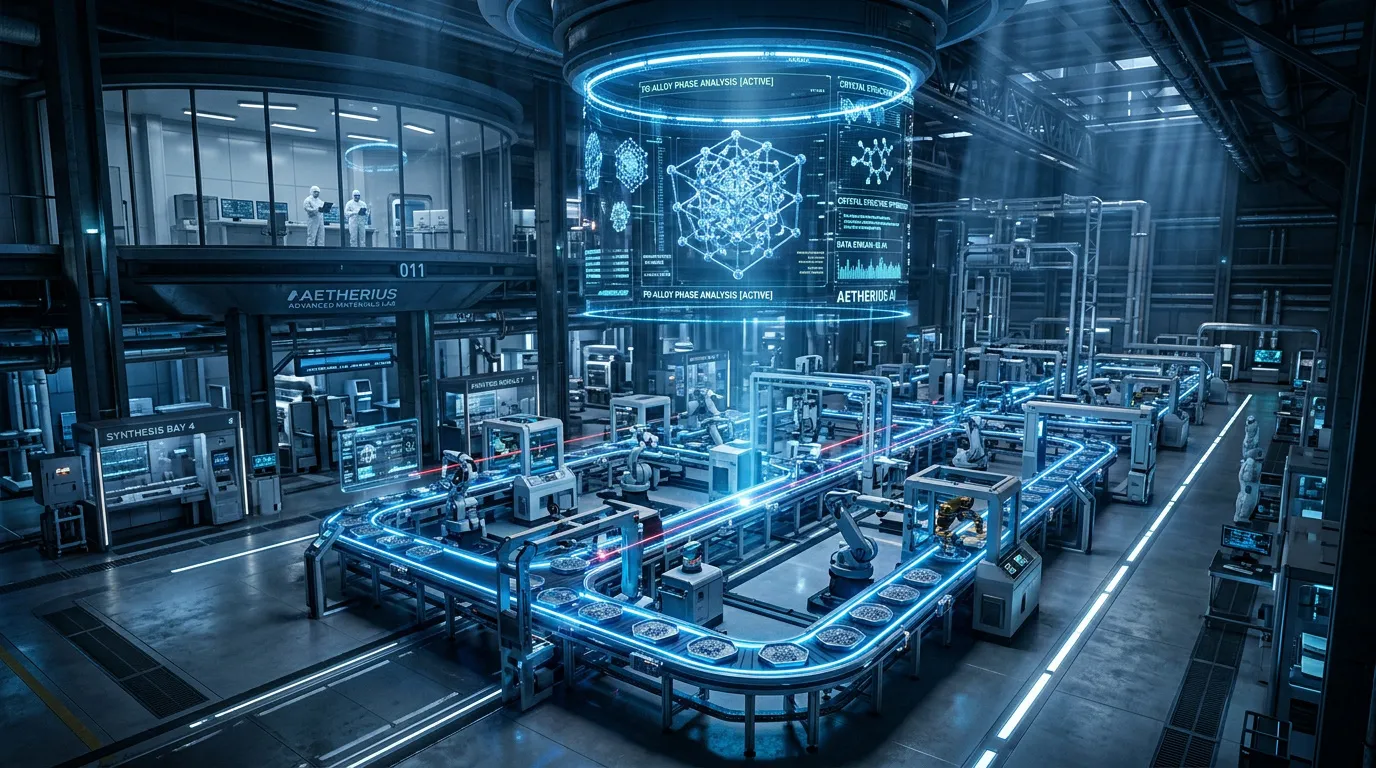
For Russia's technology sector, the project demonstrates how artificial intelligence is moving well beyond consumer applications and chatbots. Large language models are now analyzing vast collections of scientific literature and industry data, while generative AI systems help design materials with predefined physical and chemical properties.
A key milestone came in May 2026, when Nornickel signed an agreement with the Kurnakov Institute of General and Inorganic Chemistry of the Russian Academy of Sciences. Together, they committed to building a foundational database for the AI platform. The first phase calls for compiling at least 1,000 unique material compositions with experimentally measured characteristics. Without high-quality experimental datasets, machine learning models cannot reliably predict the properties of new compounds. The laboratory has also been established as an open platform for collaboration with specialized universities, helping build new industrial capabilities.
Technological Sovereignty and Export Potential
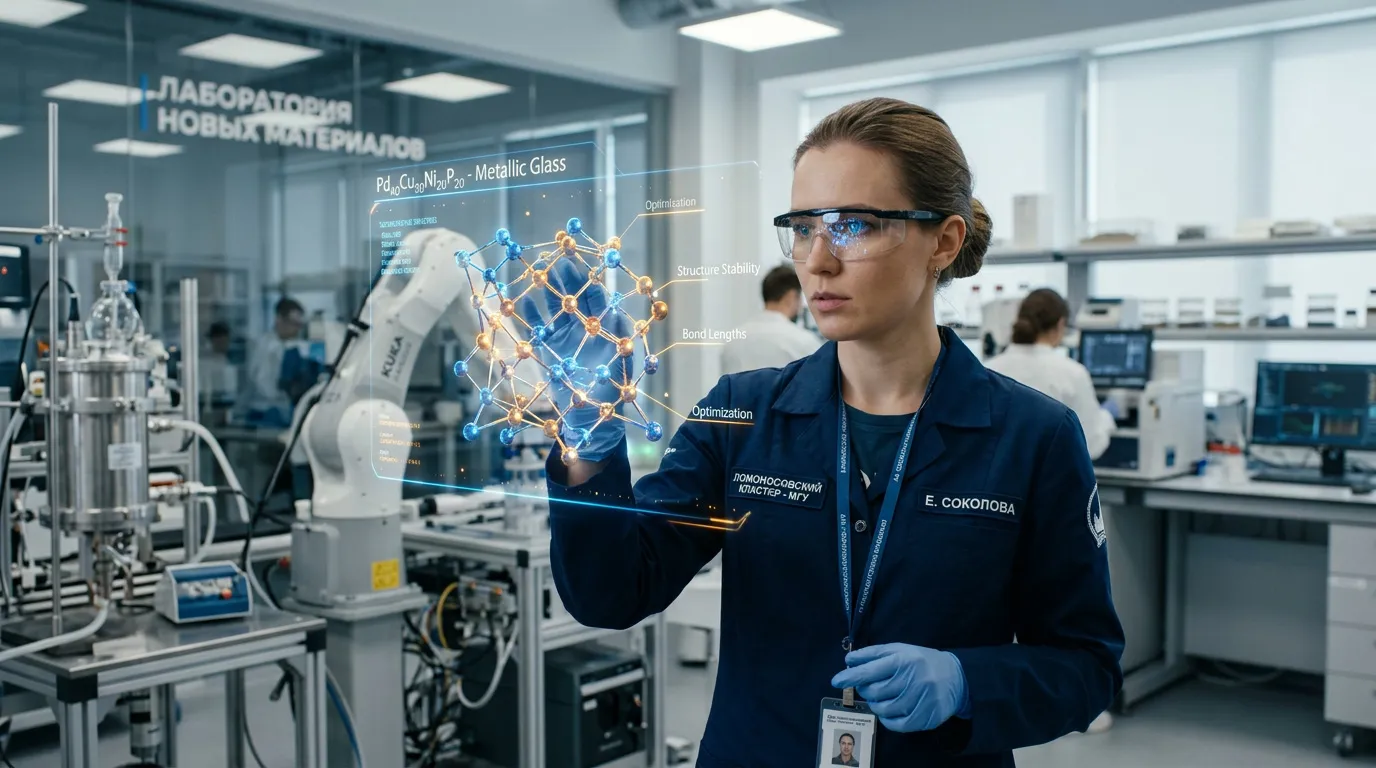
One of the platform's most immediate industrial objectives is to identify an alternative to gold in microelectronics. Palladium is being evaluated as a lower-cost and lighter material for coatings and electrical contacts used in printed circuit boards, server hardware, electric vehicle power modules, and industrial sensors.
From an export perspective, the project's potential is viewed as a medium-term opportunity. International markets could eventually adopt not only palladium itself, but also palladium-based catalysts, battery components, and the underlying methodology of digital materials science. Its global impact, however, will depend on successful commercialization, scalable manufacturing, and the ability to sustain international technology partnerships despite current geopolitical constraints.
A Systematic Path Toward the Goal
The current achievement is the result of several years of coordinated work. Nornickel established its Palladium Technologies Center in 2023 and announced plans to invest about $100 million in the initiative through 2030. By 2024, it had already become clear that artificial intelligence and green energy were creating entirely new markets for precious metals.
Academic research advanced in parallel. As early as February 2025, researchers from Skoltech and the Moscow Institute of Physics and Technology, supported by the Russian Science Foundation, successfully applied machine learning to accelerate the discovery of metallic alloys for aerospace applications. The laboratory's opening in April 2026, followed by the launch of its materials database in May, completed this preparatory phase by bringing together corporate R&D resources and academic expertise.
From Hypotheses to Robotic Laboratories
The project's biggest challenge today is commercialization. Generating a promising material digitally is only the first step. Researchers must still synthesize it, verify its predicted properties, adapt it for large-scale manufacturing, certify it, and integrate it into industry supply chains.
The first practical outcomes are most likely to emerge in applications with well-defined industrial demand, including protective coatings for electronics, catalysts, and water treatment technologies. Over the longer term, fully autonomous R&D laboratories are likely to emerge, where artificial intelligence not only proposes new material formulas but also independently plans, conducts, and analyzes complete cycles of physical experiments. Russia has a strong opportunity to become one of the leaders in the next phase of the technological race.