

Insects, Silicon and Diamane: Russian Scientists Take the First Step Toward Cyborg Insects
Researchers at the National Research Nuclear University MEPhI have used computer modeling to investigate the properties of diamane, a two-dimensional carbon material made of two graphene layers joined by strong chemical bonds.
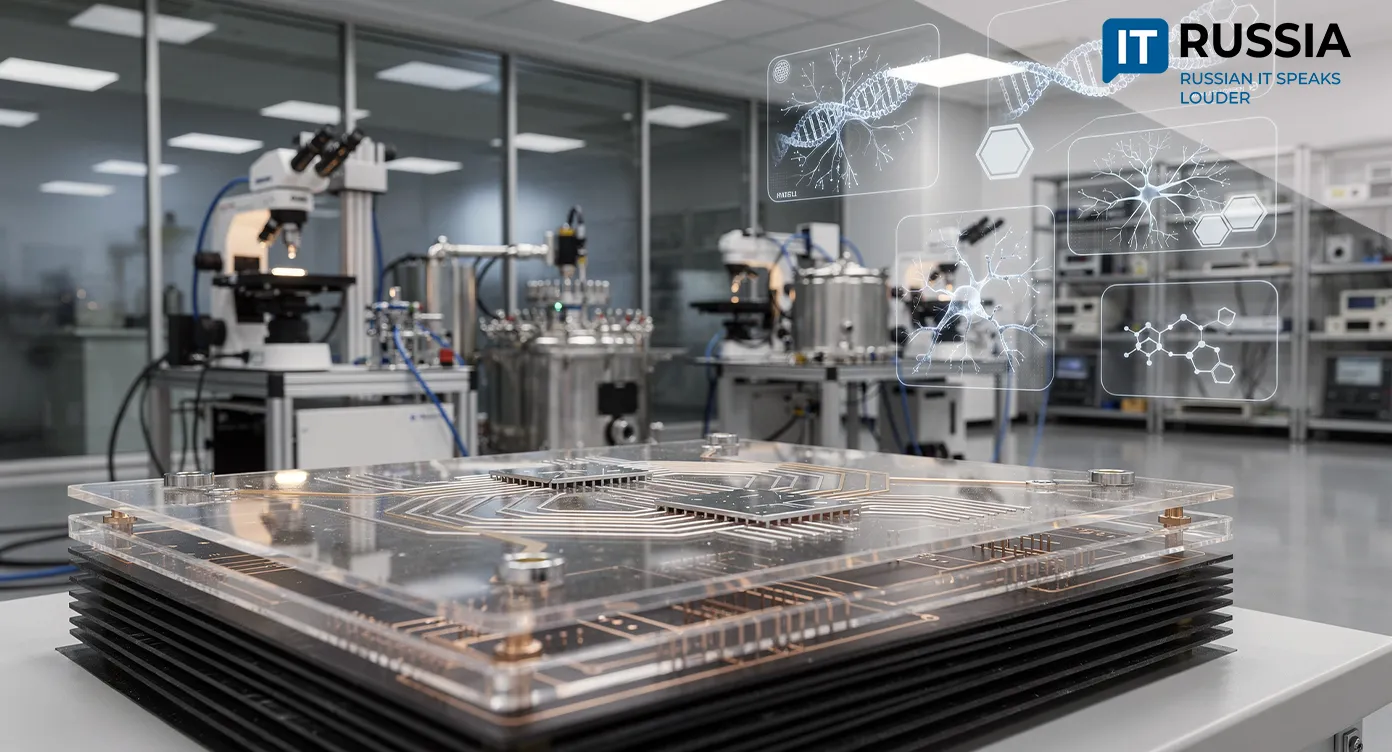
The team is exploring ways to control diamane's electrical properties and fabricate nanoscale electronic circuits on its surface. In the future, such components could serve as interfaces between electronics and living tissue, including systems designed to control cyborg insects.
Headlines about "cyborgs made of flesh and silicon" inevitably capture people’s attention. Recently, reports surfaced suggesting that scientists are developing electronic interfaces to control insects. It sounds like the plot of a science-fiction thriller. Behind those eye-catching headlines, however, lies rigorous fundamental research by Russian physicists with far broader and more practical implications for future technologies, artificial intelligence, and bioengineering. This convergence of disciplines is opening new avenues for innovations that could reshape search-and-rescue operations, medicine, and environmental monitoring.
Diamane: A Material for the Microscopic World
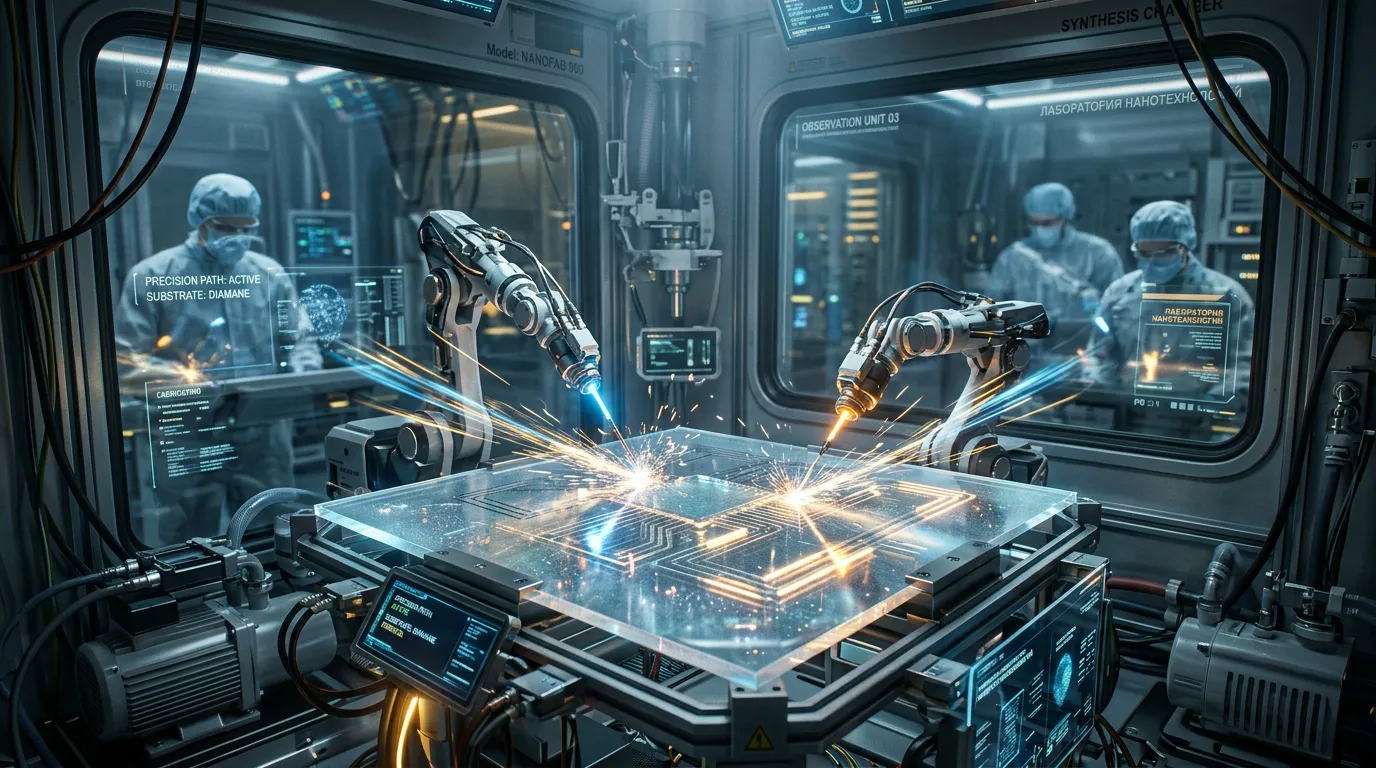
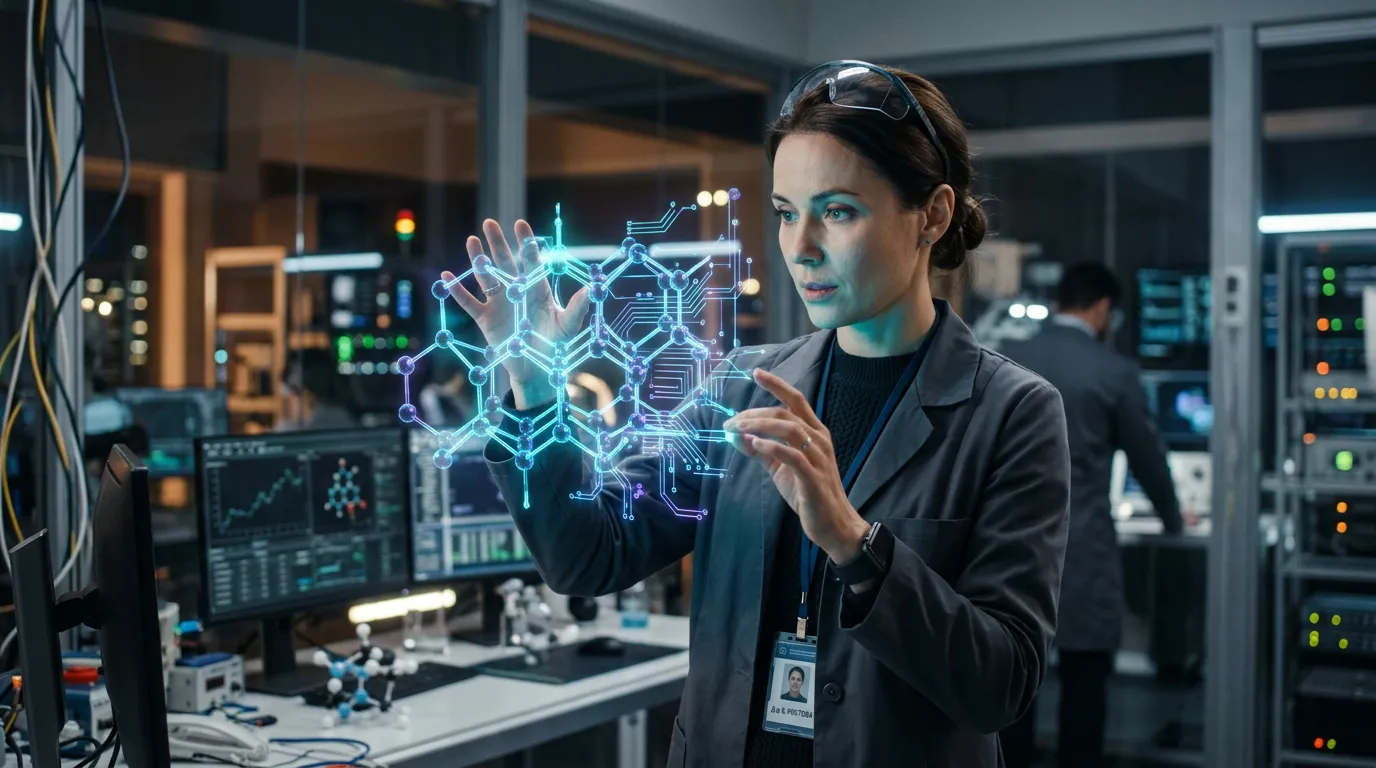
For now, researchers are not building beetle-sized drones. Instead, they are using computer modeling to investigate the remarkable material known as diamane. Scientists at the National Research Nuclear University MEPhI have examined the properties of this two-dimensional carbon structure, which consists of two graphene layers connected by strong chemical bonds. Their immediate goal is to learn how to control diamane's electrical properties and create nanoscale circuits on its surface. That represents a critical step toward ultra-compact, biocompatible interfaces that could theoretically connect electronics with living tissue. It is equally important to recognize how early this research remains. Integrating such electronic structures into living insects is still a distant prospect. At present, the researchers are using mathematical models to predict the properties of a material that could become a foundation for tomorrow's nanoelectronics.
Why Does the Future of Nanoelectronics Matter?
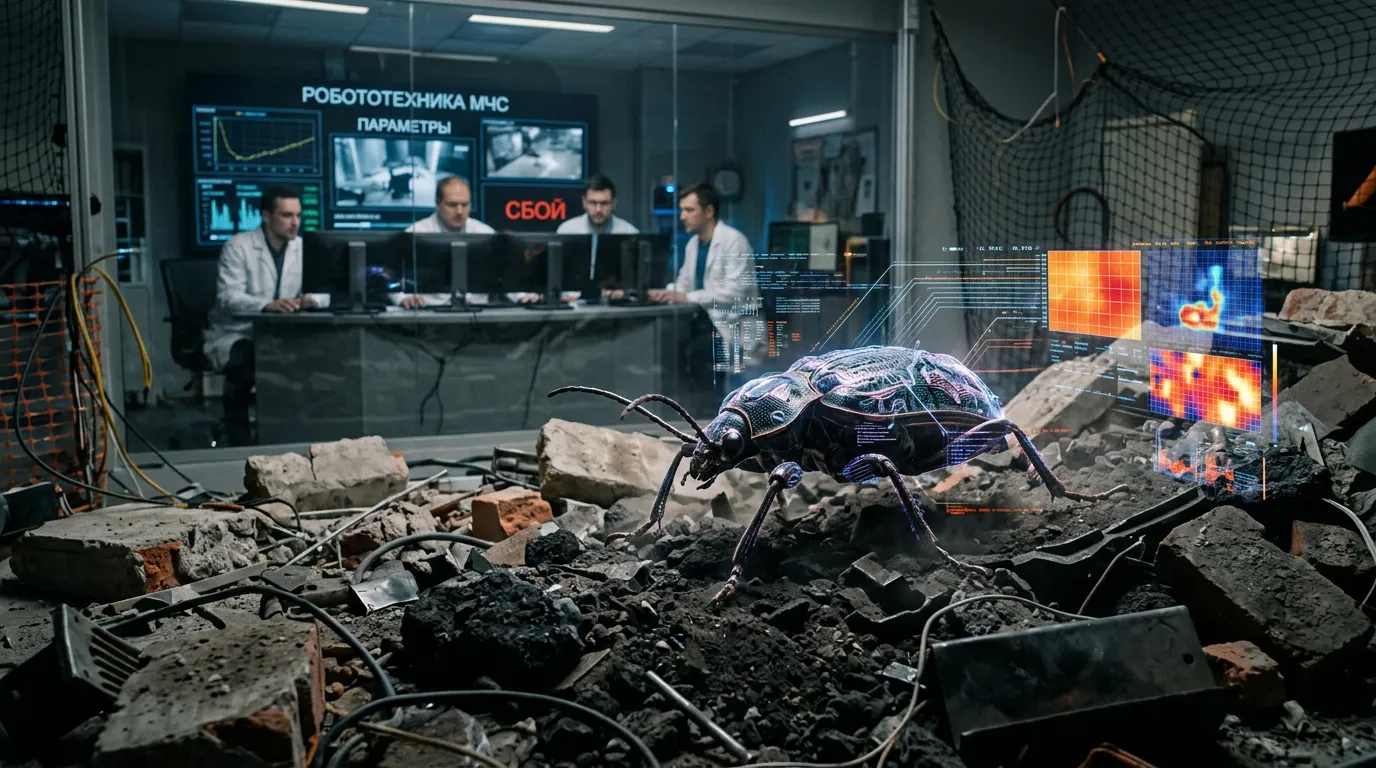
Building domestic expertise in two-dimensional materials and nanoelectronics reduces dependence on foreign technologies in strategically important fields. The long-term benefits also extend well beyond Russia. Hybrid systems based on diamane could eventually underpin ultrasensitive sensors capable of locating people trapped beneath collapsed buildings, exploring damaged mines, and monitoring environmental conditions. Such devices would be compact, energy efficient, and able to reach places inaccessible to both humans and conventional heavy robots. Diamane also promises greater strength and stability than comparable materials, qualities that are essential for operating in harsh environments.
From Backpack-Wearing Cockroaches to Ethical Questions
The field of biohybrid robotics is advancing rapidly. As early as 2022, research groups outside Russia demonstrated remotely controlled cockroaches equipped with wireless electronic modules mounted on their backs. By 2024, scientists in Singapore had automated the installation of those miniature "backpacks." Today, in 2025 and 2026, researchers around the world are moving toward practical trials involving coordinated swarms of controllable insects. Yet this progress also highlights the technology's dual-use nature. International discussions are increasingly shifting away from search-and-rescue missions toward covert reconnaissance applications. That makes robust legal safeguards essential, ranging from biosafety standards and data protection requirements to restrictions on the military use of living organisms.
Application Horizons and Export Potential
Over the next several years, researchers at the National Research Nuclear University MEPhI will focus on experimentally validating their computational predictions. The challenge is not only to predict diamane's properties, but also to synthesize the material with precisely controlled electrical conductivity. Success would pave the way not only for medical implants and wearable electronics, but also for entirely new technology markets. Russia could offer the world not merely finished devices, but the underlying technologies for computational nanomaterial design and biocompatible sensors. Potential users include the mining industry, emergency response organizations, and healthcare providers.
The MEPhI study is not a report from the future, but a solid foundation for building it. Fully autonomous AI-enabled cyborg insects will require solutions to formidable challenges involving power supply and communications. Experimental nanointerfaces and conductive pathways based on diamane, however, could emerge within the next few years. For Russian science, this research represents an opportunity to strengthen its expertise in next-generation microelectronics, where biology and silicon no longer stand in opposition but work together as parts of a unified technological system designed to serve people.