Russia Lays the Foundation for a Regulated Cryptocurrency Market
Russia's State Duma has passed the Law on Digital Currency and Digital Rights, establishing a comprehensive regulatory framework for the cryptocurrency market. Participants will operate under the close supervision of the Bank of Russia, while unlicensed market players will face strict enforcement measures.

Digital currency transactions will be permitted only through licensed trading platforms, and the Bank of Russia has indicated that it does not intend to cap the number of exchanges operating in the market. Investors will buy and sell digital assets through regulated intermediaries, including brokers and asset management companies. Crypto depositories will be established to provide custody and recordkeeping services, while crypto exchange operators will enable conversions between digital assets and conventional currencies.
Licensing and Regulatory Oversight
A similar regulatory model already governs all financial assets that are legally traded in Russia's financial markets. The only fundamentally new category of professional market participant will be crypto exchange operators. Organizations with at least 15 million rubles in capital (approximately $190,000) will be eligible to obtain that status after receiving a license from the Bank of Russia. Banks and brokerage firms will not be required to obtain additional licenses.
Cryptocurrencies may not be used to pay for goods and services within Russia. They may, however, be used to purchase securities and digital rights, as well as to pay transaction fees charged by trading platforms. Companies engaged in foreign trade will also be allowed to use digital assets to settle payments with overseas counterparties.
In effect, the government is bringing a substantial segment of the financial market out of the shadows while expanding the country's tax base. Investors will gain a legal pathway for purchasing crypto assets through regulated intermediaries, and businesses will be able to develop new financial products and services around the emerging digital asset market.

New Demand for IT Solutions
The financial sector began preparing well in advance of the law's adoption. Major financial institutions, including VTB, T-Bank, Sber, and Alfa-Bank, had already announced plans to launch their own digital depositories. Alfa-Bank also tested cryptocurrency trading through its Alfa-Investments mobile application.
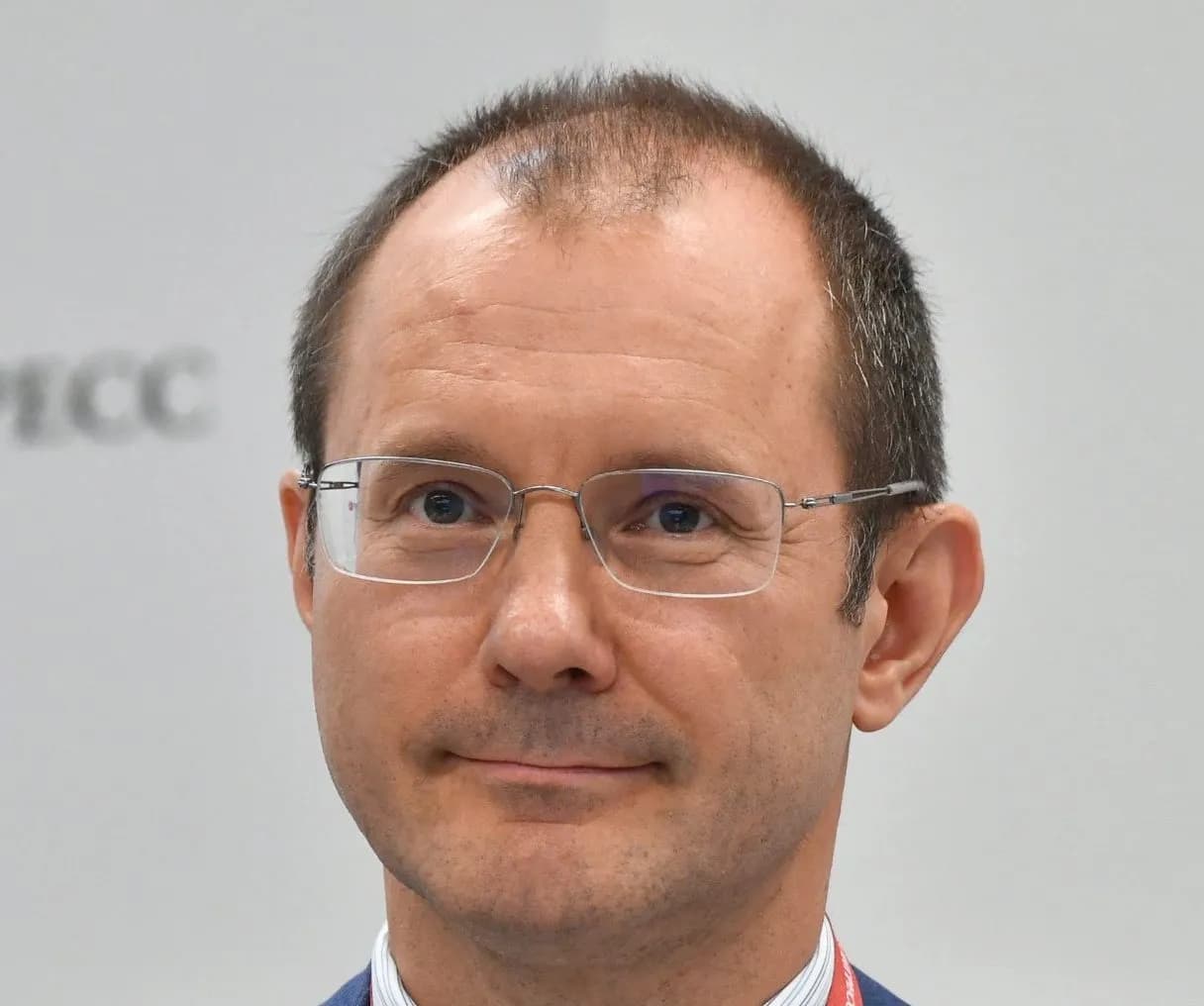
While the legislation was still under consideration, Vladimir Chistyukhin, First Deputy Governor of the Bank of Russia, noted that existing depositories seeking digital depository status would need to upgrade their IT systems and implement additional cybersecurity technologies.
That creates growing demand for infrastructure solutions developed by Russian technology companies, including blockchain platforms, digital custody systems, KYC/AML solutions, and blockchain analytics tools. Once proven in Russia's regulated market, these technologies could also find demand in Eurasian Economic Union (EAEU) and Commonwealth of Independent States (CIS) countries as they develop their own cryptocurrency regulatory frameworks.

Stages of Cryptocurrency Market Legalization
The Bank of Russia and the Ministry of Finance have methodically moved toward bringing cryptocurrencies into the legal financial system under government oversight. The digital ruble project launched in 2023 established the infrastructure needed to support a broad range of digital financial instruments. In 2024, industrial-scale cryptocurrency mining was legalized under a framework combining targeted restrictions with mandatory registration of operators in the Federal Tax Service registry. During the same year, cryptocurrency payments for international trade transactions were authorized under an experimental legal regime. In 2025, amendments to the Tax Code recognized digital currency as property for tax purposes. The Bank of Russia and the Ministry of Finance also began preparing a comprehensive package of legislation governing the cryptocurrency market. The newly adopted law now establishes the core legal framework for the sector.

A Year to Prepare
The new law establishes the fundamental regulatory framework for Russia's cryptocurrency market. It creates clear operating rules for professional market participants while strengthening investor protections. Regardless of their level of investment experience, market participants will be allowed to buy and sell only highly liquid digital assets with substantial market capitalization. "If the provisions of the bill were applied today, the list would include only three instruments – Ether, Bitcoin, and USDT," Vladimir Chistyukhin said in an interview with RBC.
During the initial stage, the market is expected to consolidate around major financial institutions capable of meeting the Bank of Russia's regulatory requirements.
The Law on Digital Currency and Digital Rights will take effect on September 1, 2026. Lawmakers have also established a transition period through July 1, 2027, giving organizations time to build the required infrastructure, prepare documentation for inclusion in the official registry, and obtain the necessary licenses. The Bank of Russia must still adopt a number of implementing regulations that will clarify specific provisions of the law. Even so, the foundation for the legal circulation of digital currencies in Russia has now been established.