Transneft Patents New Russian Leak Detection Software for Oil Pipelines
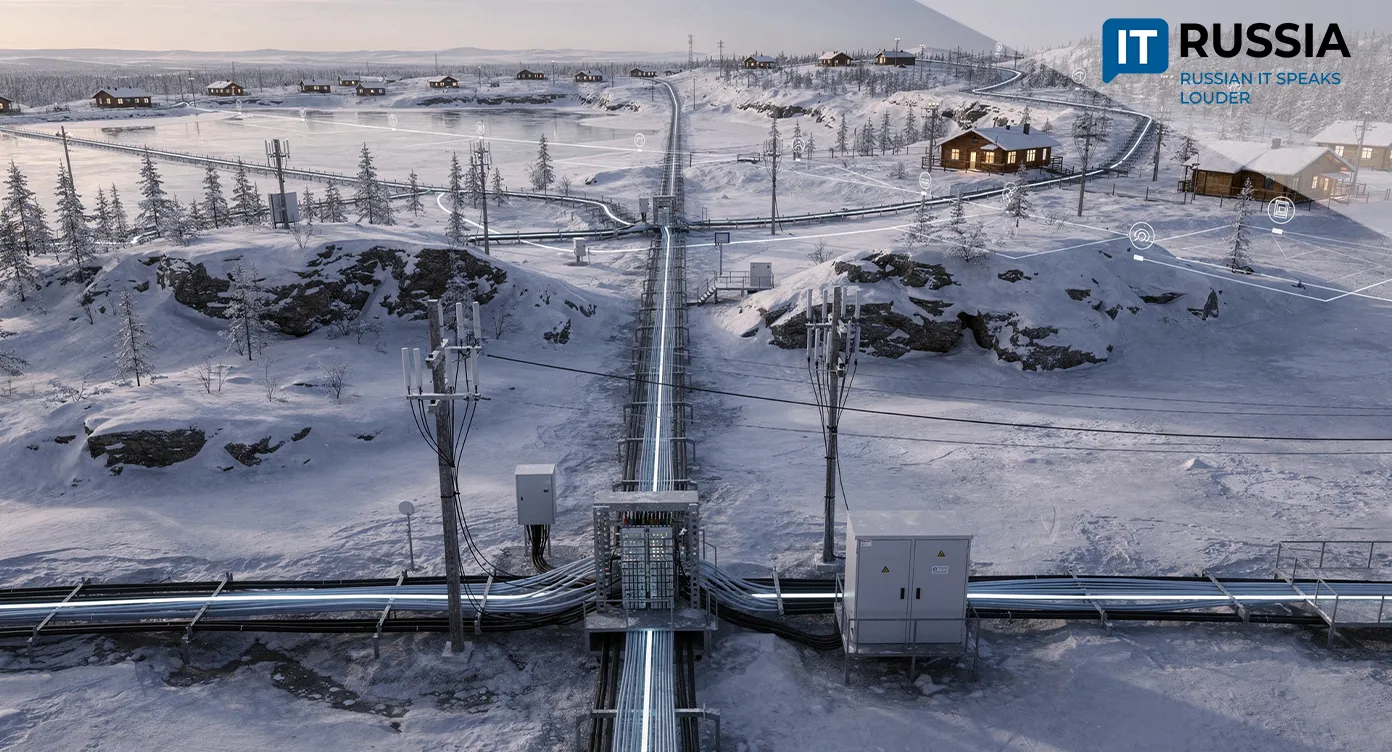
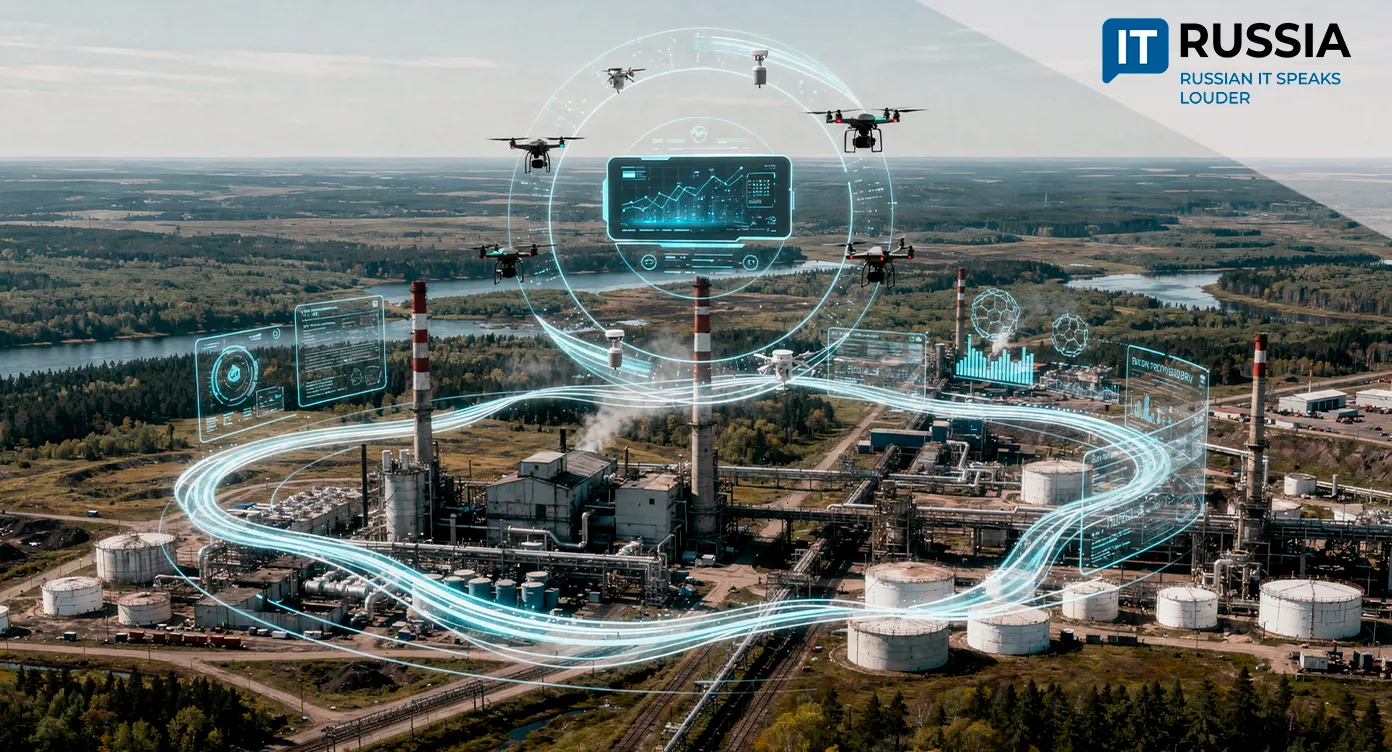
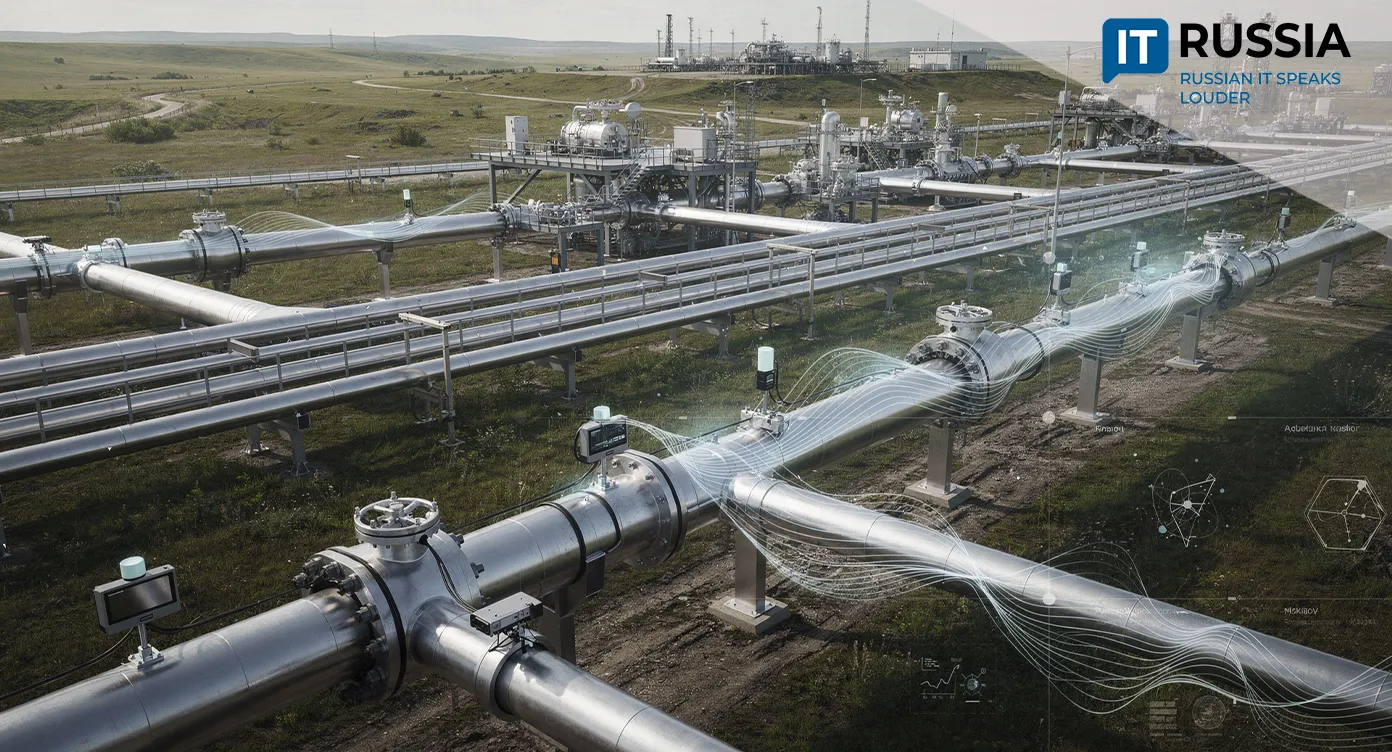
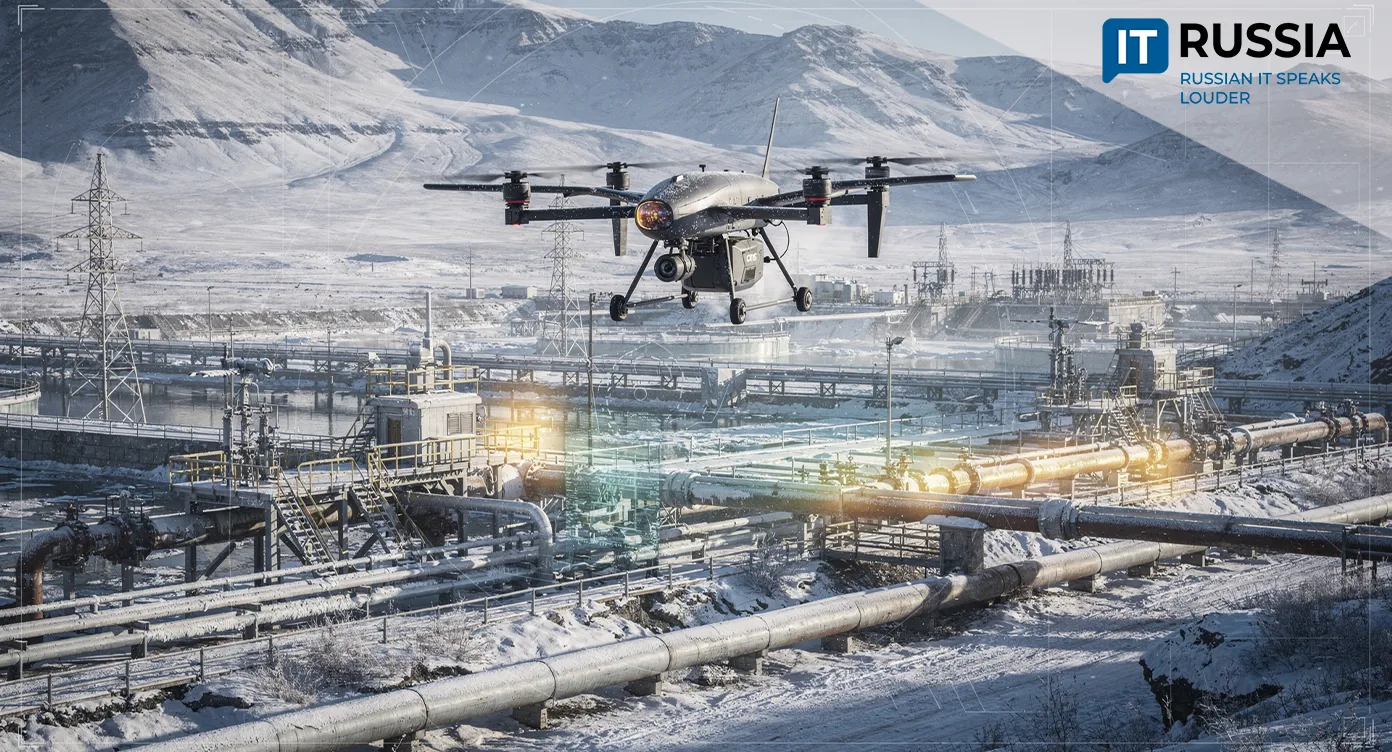
Russia's pipeline operator Transneft has patented TLDS (Transneft Leak Detection System), a new domestically developed software platform designed to automatically detect leaks on trunk oil pipelines. The development marks another step in the company's broader digital transformation strategy while strengthening operational safety and technology independence.
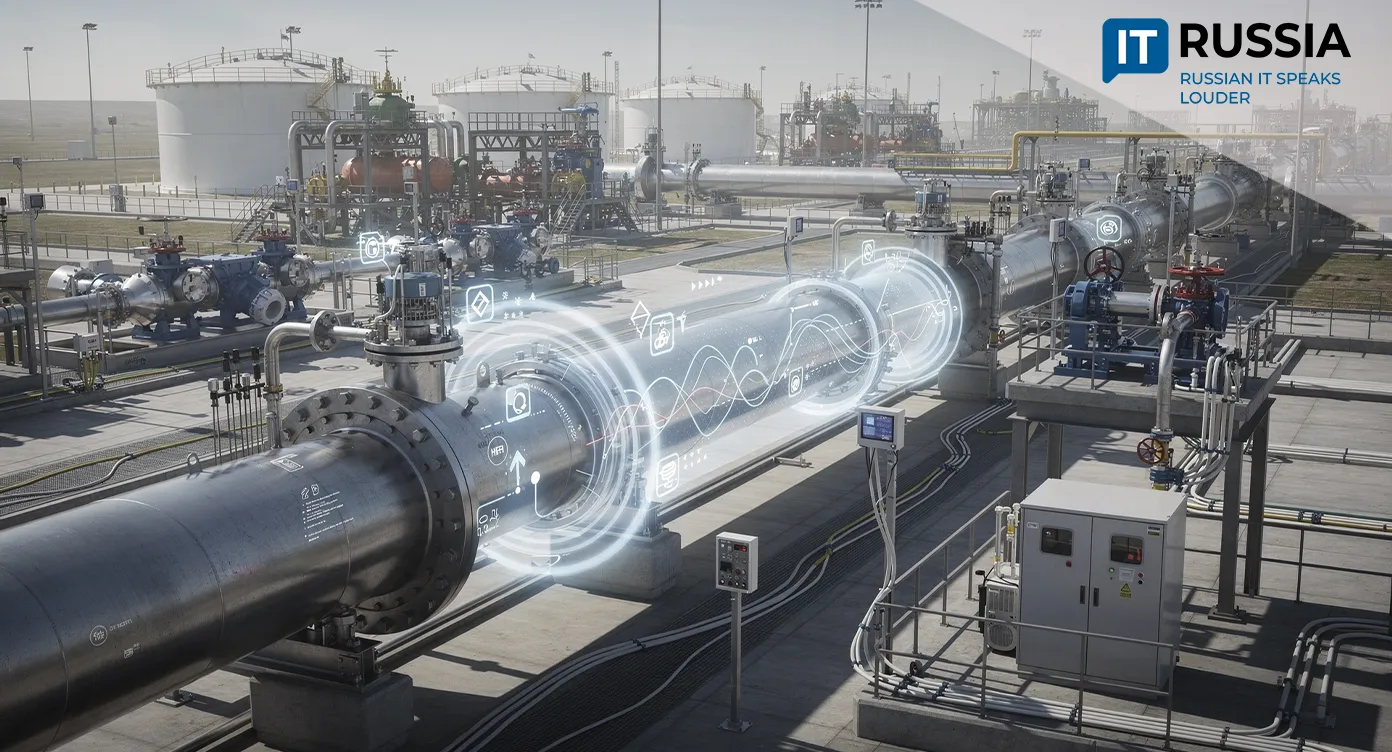
The software was developed by NII Transneft and Transneft-Tekhnologii. TLDS continuously analyzes pipeline operating parameters, detecting loss of pipeline integrity, identifying the location of the damaged section, estimating leak flow rates, and validating incoming operational data. The system operates both while crude oil is being transported and when the pipeline is shut down.
Built In-House, Designed for In-House Operations
The software has already been integrated into Evolyutsiya.SCADA (Evolution.SCADA), a Russian industrial process management platform designed for real-time control of technological and production operations. Developed jointly by Transneft and Transneft-Tekhnologii, the platform was added to Russia's Register of Domestic Software in 2023. One of its defining capabilities is high performance, supporting more than 1.2 million state changes per second. Its service-oriented architecture enables the platform to scale efficiently as workloads increase, while its universal design makes it suitable for deployment across other industrial sectors.

Stages of the Company's Digital Transformation
Transneft has been pursuing a systematic, long-term strategy aimed at comprehensive digitalization. Interim results published in 2024 pointed to measurable improvements across both operational and corporate management activities. The efficiency and safety of crude oil and refined product transportation have increased, while business processes have been streamlined. Throughout this transformation, the company has continued to unify its IT solutions, establish a common technology policy for information systems, and centralize digital infrastructure.
As early as 2022, the company emphasized that leak detection systems were an essential component of safe pipeline operation. Such systems are required to continuously detect loss of pipeline integrity, determine the location of a leak, and estimate its magnitude.
Another significant development is an automated petroleum inventory control system that monitors the receipt and delivery of all petroleum products through quantity and quality measurement systems, storage tanks, and truck and rail loading terminals. The system also determines product volumes within trunk petroleum product pipelines and branch lines while calculating quantity and quality indicators for individual fuel products, taking into account their sequential transportation through the pipeline network.
During the same period, Transneft introduced an electronic dispatcher worksheet as part of its automated crude oil transportation contract management system. The digital workflow reduced the number of routine manual operations performed by dispatchers severalfold. The solution has since been deployed across all transportation and port organizations handling both crude oil and refined petroleum products.
Another effective and reliable digital tool is Interplan, the company's integrated corporate information system for construction planning, scheduling, and project control. The platform brings together every stage of project execution and all scheduling data, allowing engineers and project managers to rapidly model how changes may affect overall project timelines and the successful delivery of capital construction projects.

Toward Industry Standards
Notably, this is not a stand-alone pilot project but a software platform intended for deployment across the distributed pipeline infrastructure operated by Russia's largest pipeline company. The development reflects a broader transition from replacing foreign industrial software to creating specialized domestic applications designed specifically for critical energy infrastructure.
At the national level, the oil and gas industry's dependence on foreign SCADA platforms and leak detection software continues to decline. That reduces the risk of major crude oil losses and environmental contamination while enabling dispatch centers to respond more rapidly to emergency events. At the same time, it strengthens both the technological resilience and cybersecurity of Russia's fuel and energy infrastructure.
Looking ahead, the platform could be expanded through the integration of additional pressure, flow, and temperature sensors, the use of predictive analytics to anticipate failures before they occur, and the creation of digital models for individual pipeline segments.

The patenting of TLDS represents a logical milestone in Transneft's effort to build its own software ecosystem. More important than the patent itself will be successful deployment across the company's entire pipeline network. If the system consistently demonstrates accurate leak localization and leak volume estimation, TLDS could evolve into an industry standard for Russia's trunk pipeline infrastructure.