English for Engineers: How Neural Networks Are Helping Technical Students Master the Language
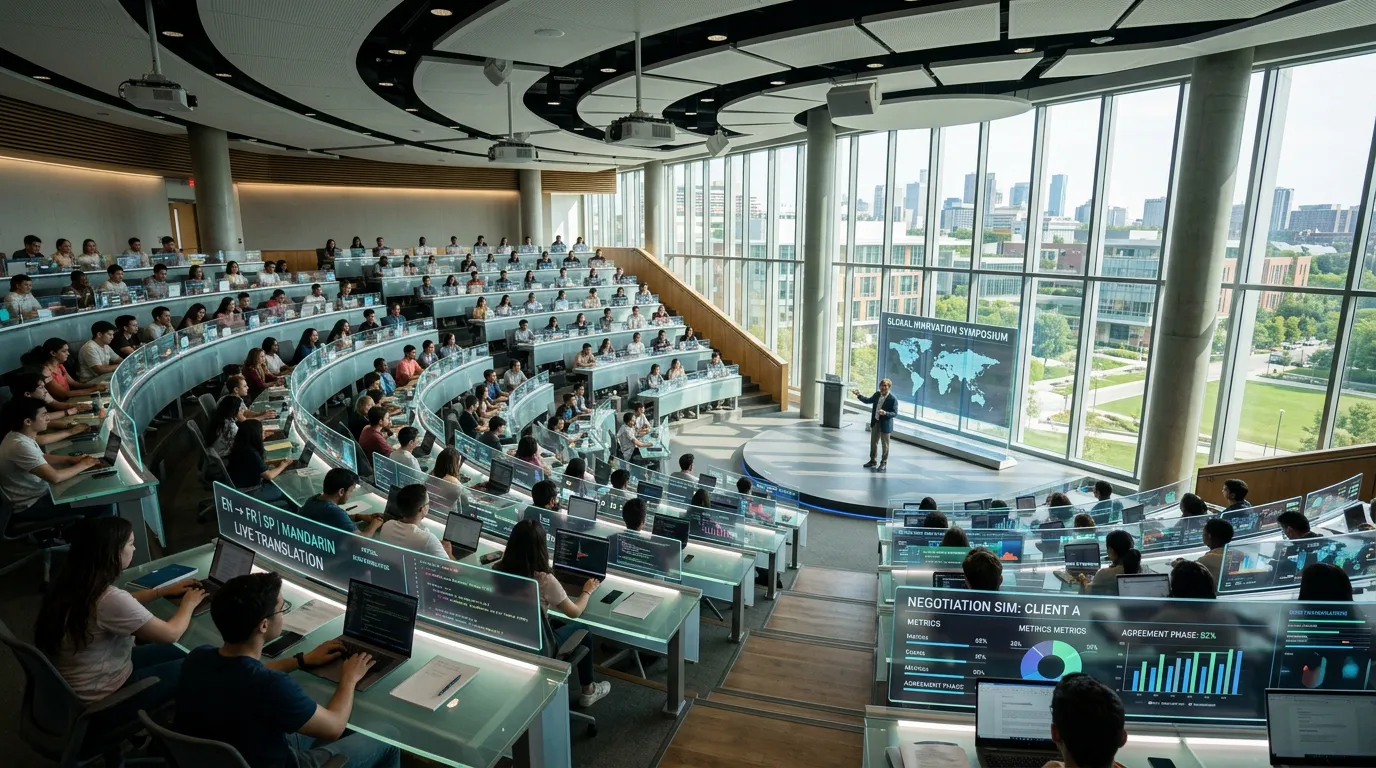
At RTU MIREA, English classes no longer revolve around traditional textbooks. Instead, engineering students work in "digital forests," negotiate with AI avatars, analyze technical documentation, and debate terminology with ChatGPT.
English has long been the language of technical communication. Engineers need it to participate in international collaborations and work with standards such as IEEE and RFC. At RTU MIREA, faculty members from the Department of Foreign Languages have developed a methodology for teaching professional English using generative artificial intelligence, including ChatGPT-4 and DeepSeek, to help students build those skills.
Digital Forests at RTU MIREA
"AI creates 'digital forests' where students can independently explore professional texts, while instructors focus on facilitation and ethical issues such as academic integrity and the accuracy of technical terminology. We are not replacing teachers. We are giving them a tool for cognitive augmentation," said Alexey Adyanov, Assistant Lecturer in the Department of Foreign Languages at RTU MIREA, figuratively describing the new teaching approach.
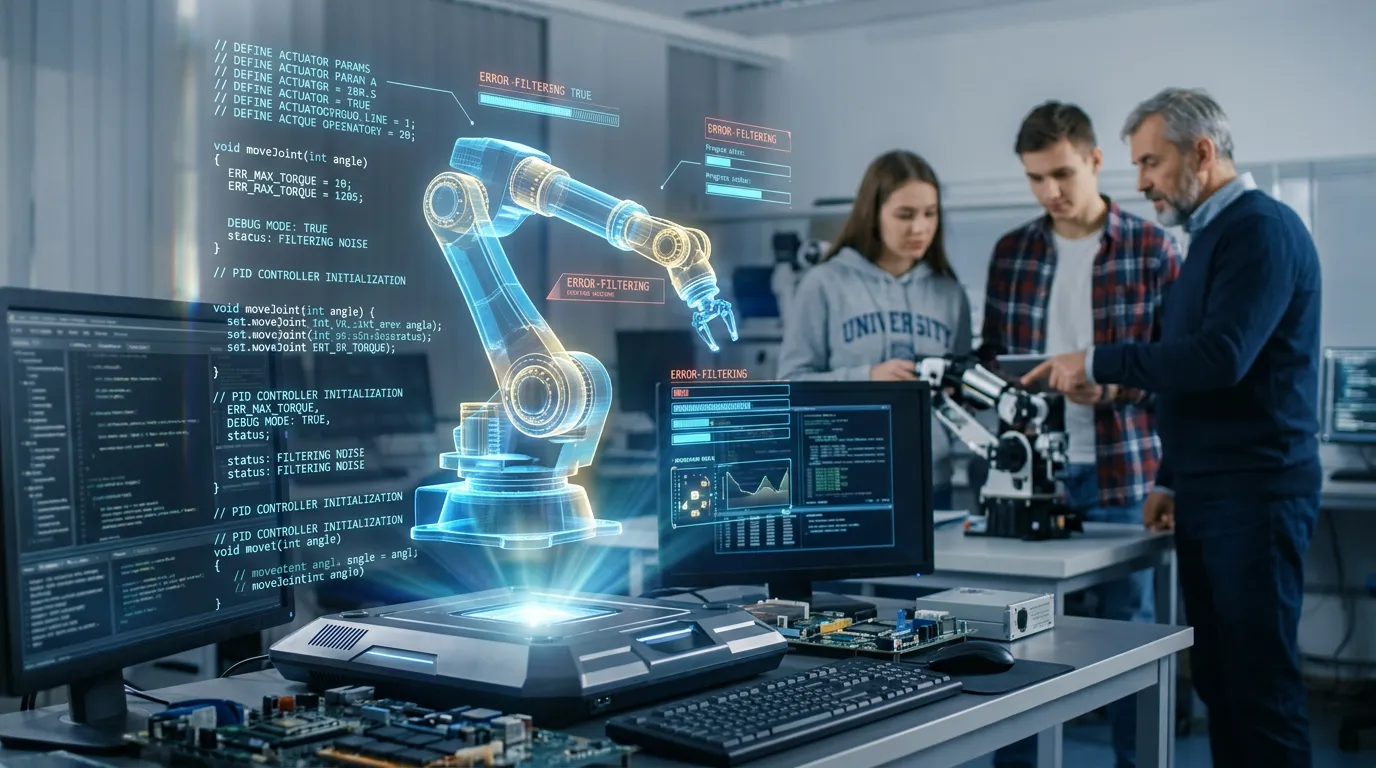
The methodology combines three complementary approaches: CLIL (Content and Language Integrated Learning), digital didactics, and the SAMR framework. Together, they support activities ranging from automated terminology verification to simulated negotiations with AI avatars. Students also learn to critically evaluate AI-generated responses and write more precise prompts.
Meetings Conducted Entirely in English
The pilot implementation of the methodology at RTU MIREA has already produced encouraging results. Assistant Lecturer Gilyana Ulyumdzhiyeva shared her observations: "We are seeing students stop fearing technical texts and begin working confidently with documentation, using neural networks as assistants rather than sources of ready-made answers. That represents an entirely different level of engagement and understanding."
Neural networks verify technical terminology, generate case studies, and create dialogues for role-playing exercises. The most distinctive element, however, is the simulation of Zoom meetings with virtual clients. Students hold discussions with AI avatars, defend their positions, and then compare the AI's conclusions with reference materials to identify errors in how technical terms were interpreted. Every stage of the exercise is conducted in professional English.
AI Evaluates Student Responses
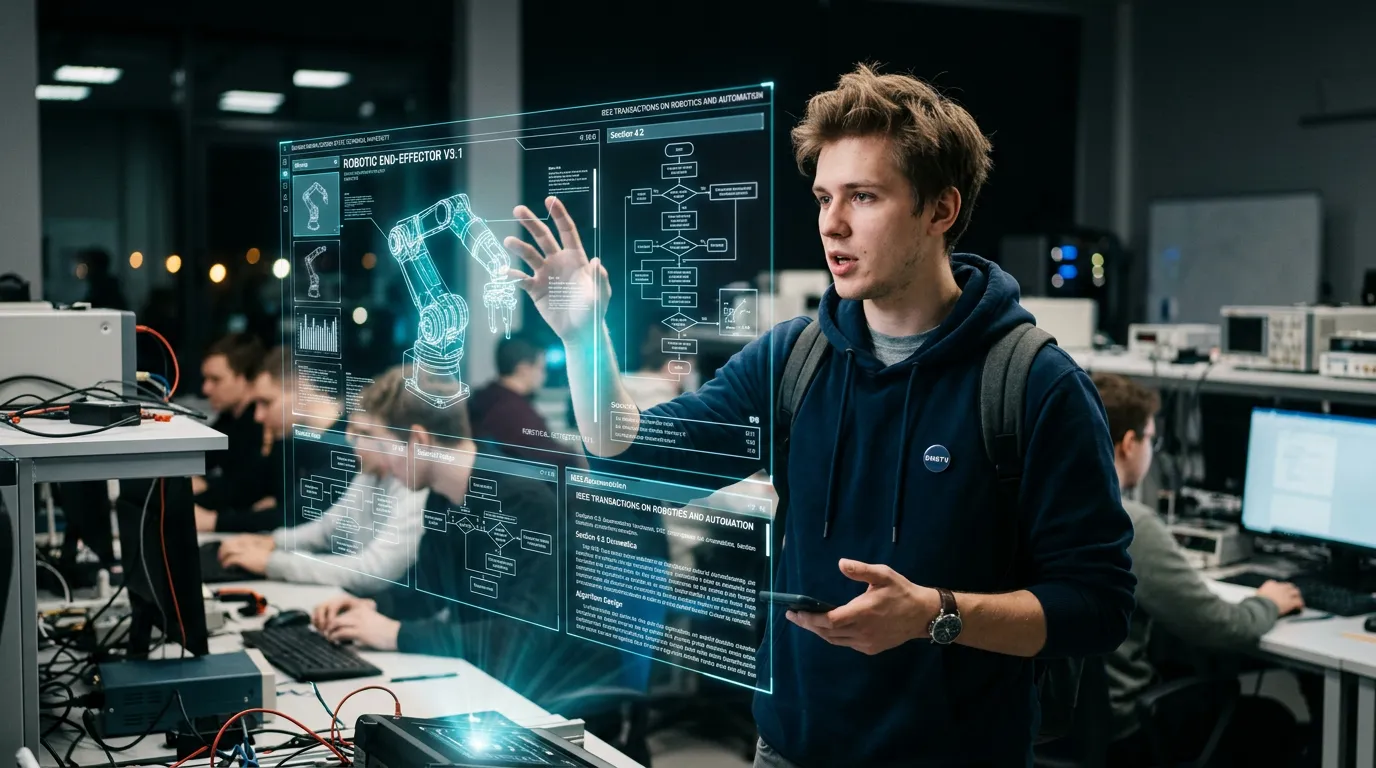
The use of artificial intelligence to teach foreign languages to engineering students has already attracted broader attention. In 2024, HSE University, working with its Artificial Intelligence Center, developed II Lingvo (AI Lingvo), a neural network trained on thousands of expert evaluations of spoken and written language samples. The system assesses English proficiency across more than 45 parameters. Unlike many existing solutions, II Lingvo can evaluate not only written work but also spoken responses, including essays, monologues, and interview answers. It determines proficiency levels ranging from Elementary to Upper-Intermediate in approximately 30 minutes.
During 2024–2025, educators identified the principal scenarios for applying AI in education, and in 2025 universities began incorporating AI more actively into professional development programs for faculty members. HSE University, for example, launched a teaching fellowship focused on using AI in foreign language instruction. Participants learn how to create reading, listening, writing, and speaking assignments with neural networks. RTU MIREA's methodology, published in the proceedings of the International Scientific and Practical Conference Modern Pedagogy: Challenges of the Time and Ways to Address Them, continues that broader movement.
Applying a Critical Filter
Introducing new technologies into education always involves risks. Among them are the uncritical use of AI-generated content, errors in technical terminology, and a growing digital skills gap among instructors. That is why the methodology places the greatest emphasis on what its developers call a "critical filter." For now, it remains a university-developed approach, but it could eventually be adapted for other disciplines and transitioned to Russian-developed AI models.
Faculty members at RTU MIREA already report that AI can personalize learning, generate instructional materials, and strengthen students' communication skills. Responsibility for validating content quality, ensuring accurate terminology, and upholding academic integrity, however, remains with instructors. Their role in the educational process remains unchanged.