Doorstep Delivery Goes Autonomous
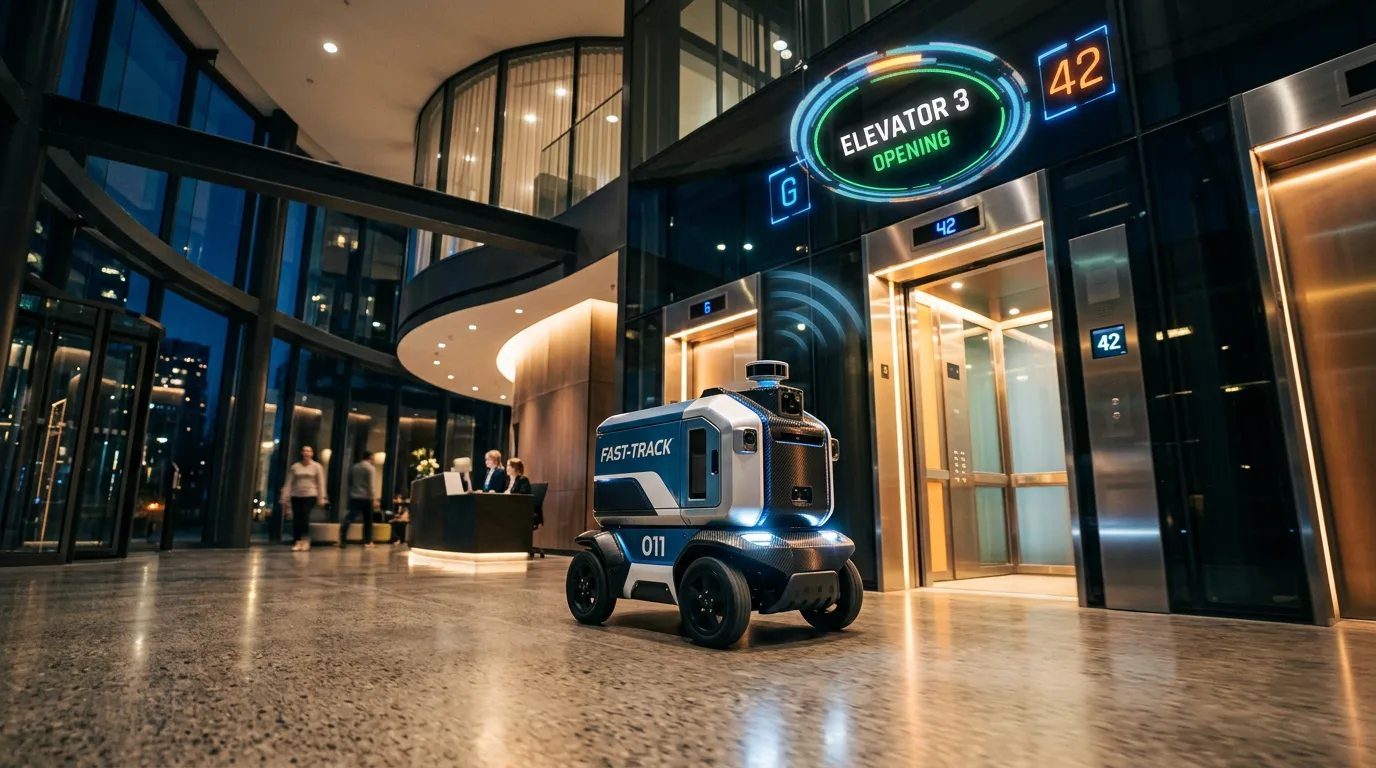
Moscow is testing true door-to-door autonomous delivery, with delivery robots learning to enter apartment buildings, call elevators, and travel independently to the correct floor.
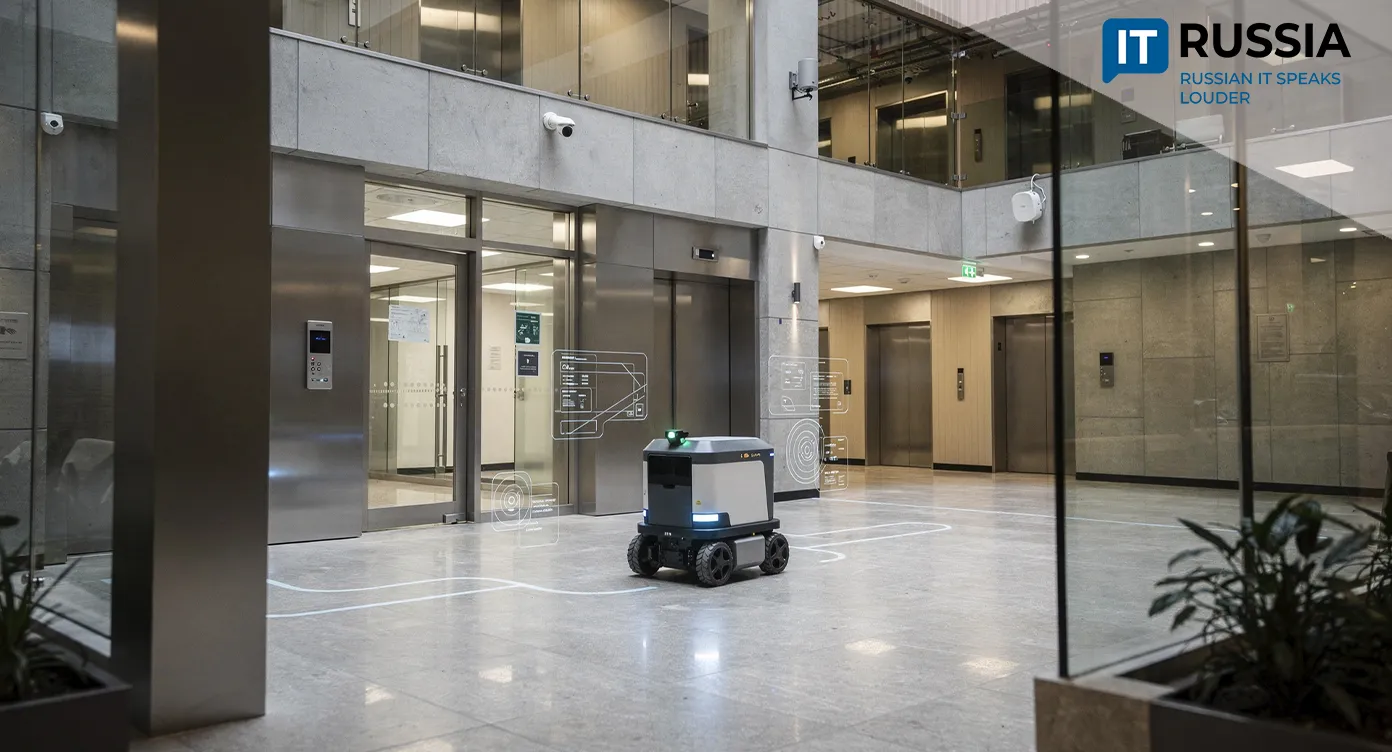
Moscow authorities, working together with private technology companies, are developing a solution designed to overcome the final obstacle in autonomous delivery – enabling robots to operate inside residential buildings. While delivery robots already navigate city streets with confidence, they still stop at the building entrance. The next step is teaching them to interact with intercom systems, automatic doors, access control systems, and elevator infrastructure. Large-scale deployment will become feasible only after indoor navigation, resident safety, and reliable integration with building equipment have been fully validated.
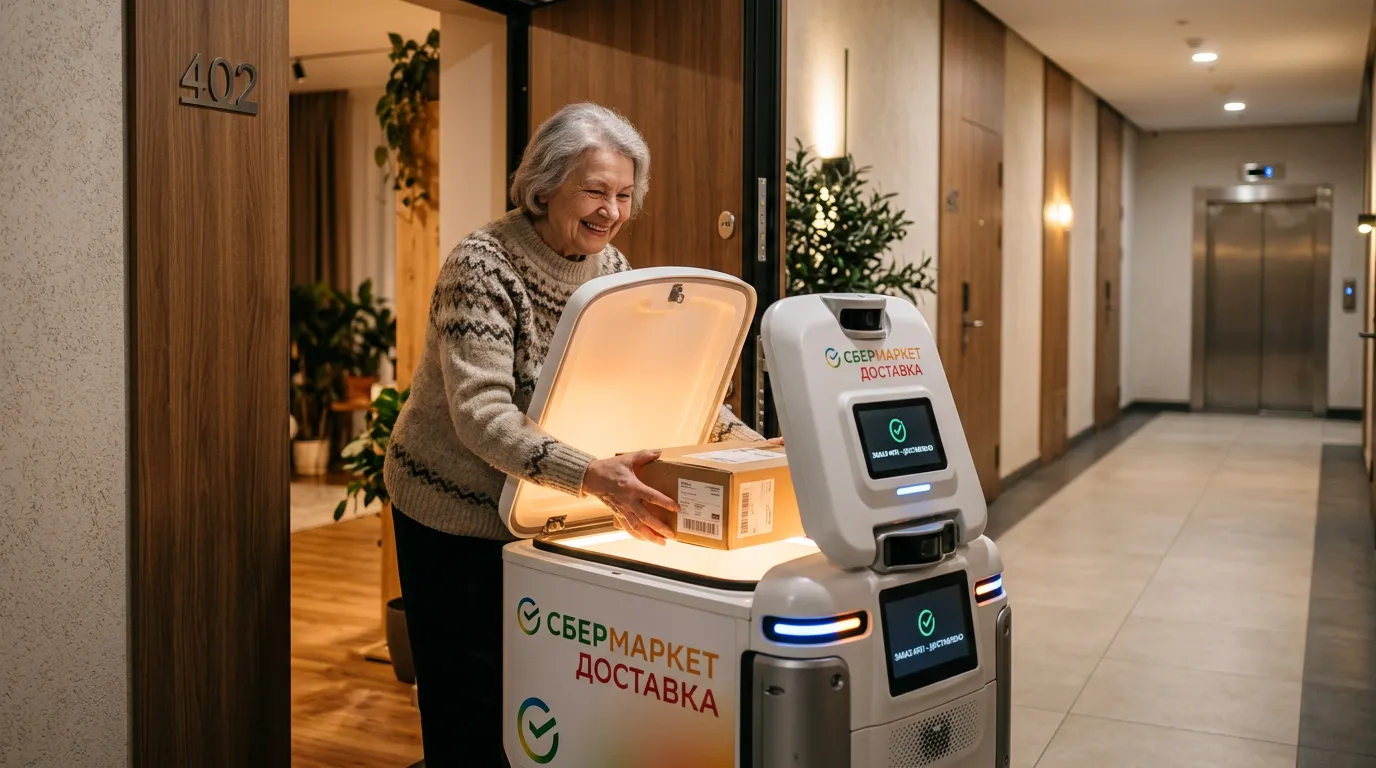
The initiative marks the transition from "building entrance" delivery to genuinely autonomous "doorstep" delivery. For residents, that means greater convenience and time savings, eliminating the need to go downstairs to collect an order, wait for a courier, or adjust to a delivery schedule. For cities and logistics providers, the technology has the potential to reduce pressure on courier services, improve last-mile delivery efficiency, and make deliveries of groceries, meals, medicines, and small parcels more predictable.

Digital Ecosystem for Autonomous Robots
The project's long-term objective is to create a unified digital environment in which robots can communicate with multiple elements of urban infrastructure, from intercom systems to elevator dispatch platforms. Achieving this will require deep software integration with equipment operated by property management companies and elevator manufacturers, as well as clear frameworks governing resident consent, personal data protection, and liability in the event of system failures.
The technology is expected to be particularly well suited to new residential developments, apartment hotels, business centers, hospitals, and university campuses, where digital infrastructure can be designed from the outset to support autonomous robots. Russia's Belka (Squirrel) platform already demonstrates this capability by operating elevators independently and transporting payloads of up to 30 kg, illustrating that the technical foundation for this delivery model already exists.
A Brief History of Robotic Delivery
Russia's robotic delivery market is moving beyond pilot projects. By March 2026, Yandex delivery robots had completed more than one million deliveries while traveling over two million kilometers across several Russian cities. In 2021, Yandex Rovers began delivering orders from Yandex Lavka in Moscow's Khodynskoye Pole district, although customers still collected their purchases from the robot outside their building. By 2023, Yandex robots had completed more than 100,000 deliveries in Moscow alone, demonstrating sustained demand and the technology's operational maturity in outdoor environments. The average delivery took about 11 minutes, with a service radius of up to two kilometers.
In 2024, robotic delivery expanded into seven additional Moscow districts, including Fili-Davydkovo, Ramenki, and Presnensky District, demonstrating that the technology was ready to scale across a major metropolitan area. In 2025, Dronshab began small-batch production of the Belka platform, which was already capable of operating inside buildings and using elevators independently, marking an important step toward fully autonomous delivery. In 2026, Yandex adopted a hybrid operating model in which a robot delivers an order to the building entrance and a human courier completes the final trip to the customer's door. The new Moscow initiative is intended to become the next stage by eliminating human involvement from that final segment altogether. The company plans to deploy a fleet of 20,000 Russian-produced robots by the end of 2027.
When Will a Robot Knock on Your Door?
If the trials prove successful, deployment will begin in selected modern residential complexes and commercial buildings where infrastructure is already compatible with autonomous systems. Over the medium term, robots are unlikely to replace couriers entirely. Instead, they will handle routine short-distance routes and high-volume deliveries, while more complex situations requiring human judgment will remain the responsibility of people. Resident safety, building access, compatibility with different elevator systems, fleet maintenance, and liability for technical failures are expected to remain among the principal challenges facing the technology.
Widespread adoption will depend not only on advances in autonomous navigation but also on the introduction of standardized interfaces allowing robots to interact with building infrastructure, from intercom systems to elevator control networks. If those challenges are successfully addressed, fully autonomous doorstep delivery could become an everyday part of urban logistics rather than a futuristic concept.