


Saving the Last Forest Reindeer With AI
An expedition has begun in Russia's Baikalsky State Nature Biosphere Reserve to study the Khamar-Daban population of wild reindeer. Researchers will fit the animals with satellite collars equipped with a microcontroller running a neural network capable of analyzing their behavior in real time. The project is supported by the Lake Baikal Foundation and the Around You Foundation.
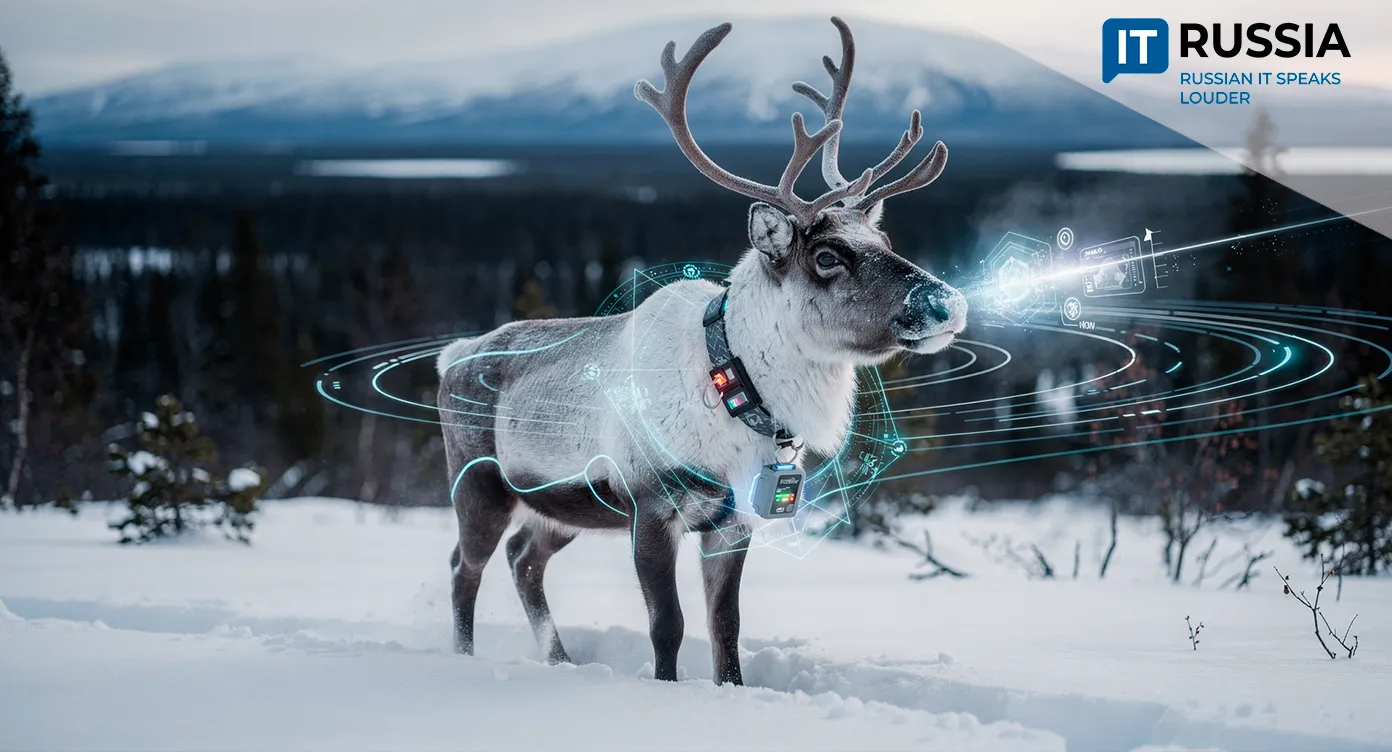
Russia is home to no more than 1.9 million reindeer, of which fewer than 300,000 live in the wild. Many local subspecies are now threatened with extinction and are listed in the country's Red Book of endangered species. The Khamar-Daban population has declined to just 23 animals. By comparison, the Baikal Reserve supported roughly 150 reindeer as recently as 1981.
Technology Designed for Conservation
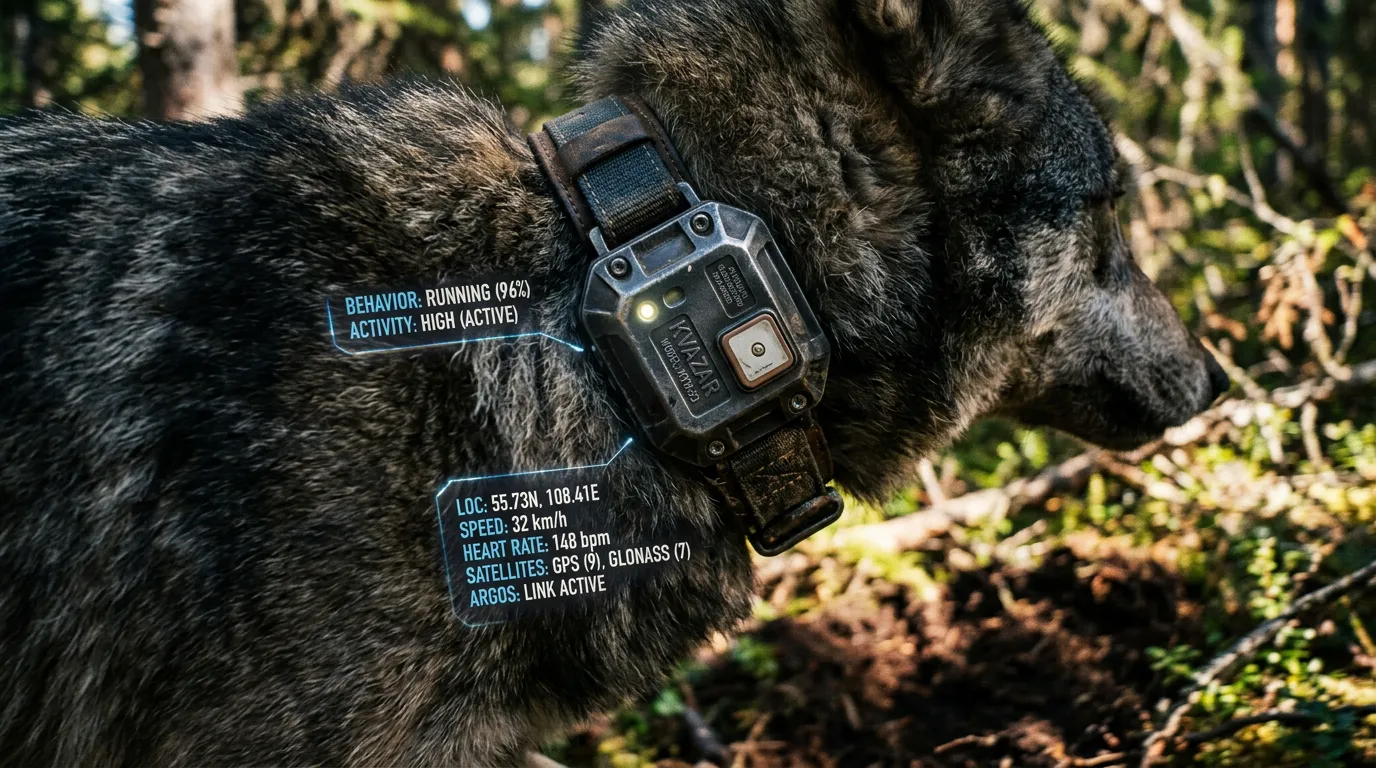
The collar that will be fitted to each animal functions as a self-contained research station. Using built-in sensors, the system can distinguish what a reindeer is doing at any given moment, whether feeding, resting, or fleeing from a predator. A neural network embedded in the onboard microcontroller processes the information directly on the device, filtering out background noise before transmitting a compressed yet highly informative dataset to researchers. The collar's batteries are designed to operate continuously for up to four years.
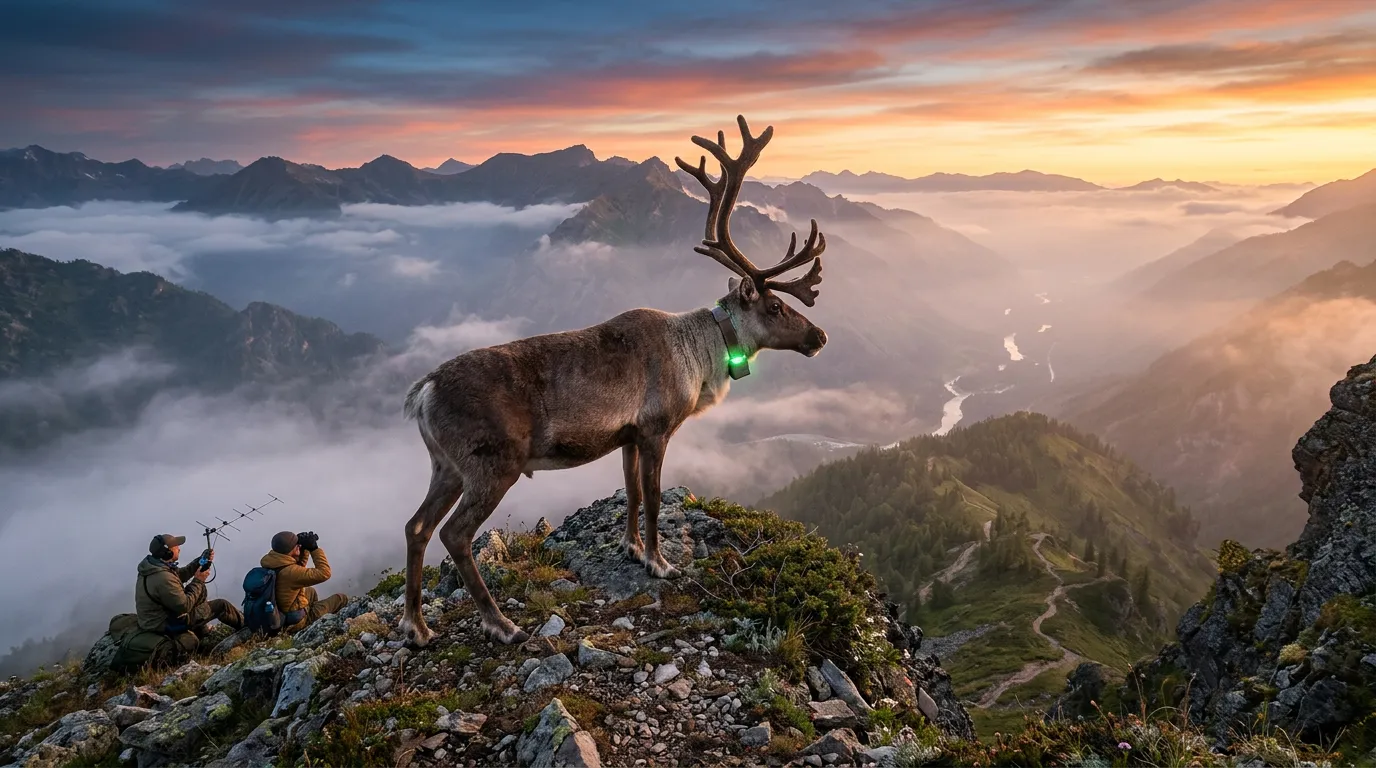
The expedition's primary objective is to build the first uninterrupted picture of the herd's annual life cycle. Where do these animals spend the winter? Which migration routes do they follow in spring? What factors are limiting the population's recovery? Answers to these questions will allow conservation efforts to move from observation to targeted action. Over time, the findings will form the basis of scientific publications and conservation recommendations, and could even support a decision to introduce males from other regions to reduce the risk of inbreeding.
A Digital Census of Wildlife
In 2021, researchers launched the scientific project Tundra Glazami Olenya (Tundra Through the Eyes of a Reindeer) on the Yamal Peninsula, using GPS collars to study the animals' energy expenditure and diet. At that stage, however, observations covered only two herds. During the same period, scientists on the Taymyr Peninsula fitted ten Quasar collars to wild reindeer to map their migration routes. In 2023, developers introduced an upgraded version with an integrated neural network capable of recognizing animal behavior. By 2025, the technology had been successfully tested on wild reindeer belonging to the Lena-Olenyok population in Yakutia.
On Chukotka, domesticated reindeer have been fitted with tracking collars since 2015. More than 300 devices are now in use across local herding operations. Today, herders can monitor their animals even in areas without internet access, allowing them to respond quickly if part of a herd breaks away. Chukotka is now taking the next step in smart reindeer herding by planning to use drones to count livestock and locate missing animals.
This year, the Yamal Peninsula also launched the pilot project Safe Tundra. Satellite monitoring has begun tracking hundreds of thousands of domesticated reindeer across 31 herding operations.
An Early Warning for a Vanishing Population
The population figures for the Khamar-Daban group send a clear warning: this local reindeer population could disappear entirely. It is the only mammal in the Baikal Reserve listed simultaneously in both the Red Books of Russia and the Republic of Buryatia. The expedition is therefore an important step toward protecting the biodiversity of one of the world's unique ecosystems. Once refined, the same monitoring approach could be applied to other rare hoofed mammals, large predators, and even domesticated herds across the Arctic.
A continuous four-year stream of data from the collars is expected to provide more insight than dozens of short-term field expeditions. Looking ahead, systems like these could combine information from tracking collars, camera traps, and drones into a single digital conservation ecosystem capable of automatically issuing alerts about wildfires, poaching activity, or shortages of natural forage.
The Baikalsky Reserve is becoming a testing ground for the next generation of conservation technologies. Artificial intelligence is beginning to interpret the language of wildlife through data. If these remaining 23 reindeer can be saved, the achievement will represent a victory not only for conservation biologists, but also for the Russian engineers who developed the technology that made such long-term monitoring possible.