Russian Students Develop Software for Agriculture
Students at Timiryazev Academy have developed intelligent digital platforms that help agronomists assess plant health more quickly and support decision-making in crop production.
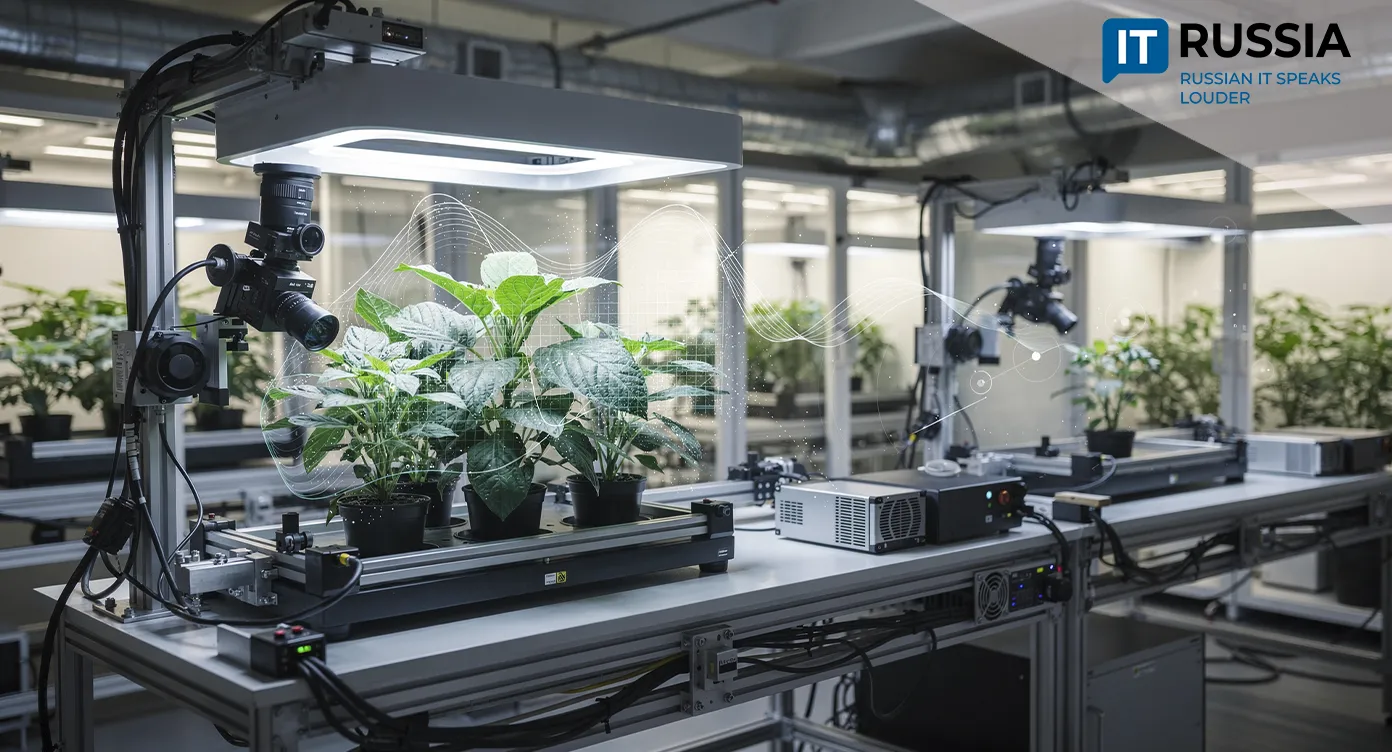
One of the most important challenges in modernising Russia's agro-industrial sector is the transition to domestically developed software.
On March 7, 2026, the Russian government updated its strategic objectives for the digital transformation of the agro-industrial and fisheries sectors through 2030. By the end of the decade, at least 80% of Russian agricultural enterprises are expected to operate on domestic software supporting both production and management processes. In effect, the government has reaffirmed its commitment to large-scale digitalisation of agriculture based on Russian technologies.
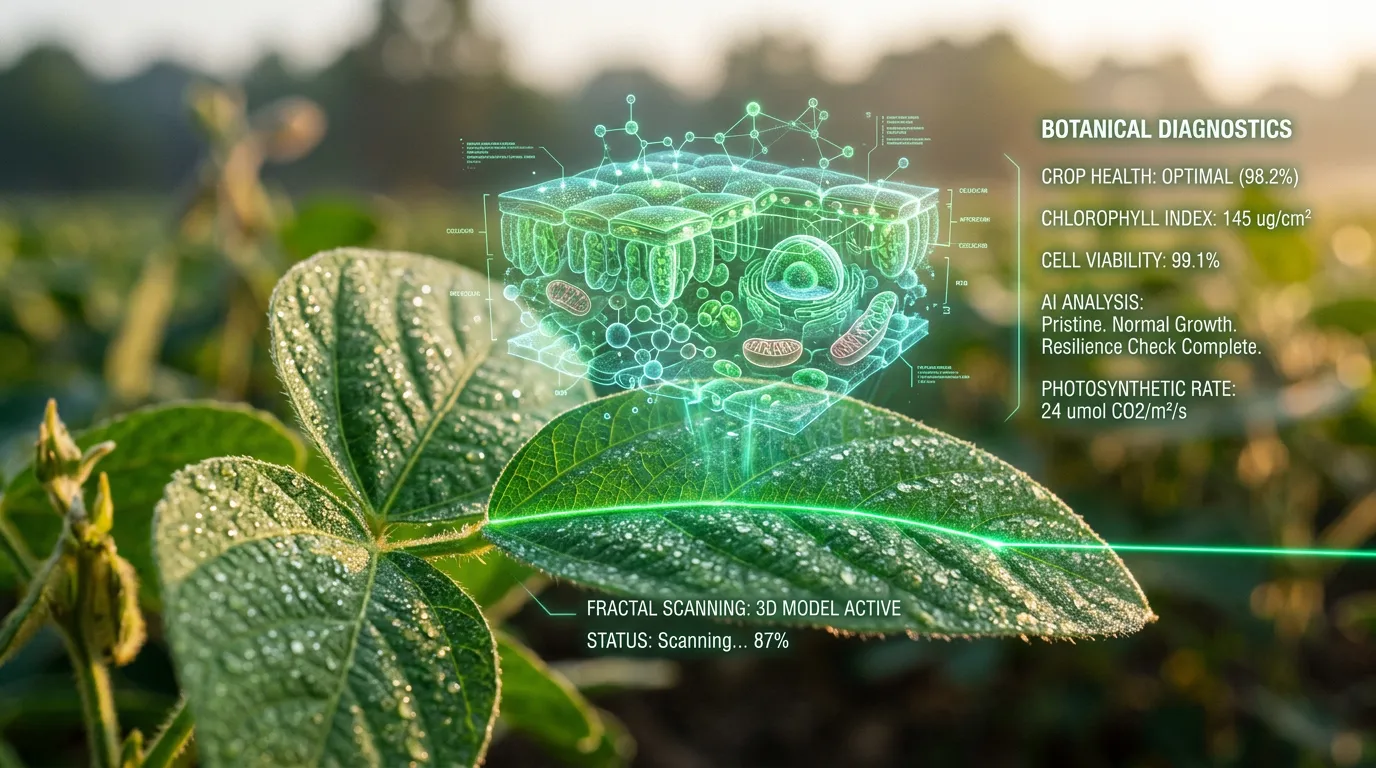
Two Digital Platforms
The rationale behind this large-scale digital transformation is straightforward. Agriculture is one of the country's most important economic sectors, providing essential goods for the population. Improving production efficiency, strengthening farm management, enhancing technological independence, and protecting corporate data and digital infrastructure have therefore become key priorities.
Meeting those goals requires a steady pipeline of new digital tools for farmers. Students at the Project Institute for the Digital Transformation of the Agro-Industrial Complex at the Russian State Agrarian University – Timiryazev Moscow Agricultural Academy (RSAU–MTAA) are contributing to that effort.
Students Yegor Dzhioyev and Dmitry Stepanov presented two newly developed platforms at the seventh Student Startup competition, organised by the Foundation for Assistance to Innovations since 2022. The programme supports early-stage technology projects and helps bring them to market. Its main selection criteria are technological innovation and commercialisation potential. Both Timiryazev Academy students won the competition, receiving grants of RUB 1 million (about $13,000) each to advance their technology startups. The funding gives them an opportunity to turn student prototypes into practical tools for modern agriculture.
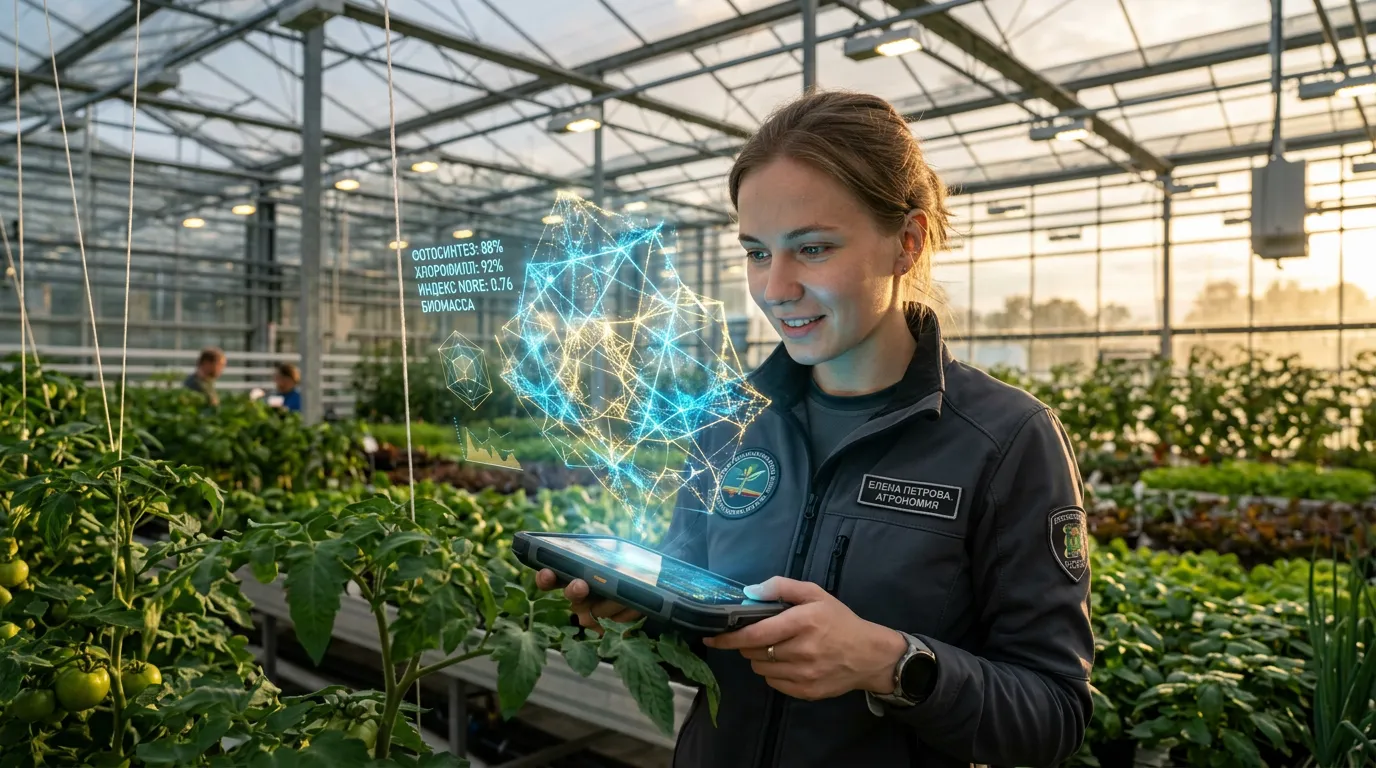
Big Data Analytics and a Generative AI Assistant
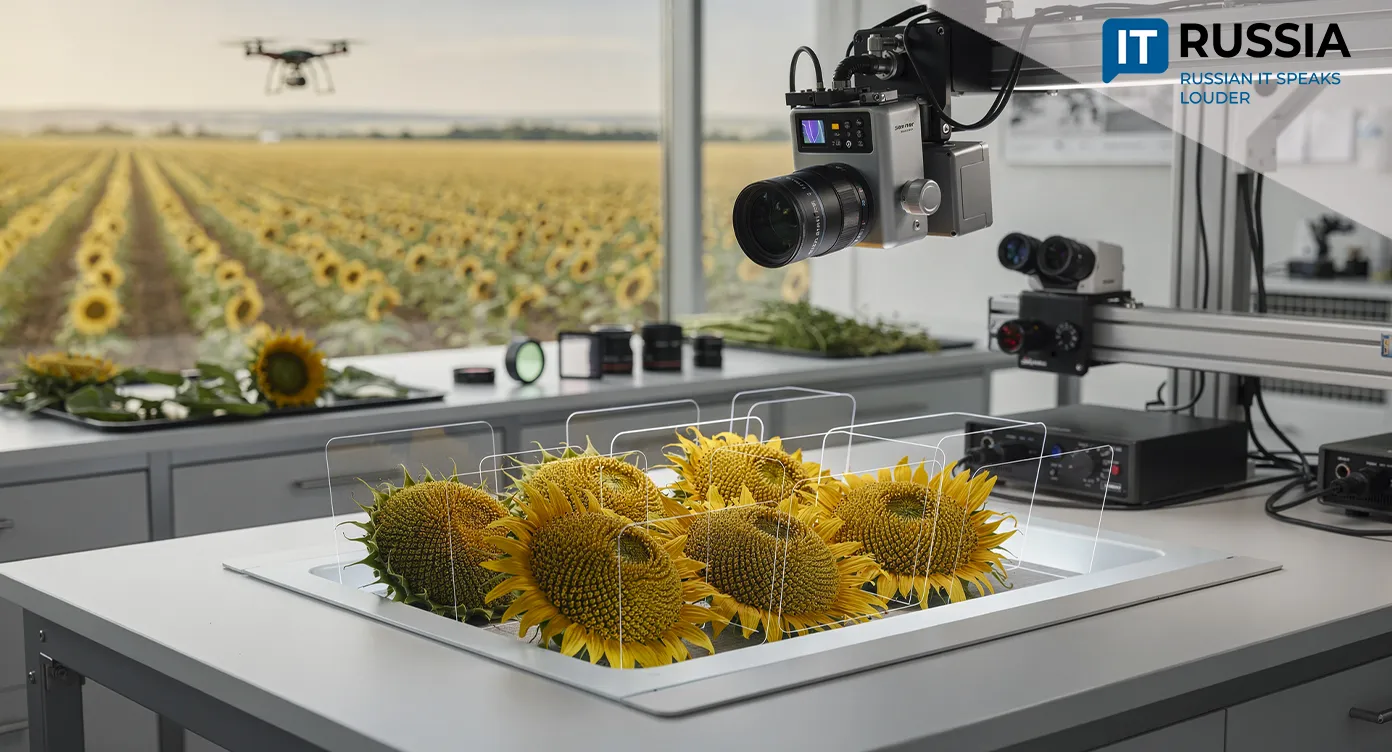
Yegor Dzhioyev is studying Big Data and Machine Learning. Together with his academic supervisor, Vladimir Kalitvin, head of the educational programme, he developed FractScan, an intelligent platform for rapid plant health diagnostics. The system identifies diseases at an early stage by analysing photographs. Using computer vision and mathematical analysis, FractScan examines the structure of leaves and stems, detects abnormalities, and produces a diagnosis. The platform is expected to be valuable for plant breeding, digital phenotyping, and continuous crop monitoring.
Dmitry Stepanov is studying Computer Science and Artificial Intelligence Technologies. Together with his supervisor, Dmitry Khramov, he designed the Intelligent Visualization and Voice Assistance System ICE. The platform functions as a generative AI assistant intended to support both practicing and future agronomists. Built on generative AI, speech recognition, speech synthesis, and intelligent visualisation technologies, ICE answers users' questions, explains agronomic methods, and guides fieldwork through contextual prompts and visual demonstrations.
Technology experts from the students' industrial partner, Russian Agricultural Bank (Rosselkhozbank), supported the projects by assessing their practical applicability and evaluating their commercial prospects.
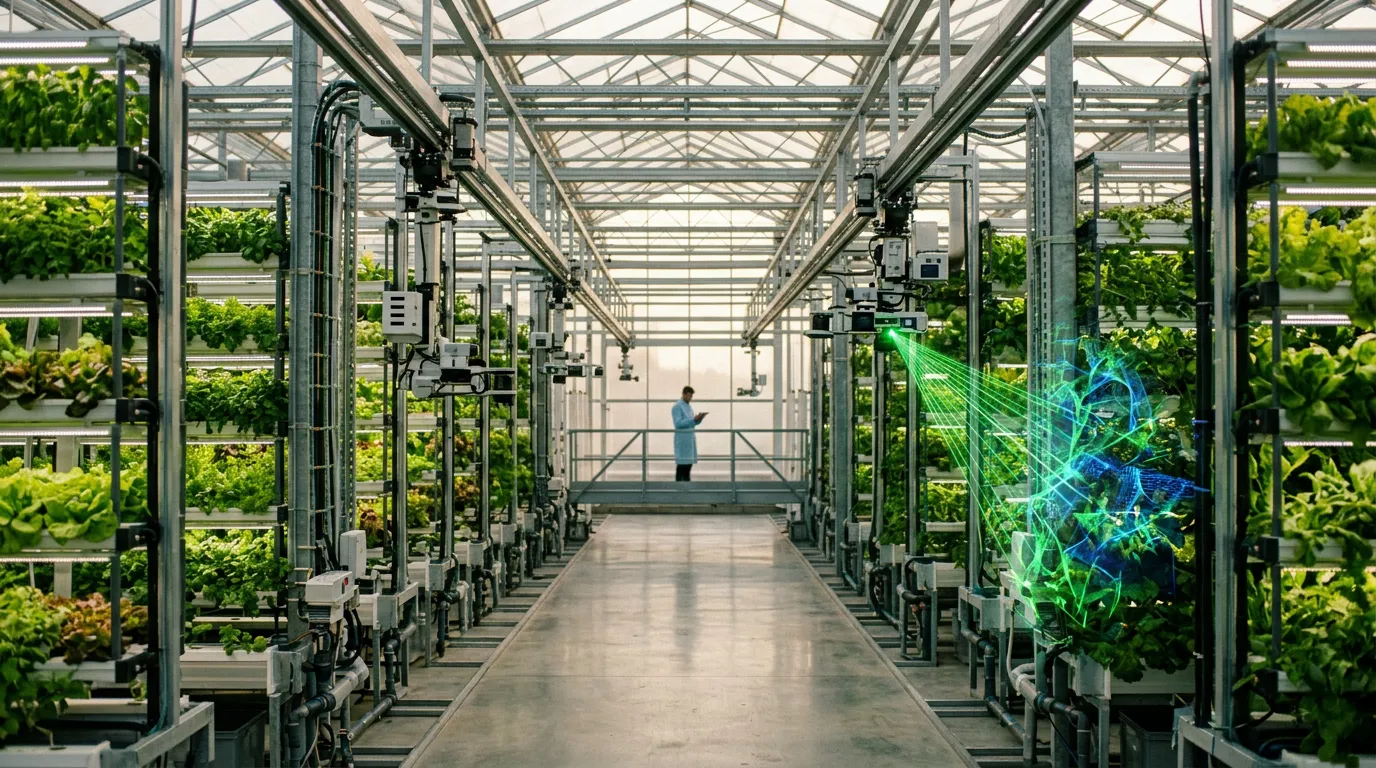
Improving Agricultural Productivity
FractScan and ICE will help farmers carry out initial plant health assessments more quickly, reduce reliance on manual crop inspections, accelerate decision-making when signs of abnormalities appear, and expand access to agronomic knowledge for students and early-career professionals. Both platforms will also help prepare a new generation of agricultural professionals with expertise spanning both agronomy and artificial intelligence.
FractScan and ICE demonstrate that Russian students are beginning to develop practical digital platforms combining software engineering, agronomy, and image analysis while still studying at specialised agricultural universities, which are increasingly becoming centres of innovation. That approach allows the platforms to be evaluated in collaboration with industry professionals, including agronomists and plant breeders.
Continued digitalisation is expected to improve the efficiency of Russian agriculture. According to industry estimates, large-scale adoption of digital technologies can optimise production processes and reduce operating costs at agricultural enterprises by 20% to 30%, enabling businesses to invest more in their future growth.