Alexei Karpunin Says Platform Work Is Becoming a Natural Layer of the Economy
Experts say digital labor platforms are reshaping Russia’s workforce, moving beyond side gigs and into core business infrastructure.
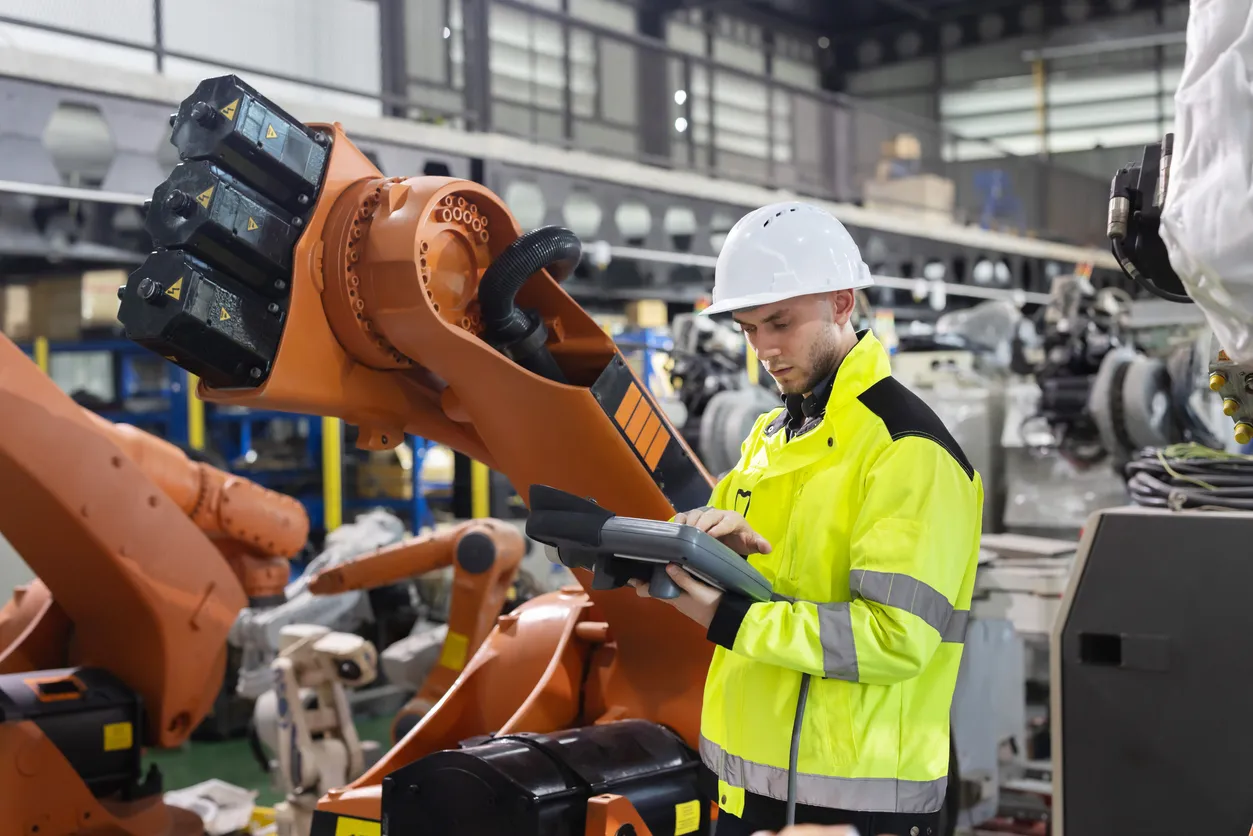
Photo: iStock
Platform-based work—finding short-term jobs
through an app—is gaining traction in Russia. Experts say the model helps
companies address staffing shortages while giving self-employed workers a way
to increase their income. According to Alexei Karpunin, partner at 5D
Consulting, digital platforms are no longer just “side jobs for students” but
are turning into foundational infrastructure.
“According to research by Data Insight, the
market for flexible employment platforms is already approaching a quarter of a
trillion rubles (about $2.7 billion), and this is only the beginning. Large
chains, for example in retail or logistics, no longer imagine shift management
without digital systems—from task planning to automated payouts,” he said.
In his view, the next shift will be toward
an exchange-style model with centralized processing, where companies move away
from directly hiring temporary staff and instead work through platforms. In
that setup, workers choose their own shifts, while businesses receive a closed
invoice and transparent compliance.
Platform Employment in a Platform Economy
“This reduces the risk that these
arrangements will be reclassified as formal employment, which is especially
relevant given the platform economy law set to take effect in October. By
formalizing the rules of the game, which the government is now preparing, the
state will only accelerate the process: companies will gain a protected
mechanism, and individuals will get a legal and convenient way to earn
additional income,” Karpunin said.
He argues that the trend will only
intensify because of the structure of the economy.
“There are objectively fewer people of
working age, and flexibility is needed both by employers—to handle peak
demand—and by workers themselves. Surveys show that 57 percent of Russians plan
to take on additional work this year, and among young people under 24, that
share rises to two-thirds. Platform employment is becoming a natural layer of
the economy, stitching together supply and demand where traditional hiring
methods no longer work,” Karpunin concluded.