

Artificial Intelligence Is Set to Protect Russia’s Historic Landmarks
AI systems analyze surveillance footage to detect vandalism, illegal construction, and sites at risk of collapse.
In the fall of 2025, Russian President Vladimir Putin signed a law creating a unified national portal for cultural heritage sites. The move will consolidate all related information on a single platform. Kirill Pshinnik, a research fellow at Innopolis University, told RBC how artificial intelligence is already being used to help preserve cultural landmarks across Russia.
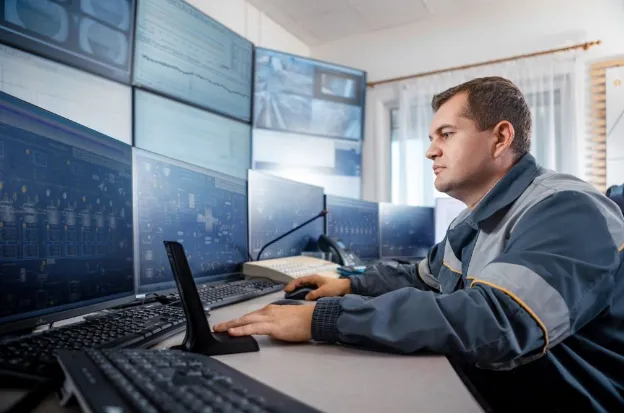
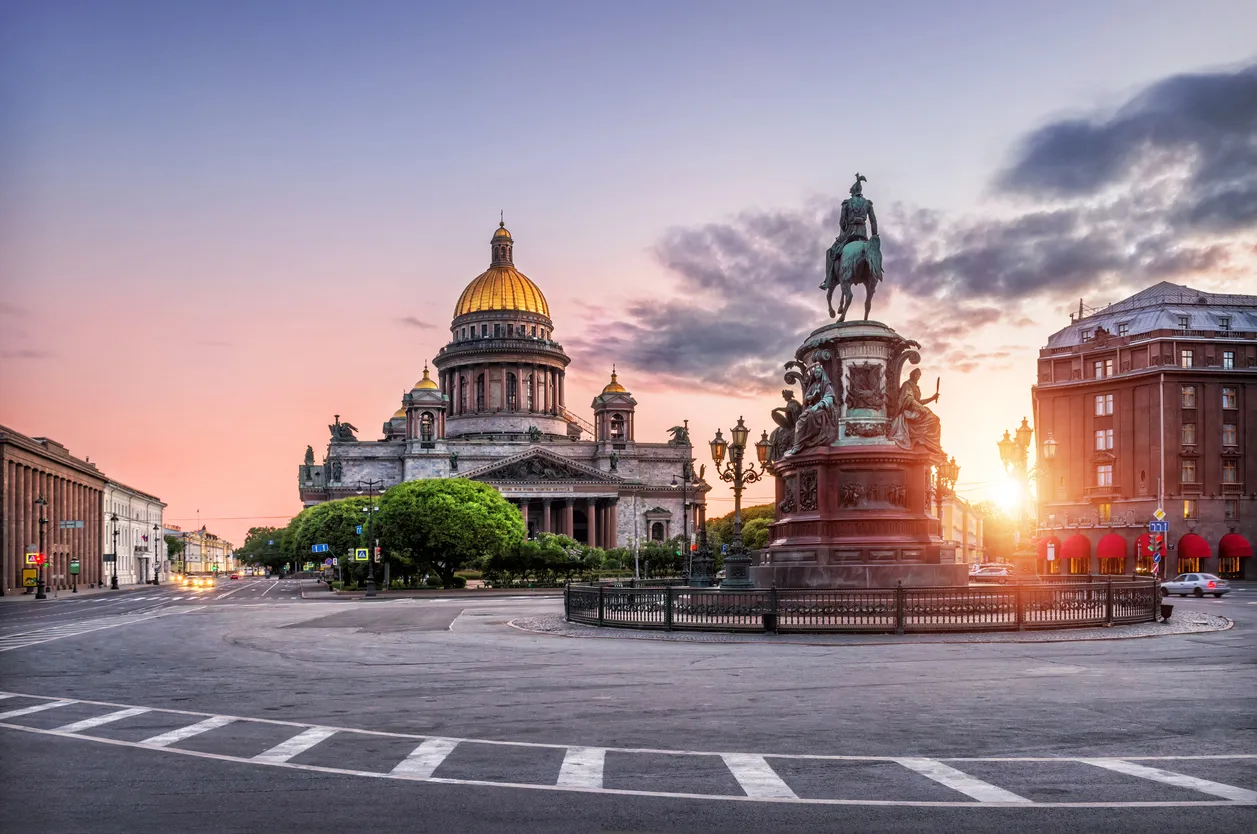
Since the fall of 2025, St. Petersburg has been testing a system based on video analytics algorithms. “Smart” cameras monitor the condition and security of the city’s main historic sites around the clock. The system is integrated with the citywide Safe City platform and automatically flags potentially dangerous activity near protected landmarks, promptly sending alerts to the city’s heritage protection committee and the police.
The AI-powered Gorodovoy system is also set to monitor icicles and snow accumulation on the roofs of historic buildings in Russia’s northern capital.
In Moscow, cultural heritage sites are overseen by a “digital twin” of the city. This virtual replica collects vast amounts of data and tracks urban processes in near real time.
Revived Monuments, AI Expertise, and Recreated Images
Artificial intelligence is also being actively applied to cultural heritage projects in Russia’s regions. In Krasnodar Territory, a neural network has been used to “bring to life” a monument to the Kuban Cossacks and the sculpture of Shurik and Lidochka.
In Tatarstan, the regional Ministry of Digital Development plans to use AI to preserve cultural heritage sites. Neural networks are expected to assist with analyzing restoration and conservation projects, preparing expert assessments, identifying potential documentation violations, compiling site passports, and monitoring site conditions based on photographs.
In 2025, Gazprom, St. Petersburg’s ITMO University, and the Tsarskoye Selo museum-reserve organized a creative laboratory to recreate 93 lost lacquer panels in the Zubovsky Wing of the Catherine Palace, the private apartments of Empress Catherine II.
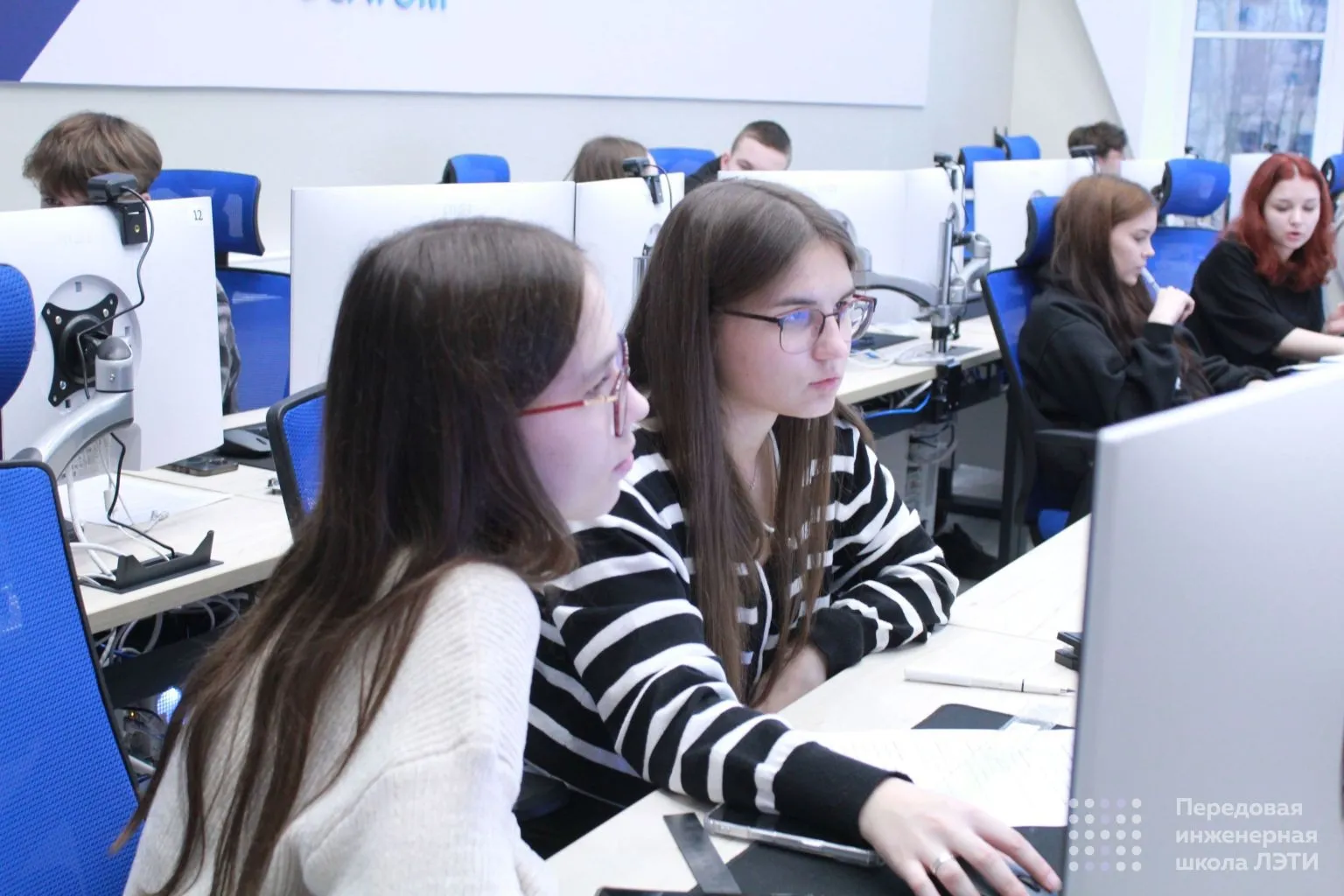
Only 10 of the panels have survived to this day, and one more was known solely from an image. Using that image and written descriptions, student programmers from ITMO’s LISA laboratory trained a neural network to generate visual reconstructions of the lost interior elements. Out of 30 recreated images, about a third could be refined further and used as reference material for future restoration work by artists.