

Artificial Intelligence Will Search for Fish
In 2025, Russia’s fish catch fell to 4.7 million metric tons from 4.9 million metric tons in 2024. The decline was partly caused by lower catches of iwashi sardines, whose migration routes have shifted. To avoid coming up short, the fishing fleet is turning to innovative technologies.
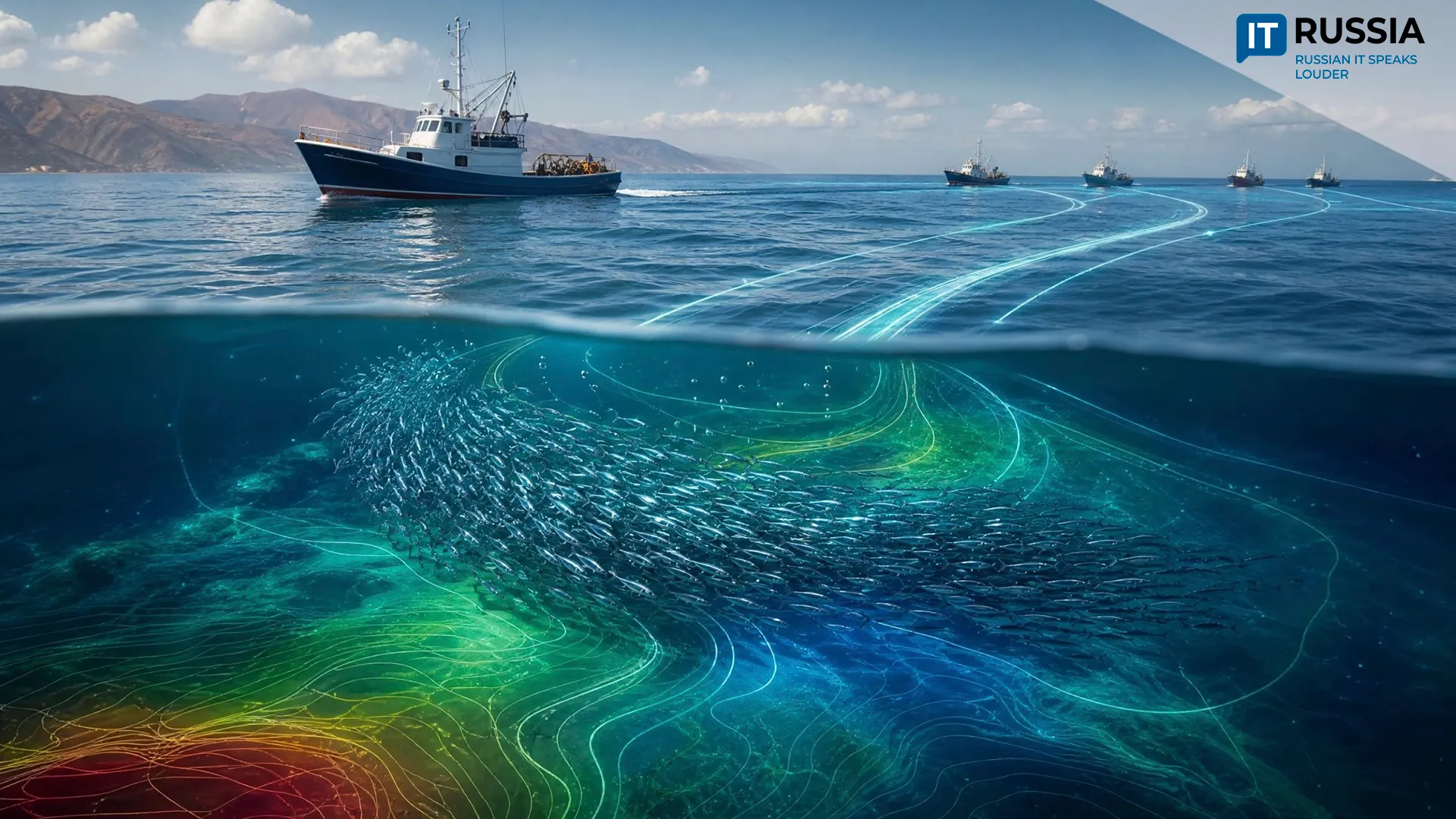
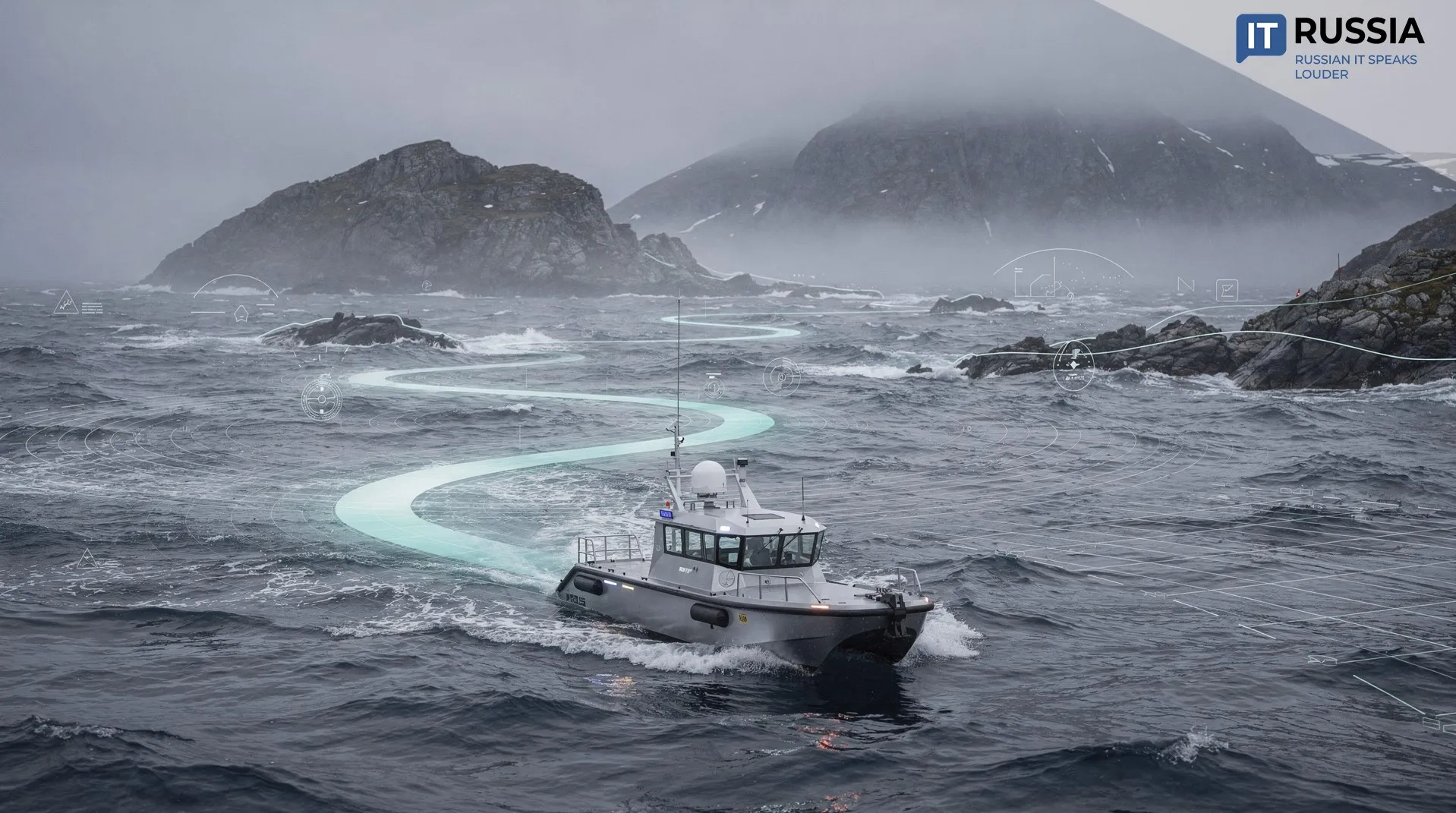
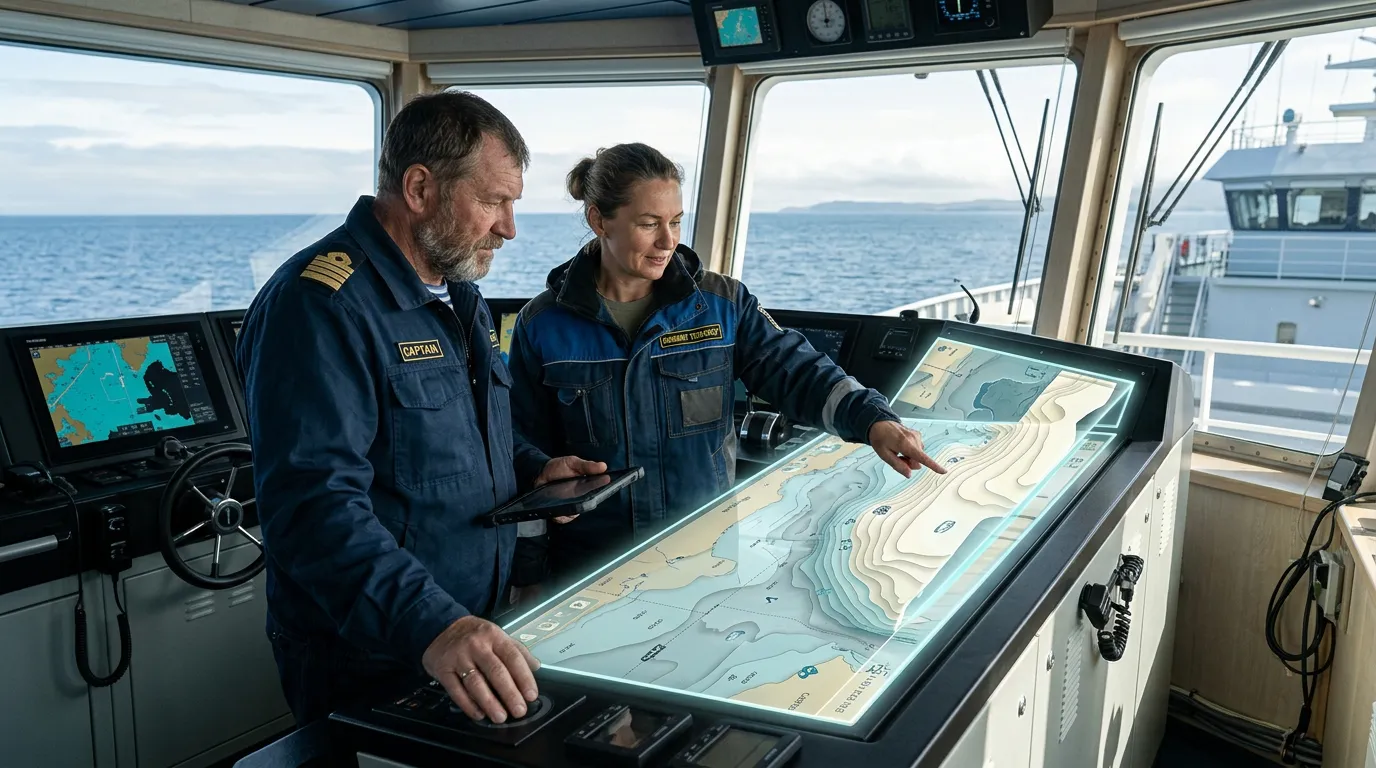
The Center for Fisheries Monitoring and Communications (CFMC) has developed a digital service called Lotsiya (Fishery Navigation). It shows where and what fish to catch and helps captains identify the most promising fishing grounds.
Catching Different Fish
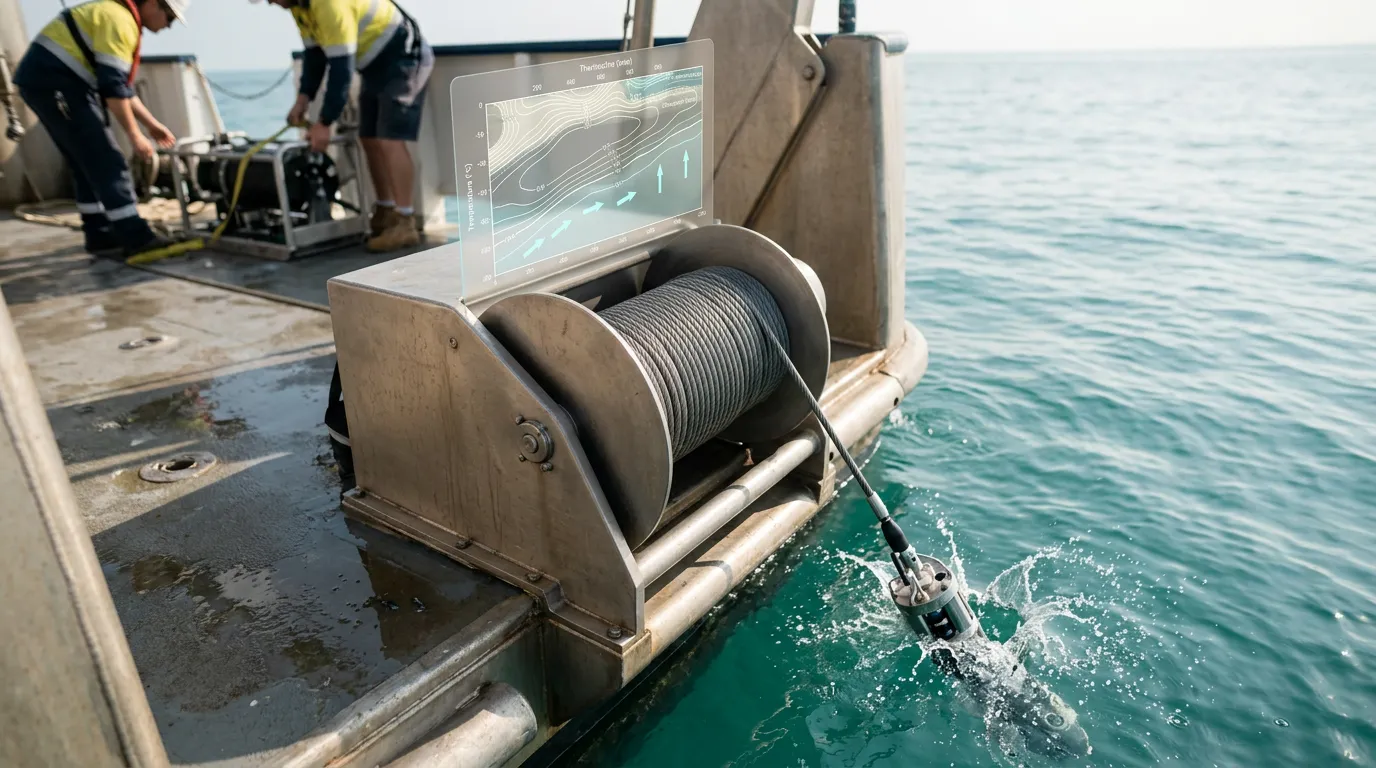
Lotsiya analyzes a vast amount of disparate data. Water temperature and salinity, currents and thermal fronts, chlorophyll and oxygen levels, wind, wave height, bathymetry and even the phases of the Moon are combined into a single digital picture of the marine environment. But the key is not collecting the data – it is making sense of it. Trained on historical catch data, the model compares current conditions with successful fishing situations from previous years and identifies the areas that should be searched first.
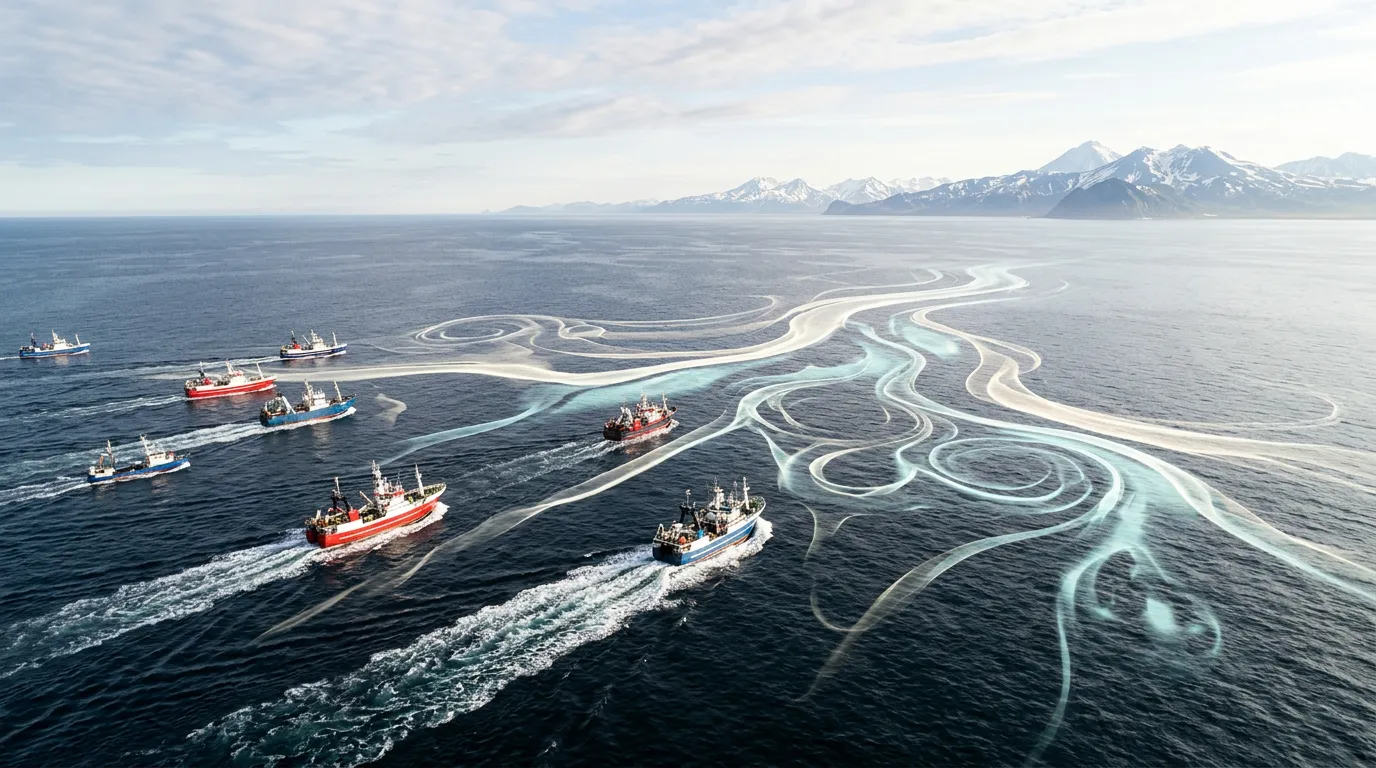
The goal is to reduce the amount of traditional fish-finding work. AI does not replace the captain or eliminate the need for sonar. Instead, it narrows the search area, allowing a vessel to spend less time searching, save fuel and cut related costs. In 2025, the system analyzed potential areas where iwashi sardines had concentrated after moving away from their traditional fishing grounds. Schools were found outside Russia’s exclusive economic zone, and fishing vessels headed there immediately.
Lotsiya is currently being tested to support fishing for iwashi sardines, Pacific saury, pollock, Pacific cod and herring. A separate model is created for each species, area and season, calculating an index of how suitable the water conditions are each day. The system does not try to find “fish in general” – it looks for a specific species under specific conditions.
A Catch on the Hook
Fish consumption is growing by 3% a year, and by 2030 the world will need an additional 40 million metric tons of fish. The fishing industry remains a major part of Russia’s economy. In 2025, Russia exported 2.1 million metric tons of fish products worth $6.1 billion. The country has also developed a plan to increase domestic fish consumption. The goal is to raise per capita consumption from today’s 25.8 kilograms to the 28-kilogram target recommended by the Ministry of Health. That is where the efficiency of fishing becomes an issue.
“We could catch much more even in our own waters than we do today,” said Ilya Shestakov, head of the Federal Agency for Fishery.
In 2022, scientists at Astrakhan State Technical University, which is overseen by the Federal Agency for Fishery, created a robot to help fishermen locate and feed fish in shallow water, among reeds and algae. The robot, called Bersha, was equipped with a solar panel, a multibeam sonar and an automated feeding module. That same year, scientists at the Center for Digitalization of Fisheries Research at the Azov-Black Sea Branch of the Russian Federal Research Institute of Fisheries and Oceanography developed a system for forecasting favorable fishing grounds for anchovy in the Black Sea. The forecast was 84% accurate.
In 2024, fishing vessels gained the ability to receive data on fish concentrations directly at sea through the Gonets satellite system operated by Roscosmos, helping them save time and fuel. Lotsiya is designed to further improve the industry’s technological efficiency.
A Sea of Data
The most likely direction for Lotsiya’s development is to expand the list of species and fishing areas it covers. While the system was focused primarily on iwashi sardines at the end of 2025, by September 2026 its testing already covered several major commercial species. The next step will be integration with other digital systems used by the industry, including electronic fishing logs and satellite vessel monitoring. Combining these data sets with Lotsiya will make forecasting more responsive and allow the models to be adjusted based on vessels’ actual movements and fishing results.
The CFMC’s broader goal is to have a complete picture of Russia’s entire fishing industry by 2030, including its products and infrastructure. Lotsiya will serve as a key “beacon” in that system, while the technology itself combines satellite technologies, geographic information systems, big-data processing and industry expertise.
Although the technology cannot simply be transferred to another sea without a local scientific knowledge base, there are international channels for promoting it. For example, Russia plans to expand the use of digital fishing technologies as part of cooperation with countries in the Asia-Pacific region.