

Darya Kislitsyna: Software and Video Games Deliver the Highest Returns in the Creative Economy
If creative industries are to account for 6% of Russia's economy by 2030, the country must accelerate the development of digital technologies that generate the strongest economic returns. Achieving that goal will also require attracting a new generation of talented young people into the sector.

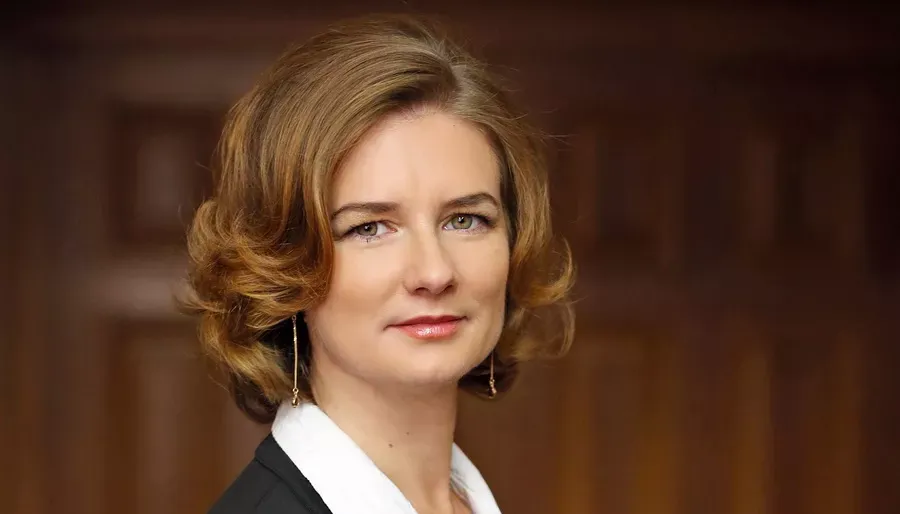
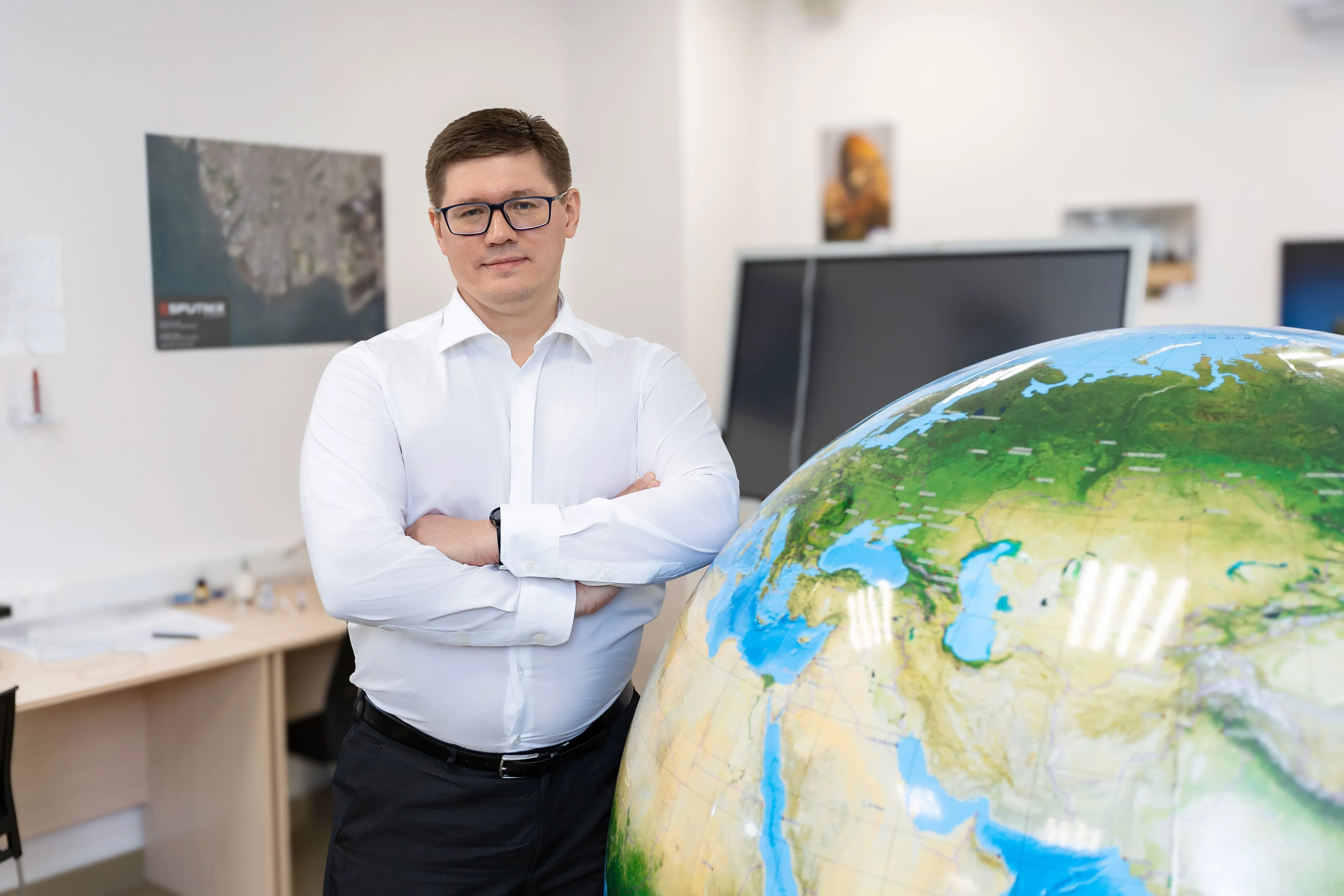
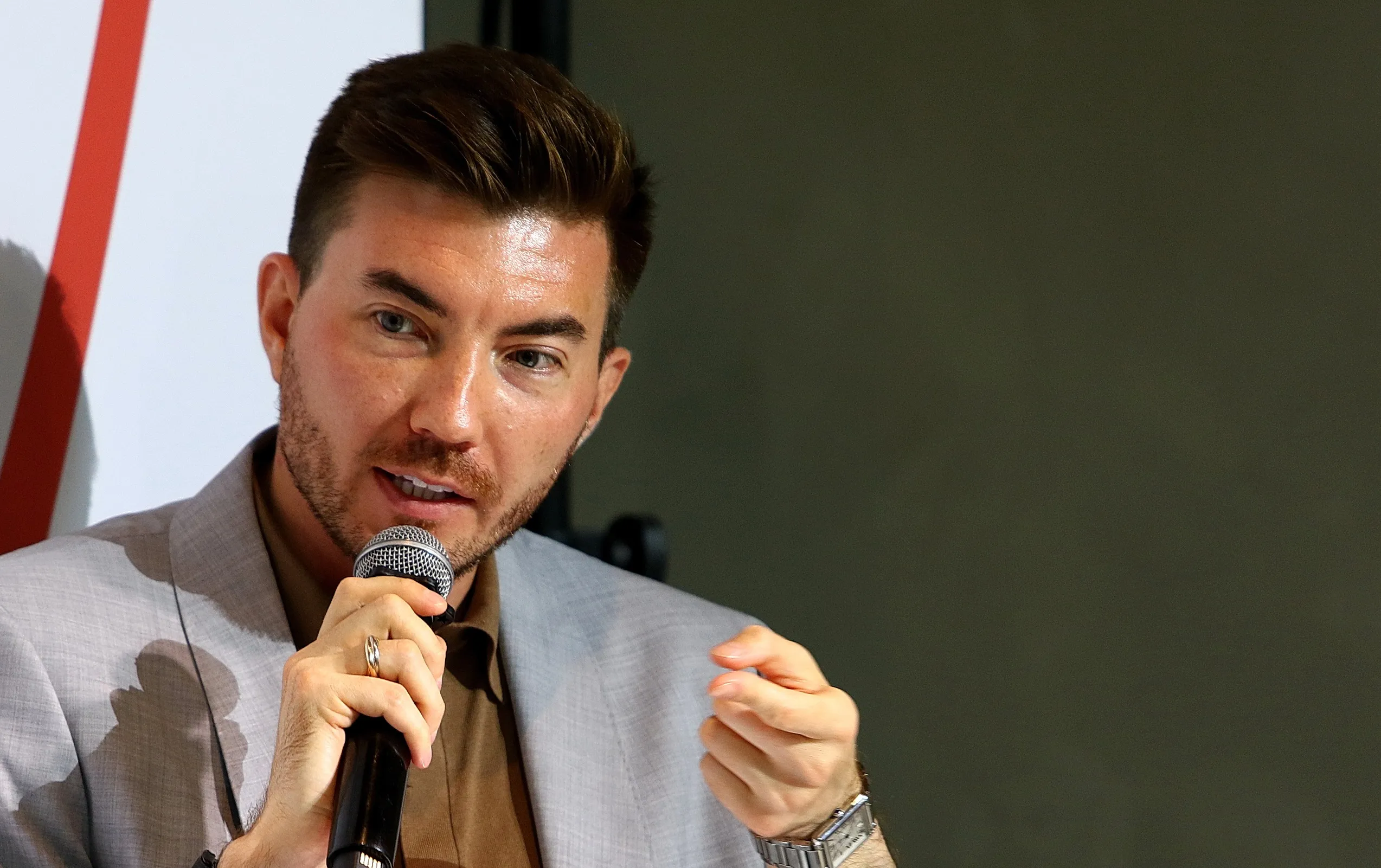
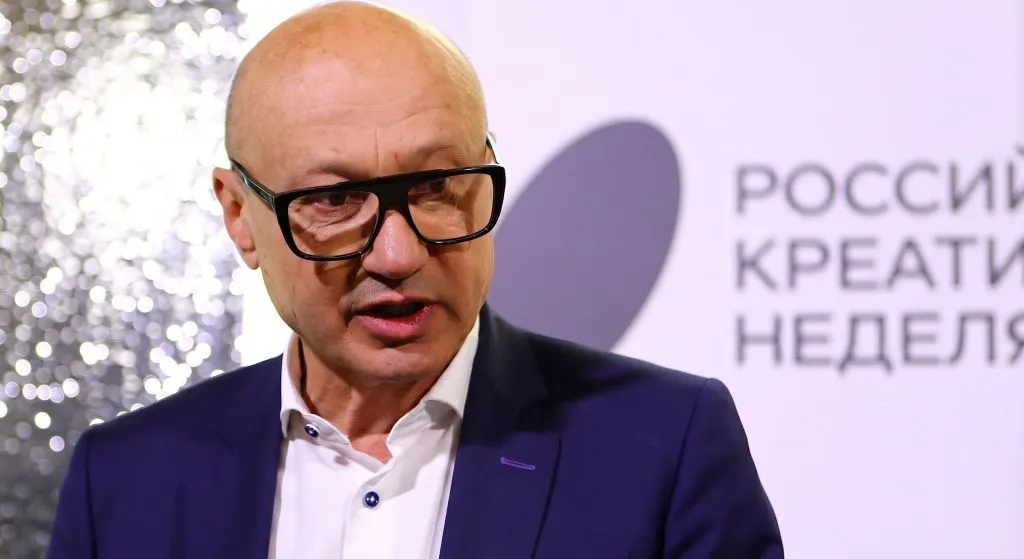
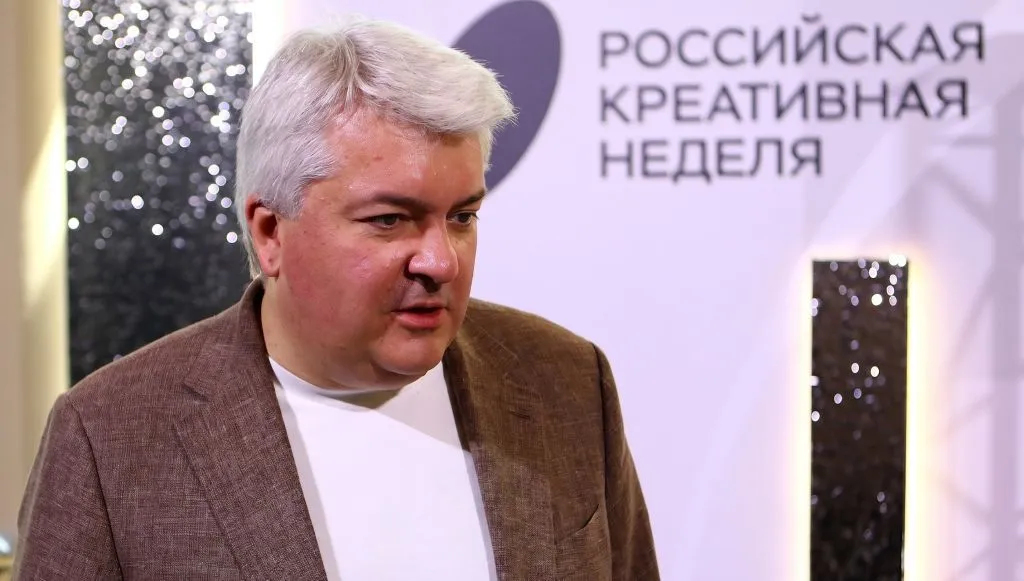
Speaking during the seventh annual Rossiyskaya Kreativnaya Nedelya (Russian Creative Week) federal festival and forum at Moscow's Gorky Park, Darya Kislitsyna, Director of Regional Programs at the Expert Institute for Social Research, explained in an exclusive interview how the creative economy can attract talented, well-educated young people who are ready to build careers using emerging technologies in the digital era.
– Federal legislation identifies 16 industries that contribute to the national target set by the president: increasing the creative economy's share of GDP to 6%. We are already seeing which segments generate the highest returns. They include everything related to video games and software, while, from the perspective of mass consumer demand, gastronomy also stands out as one of the strongest-performing sectors.
The challenge is not to create entirely new industries. It is to bring more people into the sectors that already exist. Today, the priority is finding new talent while making these industries more productive, more automated where appropriate, and ultimately more profitable. An equally important task is balancing the development of creative industries across Russia's regions. Every region starts from a different position. Some are only beginning to build these ecosystems, while others are already highly concentrated. Finding those solutions is exactly what we are working on together with our colleagues during Russian Creative Week.
Perhaps the most difficult question we have been trying to answer for years is this: what conditions encourage creative young people to build their futures where they already live? One clear priority in recent years has been improving the urban environment. Not long ago, that received far less public attention. Today, the Federal Project Formirovaniye Komfortnoy Gorodskoy Sredy [Creating a Comfortable Urban Environment – ed. note] is driving large-scale transformation of public spaces across the country. For younger generations, the quality of the urban environment has become a major consideration. At the moment, Moscow remains difficult to match in that respect. Beyond that, employment and education matter most – and they should be considered together. Competitive salaries and incomes are essential, but so is another important factor: identity, local pride, and a genuine sense of connection to the place people call home.