

Next-Generation Test Facility
Researchers at Samara National Research University named after S. P. Korolev have developed a unique test complex for small gas turbine engines used in unmanned aerial vehicles.
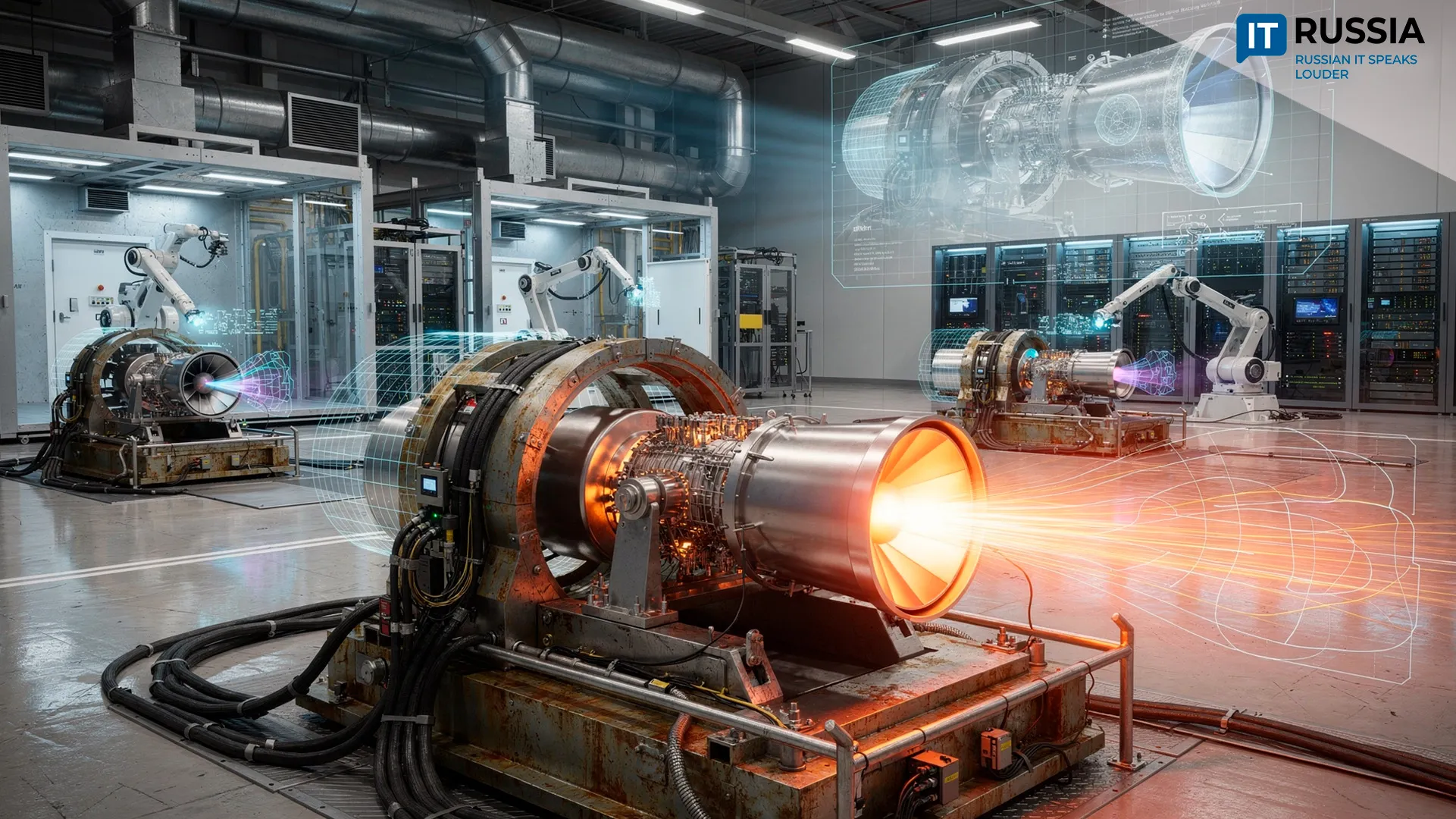
Scientists in Samara have created a facility capable of testing small gas turbine engines for UAVs, both as complete units and as individual components. The installation is designed for engines producing thrust of up to 1,500 N. Its key feature is the ability to simulate extreme operating environments, including a wide temperature range – from –50 to +50°C – and atmospheric conditions corresponding to altitudes of up to 10 km.
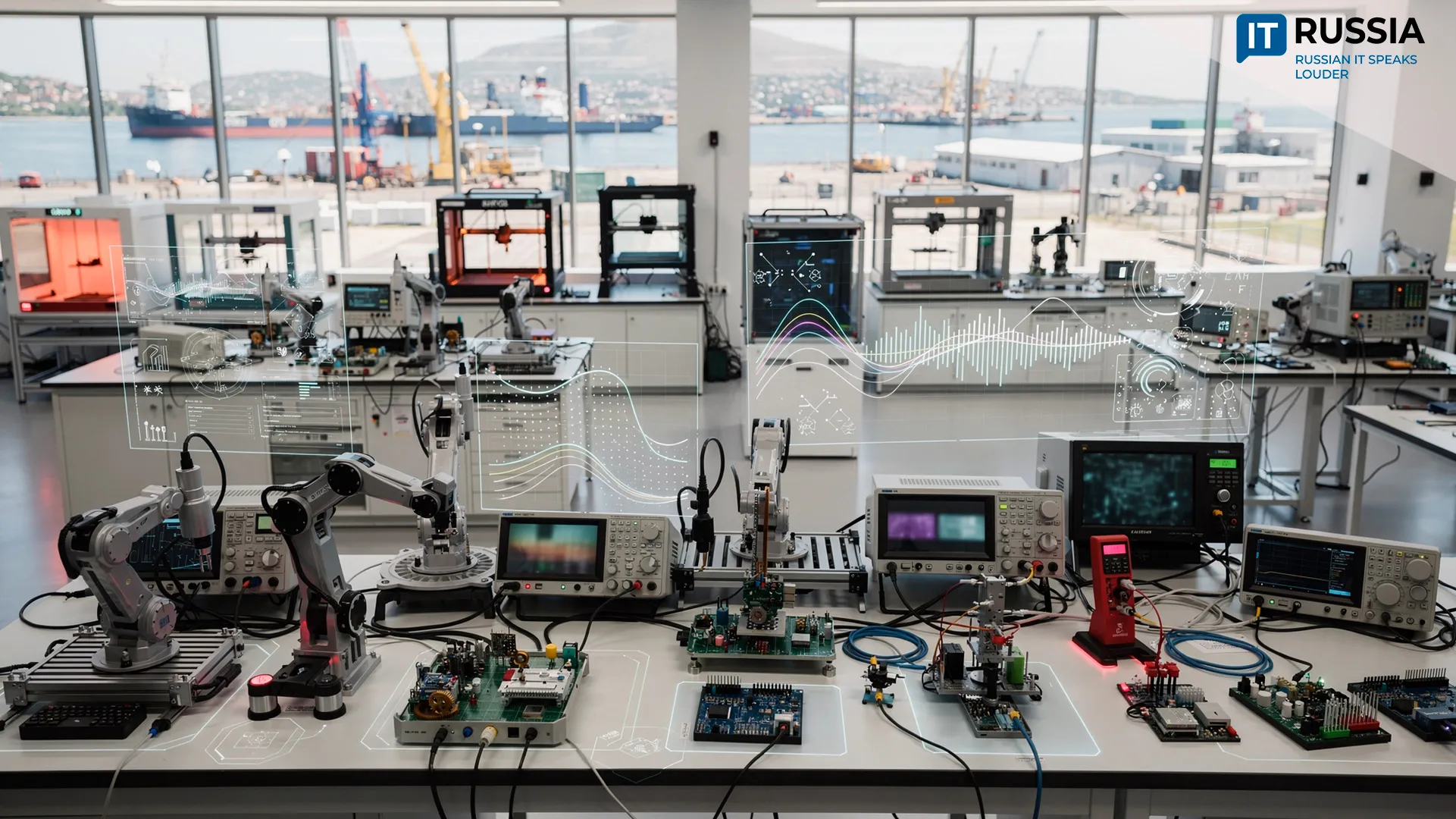
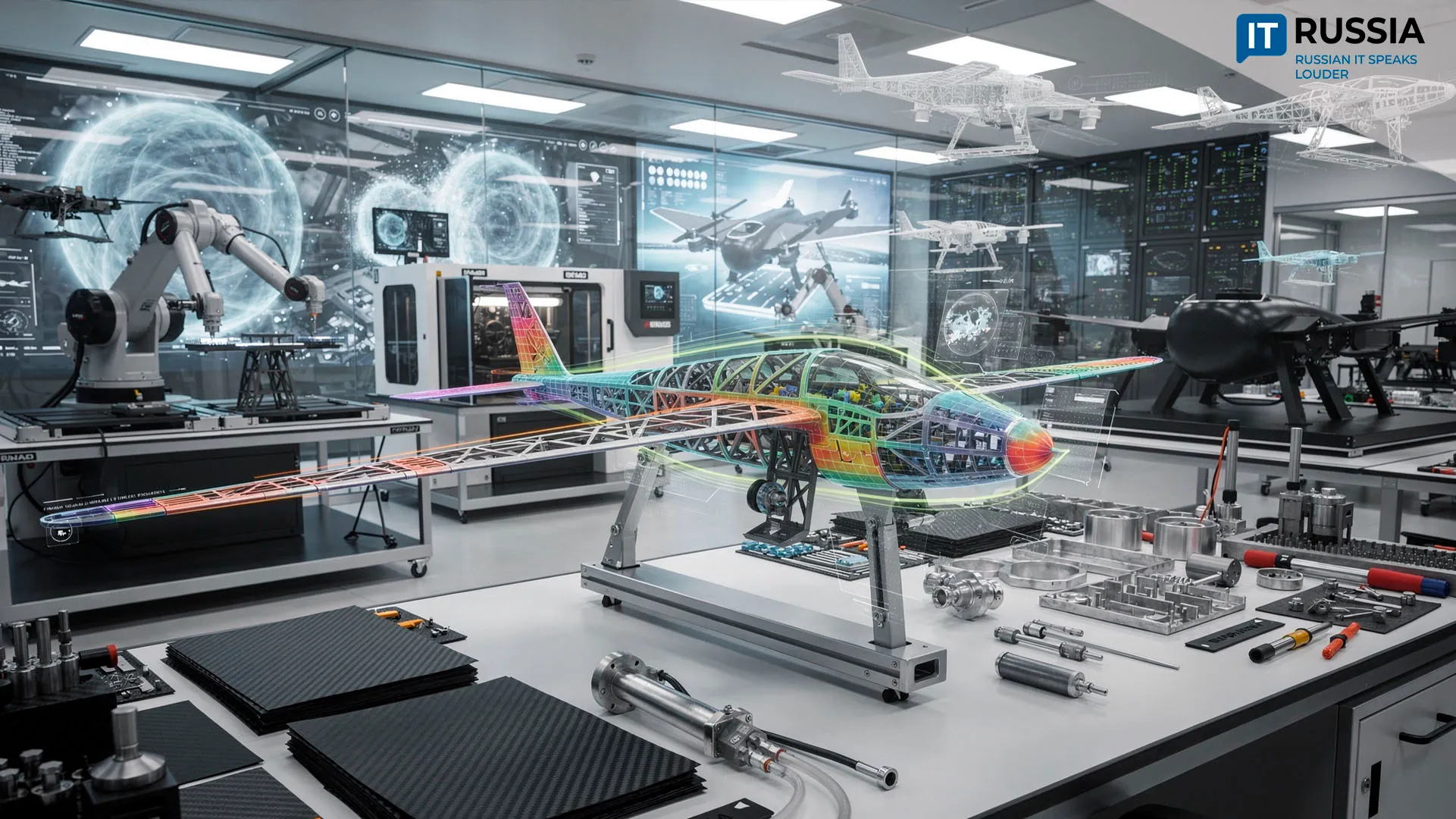
The significance of the development goes beyond basic testing. The complex is integrated into a digital engineering environment: test data are collected and processed in digital form and used for computer simulations and the creation of digital twins of engines. This approach accelerates design refinement and improves reliability.
For Russia, the project strengthens expertise in propulsion systems for unmanned aviation and accelerates the development of domestic aircraft powerplants. In the longer term, these technologies could support new UAV-based logistics, environmental monitoring and agricultural services that benefit businesses and communities.

Technology Outlook
Within Russia, the new facility could become a foundation for advancing domestic unmanned platforms. Small gas turbine engines would enable the creation of jet-powered cargo drones with higher speeds and greater payload capacity. The complex also supports the development of digital engineering. Test results are integrated into PLM systems and other digital design platforms, enabling virtual testing and optimization before physical prototypes are built.
The development also has export potential. The rapidly expanding global UAV market requires reliable and efficient propulsion systems. Russia could offer not only the engines themselves but also testing technologies, engineering solutions and potential participation in international small aviation development programmes.
A Path Toward Technological Leadership
The creation of the test complex is not a one-off success but the result of years of research and engineering work. In 2023, Samara University began testing a compact turbine engine for jet-powered UAVs designed to increase the speed and payload capacity of unmanned aircraft. That same year, in Perm, engineers launched an automated system for managing tests of components of the PD-8 aircraft engine, including digital monitoring of performance parameters.
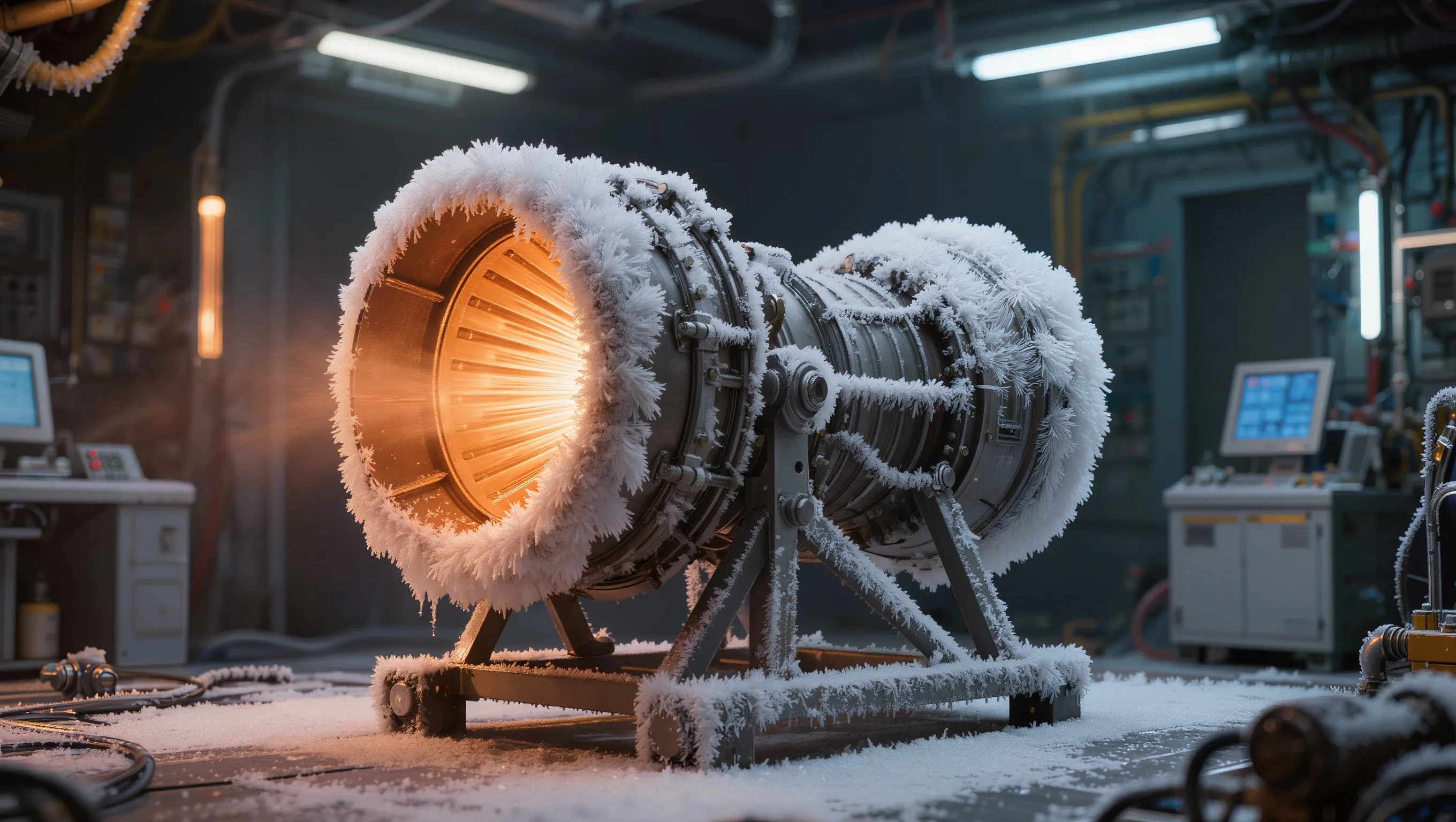
By 2025, Samara University was implementing a comprehensive project to develop a family of small aerospace engines. The initiative actively uses digital engineering environments and virtual models of operating processes. Taken together, these developments demonstrate that Russian aerospace research is moving toward deeper integration of physical testing and digital technologies.
The Future on Wings
The new test complex represents an important element of Russia’s technological independence in the aviation sector. It does more than simply test engines. The facility operates within an integrated digital ecosystem in which test results are immediately used for modeling, optimization and the creation of digital twins.
In the coming years, serial production of Russian small turbine engines could emerge, expanding their application not only in UAVs but also in energy systems and hybrid propulsion installations. The continued development of digital aviation engine design platforms will make the process of creating new propulsion systems faster and more efficient.
As a result, the Samara development lays the groundwork for further growth of Russia’s unmanned aviation sector, both domestically and internationally.