

Rostec Launches AI Platform That Builds Event Registration Pages in Minutes
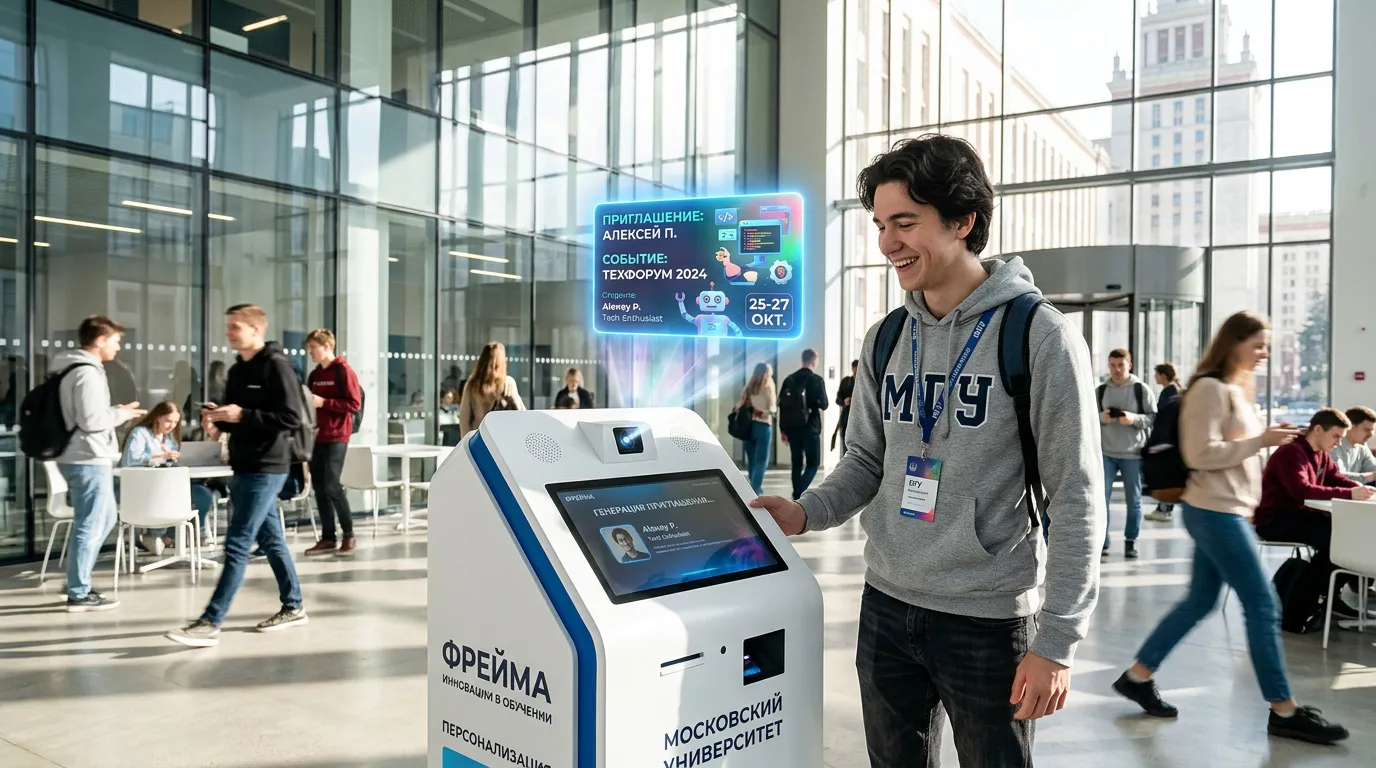
RT-Tekhpriemka, a company within the Rostec state corporation, has introduced an AI-driven platform called Freyma that automatically generates event registration forms in minutes. Instead of designing forms from scratch, organizers describe their event in plain language and let the system build the structure, text and analytics layer.

Turning Plain Text Into Structured Events
Creating a registration form no longer requires manual configuration. An organizer visits the Freyma website and describes the planned event in simple terms. For example: “Engineering conference on March 15 in Moscow, 200 attendees, lunch included, send reminder emails.” The AI analyzes the request and instantly generates a completed registration form with all required fields.
How the AI Model Decides What to Ask
The platform relies on a language model trained on thousands of existing registration forms. The algorithm identifies the type of event from the description and selects an optimized field structure. For a conference, the neural network adds options for thematic sessions. For a corporate celebration, it may include gift preferences. For a business forum, it suggests fields for company and job title. For a sports tournament, it requests age category and skill level.
The organizer reviews the result and edits it using a visual editor. The process is designed to be fast and intuitive, without requiring technical training.
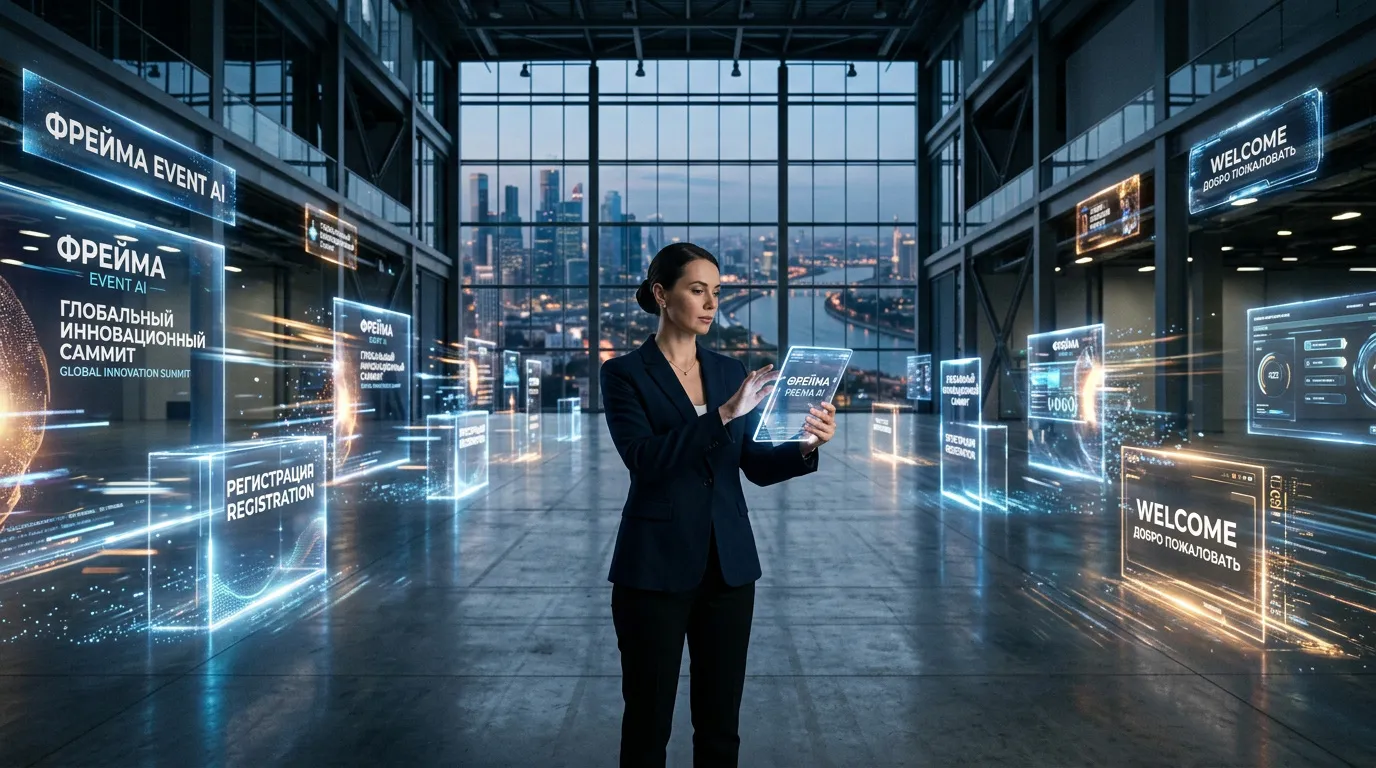
The neural network also produces a detailed and engaging event description based on the short brief provided by the organizer. That feature can reduce spending on copywriters and marketing support. The generated text adapts to the target audience and includes core details such as date, location, program and participation terms.
One-Click Publishing and Real-Time Data
The finished page receives a unique link and can be published with a single click. Participants can access it from any device, including desktops, smartphones and tablets. The interface automatically adjusts to screen size without additional configuration.
Registration data flows into a unified database in real time. Organizers can track the number of sign-ups, geographic distribution and popular options. The system automatically sends confirmation emails and reminder messages one day before the event, with built-in integration for email services and messaging platforms.
Analytics Without Spreadsheets
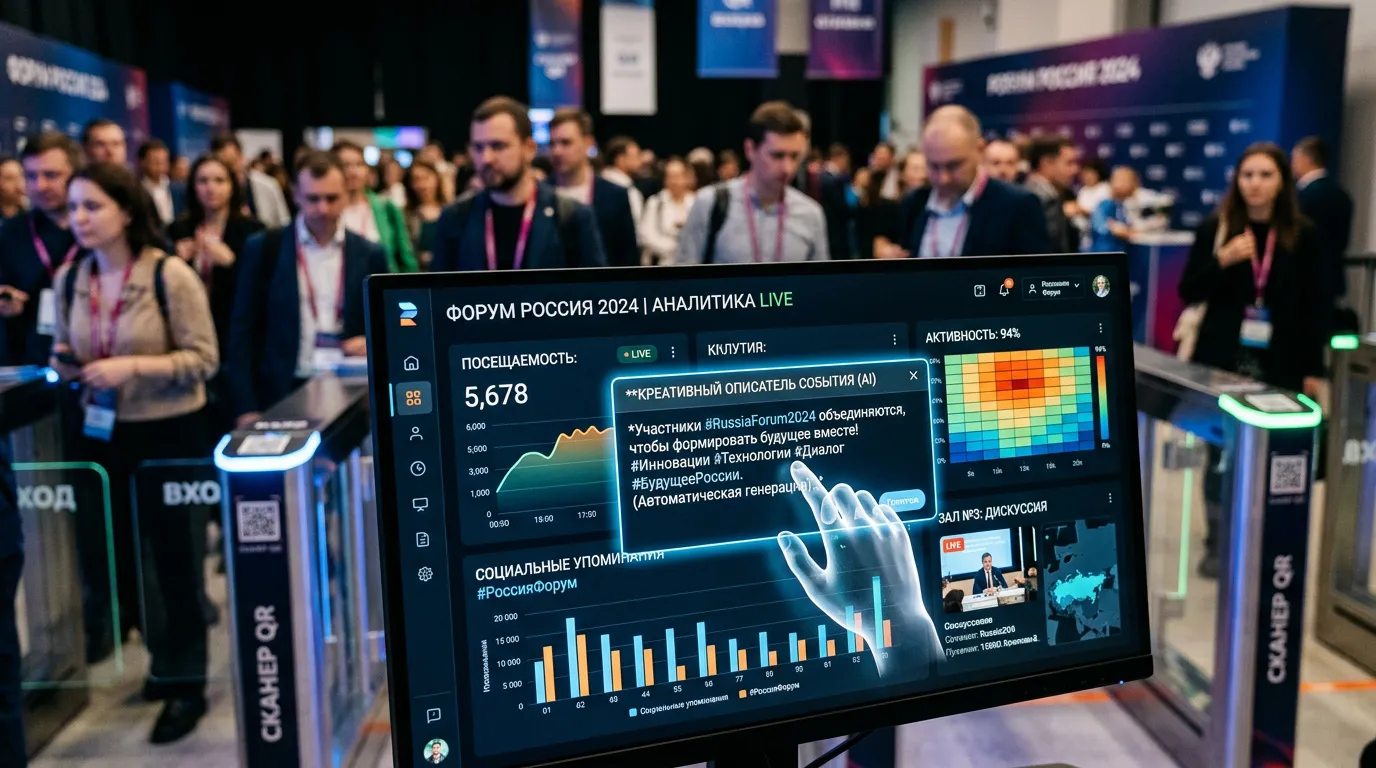
An embedded analytics module displays key event metrics on dashboards. Organizers can monitor hourly registration trends, gender distribution, participant cities and other relevant indicators. For corporate events, segmentation by company department is available.
Reports are generated automatically after the event concludes. The system analyzes participant feedback and proposes measures to refine future events. These insights can help optimize budgets and increase audience engagement over time.
A Domestic Platform With Enterprise Standards
RT-Tekhpriemka is part of Rostec and focuses on digital solutions for industry and public administration. The Freyma platform was developed in compliance with personal data protection requirements and import substitution standards in the public sector.

The solution has already completed pilot deployments in several Rostec divisions. Corporate event organizers reported a reduction in preparation time from three days to several hours. Teams also highlighted the ability to launch registrations independently, without relying on IT departments. Marketing and HR staff can now configure events directly, reducing bottlenecks and accelerating internal workflows.
What Comes Next
The development team plans to add speech recognition for voice-driven form creation and integration with videoconferencing systems, reflecting the growing hybrid format of events. A participant who registers for a webinar would automatically receive a connection link five minutes before the session begins.
Freyma illustrates how specialized neural networks developed in Russia are becoming practical tools for thousands of companies and institutions. The broader implication is that generative AI is moving from experimental pilots into everyday operational infrastructure.