Speech Under Control: Russia Launches Rapid Aphasia Test for Post-Stroke Patients
In Russia, a new mobile application enables rapid screening for aphasia – a speech disorder that often develops after stroke, traumatic brain injury and other forms of brain damage. Created by neurolinguists at the Center for Language and Brain at HSE University, the program can determine in just 5 to 10 minutes whether a patient has speech impairment and how severe it is.
Restoring Speech After Stroke
Each year, approximately 93.8 million people worldwide are living after a stroke. About one-third of these patients develop aphasia. The condition can partially or completely impair a person’s ability to speak, understand spoken language, read or write. For families, the change can be sudden and traumatic: one day a person communicates freely, the next they struggle to name everyday objects or construct a simple sentence.
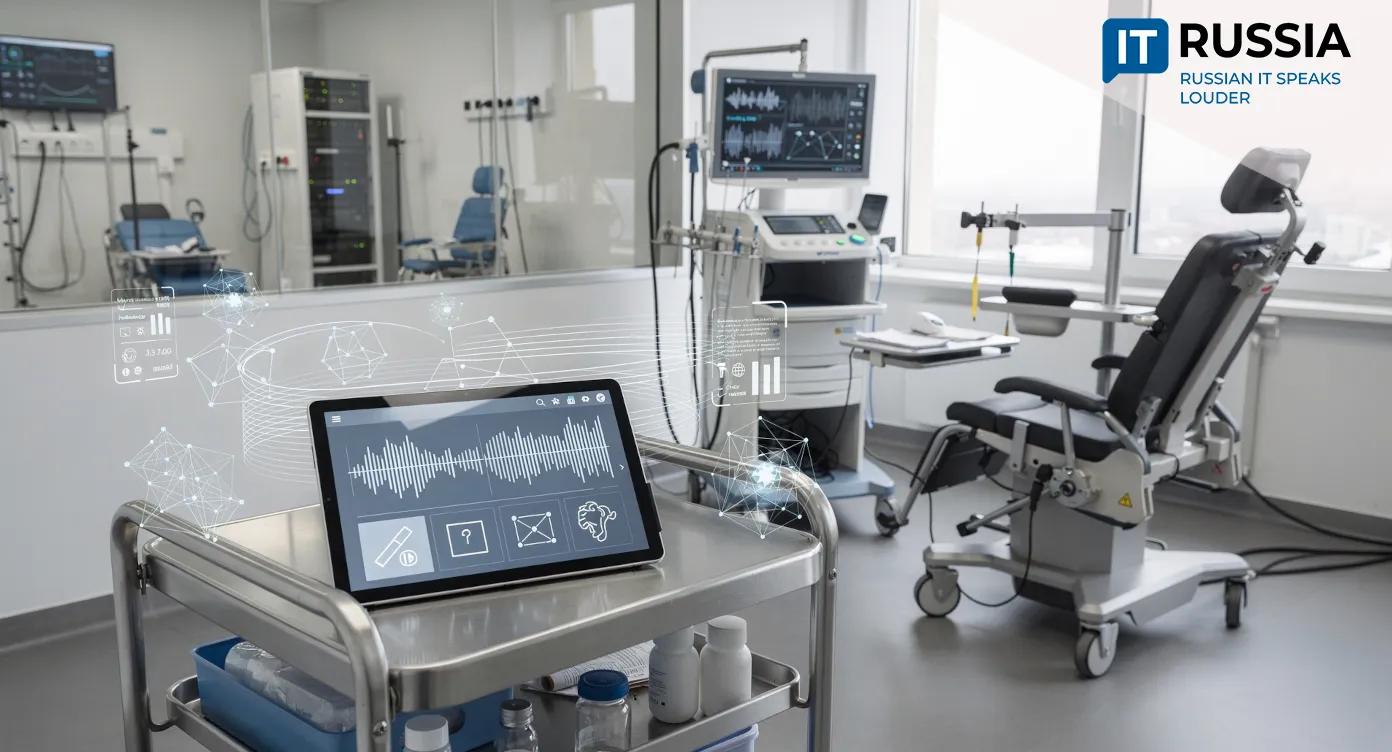
Until recently, comprehensive speech assessment required time and coordination among multiple specialists. Now, initial screening can be performed directly in a hospital, rehabilitation center or outpatient clinic. The Russian-developed application includes six tasks: following instructions of varying complexity, repeating words and sentences, naming objects and assessing articulation. At the end of the test, the patient receives a score from 0 to 26, reflecting the severity of impairment.
What Is Behind the Test
The app is based on the Bystriy Test na Afaziyu (Quick Aphasia Test), previously used in French and English. Russian researchers adapted it to account for the specific features of the Russian language, including word frequency, visual recognizability and stimulus complexity. The Russian version underwent standardization and validation on large groups of participants, both with and without speech impairments. For the first time, the procedure has been fully automated and made available in a mobile format.
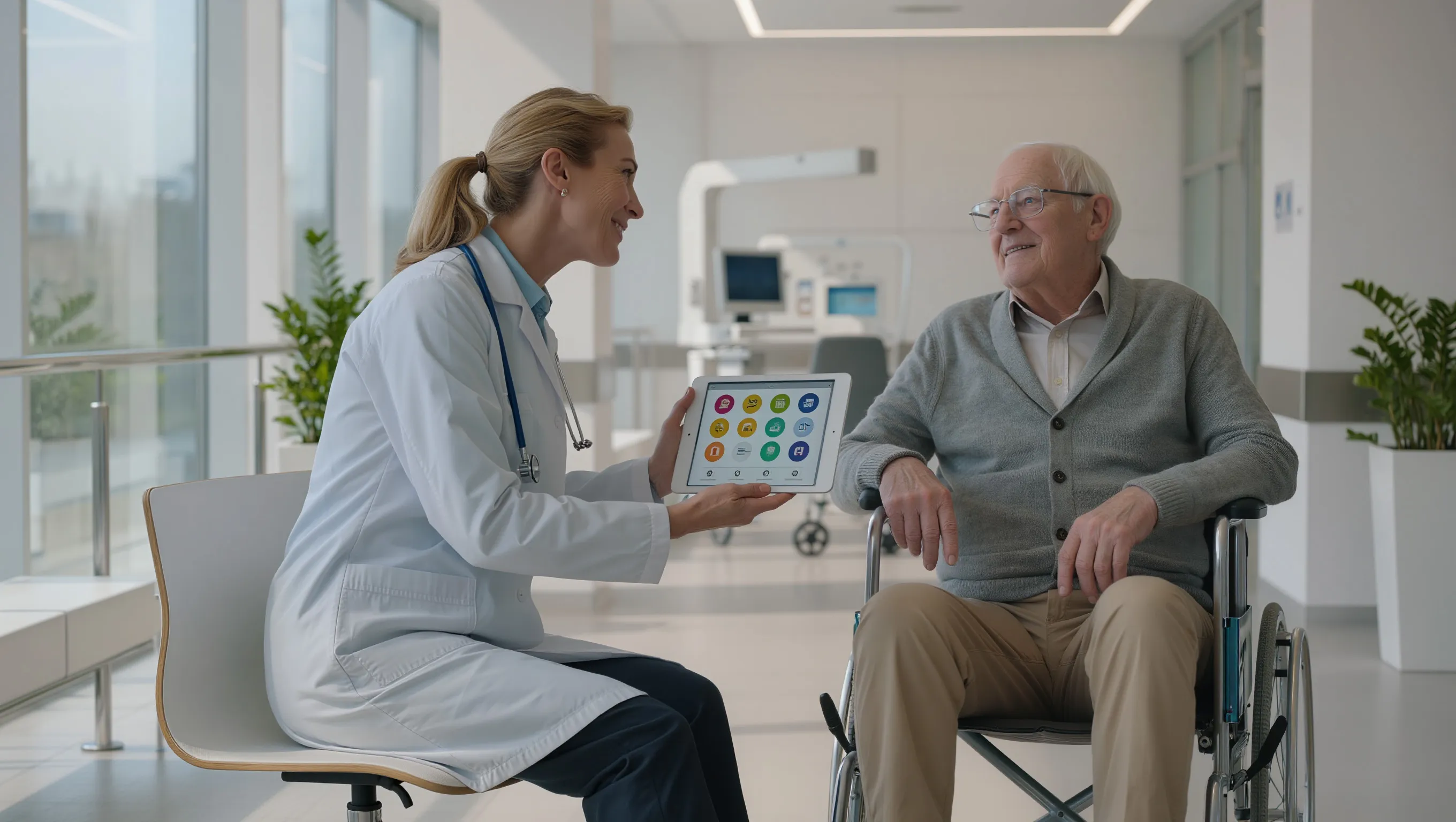
The program stores results and allows clinicians to track recovery dynamics over time. This capability is particularly important in long-term rehabilitation. Physicians can monitor how a patient’s condition evolves and adjust therapy plans accordingly to improve outcomes. When digital devices are unavailable, the test can also be administered in paper form.

How It Works in Practice
Consider a real-world scenario. A 62-year-old man experiences a stroke. Doctors save his life. He is conscious and can move his arm, but he struggles to speak. His relatives are unsure whether the confusion is temporary or indicates serious speech impairment.
A neurologist launches the test. The patient repeats words, names objects in pictures and follows instructions. Within minutes, the clinician receives a quantitative result indicating moderate aphasia. That finding signals that rehabilitation must begin immediately. A speech therapist and neuropsychologist are involved within the first days, and a structured recovery program is established.
If diagnosis were delayed by a week, critical recovery time could be lost. In stroke care, each day of rehabilitation affects long-term outcomes.
Implications for Healthcare Delivery
The project demonstrates how Russia integrates fundamental language research with applied medical needs. Neurolinguistics, psychology, clinical neurology and digital technologies converge in a tool that clinicians can download and use in daily practice.
For the healthcare system, the application streamlines patient triage. For physicians, it provides a standardized and transparent assessment instrument. For regional facilities, it enables access to modern diagnostic methodology even where large research centers are not present.
The digital format also creates opportunities for integration with electronic health records and telemedicine platforms. Data collected through the app can support more precise evaluation of treatment effectiveness and inform rehabilitation planning.
Impact on Patients and Families
For stroke survivors, restoring communication is central to regaining independence, employment and relationships. Speech is not merely language – it is autonomy.
Rapid diagnosis provides clarity. Patients and families understand what is happening and what steps must follow. Early rehabilitation significantly improves the likelihood of functional recovery. The ability to track measurable progress, even incremental improvements, can reinforce motivation and adherence to therapy.
Global Context and Future Development
Interest in digital neurology tools is growing worldwide. Data-driven speech analysis systems are advancing, and telemedicine continues to expand. The Russian application is grounded in international testing protocols, facilitating potential adaptation to other languages and healthcare systems.
Another future direction involves advanced analysis of accumulated anonymized data. Large datasets could support research and the development of more precise clinical recommendations.
In recent years, digital solutions have increasingly entered routine clinical practice. Russia is an active participant in this shift. The aphasia screening application illustrates how academic research and IT expertise can converge to deliver practical tools that improve patient care.