AI Will Water Your Houseplants
Students at Novosibirsk State Technical University NETI are working to automate the care of houseplants and seedlings.
Making Plant Care Easier
Life for houseplant enthusiasts in Russia may soon become much simpler and more enjoyable. Routine plant care tasks could be automated. That matters in a world where many people lack time to maintain indoor plants. As a result, flowers often die due to improper watering, insufficient light or unsuitable temperature conditions.
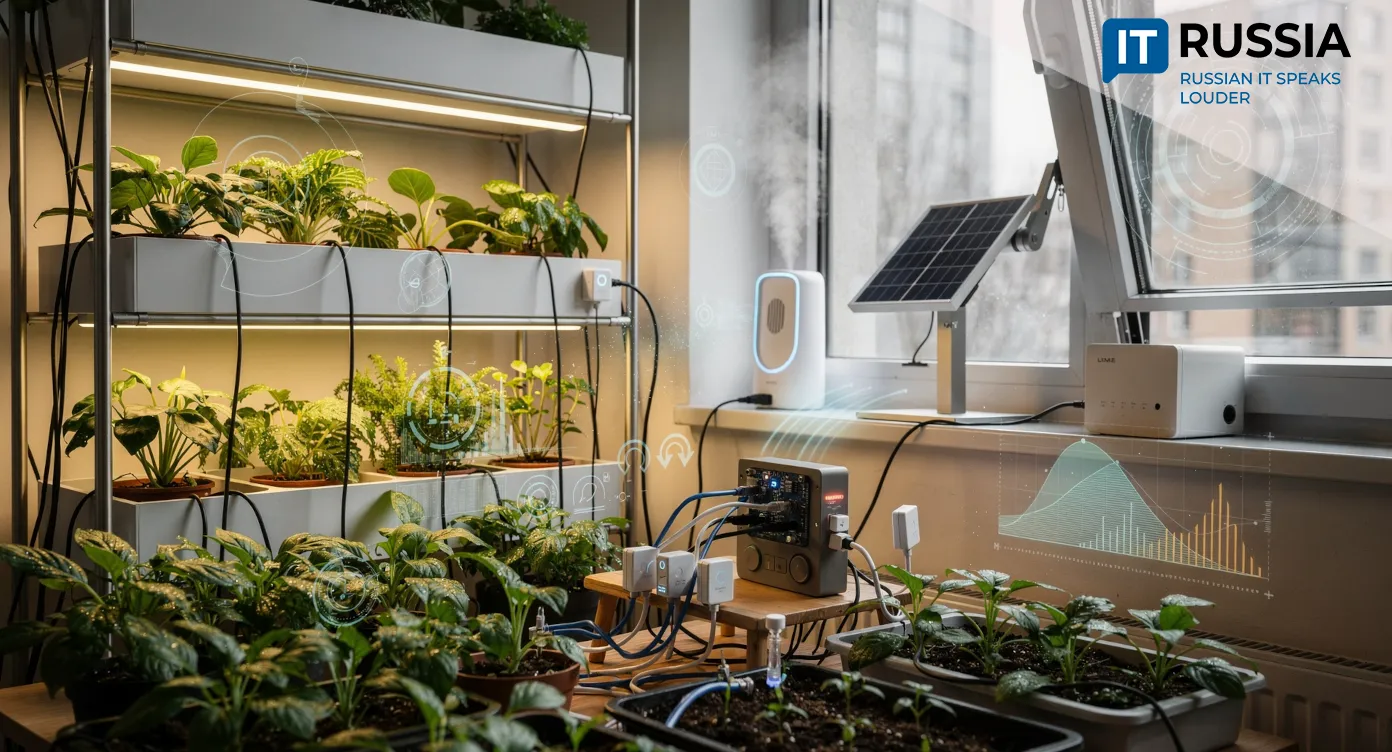
Students at Novosibirsk State Technical University NETI developed a system designed to monitor and maintain optimal growing conditions without constant human involvement. Using sensors and programmable algorithms, the system automatically controls key parameters, including soil moisture, lighting levels and air temperature. The software component is built on the Arduino platform. The device itself is a compact unit equipped with multiple sensors.
“The user sets the operating parameters. For example, watering can be triggered when soil moisture drops below 30%, ventilation when air humidity exceeds 70%, greenhouse lighting when it gets dark, and air heating if the temperature falls below 20 degrees. The user enters these values in the menu and configures the device for specific needs. Once the parameters are saved, the system operates automatically and does not require further human intervention,” said Ivan Yegunov, a student of the Mechatronics and Automation Department at Novosibirsk State Technical University NETI.
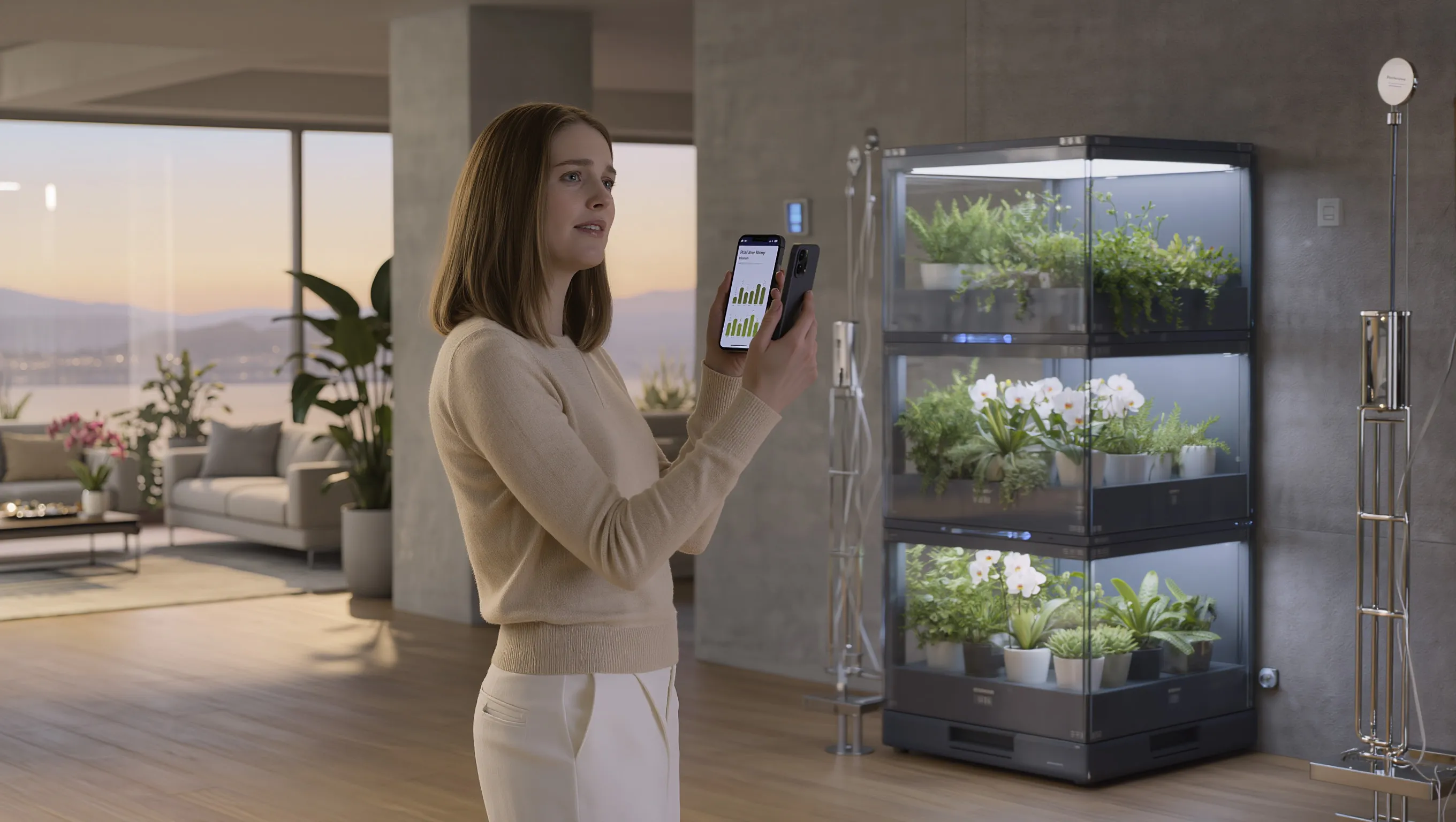
A Digital Stage for Urban Gardening
The platform’s capabilities can be expanded by connecting additional equipment, such as a humidifier, heater, window-opening actuator or supplemental light source. In that configuration, the system can create near-ideal conditions for indoor plant care.


A working prototype has already been built and is undergoing real-world testing and refinement. The new system can also be integrated with another student-developed product – a solar-powered phytolamp for indoor plants. Designed for urban residents engaged in home gardening, the device provides up to 25 hours of continuous operation on a full charge.
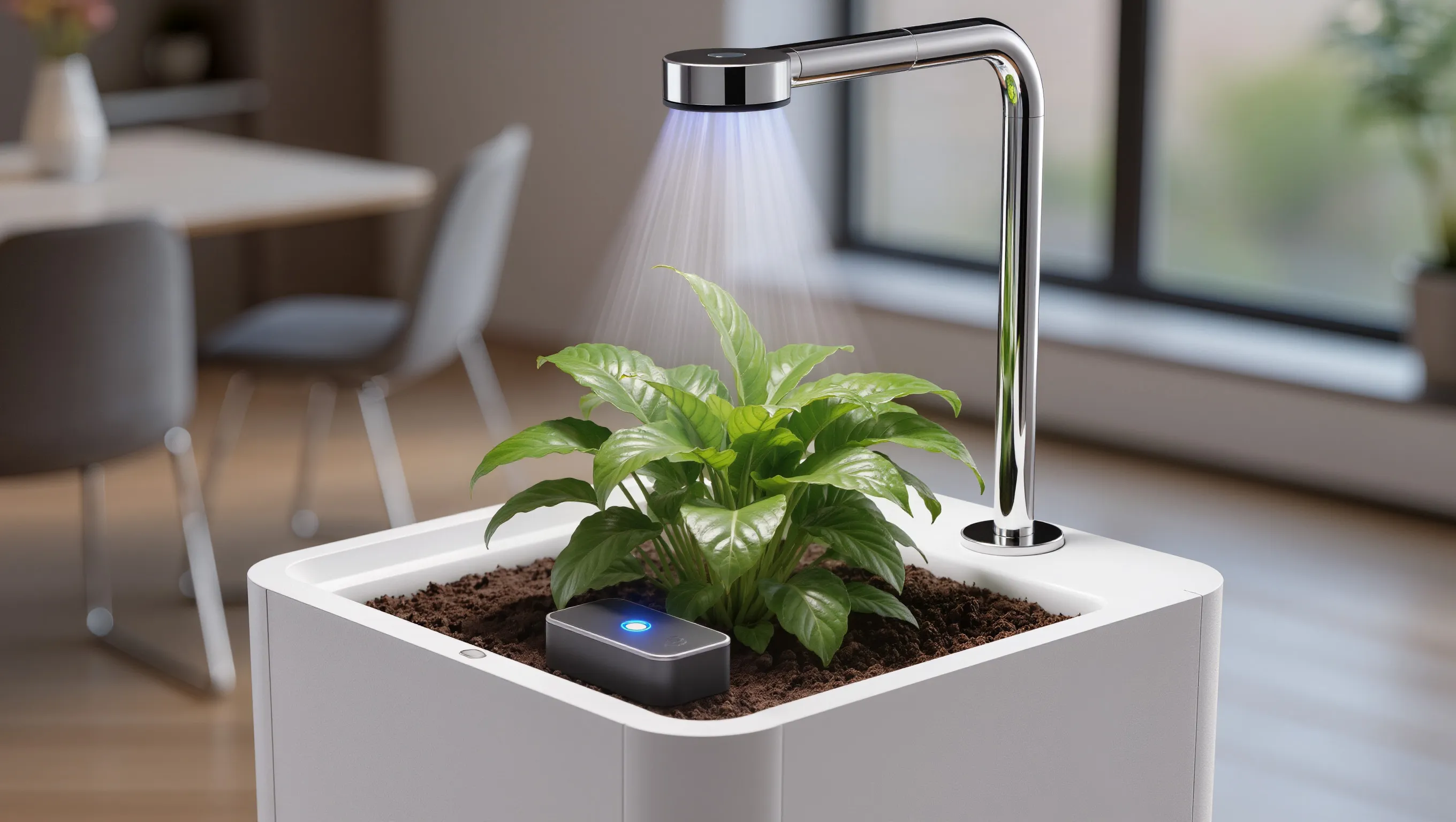
“We decided to create a phytolamp powered by solar energy. The panel stores energy and converts it into light to illuminate plants during nighttime or cloudy weather. The lamp features a durable, lightweight polypropylene frame, so there is no need to figure out how to mount it. The light source can be installed anywhere – in an apartment, on a balcony or in a greenhouse,” said Gleb Tuzov, a student at the Mechatronics and Automation Department.
Smart Home Meets Smart Plants
The hardware and software system for monitoring and caring for houseplants has become especially relevant amid growing interest in home gardening and the desire to improve quality of life by surrounding living spaces with greenery. Modern technology makes plant care accessible even to people without prior experience. A system that automatically manages watering and lighting significantly simplifies the process and increases the likelihood that plants will survive.
Digital technology could help move urban horticulture in Russia to a new stage of development. Integration with other IoT solutions enables the creation of convenient ecosystems that expand the growing segment of consumer automation systems, including smart home platforms with domestic controllers and connected housing ecosystems. Such technologies are likely to appeal to city residents for whom plant cultivation is an important hobby.
Their development could stimulate domestic production of automated home greenhouses and plant care systems, as well as components such as moisture, light and temperature sensors, automated phytolamps and mobile applications for parameter monitoring.
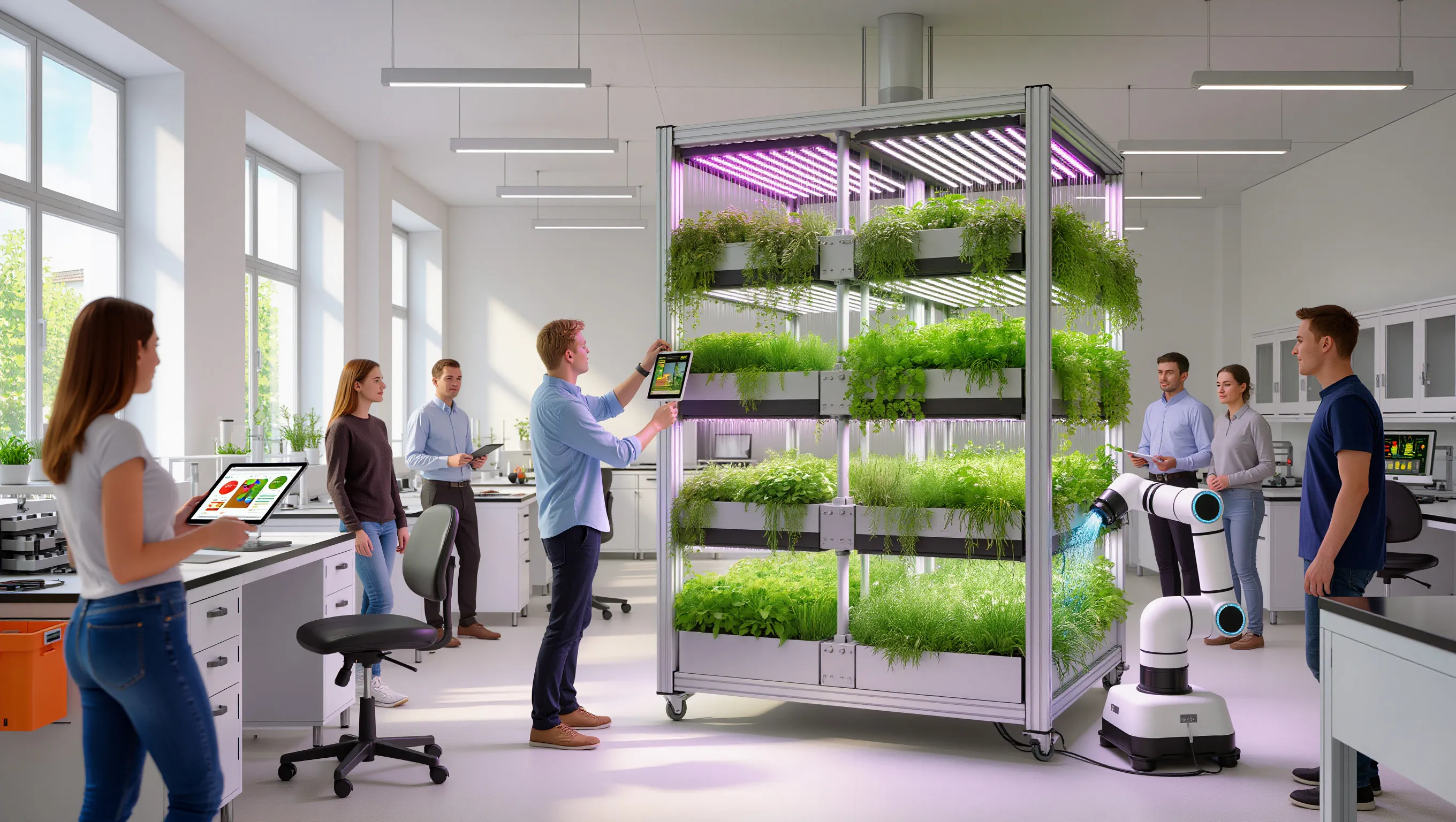
In addition, plant-care automation could become part of IoT solutions for indoor urban agriculture.
Looking ahead, ready-to-use IoT solutions for houseplant care may find demand in international markets, particularly in countries with extremely cold or very hot climates, where indoor cultivation is widespread.