

Taste of Siberia: Omsk Region Launches a Digital Map of Chaldon Cuisine
Vkusnaya karta Omskoy oblasti (Tasty Map of the Omsk Region), a new virtual guide, brings together 32 authentic dishes – one from each municipal district. The project introduces travelers to the culinary traditions of the Chaldony, descendants of the first Russian settlers in Siberia, and turns local food heritage into a digital tourism tool.
Chaldony – Guardians of Siberian Food Culture
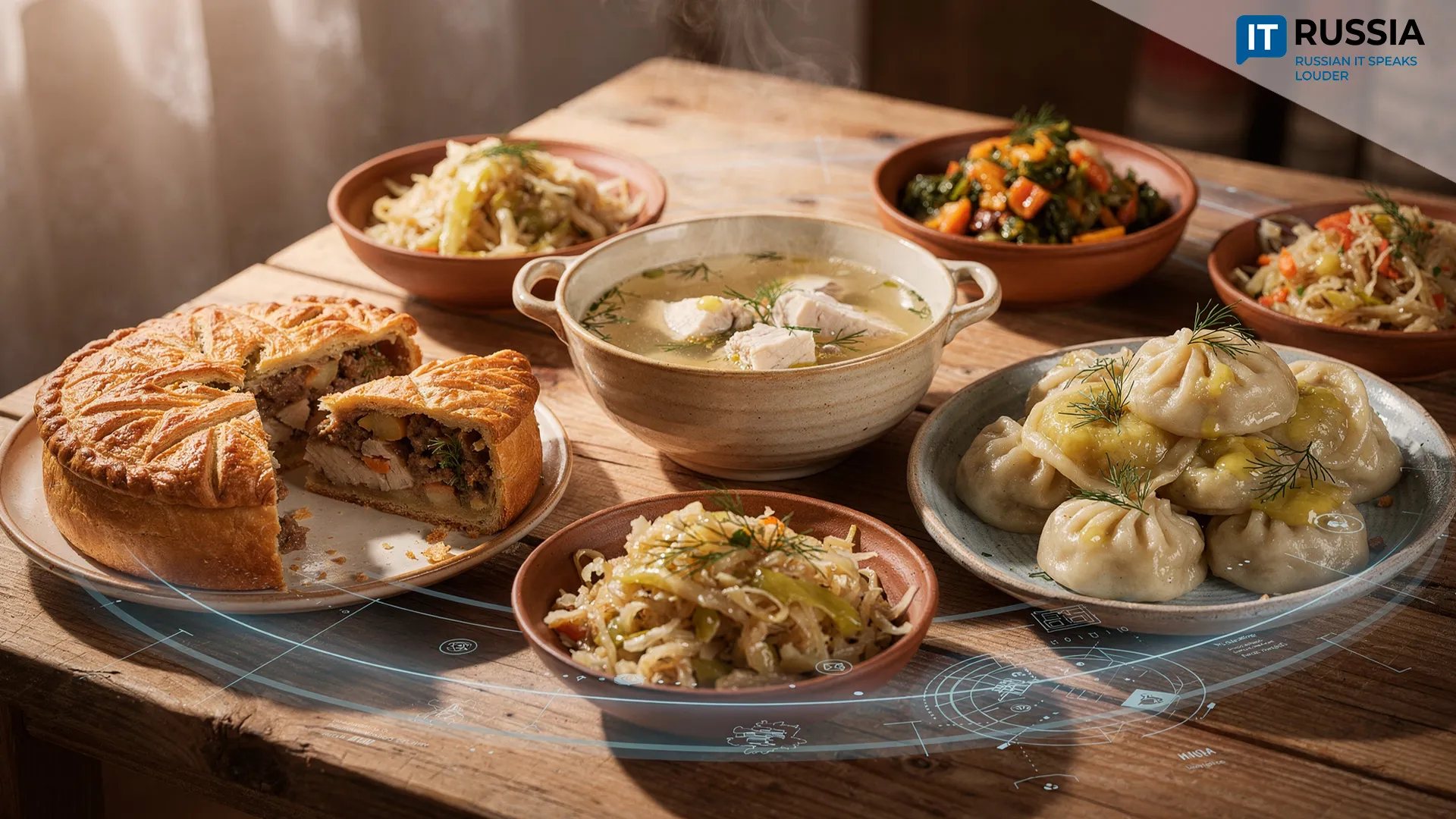
The Chaldony are descendants of early Russian settlers who moved into Siberia between the 16th and 18th centuries. Their culture took shape under harsh climatic conditions, where every crumb of bread mattered. Working with basic ingredients – rye flour, cabbage, potatoes, game and river fish – they developed a distinct culinary tradition that has survived for centuries.
The central rule of Chaldon cooking is conservation. Fish heads and tails were used for ukha called vzmyot – a rich broth, leftover dough became shishki (conelets) – boiled dumplings with filling, and fermented dough formed the base for chaldonskiye bliny (Chaldon-style yeast pancakes). These dishes reflect a Siberian mindset defined by practicality, thrift and the ability to create nourishing meals from whatever was available.
Thirty-Two Districts, Thirty-Two Dishes
The digital map spans all 32 municipal districts of the Omsk Region – from Tarsky in the north to Pavlogradsky in the south. In each district, ethnographers and chefs identified a signature dish preserved in family recipes. In Kolosovsky, it is Omsk kulebyaka (a traditional layered fish pie) with fish and rice. In Sherbakulsky, it is chaldonskiye shchi – cabbage soup prepared with a fizz base. In Nazyvaevsky, it is vareniki s tvorogom po-sibirski – Siberian-style dumplings with cottage cheese and added potatoes.
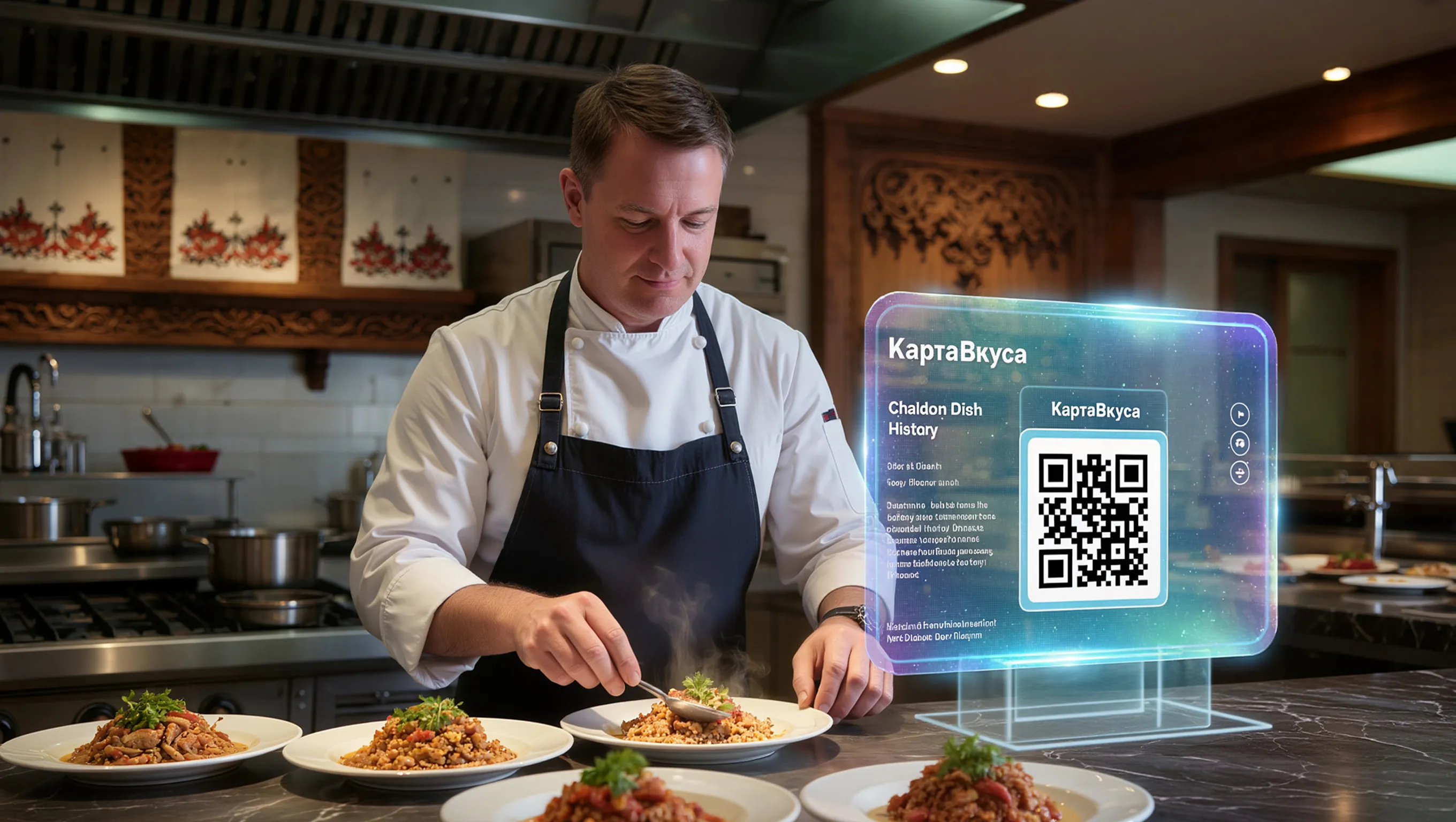
Each guide entry includes a photograph, origin story, ingredient list and addresses of establishments where visitors can try the dish. For travelers unfamiliar with regional terminology, explanations clarify that shishki are boiled dumplings and vzmyot refers to a slow-simmered fish soup with pieces floating at the surface.

Expedition TESTYversary
The project forms part of Bolshoe puteshestvie VKUSletie (TESTYversary Journey), an initiative launched by the Ministry of Culture of the Omsk Region. A team of five ethnographers and three restaurant chefs spent three weeks in northern districts – Tarsky, Ust-Ishimsky and Krutinsky – visiting local homes, recording elders’ memories and filming cooking processes.


Particularly valuable are recipes transmitted orally across generations. For example, chaldonsky pirog s krapivoy – a nettle pie – was prepared in spring when other vegetables were scarce. Ukha po-tarski was made from nelma and muksun caught in the Irtysh River. These practices have now been digitized and made publicly accessible.
From Screen to Table
The virtual guide is available on the website of the Omsk Region Ministry of Tourism and in the Omsk Tourist mobile app. Users can select a district on an interactive map, explore a dish’s description and locate nearby cafés or restaurants that serve it. In Kalachinsk, visitors can try local cuisine at the café Sibirsky dvorik. In Tyukalinsk, at the restaurant Irtysh. In Omsk city, at the gastropub Chaldon.

For home cooks, the guide provides simplified recipes using accessible ingredients. Nelma can be replaced with pike-perch for fish soup, and fermented cabbage bases can be recreated with fresh cabbage and rye croutons to add a slightly sour taste. This adaptation makes traditional Siberian cuisine more accessible to urban residents.
The digital guide is complemented by in-person events. Monthly chaldonskiye chaepitiya – tea gatherings with food tastings, folk songs and storytelling – take place in Omsk. In summer, Tara hosts the festival Sibirskaya trapeza (Siberian Feast), where chefs compete in preparing traditional dishes.
Gastronomy as Regional Infrastructure
The initiative addresses a long-standing challenge: attracting visitors to small towns and rural areas of the Omsk Region. Previously, travelers often passed through Omsk without stopping. Now they have incentives to remain in Tara to taste ukha po-tarski or visit Sherbakulsky for chaldonskiye shchi.
Restaurants and cafés featured on the map report a 20 to 30 percent increase in visitor traffic, particularly on weekends when families from Omsk travel for culinary excursions. For local entrepreneurs, this translates into additional income. For visitors, it offers an opportunity to experience Siberia beyond the metropolitan center.
For Those Who Value Flavor
Developers are preparing a printed version of the map – a booklet with dish photography and suggested travel routes. It will be distributed in hotels, tourist information centers and railway stations across the region. The print edition is intended for older travelers and those who do not rely on smartphones.
Vkusnaya karta serves as a bridge between past and future. Traditional recipes preserved through digital tools become a foundation for developing tourism in Siberia’s rural communities. Russia’s cultural richness extends beyond architecture and landscapes to culinary diversity – from Caucasian shashlik to Siberian chaldonskiye shchi. The Omsk Region now offers travelers a structured way to experience that diversity firsthand.