Russian Firm Unveils All-in-One Autonomous Video Monitoring System for Remote Sites
A Russian surveillance manufacturer has introduced a compact IoT-based video monitoring system designed for commercial fleets, special equipment and remote industrial assets. By integrating recording, storage, connectivity and AI analytics into a single device, the solution aims to reduce deployment costs while simplifying security architecture for distributed operations.
Streamlining Video Monitoring for Remote Fleets
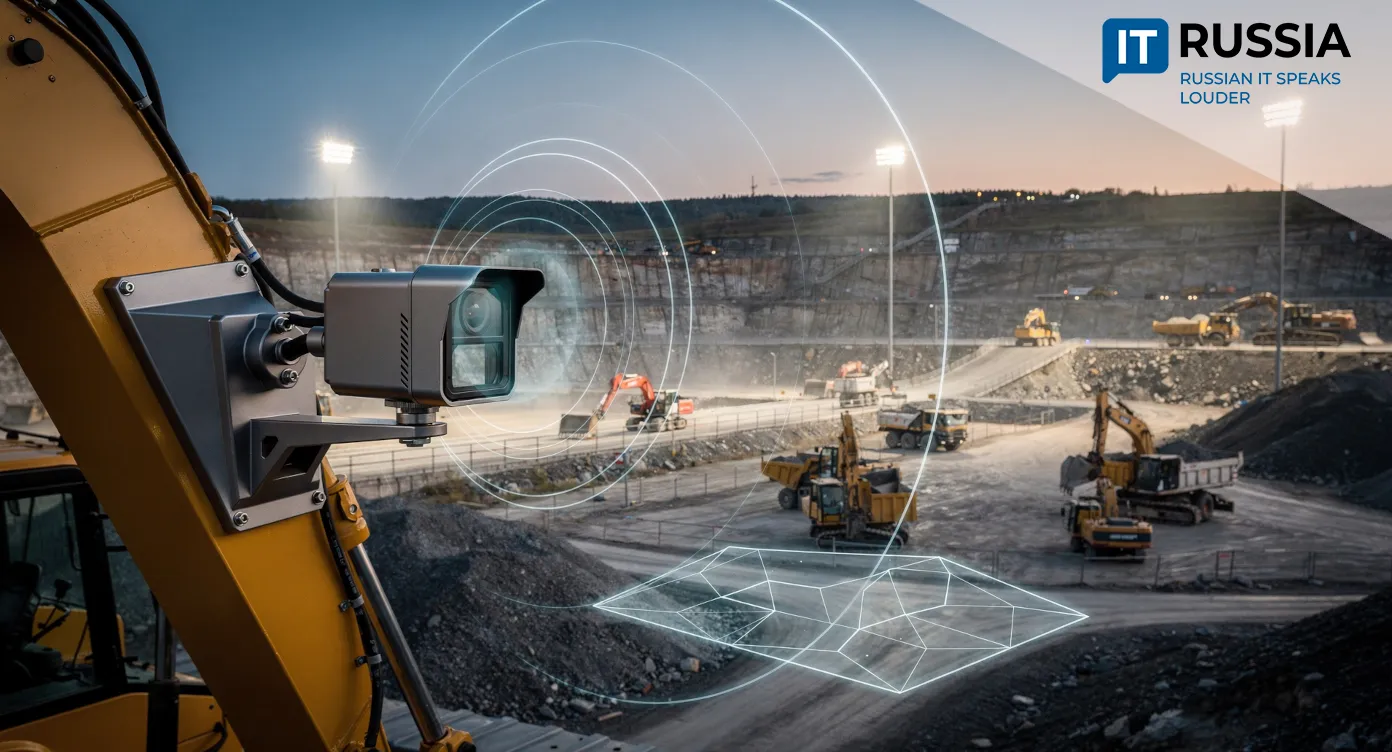
NSCAR, a Russian developer of video surveillance systems for public transport, driver training vehicles and special equipment, has launched a new digital video monitoring solution, the IoT-based NS63. The device targets special machinery, commercial vehicles and remote assets where traditional wired surveillance systems are difficult to deploy. It performs video monitoring without requiring a separate recorder. Testing has been completed and the product is already commercially available.
The system is designed to optimize monitoring in environments where installing conventional wired CCTV is either technically challenging or financially inefficient. Previously, equipping trucks with video surveillance required multiple steps, including installing a video recorder, laying cable routes and connecting external modems. For owners of rental equipment, construction machinery or vehicles operating in quarries or logging sites, this architecture introduced additional hardware nodes that could reduce reliability and increase maintenance complexity.
NSCAR has simplified deployment by introducing an all-in-one architecture in which a single device integrates video capture, onboard data storage and signal transmission. The NS63 records video, stores data locally and transmits signals via 4G or Wi-Fi. It also includes built-in AI analytics capable of automatically detecting motion and sending alerts, reducing the need for continuous manual supervision.
Built for Harsh and Off-Grid Conditions
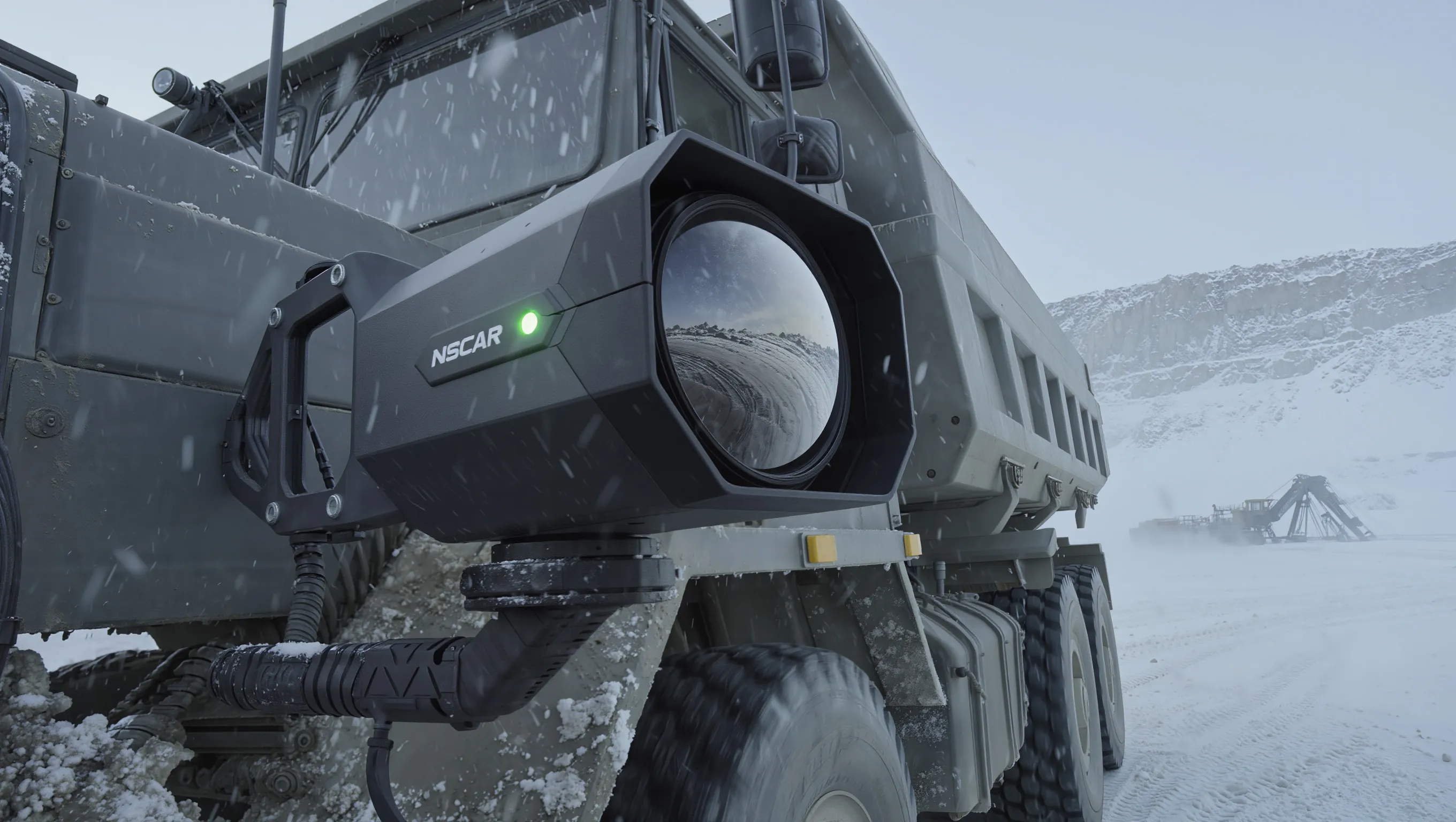
The NS63 operates as an independent network node. Its 4G and Wi-Fi modules are embedded directly into the camera housing. That design allows fleet operators to conduct real-time monitoring and retrieve archived footage without installing server hardware inside the vehicle. Integrated AI analytics further automate security oversight by detecting movement and notifying dispatchers, a capability that can help protect equipment parked at unsecured locations.


To withstand harsh weather and aggressive industrial environments, the device is enclosed in a metal housing rated IP67. According to company representatives, enterprises are increasingly seeking simplified onboard system architectures. Operators need immediate access to information, while installation must be fast enough to prevent costly vehicle downtime.
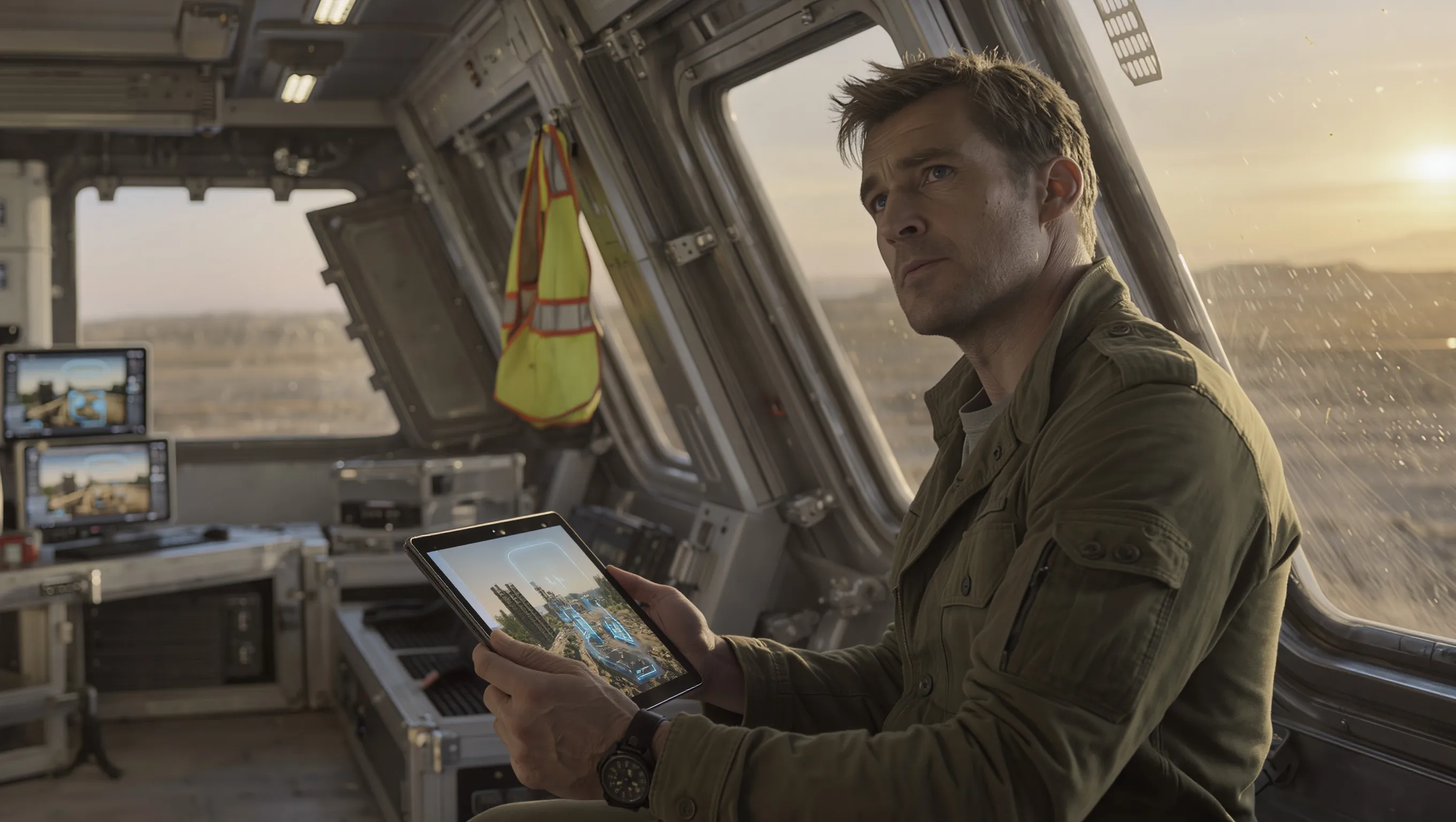
By reducing the number of components in the surveillance chain, the system decreases potential failure points. For asset owners, monitoring remote infrastructure becomes more transparent and more cost-effective.
Smaller Hardware, Broader Capabilities
Development of solutions like the NS63 reflects the ongoing digitalization of transport infrastructure and the growing technical maturity of Russian IT engineering. Creating a compact surveillance system for off-grid environments contributes to advances in mobile security and distributed asset management. Intelligent systems capable of operating outside urban infrastructure are increasingly in demand, particularly among transport and construction enterprises.
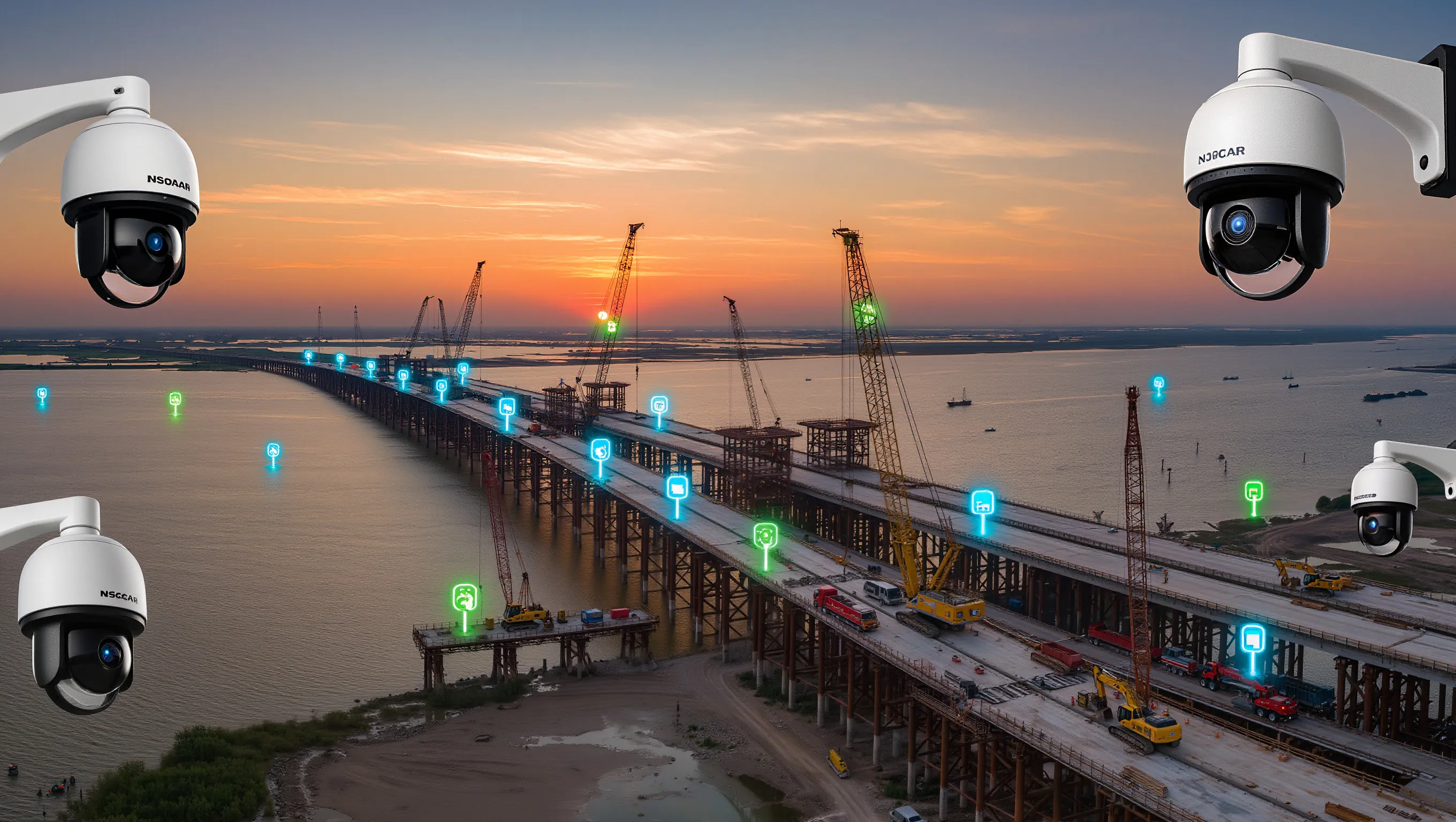
The digital architecture removes technical barriers to monitoring conditions at remote sites and moves operational workflows into fully digital environments. NSCAR’s autonomous system aligns with a global shift from heavy, infrastructure-intensive surveillance deployments to compact, intelligent IoT devices. For expansion into markets with developing infrastructure, including parts of Africa and Asia, the solution would need to be adapted to local connectivity standards and data protection regulations.