Who Said “Meow”? Schoolchildren in Zaraysk Try On the Role of Veterinarians
In Zaraysk, students were invited to treat virtual animals inside a digital environment. Veterinary specialists arrived not only with standard medical equipment, but also with VR headsets and 3D simulators, turning career guidance into hands-on immersion.
Through VR Goggles and Into a Vet Clinic
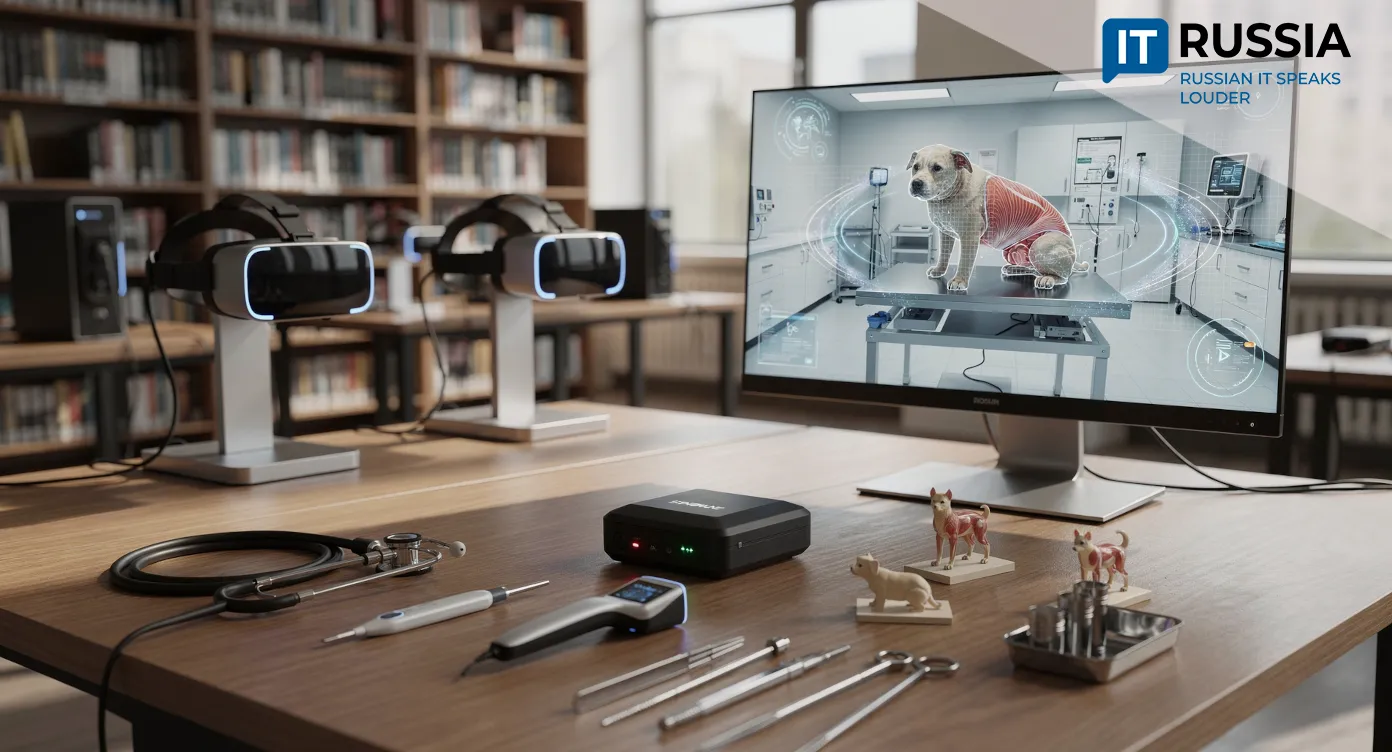
Does the term “career guidance” sound dull? At the Central Library of Zaraysk, organizers found a way to turn it into an interactive quest. Specialists from Territorialnoye veterinarnoye upravleniye No. 5 (Territorial Veterinary Administration No. 5) showed children that working as an animal doctor is not just about compassion. It also involves complex diagnostic tools, advanced equipment and virtual reality technologies.
The session began with fundamentals: where veterinarians study, which personal qualities matter and what professional challenges they may face. Then the experience shifted from theory to practice. Professional instruments appeared on the tables, from standard thermometers to specialized devices. Students received detailed explanations of how each tool works and why it matters in clinical decision-making.
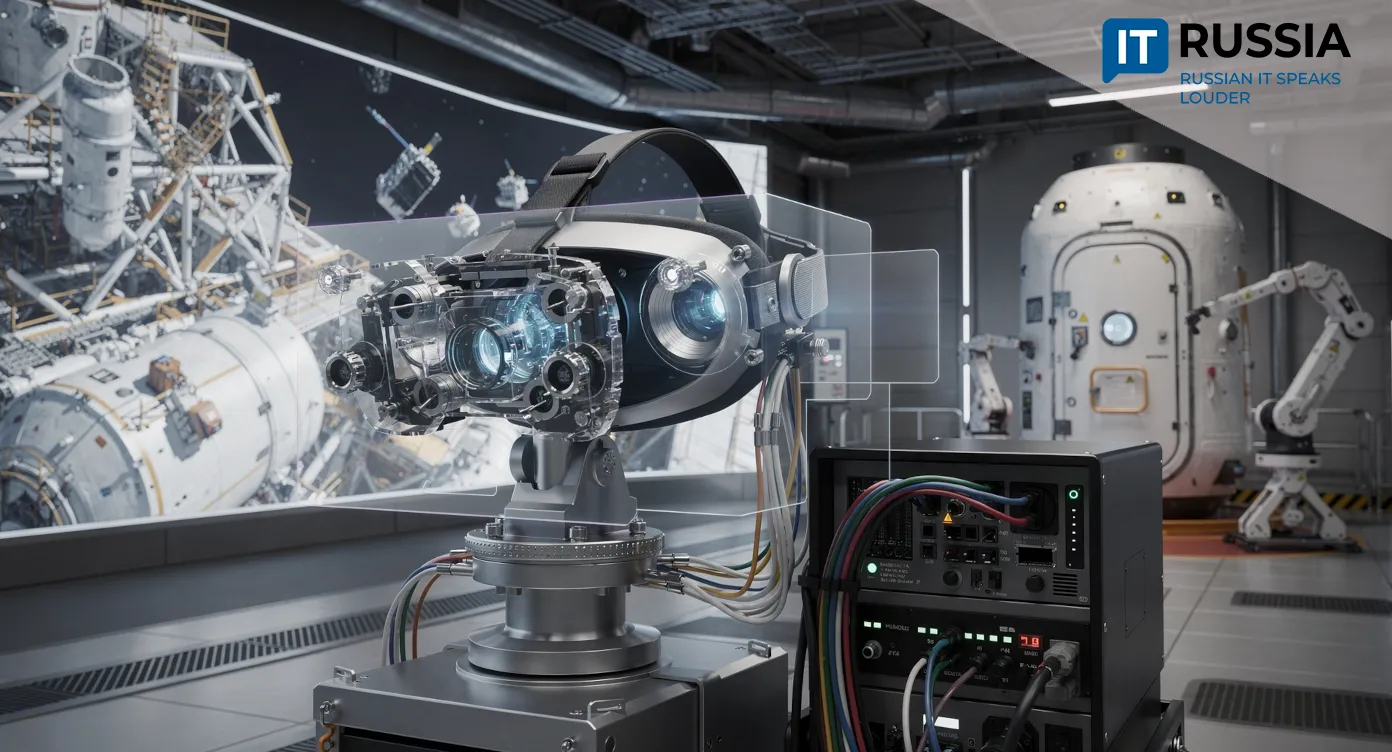
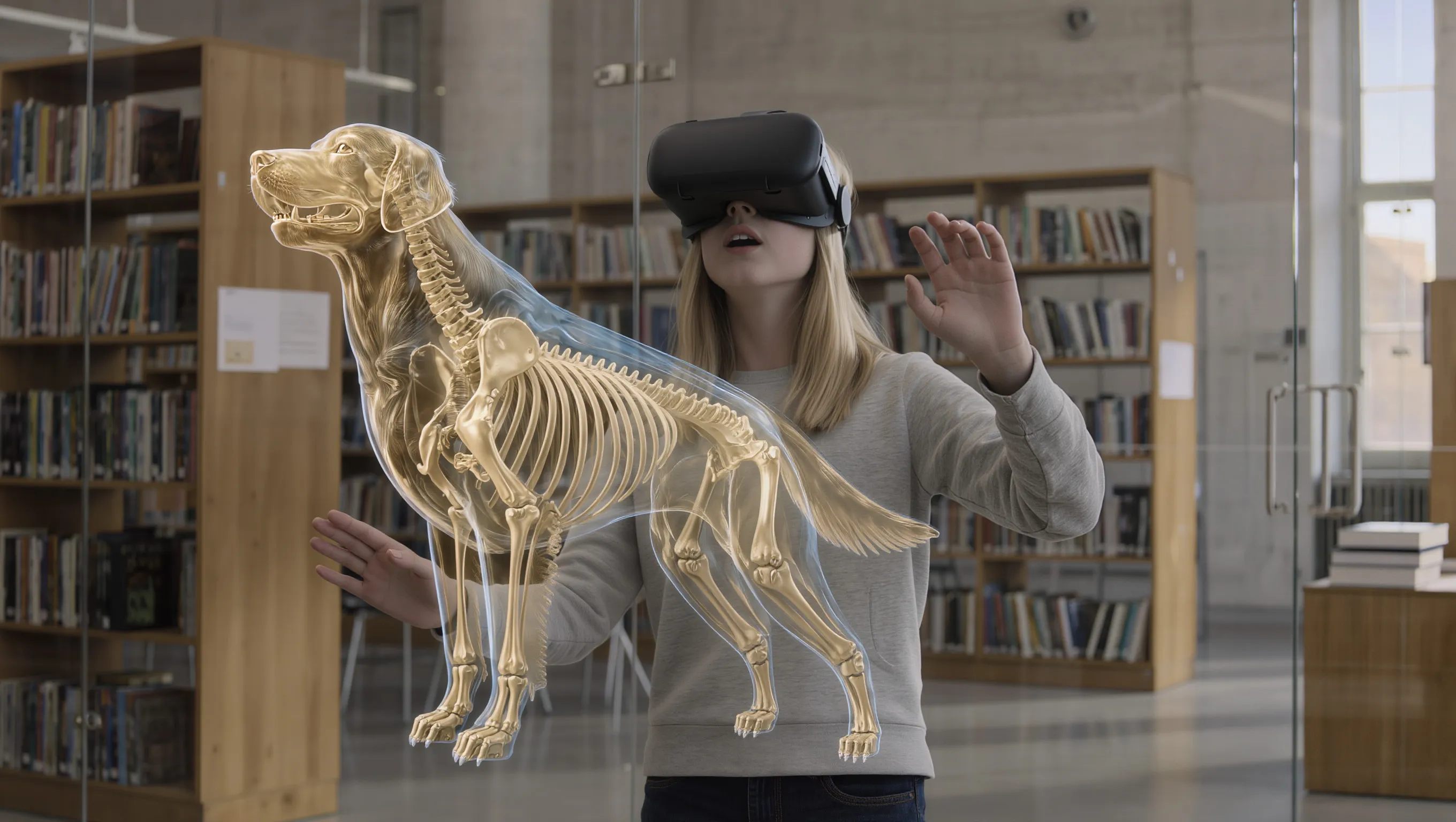
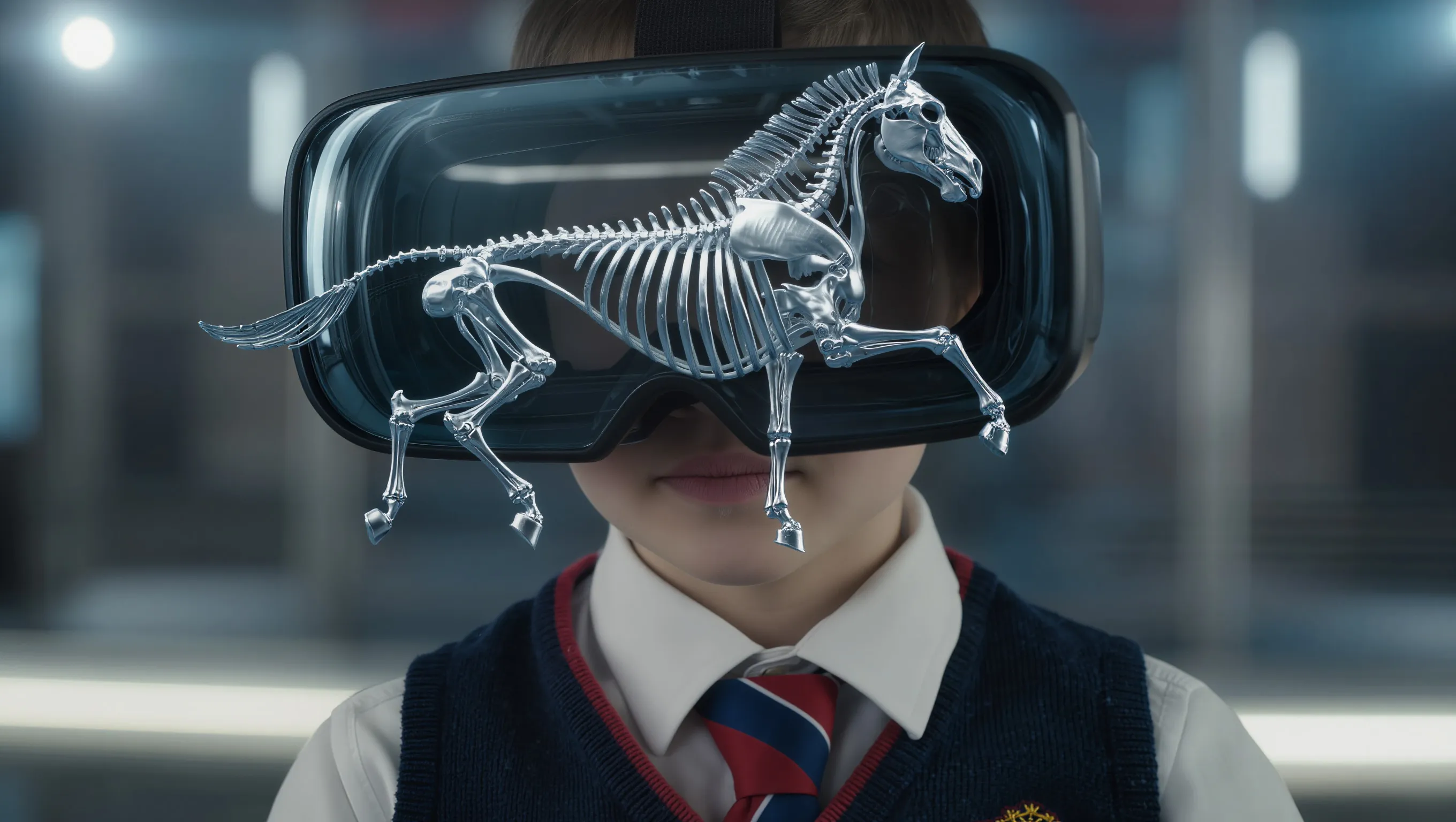
The turning point came when students put on 3D headsets. Virtual reality allowed them to step into the role of a veterinarian. They examined a patient, conducted diagnostics and performed initial clinical procedures. Everything mirrored real-life practice, but inside a safe digital environment.
After that immersion, questions poured in. Students asked about humorous incidents and difficult professional moments. What is the hardest part of the job? What is the most rewarding? And how does someone take their first steps into the profession?
A Digital Training Ground
Virtual reality has moved far beyond the status of a flashy gadget. Today it functions as a practical tool that enables experiences that would be impossible or too risky in real life.


Consider medical training. How can an instructor demonstrate a complex surgery without putting a patient at risk? How can a future veterinarian study anatomy without access to a live animal? In a virtual environment, these barriers disappear. VR and 3D simulators recreate professional scenarios, from routine examinations to life-saving surgical procedures. Students can repeat actions, learn from mistakes and build muscle memory without causing harm.
Digitalization in Russia has progressed to the point where virtual laboratories may soon become as commonplace as classroom whiteboards. If that trajectory continues, domestically developed educational platforms could also find export markets abroad.
From Bilet v budushcheye to Global Operating Rooms
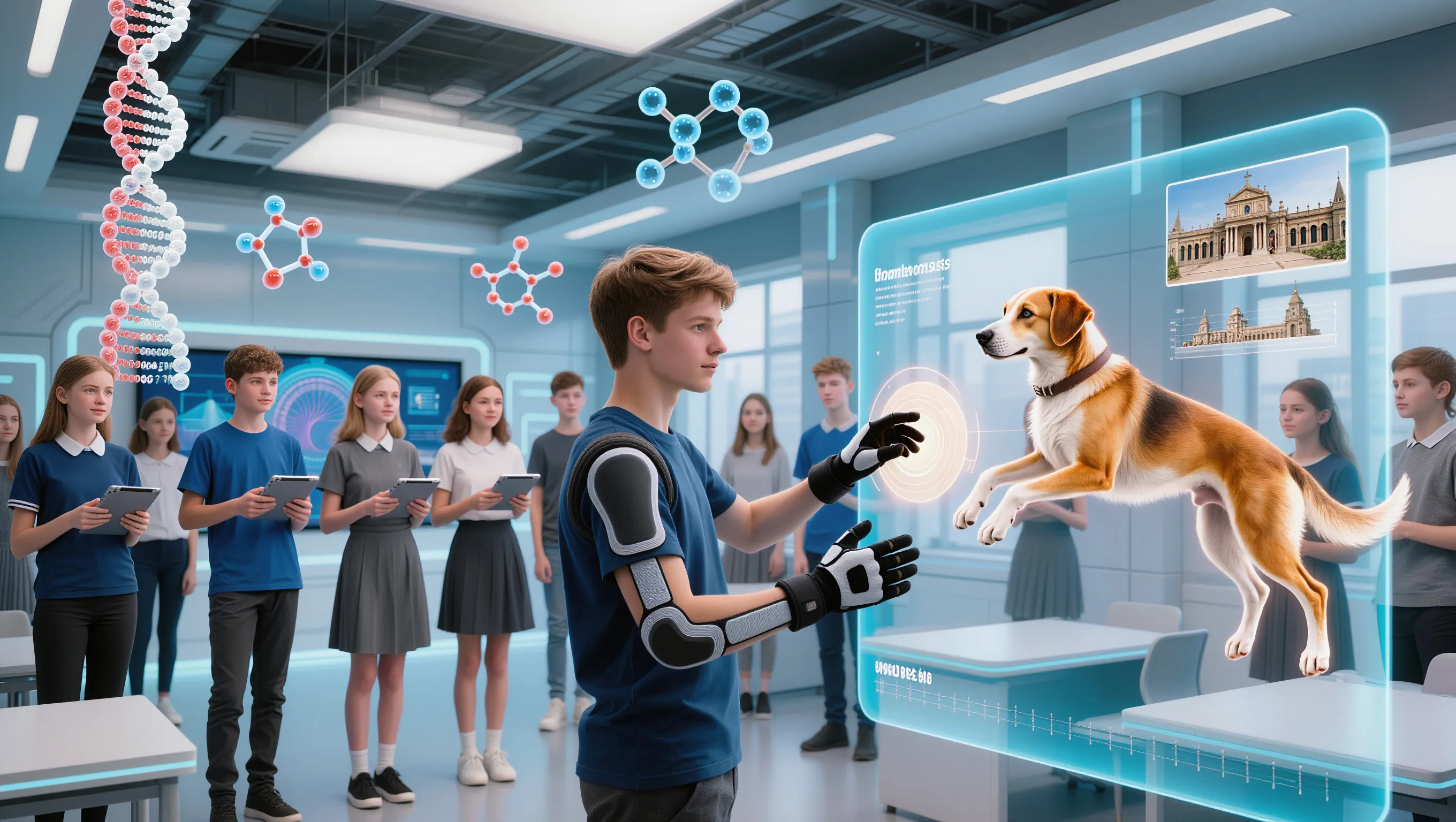
Russia has accumulated multiple examples in recent years showing how technology and education can reinforce one another. One of them is Bilet v budushcheye (Ticket to the Future), a nationwide, free career navigation project for schoolchildren. By 2025, more than 8.5 million teenagers across the country had participated, gaining early exposure to emerging professions and developing practical skills.
Students involved in such programs are already experimenting with 3D modeling, creating objects they previously only read about. Others work with 3D printing technologies, including metal powders and biomaterials. This is not a traditional shop class. It is an introduction to engineering ecosystems and applied research environments.
“Modern labor market demands are not always fully understood by schoolchildren, or they are known only through stereotypes that no longer reflect reality. A project like Bilet v budushcheye offers broad opportunities for early career orientation because it opens students’ eyes to professions that are truly in demand,” said Dmitry Glushko, former First Deputy Minister of Education of the Russian Federation.
Medical universities in the United States and Europe also use VR to teach anatomy and conduct virtual surgeries. The scalpel is digital, the patient is a simulator and the skills are real. Russia is moving in line with global trends and, in some cases, extending these technologies to secondary school students earlier in the educational pathway.
From Zaraysk, With a Love for Science
The event in Zaraysk may seem small, but it signals a broader shift. Technology can make learning tangible. If such practices scale, schools and universities could replace passive laboratory exercises with immersive virtual practicums. Students would be able to explore professions without leaving the classroom. Russian IT companies, in turn, could build platforms that eventually compete in global markets.
Yet the core impact goes beyond the hardware. When a student puts on a VR headset and understands how systems function, curiosity follows. Curiosity drives deeper engagement with science, technology, engineering and mathematics. These STEM disciplines power modern economies. Cultivating a generation unafraid of complex problems may be the most strategic investment of all.