Kuban Sets Records as Smart Gas Networks Reshape Russia’s Utilities Sector
The number of intelligent gas metering devices in the gas supply system of Russia’s Krasnodar region increased 2.5 times in 2025. Representatives of MTS, whose ecosystem provides the data exchange infrastructure for smart devices, say the surge reflects a broader shift toward digitally managed utility networks.
Digital Breakthrough in Gas Supply – From Kuban to the Federal Level
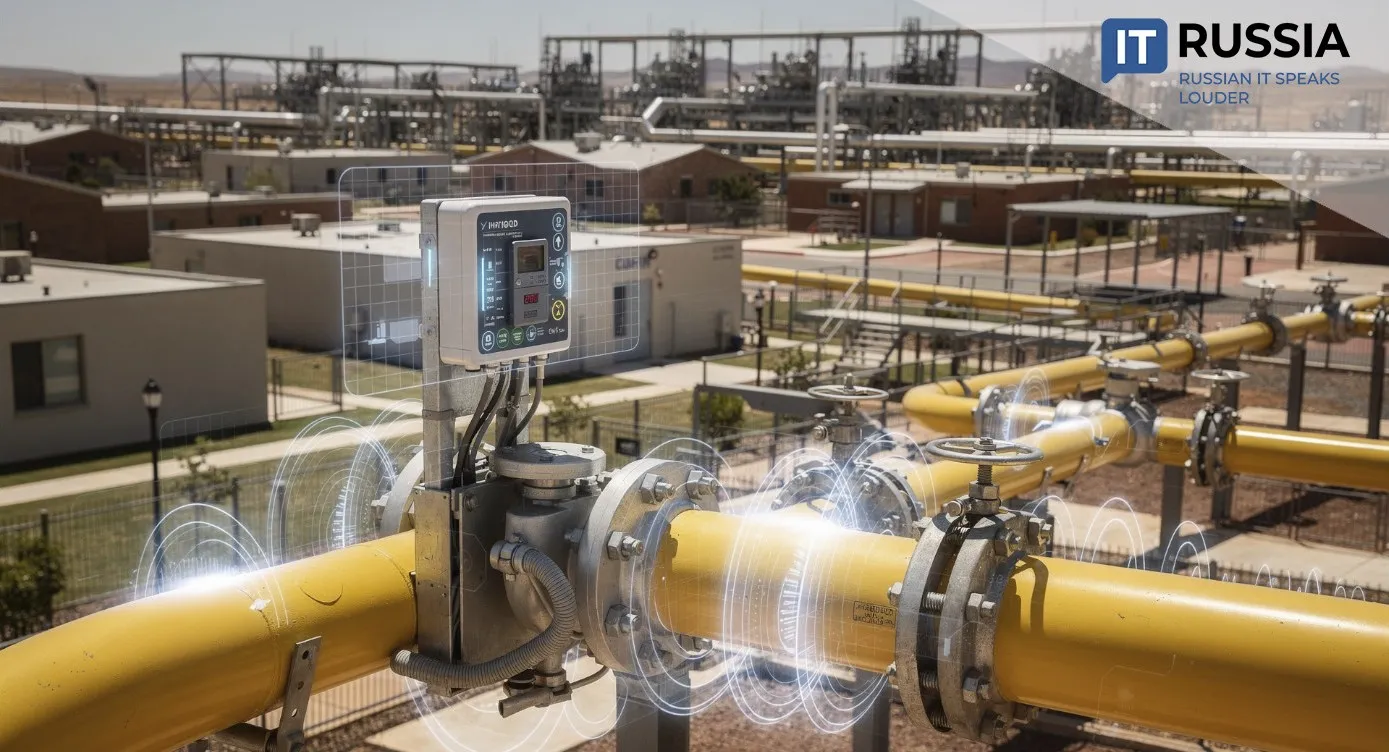
The largest share of IoT devices today is deployed in power supply and housing and utilities, but gas distribution is showing the fastest growth rates. This expansion is part of Gazprom Mezhregiongaz’s STM100 program, which aims to achieve full “smart metering” coverage across all of the company’s networks by 2030. Real-time telemetry technologies allow operators to monitor supply parameters, collect readings remotely and respond immediately to abnormal events.
The benefits extend beyond the operator itself. Consumers gain greater confidence that billing errors caused by manual data handling are eliminated, while precise measurement reduces unnecessary costs through accurate consumption control.
The rollout of intelligent metering devices also increases the technological maturity of critical infrastructure at both the regional and national levels, while reducing losses during gas transportation.
Market Outlook and Technology Challenges
Gazprom Mezhregiongaz’s IoT deployment program across gas networks and consumer sites is primarily designed for the domestic market. However, the accumulated expertise and field-tested technologies have significant export potential, particularly in CIS countries and developing markets where accurate energy metering remains a pressing issue.
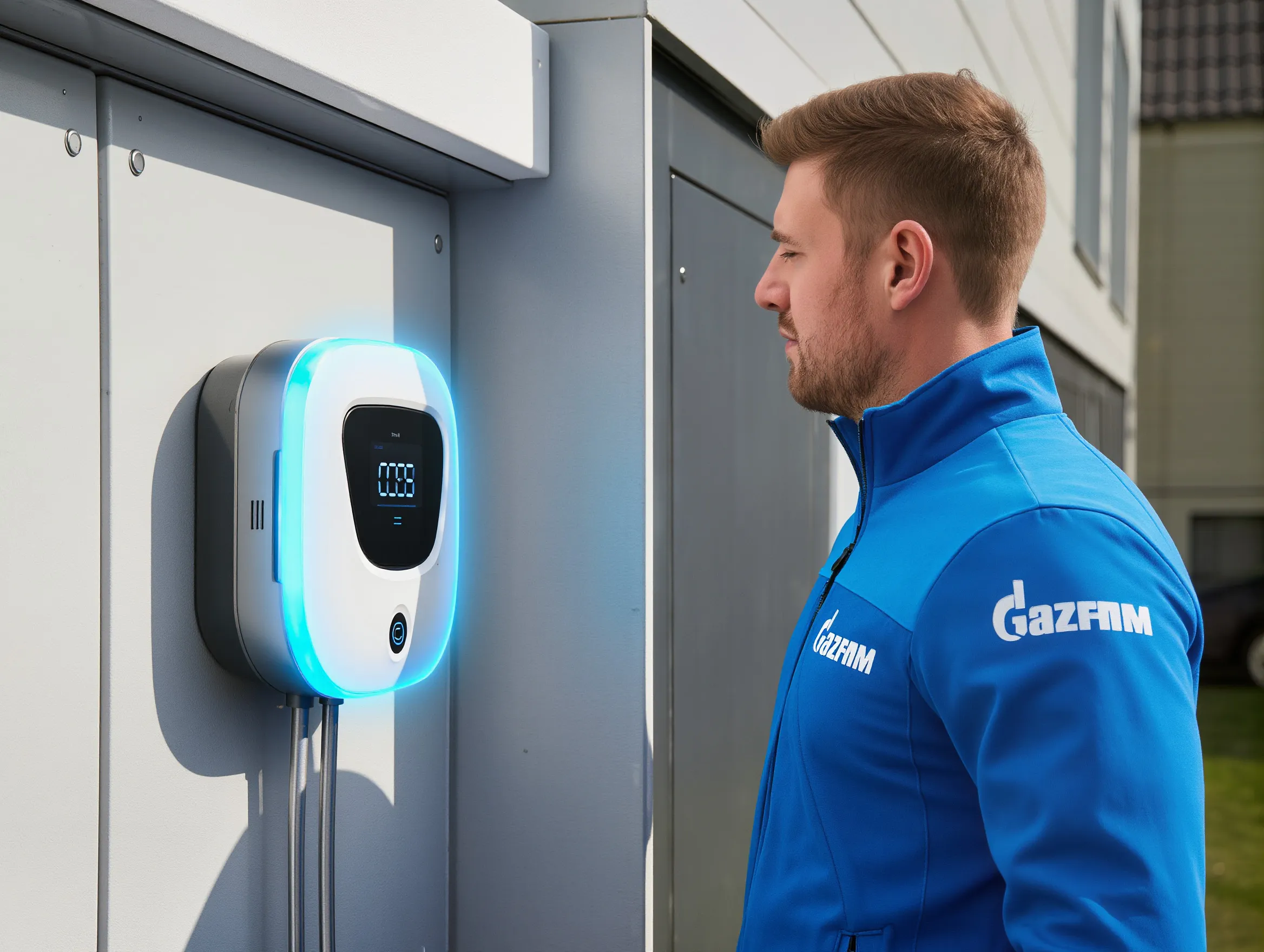
In the coming years, Russia is expected not only to expand the number of installed smart meters but also to improve the quality of data utilization. The growing volume of consumption data can support predictive analytics, peak load forecasting and optimization across the entire supply chain.

Five Years of Gas Sector Digitalization – From Online Applications to a Nationwide Initiative
The smart device rollout would not have been possible without the large-scale gasification program launched in 2021, which provided strong momentum for sector digitalization.
The effort went beyond installing smart meters. The company actively introduced billing platforms and CRM systems for gas distribution organizations.

In 2024–2025, the focus shifted to establishing Unified Customer Service Centers and accelerating IoT deployment across the network. Today, gas operators have set an ambitious target: equipping 14.8 million subscribers who use gas for heating with intelligent metering devices. This priority reflects both their higher consumption volumes and the importance of safety.
In line with import substitution policies, Gazprom Mezhregiongaz is working closely with domestic developers. For example, Inter plans to produce up to 1.5 million microthermal sensors annually to serve as the technological foundation for Russian-made gas meters.
A New Philosophy of Resource Supply
The rapid growth of smart devices in Kuban’s gas network signals more than infrastructure modernization. It reflects a structural transformation of Russia’s housing and utilities sector. The shift is not simply about installing advanced meters. Gas utilities are beginning to actively manage demand and safety in real time.
In Krasnodar region, similar smart infrastructure projects implemented in district heating systems by Rostelecom and Rosatom have already demonstrated measurable impact, reducing accident response times by 20–30% and improving labor productivity.
Given demand from major industry operators and consumers, the next few years are likely to see accelerated deployment of smart hardware, software and analytics services. Technologies now being introduced in Krasnodar region and elsewhere are expected to become standard practice nationwide. The result is not only resource savings but also improved service reliability and, ultimately, a higher quality of life.