

Aerial Patrol to Boost Road Safety in Yugra
In the Khanty-Mansi Autonomous Okrug – Yugra, authorities are testing drones to monitor winter roads and ice crossings, transmitting data about hazardous traffic conditions in real time.
Drones Guarding Winter Roads
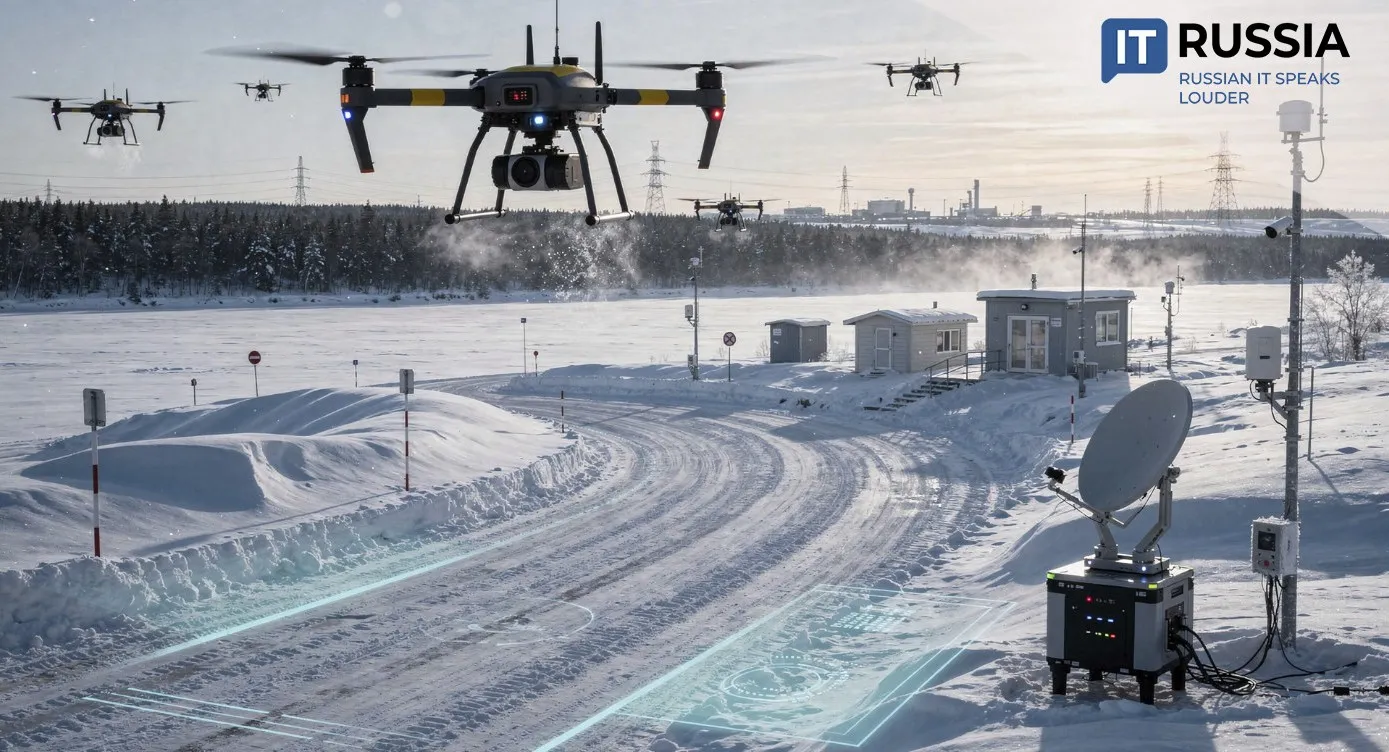
The Khanty-Mansi Autonomous Okrug – Yugra has become a pilot region for deploying unmanned aerial vehicles to monitor the condition of ice crossings and intermunicipal roads during winter. Regional officials describe it as a key step toward improving safety, especially along remote seasonal winter roads known as avtozimniki.
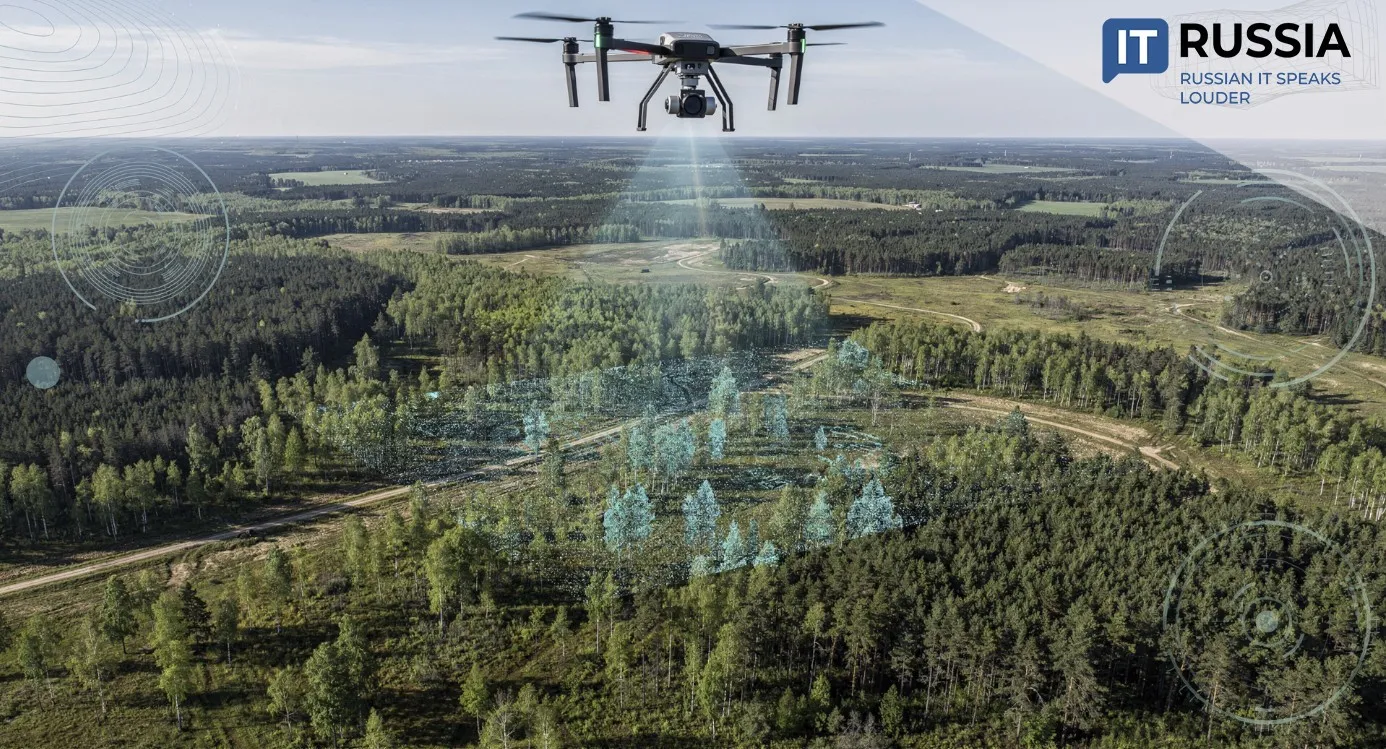
The drones will survey designated road segments and stream data in real time to dispatch centers, including photo and video evidence of detected road surface defects along with precise geographic coordinates. By accelerating response times to dangerous conditions, the technology is expected to help maintain uninterrupted transport links across the region during the harsh winter season.
Open Skies for BAS
Russian state corporations have intensified work under the national project BAS – Bespilotnye Aviatsionnye Sistemy (Unmanned Aerial Systems). The country already fields drones capable of operating in extreme climates, including the Far East, Siberia, and the Arctic North. These severe environments serve as real-world stress tests for performance and reliability.
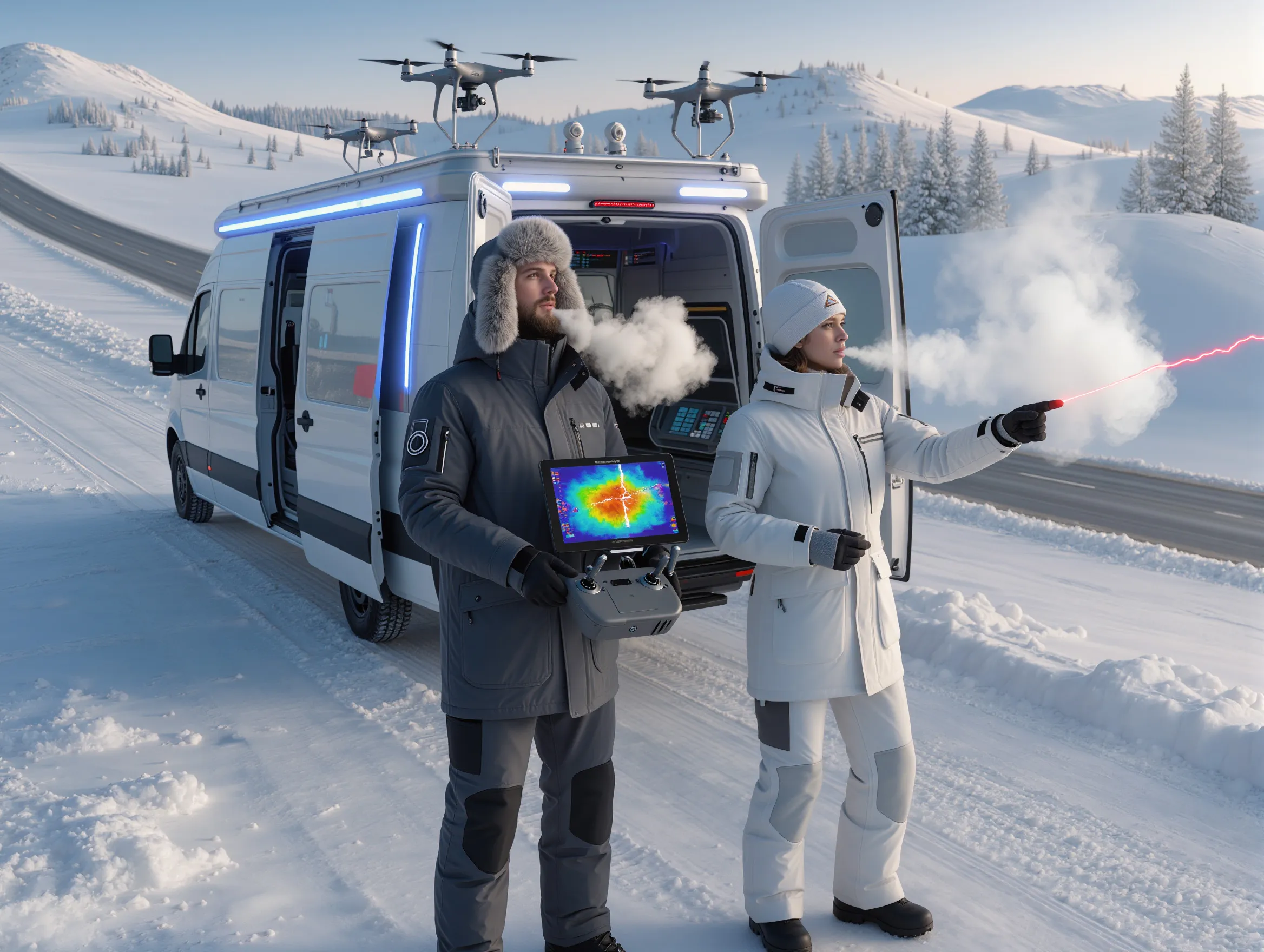
Unmanned systems are increasingly integrated into the daily operations of regional agencies and enterprises. They are used to monitor forest fires, map settlements, and test the delivery of medicines and essential supplies to remote areas.


In Yugra, a pilot zone covering approximately 15,000 square kilometers is already operational. The region is integrating unmanned devices with the Gonets satellite communications system, enabling drone operations in remote territories with unstable connectivity. Regional authorities plan to open 25 flight zones for UAVs without the need for special permits, expanding access for public, sports, and educational organizations.
Financing the Technology
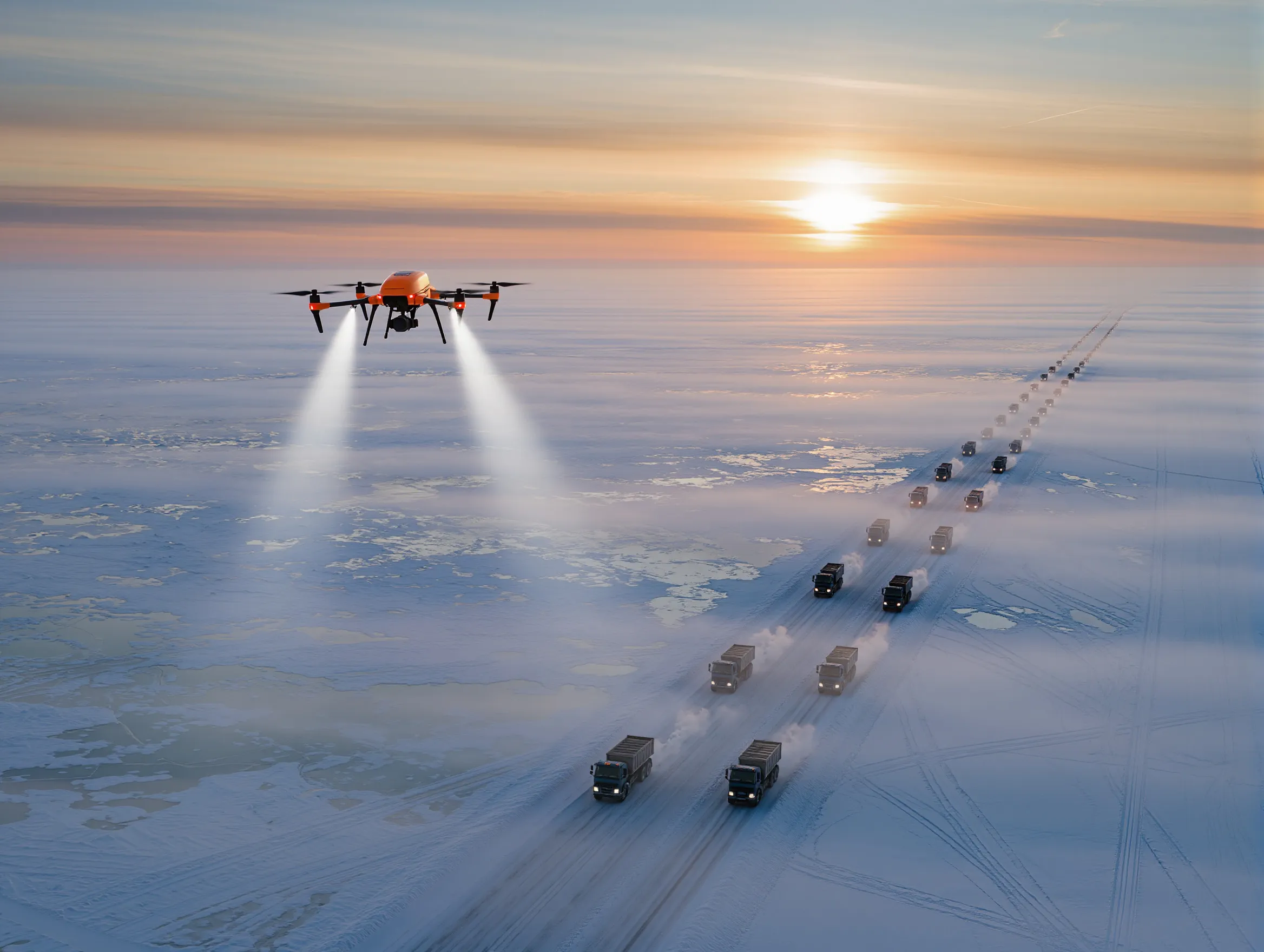
Over the past five years, Russia has significantly strengthened its position in unmanned technologies. Experimental legal regimes for UAVs are active in multiple regions. Under a government resolution signed by Prime Minister Mikhail Mishustin, the special regulatory framework in Yugra and the Yamalo-Nenets Autonomous Okrug has been extended until April 2028. In 2025 alone, more than 17,000 flights were conducted in Yugra under the national project “Bespilotnye Aviatsionnye Sistemy”.
As drone deployment scales up, financing remains a pressing issue.
Although Russia’s unmanned aviation sector is moving from pilot projects toward practical, state-supported implementation, the financial dimension remains complex. Federal authorities are working to define standardized civil procurement scenarios that factor in equipment cost, maintenance, and operational requirements. In some cases, purchased equipment remains underutilized due to shortages of qualified operators, insufficient flight funding, or restricted airspace.
Costs also vary significantly by drone category. Heavy cargo drones require substantial ground personnel and dedicated takeoff and landing infrastructure. They can cost more than comparable manned aircraft in the same class because cargo drones are produced in limited series, driving up spending on components and spare parts.
The government continues to explore funding mechanisms, including subsidizing high-demand use cases under the BAS framework.
Toward Technological Leadership
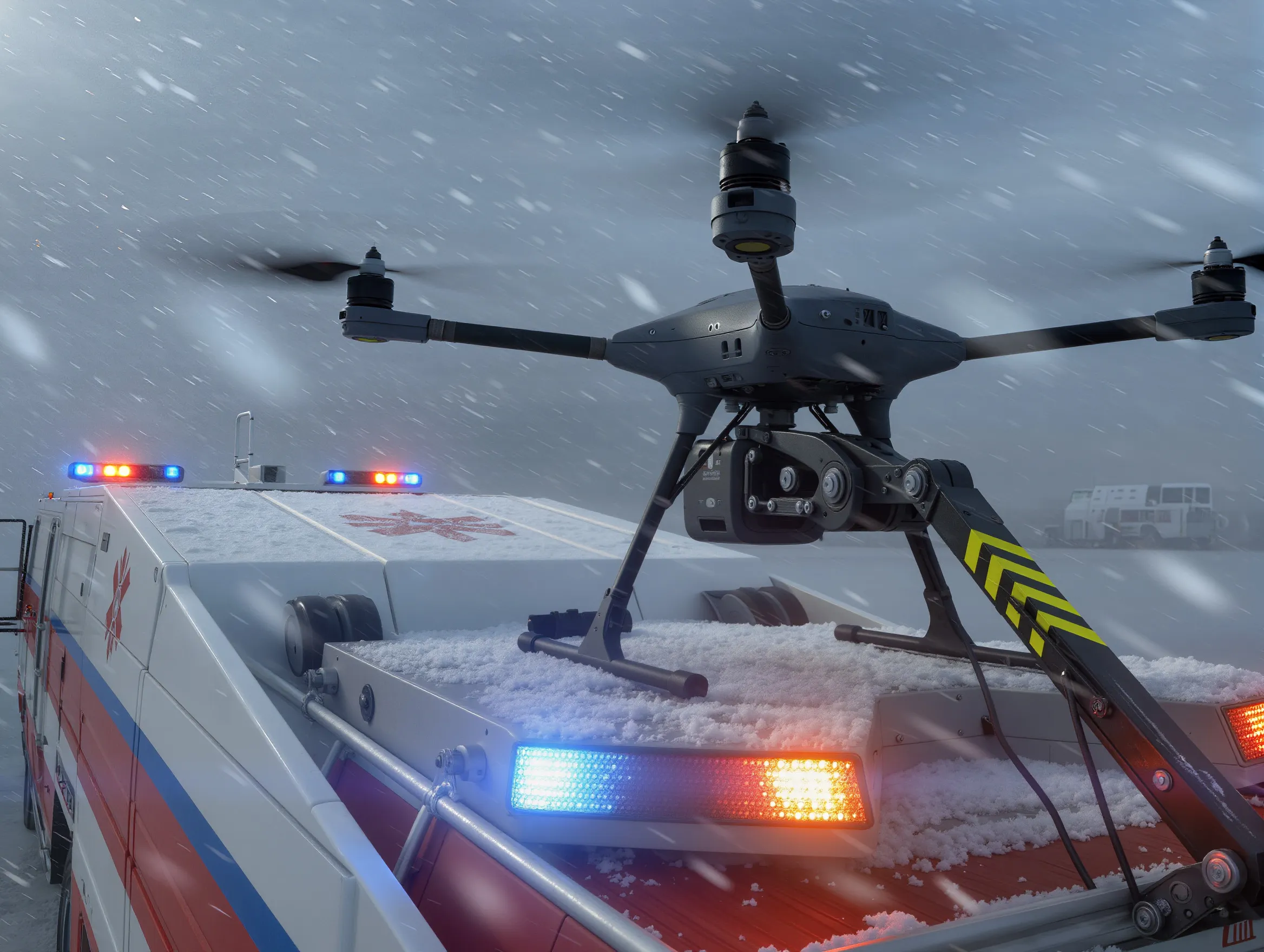
The use of UAVs to monitor roads in Yugra illustrates how unmanned systems are expanding into municipal infrastructure projects.
Regional initiatives in this field receive support at the federal level, where lawmakers are considering regulatory changes to further develop unmanned aviation.
In the near future, authorities plan to expand the use of unmanned systems for monitoring roads, energy infrastructure, and environmental zones. By 2030, Russia could position itself among global technological leaders in unmanned aerial systems.
Obstacles remain, primarily in regulatory alignment, financing of civil projects, and training qualified operators. However, successful integration with federal information systems could enable UAV-based projects to serve as the foundation for national monitoring platforms.
To meet the goals set under the national project, ministries, federal agencies, state corporations, and private companies have coordinated their efforts.