

An Algorithm Against Forgetfulness: IT System Automatically Identifies Patients Who Drop Out of Cancer Diagnostics
In Russia’s Far East, a new system is improving the early detection of cancer by changing how patients move through diagnostics. Its core task is to automatically identify people who started but did not complete critical cancer screening and bring them back for follow-up tests and treatment.
One Click Can Save a Life
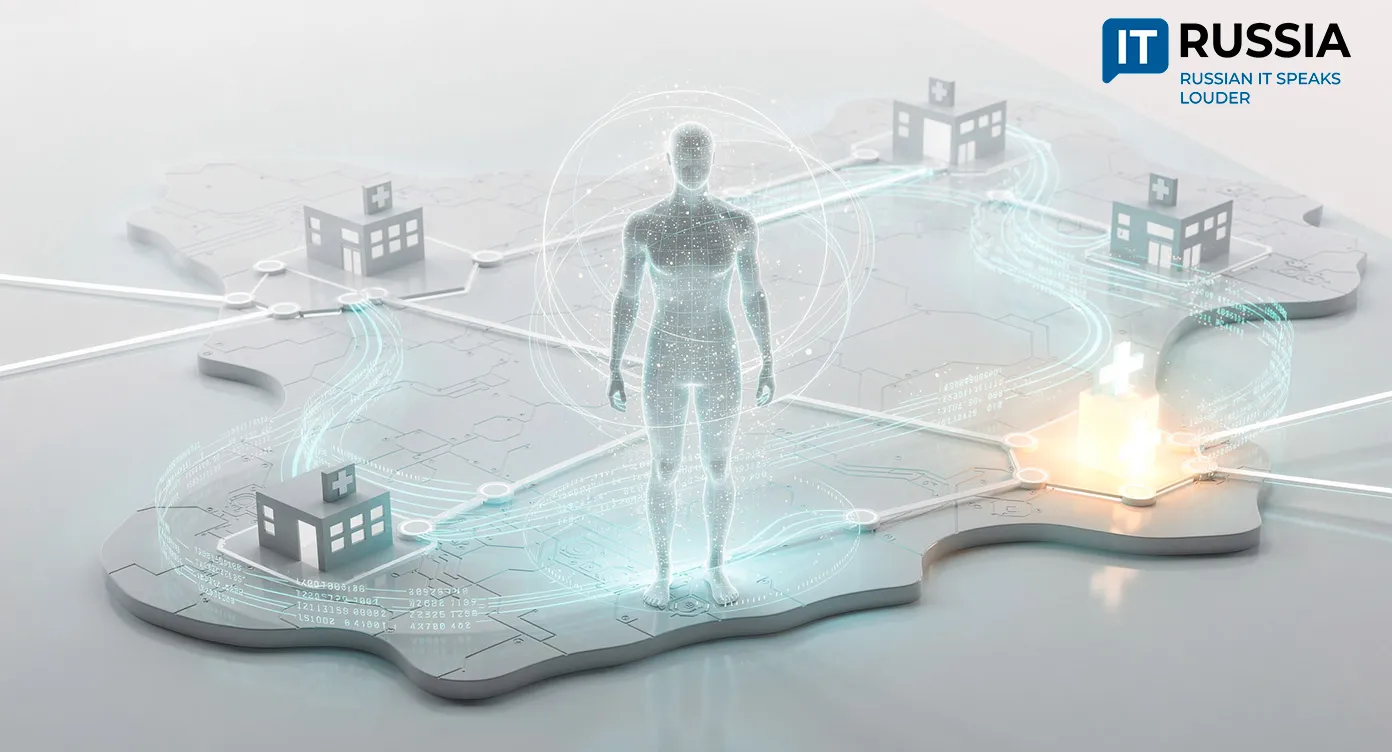
The operating principle of the reference center is built on close attention to process details. The system continuously analyzes data from outpatient clinics across Sakhalin, including the remote Kuril Islands. The algorithm is aware of standard diagnostic pathways. For example, in colorectal cancer screening, a positive fecal occult blood test should be followed by a colonoscopy.
If a patient completes the initial test but does not schedule the next examination within the required timeframe, the system flags this gap. An automatic alert is sent to the clinic physician. A staff member then contacts the patient to remind them about the need for follow-up diagnostics. This is targeted, personalized intervention based on concrete medical data. As a result, patients are less likely to disappear from the system, forget appointments, or postpone care due to being busy. They complete the diagnostic pathway, receive a diagnosis, and can begin treatment.
At present, the system monitors diagnostic routes for colorectal cancer, breast cancer, and prostate cancer. Plans include adding oversight of lung cancer screening using low-dose computed tomography.

From an Island Pilot to a National Practice
For Russia, this development by Sakhalin clinicians and IT specialists represents a practical step forward in healthcare digitalization. Many digital health systems function primarily as electronic archives. The Sakhalin platform, by contrast, is an active process management tool that works proactively rather than reactively.
Its value lies in addressing one of the most persistent challenges in early cancer detection: the human factor and the loss of patients along complex diagnostic pathways. Many patients are anxious about undergoing tests or fear receiving a diagnosis. This very human behavior is where artificial intelligence can help compensate.
In an overcrowded outpatient clinic, physicians cannot realistically track hundreds of individual diagnostic routes manually. The algorithm performs this task with consistency and precision. This directly contributes to increasing the share of cancers detected at early, treatable stages, a national public health priority.

A Look at the Global Medical Landscape
Other Russian regions have already expressed interest in the methodology. The logic and software architecture proven in Sakhalin can potentially be scaled. This opens the door to creating a federal system for monitoring compliance with cancer screening programs, significantly improving their effectiveness nationwide.
In a global context, the Sakhalin project stands out for its applied focus. Many countries are investing heavily in electronic health records and registries, but far fewer systems are designed for such a specific, process-driven task: ensuring that diagnostic cycles are completed.
That makes the solution relevant beyond Russia. Its concept may appeal to countries with developing healthcare systems that are building or expanding cancer screening programs. It is a ready-to-use organizational and technological model that has already demonstrated effectiveness in a region with challenging geography and logistics.


Exporting Ideas and the Technological Future
The project’s export potential lies primarily in sharing experience and methodology. It is a replicable case study that shows how to structure data exchange between institutions, design algorithmic logic, and organize communication with patients.
Future development is expected to focus on enriching the system’s capabilities. The next step could be integration with advanced data analytics tools that analyze information from electronic medical records. Such tools would not only track prescribed examinations but also independently identify high-risk patient groups and propose personalized screening plans. This would transform the platform from a monitoring tool into an intelligent clinical assistant.
The Sakhalin reference center illustrates how modern technologies in Russia can directly benefit individual patients by increasing their chances of timely diagnosis and a longer, healthier life.